
bamboo steamer Key Takeaways
The bamboo steamer is a traditional tool that has been used for centuries across Southeast Asia to create dishes with an unmatched fluffy moist texture .
- A bamboo steamer naturally regulates humidity, preventing soggy cakes and sticky lemang.
- Proper stacking and water level management are key to achieving consistent results.
- With minimal care, a quality bamboo steamer can last for years and transform your cooking.
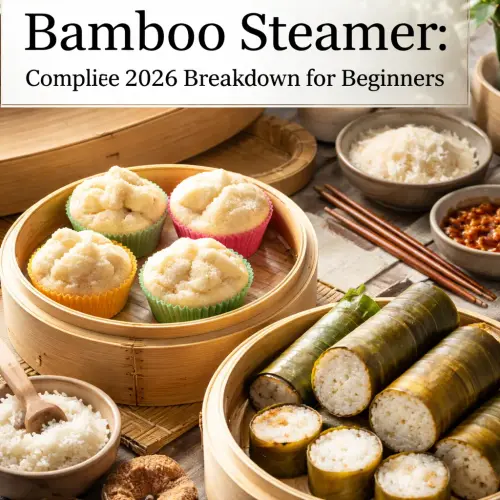
Why a Bamboo Steamer Creates the Fluffiest Moist Texture
If you have ever bitten into a steamed traditional cake that felt light as air yet impossibly moist, chances are it was cooked in a bamboo steamer. The magic lies in the material itself. Bamboo is porous and naturally absorbs steam condensation that would otherwise drip back onto your food. This means the surface of your cakes stays dry while the interior cooks evenly, resulting in that coveted fluffy moist texture that metal steamers simply cannot replicate. For a related guide, see Stuck on Cooking Bamboo Shoots Without the Smell? 3 Best Canning Methods.
The gentle, indirect heat of a bamboo steamer also prevents rapid temperature spikes. For delicate batters like rice cakes or lemang, this slow and steady steam ensures the structure sets without collapsing. It is the same principle that makes bamboo steamers the preferred choice for dim sum chefs worldwide.
Comparing Bamboo Steamers with Metal and Electric Alternatives
To truly appreciate the bamboo steamer, it helps to see how it stacks up against other steaming methods. Each has its own strengths, but for traditional cakes and lemang, bamboo remains the gold standard.
| Feature | Bamboo Steamer | Metal Steamer | Electric Steamer |
|---|---|---|---|
| Moisture control | Excellent – absorbs condensation | Poor – water drips on food | Moderate – some have drip trays |
| Heat distribution | Gentle and even | Hot spots possible | Even but often too rapid |
| Flavor impact | Adds subtle earthy aroma | Neutral | Neutral |
| Durability | High with proper care | Very high | Moderate – electronics may fail |
| Best for | Cakes, dumplings, lemang | Vegetables, seafood | Quick meals |
While metal steamers are faster and electric ones are convenient, neither offers the same fluffy moist texture that a bamboo steamer brings to traditional cakes. If your goal is authentic results with a tender crumb, bamboo is worth the small learning curve. For a related guide, see Induct Method Cooking: 5 Key Differences for Gulai Rebung.
How to Use a Bamboo Steamer for Cakes and Lemang
Getting started with your bamboo steamer for cakes is simpler than most people think. Follow these steps to ensure success every time, whether you are making lemang steaming or a classic sponge cake.
Step 1: Prepare the Steamer
Soak the bamboo steamer in water for at least 15 minutes before first use. This prevents the bamboo from scorching and helps it absorb moisture. After soaking, line the base with parchment paper or banana leaves to keep small items from sticking.
Step 2: Set Up Your Wok or Pot
Fill a wok or wide pot with about 2 inches of water. Bring it to a gentle simmer, not a rolling boil. The water should never touch the bottom of the bamboo steamer. Place the steamer over the water, ensuring a tight seal with the lid.
Step 3: Arrange Your Food
Leave at least 1 inch of space around each item so steam can circulate freely. For lemang steaming, place the bamboo tubes upright or slightly tilted. For cakes, pour batter into lined tins that fit comfortably inside the steamer.
Step 4: Steam with Patience
Cover the steamer and maintain a steady simmer. Avoid opening the lid too often, as this releases steam and disrupts the cooking. Most traditional cakes need 20–40 minutes depending on size. Check doneness with a toothpick inserted in the center.
Step 5: Rest and Serve
Turn off the heat and let the food sit inside the steamer for 5 minutes before removing. This allows the residual steam to finish cooking and the texture to settle. Lift the steamer carefully to avoid burns.
Common Mistakes to Avoid for Perfect Results
Even experienced cooks sometimes struggle with a bamboo steamer. Here are the most frequent pitfalls and how to avoid them.
Not Soaking the Steamer Long Enough
A dry bamboo steamer will absorb steam meant for your food, leading to uneven cooking. Always soak it for at least 15 minutes, and up to 30 minutes for new steamers.
Using Too Much Water
When the water level is too high, it can bubble up into the steamer and soak your cakes. Keep the water at a depth that leaves a clear gap between the water surface and the steamer base.
Overcrowding the Steamer
Steam needs room to circulate. Packing too many items in one layer will cause uneven cooking and a dense texture. If you have a lot to cook, stack multiple tiers, but always start with the top tier first.
Caring for Your Bamboo Steamer
A well-maintained bamboo steamer can last for many years. After each use, wash it with warm water and a soft brush. Do not use soap, as bamboo absorbs flavors. Let it air dry completely before storing in a dry, well-ventilated place. If you notice any mold, soak the steamer in a mixture of water and white vinegar, then rinse and dry thoroughly.
Useful Resources
For more detailed information on steaming techniques and traditional cakes, check out these excellent guides:
- Serious Eats: The Food Lab Guide to Steaming Dumplings – Learn the science behind perfect steam cooking.
- The Spruce Eats: How to Make Lemang – A step-by-step recipe for lemang steaming at home.
Frequently Asked Questions About bamboo steamer
What is a bamboo steamer used for?
A bamboo steamer is used for steaming foods like dumplings, buns, traditional cakes, vegetables, and lemang. Its natural material helps create a fluffy moist texture by absorbing excess condensation.
Can I use a bamboo steamer on any pot?
Yes, as long as the pot is wide enough to support the steamer and has a lid that fits tightly. A wok works best because its shape holds the steamer securely.
Do I need to line a bamboo steamer ?
For sticky foods like cakes or dumplings, it is best to line the bottom with parchment paper, banana leaves, or cabbage leaves to prevent sticking and make cleanup easier.
How long do I soak a bamboo steamer before use?
Soak it for 15 to 30 minutes before first use. This prevents scorching and helps the bamboo absorb moisture so it does not steal steam from your food.
Can I wash a bamboo steamer with soap?
No, soap can be absorbed into the bamboo and affect the flavor of your food. Use warm water and a soft brush to clean it.
Why does my cake come out soggy in a bamboo steamer ?
Soppy cakes often result from too much water in the pot or a lid that does not fit well. Ensure water does not touch the steamer and that the lid is snug.
Can I stack multiple bamboo steamers?
Yes, most bamboo steamers are designed to stack. Place the top tier slightly offset so steam can rise through all layers. Rotate tiers halfway through cooking for even results.
What is the best bamboo steamer size for cakes?
A 10-inch or 12-inch diameter steamer works well for most home baking. It is large enough to hold a standard 8-inch cake tin comfortably.
Does a bamboo steamer add flavor to food?
Yes, new bamboo steamers can impart a subtle earthy aroma to food, which is often desirable in traditional cakes and lemang. With use, this flavor fades.
How do I prevent bamboo steamer from molding?
Always dry the steamer completely before storing. Place it in a warm, airy spot. If mold appears, clean with diluted white vinegar and let it dry thoroughly in sunlight.
Can I use a bamboo steamer for lemang at home?
Absolutely. A bamboo steamer is ideal for lemang steaming. Place the bamboo tubes upright in the steamer and steam for 2–3 hours until the rice is tender and creamy.
Do I need to preheat a bamboo steamer ?
It is not necessary to preheat the steamer itself. Simply bring the water to a gentle simmer before placing the steamer over the pot.
Why does my bamboo steamer discolor over time?
Discoloration is normal and comes from natural oils in bamboo and exposure to heat. It does not affect performance or safety.
Can I use a bamboo steamer in a microwave?
No, bamboo steamers are not microwave-safe. They are designed for use over boiling water on a stovetop.
Is a bamboo steamer worth it for beginners?
Yes, especially if you enjoy traditional cakes or Asian cuisine. The learning curve is small, and the results are noticeably better than with metal steamers.
How do I know when my cake is done in a bamboo steamer ?
Insert a toothpick into the center. If it comes out clean or with a few moist crumbs, the cake is done. The surface will feel springy to the touch.
Can I use a bamboo steamer for reheating food?
Yes, it is excellent for reheating buns, dumplings, and leftover traditional cakes without drying them out. Steam for 3–5 minutes.
What type of wood is used for bamboo steamers?
Most bamboo steamers are made from Moso bamboo, a sturdy and fast-growing species that is both strong and lightweight.
Do I need to oil a bamboo steamer ?
No, oiling is not necessary. Lining with parchment or leaves is sufficient to prevent sticking.
Can I put a bamboo steamer in the dishwasher?
Never put a bamboo steamer in the dishwasher. The heat and detergent will damage the bamboo and cause it to crack or warp.