
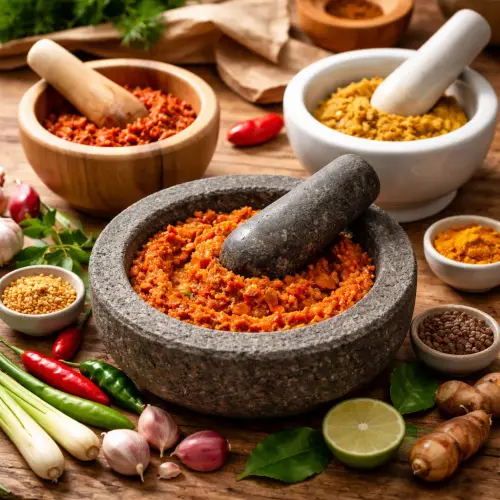
Best Mortar and Pestle (Cobek dan Ulekan) Key Takeaways
If you are serious about making authentic Indonesian spice pastes , the mortar and pestle — known locally as cobek dan ulekan — is the most essential tool in your kitchen.
- The best mortar and pestle ( Cobek dan Ulekan ) for Indonesian cooking is made of solid stone (andesite or granite) with a wide, shallow bowl.
- Stone retains heat and weight, helping you break down fibrous ingredients like galangal and chili efficiently.
- Avoid glazed ceramic mortars for wet pastes — the slick surface makes it nearly impossible to grind a smooth sambal.
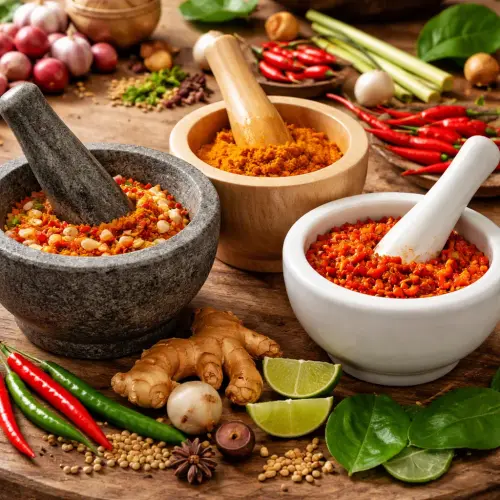
What Makes the Best Mortar and Pestle (Cobek dan Ulekan) for Indonesian Spice Pastes?
In Indonesian kitchens, the cobek dan ulekan is more than a tool — it’s an extension of the cook’s hand. The way you grind, scrape, and fold ingredients together releases essential oils and creates a paste that no food processor can replicate. The best mortar and pestle (Cobek dan Ulekan) for this task shares three traits: it is heavy, rough-surfaced, and wide enough to hold a generous batch of sambal or bumbu. For a related guide, see Joyce Chen 2-Tier Bamboo Steamer (10-Inch): Essential for Perfect Indonesian Cakes.
Many home cooks in the West buy decorative ceramic mortars that look good on a countertop but fail in performance. For authentic Indonesian spice pastes, you need a bowl that stays put under pressure and a pestle with enough friction to grip slippery shallots and chiles.
Material Matters: Stone, Wood, and Ceramic
Stone is the gold standard. A traditional Indonesian cobek is carved from volcanic andesite or hardened granite. These stones are porous enough to create friction but dense enough to resist cracking. Wooden mortars work well for dry spices but absorb moisture and flavors from wet pastes. Glazed ceramic mortars look elegant but are too slippery for grinding fibrous chili skins and galangal.
Shape and Depth: Why Wide and Shallow Works Best
A shallow, wide bowl lets you control the pestle angle and scrape ingredients into the center. Deep, narrow mortars — common in European spice grinding — trap ingredients and force you to pound rather than grind. For Indonesian spice pastes, you need a sweeping, rocking motion, not a vertical pounding. A cobek of about 20–25 cm in diameter is ideal for most home batches.
5 Essential Tips for Choosing Your Best Mortar and Pestle (Cobek dan Ulekan)
These five tips will help you avoid the common mistakes that lead to uneven pastes, cracked stoneware, or wasted money.
1. Choose Unpolished Stone Over Marble or Glazed Ceramic
Marble and glazed ceramic are popular in Western kitchenware stores, but their polished surfaces are useless for grinding wet chiles, shrimp paste, and shallots. The best mortar and pestle (Cobek dan Ulekan) has a rough, unpolished interior that grips ingredients and releases their aroma. If you cannot find andesite, look for unpolished granite.
2. Check Weight Before You Commit
A mortar that slides across the counter is dangerous and inefficient. A good stone cobek should weigh at least 2.5–3 kilograms (6–7 pounds) for a 20-centimeter bowl. Heavier is better. The weight provides inertia so the pestle can do its work without the bowl shifting.
3. Match the Pestle to Your Grip
The ulekan (pestle) should be heavy in your hand but not too thick to grip comfortably. Traditional Indonesian pestles are slightly curved and tapered, allowing a natural wrist motion. Avoid flat-ended pestles — they pound rather than grind. Look for a rounded or bulbous grinding end.
4. Ignore “Non-Slip” Bases That Slip Anyway
Many modern mortars feature rubber or silicone bases that claim to prevent slipping. In practice, these bases peel off after a few washes and trap moisture underneath. A true stone mortar with a flat, rough bottom stays put on a damp towel. Stick with tradition: place your cobek on a folded kitchen towel for stability.
5. Season Your Mortar and Pestle Before First Use
New stone mortars shed fine grit during the first few uses. To season yours, grind a handful of raw rice with a tablespoon of water until it forms a gray paste. Discard and rinse. Repeat with a few garlic cloves and a teaspoon of oil. This removes loose particles and prepares the surface for real Indonesian spice pastes.
Material Comparisons: Pros and Cons of the Top Options
To help you decide, here is a side-by-side look at the four most common mortar materials for Indonesian spice pastes.
| Material | Best For | Pros | Cons |
|---|---|---|---|
| Andesite (Volcanic Stone) | Wet pastes, sambal, bumbu | Rough texture, excellent grip, heavy, traditional | Heavy to move, porous if unsealed |
| Granite (Unpolished) | Wet and dry grinding | Dense, durable, easy to clean | Can be too smooth; less grip than andesite |
| Wood (Hardwood) | Dry spices, nuts | Lightweight, won’t chip, affordable | Absorbs moisture and odors; splinters over time |
| Glazed Ceramic | Herbs, soft spices | Pretty, non-porous, easy to clean | Too slippery for wet pastes; chips easily |
For best mortar and pestle (Cobek dan Ulekan) performance, andesite remains the unanimous choice among Indonesian chefs. Granite is a reliable second if andesite is unavailable in your region.
How to Grind Indonesian Spice Pastes the Traditional Way
Even the best cobek dan ulekan will not produce authentic results without proper technique. Follow these steps for a smooth, aromatic paste.
Start with Aromatics
Begin with the hardest ingredients: galangal, turmeric, and ginger. Slice them thinly against the grain. Add a pinch of salt to provide grip. Use a rocking motion, not pounding. Drag the ulekan from the far edge toward yourself, applying downward pressure.
Layer Ingredients by Hardness
Add chiles, shallots, and garlic once the aromatics are broken down. The moisture from these softer ingredients helps the paste come together. Finally, add shrimp paste (terasi), sugar, and lime leaves. Fold rather than grind at the end to preserve volatile oils.
Scrape Frequently
Use a flexible spatula to scrape paste from the walls and pestle every 15–20 strokes. This ensures even grinding and prevents burning in one spot. A well-made cobek has slightly sloping sides that make scraping easy.
Common Mistakes and How to Avoid Them
Even experienced cooks make these errors. Avoiding them will improve your sambal game immediately.
Using a Food Processor Instead of Mortar and Pestle
Blenders and food processors heat ingredients and break cell walls unevenly, producing a watery, bitter paste. Only a mortar and pestle can create the creamy, emulsified texture that defines authentic Indonesian spice pastes.
Overloading the Mortar
Fill your cobek no more than one-third full. Overloading forces material up the sides and reduces grinding efficiency. Work in batches if needed.
Neglecting Cleaning and Drying
Stone mortars should be cleaned with hot water and a stiff brush — never soap, which seeps into pores and flavors your next batch. Dry immediately and store uncovered to prevent mold.
Useful Resources
For further reading on traditional Indonesian cooking tools and techniques, check these trusted sources:
- Serious Eats: Why You Should Use a Mortar and Pestle — A deep dive into the science of grinding and why the tool matters for flavor.
- The Spruce Eats: Indonesian Cooking Essentials — An overview of key ingredients and how to prepare them with traditional tools.
Frequently Asked Questions About Best Mortar and Pestle ( Cobek dan Ulekan )
What is the best mortar and pestle ( Cobek dan Ulekan ) for beginners?
For beginners, an unpolished granite mortar around 20 cm wide and 2.5 kg heavy offers the best balance of price, durability, and performance for Indonesian spice pastes.
Can I use a marble mortar for sambal?
Marble is too polished and slippery. It cannot grip chile skins or galangal fibers. Stick with unpolished stone like andesite or granite for wet pastes.
How do I clean a stone cobek dan ulekan ?
Rinse with hot water immediately after use. Scrub with a stiff brush and no soap. Dry thoroughly. If odors remain, grind a handful of raw rice with water to absorb them.
Is wood or stone better for Indonesian spice pastes ?
Stone is better for wet pastes. Wood absorbs moisture and flavors, making it unsuitable for sambal or bumbu that contain shrimp paste or garlic.
How heavy should my mortar and pestle be?
Aim for at least 2.5 kg (6 pounds) for a 20 cm bowl. Heavier mortars stay put and provide better inertia for grinding fibrous spices.
Can I make Indonesian spice pastes in a blender?
You can, but the texture and flavor will differ. Blenders create heat and introduce air, leading to a thinner, more bitter paste. The best mortar and pestle (Cobek dan Ulekan) produces a creamy, emulsified result. For a related guide, see Native Forest Organic Bamboo Shoots (14 oz) – Honest Quality and Value Review.
Where can I buy an authentic Indonesian cobek ?
Look in Asian grocery stores, online marketplaces like Amazon or Etsy, or directly from Indonesian cookware importers. Search for “andesite cobek” or “volcanic stone mortar.”
How do I season a new stone mortar?
Grind a handful of raw rice with a tablespoon of water until the paste turns gray. Discard, rinse, then grind a few garlic cloves with oil. This removes loose grit.
What size cobek do professional Indonesian chefs use?
Most professionals use a 22–25 cm diameter bowl made of andesite. This size is large enough for family-sized batches but still manageable.
Can I use a mortar and pestle for dry spices and still get good results?
Yes, but you may prefer a dedicated smaller mortar for dry spices if you cook large amounts. A single all-purpose stone cobek dan ulekan works fine with thorough cleaning between uses.
Why does my mortar and pestle leave black marks on my food?
New stone mortars shed fine grit. This is normal during the first few uses. Season your mortar properly, and the marks will disappear.
How do I stop my mortar from sliding?
Place a damp folded kitchen towel under the mortar. This creates friction and holds the bowl steady better than any silicone base.
Is a flat or round pestle better for Indonesian spice pastes ?
A rounded, bulbous pestle works best because it allows a rocking, grinding motion. Flat-ended pestles are designed for pounding, which is less effective for wet pastes.
Can I put my stone cobek in the dishwasher?
Never. Dishwasher detergent penetrates the porous stone and will flavor your next batch. Hand wash only with hot water and a stiff brush.
What is the difference between a cobek and a regular mortar?
A cobek is traditionally wider and shallower than European mortars, with a rough, unpolished interior specifically designed for grinding wet Indonesian spice pastes and sambals.
How do I remove stubborn stains from a stone mortar?
Grind a paste of coarse salt and lemon juice. Let it sit for 10 minutes, then scrub with a stiff brush and rinse. Repeat if needed.
Is it safe to use a cracked mortar and pestle ?
No. A cracked stone mortar can break during use, causing injury. Replace it immediately if you see visible cracks.
Can I grind lemongrass in a mortar and pestle ?
Yes, but slice the lemongrass very thinly first. Use the thick white part only, and add a pinch of salt to improve grip and break down the fibers.
What is the best mortar and pestle ( Cobek dan Ulekan ) for small kitchens?
Choose a 20 cm granite mortar with a flat, unpolished base. It fits in most cabinets and weighs enough to stay stable while grinding small to medium batches of Indonesian spice pastes.
How long does a stone cobek dan ulekan last?
With proper care — no soap, thorough drying, and occasional seasoning — a high-quality andesite or granite mortar can last decades and even be passed down.