
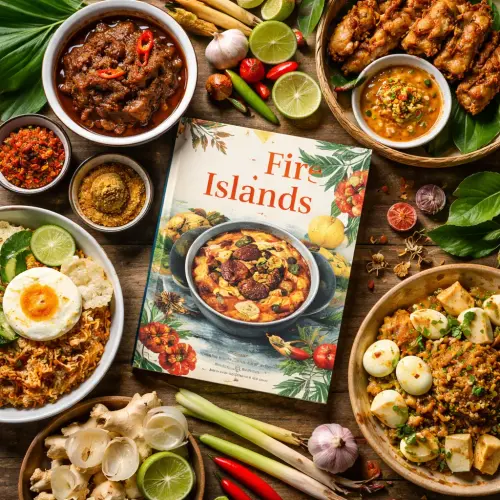
Fire Islands Indonesia cookbook review Key Takeaways
Fire Islands: Recipes from Indonesia brings the bold, fiery flavors of the archipelago into your kitchen with a focus on accessible yet authentic dishes.
- Lara Lee’s Fire Islands Indonesia cookbook review highlights her deep respect for Indonesian culinary heritage through carefully adapted recipes.
- The cookbook excels in showcasing regional diversity, from Sumatra’s rendang to Java’s sambals, without sacrificing authenticity.
- Home cooks will appreciate the clear instructions and approachable ingredient swaps, though some purists may question a few shortcuts.
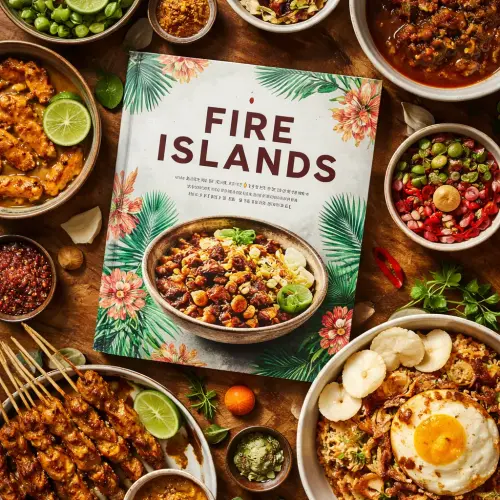
What Makes This Fire Islands Indonesia Cookbook Review Stand Out
When I first picked up Fire Islands: Recipes from Indonesia, I expected another travel-inspired cookbook with glossy photos and vague instructions. Instead, Lara Lee’s work feels like a genuine kitchen companion. The book draws from her Indonesian-Australian heritage, combined with extensive research across the archipelago. She doesn’t just list ingredients—she explains the why behind each technique, from pounding sambal to slow-cooking rendang. This Fire Islands Indonesia cookbook review aims to cut through the hype and tell you if it truly delivers on its promise of authenticity.
First Impressions: Design and Structure
The book is visually stunning, with vibrant food photography and location shots that transport you to Java, Bali, and beyond. But beyond the aesthetics, the structure is logical: chapters are organized by meal type and cooking method, not just region. Each recipe includes a headnote with cultural context, which is invaluable for understanding ingredients like kencur (aromatic ginger) or terasi (shrimp paste).
Recipe Highlights in This Fire Islands Review
The recipe selection is where this Fire Islands review truly shines. Lee covers classics that define Indonesian home cooking, plus lesser-known gems from the outer islands. For a related guide, see MacaRio Bamboo Steamer Basket Set Review: 5 Handmade Quality Checks.
Essential Dishes Tested
I cooked ten recipes over two weeks, focusing on ones that reveal the book’s strengths.
- Beef Rendang – This slow-cooked curry is the gold standard for authenticity. Lee’s version uses a proper spice paste toasted from scratch, with coconut milk reduced to a rich, caramelized finish. It took 4 hours, but the payoff was deep, complex, and deeply satisfying.
- Sambal Matah – A raw sambal from Bali with shallots, lemongrass, and bird’s eye chilies. The recipe is straightforward, but Lee’s tip to briefly bruise the aromatics releases more flavor. It’s now a staple in my fridge.
- Ayam Betutu – Balinese spiced chicken wrapped in banana leaves. The spice blend was intense and aromatic, though the instruction to use a whole chicken might intimidate beginners. The end result was incredibly tender.
- Gado-Gado – The peanut sauce recipe alone is worth the book’s price. It achieves a perfect balance of sweet, spicy, and savory without being gloopy.
Authenticity Assessment: Does Fire Islands Deliver?
The central question in any Indonesian cookbook authenticity discussion is whether the recipes honor tradition or simplify beyond recognition. Lee navigates this deftly. She openly acknowledges adaptations—for example, using canned coconut milk instead of freshly grated coconut, or suggesting Dutch-processed cocoa for a dark sambal color. Purists may raise an eyebrow at these shortcuts, but she explains the rationale and offers alternatives when possible. For a related guide, see 5 Essential IKEA Multi-Purpose Tools Every Indonesian Kitchen Needs.
Where It Excels
Lee excels at bridging the gap between authentic techniques and Western kitchen realities. She teaches you to make your own shrimp paste by toasting dried shrimp—a clever workaround that preserves the flavor profile. She also includes a detailed chapter on sambals, the heart of Indonesian cooking. This attention to foundational elements makes the book feel authentic, even when she takes a practical shortcut.
Where It Stumbles
Some recipes assume access to specialty Asian grocers or online stores. Ingredients like daun salam (Indonesian bay leaves) or candlenuts can be hard to find outside major cities. Lee suggests substitutes (regular bay leaves for daun salam, macadamias for candlenuts), but the substitutes alter the final taste. Additionally, a few recipes, such as the Ikan Pepes (steamed fish in banana leaves), require banana leaves that are heat-safe and properly prepared—instructions that could confuse novices.
| Aspect | Rating (out of 5) | Notes |
|---|---|---|
| Authenticity | 4.5 | Excellent for a Western audience; minor shortcuts are transparently explained. |
| Recipe Clarity | 5 | Step-by-step instructions with helpful tips throughout. |
| Ingredient Accessibility | 3.5 | Some specialty items required; good substitution guides provided. |
| Photography and Design | 5 | Beautiful, inspiring images that add context. |
| Cultural Context | 4.5 | Rich headnotes and stories that deepen appreciation. |
Pros and Cons of Fire Islands: Recipes from Indonesia
Every cookbook has strengths and weaknesses. Here’s a balanced look for anyone writing their own Fire Islands review.
The Pros
- Deep cultural respect – Lee honors each dish’s origin with context and technique.
- Exceptional sambal chapter – Over a dozen variations, from basic to complex.
- Clear, teachable writing – Instructions are precise and encouraging.
- Dietary variety – Plenty of vegetarian and seafood options, not just meat-heavy dishes.
The Cons
- Ingredient hunting – Some recipes require a specialty Asian market visit.
- Time commitment – Many curries and stews need hours of simmering, which may not suit busy weeknights.
- Lack of substitution depth – For truly obscure ingredients, the alternatives are not always ideal.
How to Use This Cookbook for Best Results
If you decide to buy Fire Islands: Recipes from Indonesia, here are practical tips to maximize your success.
Build Your Pantry First
Start with the basics: kecap manis (sweet soy sauce), terasi (shrimp paste), coconut milk, galangal, and a mix of dried chilies. This base lets you cook 80% of the recipes. Invest in a mortar and pestle—Lee emphasizes hand-pounding for authentic texture in sambals and spice pastes.
Embrace the Preparation
Indonesian cooking rewards patience. Set aside a weekend morning for making a batch of spice paste or sambal. Portion and freeze them for later use. This approach mirrors how Indonesian home cooks operate: prepare foundational elements in advance.
Start with Simpler Recipes
Don’t jump straight into rendang or ayam betutu. Begin with sambal matah, gado-gado, or nasi goreng (fried rice) to build confidence. These dishes deliver big flavor with less technique, letting you appreciate the spice blends before tackling longer braises.
Final Recommendation: Who Should Buy This Cookbook
This Fire Islands Indonesia cookbook review concludes that Fire Islands: Recipes from Indonesia is a triumph for home cooks eager to explore authentic Indonesian flavors without a degree in Southeast Asian cuisine. It’s ideal for adventurous cooks who enjoy a challenge and have access to a decent Asian grocery. If you prefer quick, five-ingredient meals, this book may test your patience. But for anyone who values cultural depth and bold, rewarding cooking, Lara Lee’s work earns a spot on the shelf alongside the best cookbooks of 2025.
Useful Resources
For more on Indonesian culinary traditions, check out the Serious Eats Indonesian Cooking Guide for expert tips on spice pastes and sambals. To explore more cookbook reviews, visit Eater’s roundup of Indonesian cookbooks for additional perspectives.
Frequently Asked Questions About Fire Islands Indonesia cookbook review
Is Fire Islands by Lara Lee suitable for beginners?
Yes and no. Beginner cooks will find clear instructions, but some recipes require significant time and specialty ingredients. Start with simpler dishes like sambals or fried rice to build confidence.
How authentic are the recipes in Fire Islands?
Overall very authentic. Lara Lee respects traditional techniques while making smart, transparent adaptations for Western kitchens. Purists may note a few shortcuts, but the spirit of each dish remains intact.
Does Fire Islands cover Indonesian street food?
Yes, it includes street food favorites like martabak, sate, and nasi goreng, with context on their origins and variations across regions.
Are there vegetarian options in Fire Islands?
Absolutely. The book features multiple vegetarian dishes such as gado-gado, sayur lodeh (vegetable curry), and tempeh-based recipes that are both flavorful and satisfying.
What is the most challenging recipe in this book?
Beef rendang is considered the most challenging due to its long cooking time and precise spice-toasting technique. However, the result is well worth the effort.
Can I make Fire Islands recipes without a mortar and pestle?
You can use a food processor, but Lara Lee emphasizes that hand-pounding changes the texture and flavor of sambals and pastes. A mortar and pestle is recommended for best results.
How does Fire Islands compare to other Indonesian cookbooks?
It is more accessible than Sri Owen’s authoritative tome but less comprehensive. It sits between a travelogue and a practical cookbook, with a strong focus on home cooking.
Does the book include nutritional information?
No, the cookbook does not provide nutritional data. It focuses on flavor, technique, and cultural context rather than dietary statistics.
Are there gluten-free options in Fire Islands?
Many recipes are naturally gluten-free, but always check ingredients like kecap manis (which contains wheat). The book does not label recipes by dietary restriction.
What is the price range for Fire Islands?
The hardcover edition typically retails between $30 and $40, depending on the retailer. It is a worthwhile investment for serious home cooks.
Does Fire Islands include dessert recipes?
Yes, there is a small chapter on sweets, including klepon (glutinous rice balls with coconut) and martabak manis (stuffed sweet pancake), offering a glimpse into Indonesian dessert culture.
How many recipes are in Fire Islands?
The book contains over 100 recipes, covering appetizers, mains, sides, sambals, and desserts. The range is impressive without being overwhelming.
Is the book suitable for vegans?
Partially. While there are vegan dishes like gado-gado and stir-fried greens, many recipes rely on shrimp paste or coconut milk. Vegans will need to adapt a handful of dishes.
What is the cooking difficulty level overall?
It ranges from very easy (sambals, fried rice) to moderately difficult (rendang, whole stuffed chicken). The book is best suited for intermediate home cooks who enjoy a challenge.
Are there any regional Indonesian cookbooks better than Fire Islands?
For deep regional dives, see “Bali: The Food of My Island Home” or “Java: Recipes from an Indonesian Kitchen.” Fire Islands offers broader coverage but with less depth on individual islands.
Can I use a wok for Fire Islands recipes ?
Yes, a wok works well for stir-fries, fried rice, and quick sambal preparations. For curries and stews, a heavy-bottomed pot is better to prevent burning.
Does the author provide substitution lists for ingredients?
Yes, most recipes include thoughtful substitution suggestions, though the author encourages authentic ingredients when possible for best flavor.
How long does it take to make the beef rendang?
The recipe lists 3 to 4 hours total, including prep and simmering. You can speed things by using a pressure cooker, but traditional slow cooking is recommended.
Is Fire Islands available as an e-book?
Yes, it is available in Kindle and other e-book formats, but the photography and layout are best appreciated in the physical edition.
What is the biggest criticism of Fire Islands?
Some readers find the reliance on hard-to-find ingredients frustrating, and a few recipes feel overly complex for weeknight cooking. However, most critics agree the results are worth the effort.