
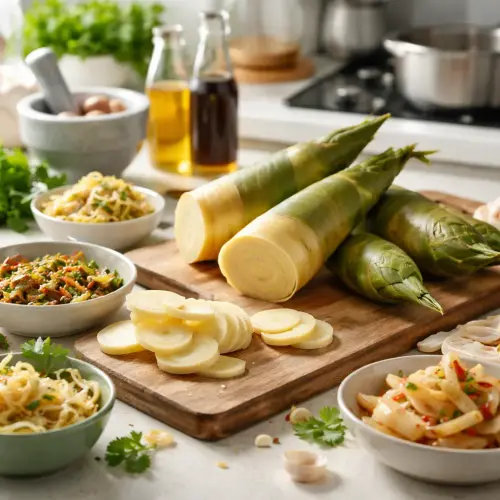
bamboo shoots modern kitchen Key Takeaways
Bamboo shoots are a hidden gem in the world of sustainable cooking ingredients , offering a crisp texture and mild flavor that elevate everything from stir-fries to salads.
- Bamboo shoots are one of the fastest-growing sustainable crops, requiring minimal water and no pesticides.
- They pack fiber, potassium, and antioxidants into a low-calorie, low-fat package.
- From quick weeknight dinners to meal-prep showstoppers, healthy bamboo shoots recipes are easier than you think.
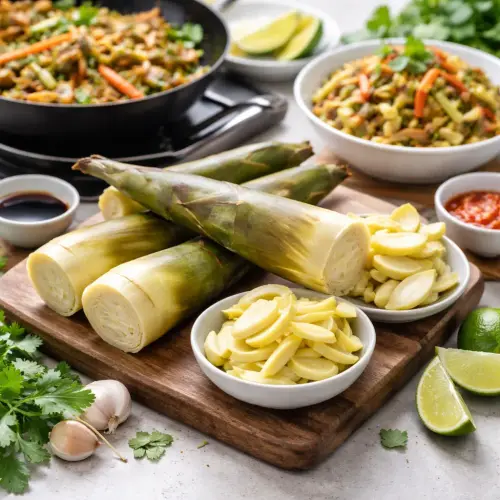
Why bamboo shoots modern kitchen Matters Right Now
The modern kitchen isn’t just about stainless steel appliances and open shelving. It’s a laboratory for flavor, health, and ethics. As home cooks look for ingredients that check all three boxes, bamboo shoots emerge as an underdog worth betting on. They grow fast, cook quickly, and adapt to nearly any cuisine — from Thai curries to Mexican tacos. More importantly, choosing bamboo shoots aligns with a lower environmental footprint. Every time you toss a handful into a stir-fry, you’re supporting a crop that regenerates without tilling, uses far less water than most vegetables, and sequesters carbon in its root system. That’s a lot of good from one unassuming shoot.
Bamboo shoots also bring a satisfying crunch that holds up to high heat. Whether you buy them fresh, canned, or vacuum-packed, they absorb surrounding flavors without becoming mushy. This versatility makes them a staple for anyone exploring global healthy bamboo shoots recipes. Let’s count down the top reasons to make space for bamboo shoots in your pantry.
Reason 5: Bamboo Shoots Are a Sustainability Superstar
If your kitchen values lean toward eco-friendly choices, bamboo shoots deserve a permanent spot on your shopping list. Unlike conventional vegetables that need constant replanting, bamboo is a perennial grass. Once established, a grove produces shoots year after year with minimal human intervention. Farmers don’t need to plow the soil, which prevents erosion and keeps carbon stored underground.
Water usage is another win. Bamboo requires about one-third the water of an equivalent crop of corn or soy. And because bamboo naturally resists most pests, synthetic pesticides are rarely needed. Choosing bamboo shoots modern kitchen staples means voting for agricultural practices that regenerate rather than deplete the land. It’s a small swap that adds up across meals.
What This Means for Your Grocery Budget
Sustainability doesn’t have to cost more. Canned bamboo shoots are often priced below fresh green beans or asparagus. Vacuum-packed shoots, which retain more texture, are still budget-friendly. Buying them from Asian markets or bulk bins can further reduce cost and packaging waste.
Reason 4: They’re a Nutritional Powerhouse in a Low-Calorie Package
One cup of sliced bamboo shoots contains roughly 25 calories, 2 grams of fiber, and a surprising amount of potassium — more than a medium banana. They also provide copper, vitamin B6, and a range of antioxidants that help fight inflammation. For anyone managing blood sugar or weight, bamboo shoots offer bulk and satiety without spiking glucose.
Fiber is the standout nutrient. The shoots contain both soluble and insoluble types, supporting digestion and feeding beneficial gut bacteria. Adding them to meals can help you reach the daily fiber target without resorting to supplements. That’s one reason healthy bamboo shoots recipes are gaining traction among dietitians and food bloggers alike.
Simple Way to Boost Your Plate
Toss a handful of rinsed canned shoots into a bowl of ramen, a sheet-pan roast, or a cold noodle salad. They add volume and texture without extra oil or sugar. For a quick side, sauté them with garlic, ginger, and a splash of soy sauce.
Reason 3: Incredible Versatility Across Cuisines
Bamboo shoots are chameleons in the kitchen. In Thai cooking, they star in tom kha kai and green curry. Japanese chefs slice them thin for miso soup or simmer them in soy broth as a side dish called takenoko no nimono. Chinese stir-fries often pair them with pork, tofu, or preserved vegetables. But the possibilities go well beyond Asia.
Try julienned shoots in a crunchy slaw with lime and cilantro. Add them to a breakfast hash with sweet potatoes and eggs. Use them as a pizza topping alongside mushrooms and red onion. Their neutral flavor means they take on whatever spices, sauces, or herbs you love. This adaptability makes bamboo shoots modern kitchen a versatile secret weapon for reducing food waste — use them anywhere you’d use water chestnuts, celery, or jicama.
Quick Global Recipe Ideas
- Thai green curry with bamboo shoots, bell pepper, and coconut milk
- Mexican-style tacos with shredded chicken, bamboo slaw, and chipotle crema
- Italian-inspired pasta primavera with bamboo, cherry tomatoes, and basil
Reason 2: Minimal Prep Time Means Faster Weeknight Dinners
Fresh bamboo shoots require peeling and boiling to remove bitterness. But the most convenient forms — canned, jarred, or vacuum-packed — are ready to eat straight from the package. Just drain, rinse, and they’re good to go. That eliminates one more barrier to cooking from scratch on a busy Tuesday.
Because bamboo shoots don’t need long cooking, you can add them in the last few minutes of a stir-fry or soup. They warm through quickly without losing their snap. For meal prep, drain a few cans on the weekend and store the shoots in an airtight container in the fridge. Then toss them into lunches and dinners all week long.
Time-Saving Trick
Keep a couple of cans in the pantry at all times. When you’re staring at an almost-empty fridge, bamboo shoots can turn a random collection of vegetables and protein into a cohesive stir-fry or curry in under 20 minutes.
Reason 1: They Elevate Texture Without Overpowering Flavor
The number one reason bamboo shoots deserve the spotlight? Texture. In a world of mushy vegetables and soft grains, bamboo shoots deliver a distinct, pleasant crunch that holds up even after reheating. That texture contrast makes every bite more interesting. It’s the same reason chefs love water chestnuts — but bamboo shoots are more sustainable, more widely available, and often cheaper.
Their mild flavor means they won’t clash with bold sauces or delicate broths. Instead, they act as a textural backbone that lets other ingredients shine. If you build a dish around bamboo shoots modern kitchen style, you’re giving people something to remember. Serve a curry with tender chicken, creamy sauce, and those little crunchy pockets of bamboo, and suddenly dinner feels restaurant-quality.
How to Get the Best Crunch
Don’t overcook them. Add shoots in the last two minutes of cooking, or use them raw in salads. If using canned, a quick rinse removes any metallic flavor. Pat them dry before stir-frying to avoid steaming.
Useful Resources
Explore these credible sources to deepen your knowledge of bamboo shoots and sustainable eating.
- BBC Good Food: Bamboo Shoots Glossary and Usage Tips
- Healthline: Nutrition Facts and Health Benefits of Bamboo Shoots
Frequently Asked Questions About bamboo shoots modern kitchen
Are bamboo shoots safe to eat raw?
Fresh bamboo shoots contain natural cyanogenic glycosides that break down during cooking. Raw shoots can cause digestive upset. Always boil fresh shoots for at least 20 minutes, then rinse. Canned or vacuum-packed shoots are pre-cooked and safe to eat without further cooking.
How do I store fresh bamboo shoots ?
Wrap fresh whole shoots in a damp paper towel, place them in a perforated plastic bag, and refrigerate for up to one week. Peeled shoots should be submerged in water and changed daily. For longer storage, blanch and freeze.
Can I use bamboo shoots in a keto diet?
Yes. Bamboo shoots are low in net carbs — about 2 grams per cup — making them a great crunchy addition to keto stir-fries, salads, and soups. They also add fiber, which helps maintain ketosis.
What do bamboo shoots taste like?
They have a very mild, slightly nutty flavor with a hint of sweetness. Their texture is crisp and juicy, similar to a tender water chestnut or a firm pear. They absorb the flavors of whatever they’re cooked with.
Are canned bamboo shoots healthy?
Yes, but check the label for added salt or preservatives. Rinsing canned shoots reduces sodium by about 40%. They retain most of their fiber and minerals, making them a convenient pantry staple for quick meals.
Where can I buy bamboo shoots ?
They are widely available in the international aisle of most grocery stores, at Asian markets, and online. Fresh shoots appear in spring at farmers’ markets and specialty produce stores. Canned and vacuum-packed versions are available year-round.
Do I need to peel bamboo shoots ?
Yes, fresh bamboo shoots have tough, fibrous outer layers that must be removed. Slice off the tip, then make a lengthwise cut through the layers to peel them away. The inner core is tender and edible.
Can I freeze bamboo shoots ?
Yes. Blanch fresh shoots in boiling water for 5 minutes, drain, cool, and pack in freezer bags. Canned shoots can be frozen directly in their liquid or drained. They retain texture for up to 6 months.
What cuisines use bamboo shoots most often?
They are central to many Asian cuisines, including Thai, Chinese, Japanese, Korean, and Vietnamese. They also appear in Nepalese, Indonesian, and Filipino dishes. Chefs around the world now incorporate them in fusion and plant-forward menus.
Are bamboo shoots gluten-free?
Yes, bamboo shoots are naturally gluten-free. Always check packaging if you have celiac disease, because some canned varieties may contain sauces or additives with gluten. Plain shoots are safe.
How do I reduce the bitterness in bamboo shoots ?
Fresh shoots can be bitter if not properly prepared. Boil them for 20-30 minutes, then cool them in cold water. Adding a pinch of rice flour or a splash of vinegar to the boiling water also helps draw out bitterness.
Can I substitute bamboo shoots for water chestnuts?
Yes. Bamboo shoots have a similar crunch and mild flavor. They work in any recipe that calls for water chestnuts, such as chop suey, lettuce wraps, or stir-fries. The texture is slightly more fibrous but equally satisfying.
What is the best way to cook bamboo shoots for soup?
Add pre-cooked shoots directly to the broth in the last 5 minutes of simmering. For fresh shoots, boil them first, then slice and add to the soup. They absorb the broth flavor while staying crisp.
Are bamboo shoots a common allergen?
Allergies to bamboo shoots are rare but reported. Symptoms may include oral itching or digestive discomfort. If you have a sensitivity to grasses or other members of the Poaceae family, consult an allergist before consuming.
How much water do bamboo shoots contain?
Bamboo shoots are about 90% water, which contributes to their low calorie density. This high water content also makes them hydrating and refreshing in salads and cold dishes.
Can bamboo shoots help with weight loss?
Yes. They are low in calories (around 25 per cup), high in fiber, and provide volume that promotes fullness. Swapping higher-calorie ingredients with bamboo shoots can reduce overall meal energy density.
Are there different varieties of bamboo shoots ?
Yes. Common edible species include Phyllostachys edulis (Moso), Bambusa vulgaris, and Dendrocalamus. Moso shoots are prized for their delicate flavor and are most commonly used in Japanese cuisine. Each variety has a slightly different texture and sweetness.
Do bamboo shoots need to be fermented?
Not necessarily. While some cultures ferment bamboo shoots to make products like khow suey or sandharni, most commercial shoots are simply boiled and canned. Fermented shoots have a sour, umami note and are used in pickled relishes and curries.
Can I grow my own bamboo shoots ?
If you have enough space and a climate with warm summers, you can grow edible bamboo. Moso bamboo is a good choice. Harvest shoots when they are about 6-8 inches tall, before the outer layer toughens. Be aware that bamboo can spread aggressively; use a root barrier.
What is the best way to use canned bamboo shoots ?
Drain and rinse them under cold water to remove any metallic or salty taste. Pat them dry for stir-fries, or add them directly to soups and curries. They can also be sliced thinly and used raw in salads, spring rolls, or wraps.