

stir-frying rebung Key Takeaways
Stir-frying rebung properly transforms raw bamboo shoots into a tender, flavorful dish that absorbs aromatics and spices.
- Always blanch or boil fresh rebung first to remove natural toxins and bitterness before stir-frying.
- Use high heat and a well-seasoned wok or skillet for that signature smoky wok hei flavor.
- Balance the dish with classic Southeast Asian ingredients like shrimp paste, coconut milk, or chilies for depth.
Understanding Stir-Frying Rebung: Why Preparation Matters
Rebung (bamboo shoots) is a crisp, slightly sweet vegetable prized in Malaysian, Indonesian, and Thai cuisine. However, raw shoots contain a cyanogenic compound that must be broken down through heat and water. Proper preparation ensures safety and removes bitterness, letting the natural earthy flavor shine. Whether you choose young tender shoots or larger mature ones, the step that follows—blanching, boiling, or fermenting—determines the final texture and taste of your stir-fried rebung. For a related guide, see Rebung Chips: Easy 4-Step Guide to Crispy Keripik Rebung.
The Science Behind Bamboo Shoot Bitterness
Raw bamboo shoots contain taxiphyllin, a toxin that breaks down at high temperatures. Boiling or blanching in salted water neutralizes this compound and softens the shoots’ fibrous structure. Skipping this step not only risks an unpleasant acrid taste but also reduces the vegetable’s ability to absorb sauces and aromatics during stir-frying.
Step-by-Step: Preparing Rebung for a Perfect Tumis Rebung
Follow this sequence to prep your shoots like a pro. The key is to reduce cooking time on the stove while maximizing flavor penetration.
Step 1: Choose and Clean the Shoots
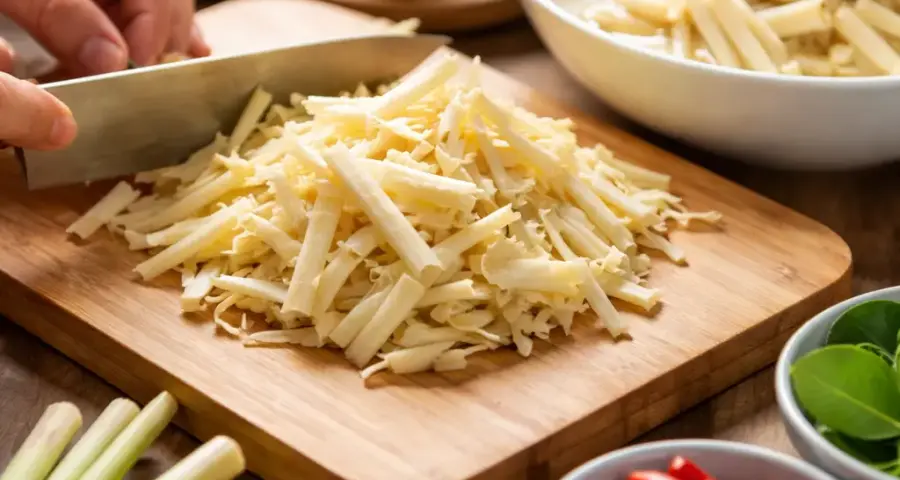
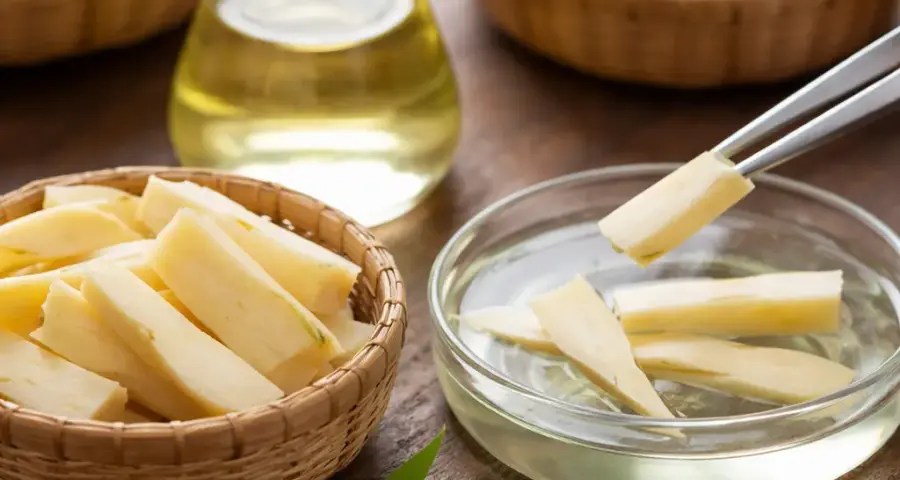
Select fresh, firm shoots with tightly layered husks. Avoid any that feel slimy or have a sour smell—these are past their prime. Peel away the tough outer layers until you reach the pale, tender core. Slice the inner shoot into thin matchsticks or bite-sized strips; thinner cuts cook faster and absorb seasonings better.
Step 2: Blanch or Boil to Remove Toxins
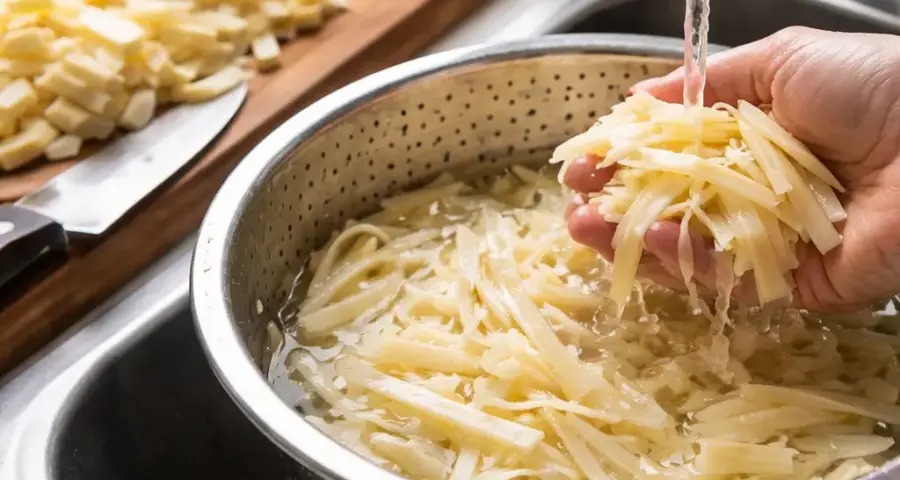
Bring a large pot of salted water to a rolling boil. Add the sliced rebung and boil for 8–10 minutes (for young shoots) or up to 15 minutes for mature ones. Drain and rinse under cold water. Some cooks add a pinch of turmeric to the water to reduce bitterness further. After boiling, the shoots should be tender enough to pierce with a fork but still hold their shape.
Step 3: Press Out Excess Moisture
Once cooled, gently press the shoots between paper towels or a clean kitchen cloth. Removing excess liquid prevents the stir-fry from turning watery and ensures the shoots brown nicely when they hit the wok.
Cooking Techniques: How to Achieve Restaurant-Quality Stir-Frying Rebung
Now that the shoots are prepped, the actual stir-frying takes less than 5 minutes. The following steps guarantee that signature smoky aroma and balanced seasoning.
Use the Right Pan and Heat
A carbon steel wok heats up quickly and retains high temperatures, which is essential for stir-frying rebung. If you do not own a wok, a heavy-bottomed skillet works—just make sure it’s large enough to hold all the shoots in a single layer. Preheat the pan on high heat until a drop of water sizzles and evaporates immediately.
Build the Aromatics First
Add oil with a high smoke point (coconut, peanut, or avocado) and flash-fry aromatics like sliced shallots, garlic, and red chilies. Crush a piece of fresh turmeric or ginger for extra depth. Once fragrant—about 20 seconds—add the blanched shoots and toss vigorously.
Season and Finish
Season with salt, a splash of fish sauce or soy sauce, and a pinch of sugar. For a richer tumis rebung, stir in a tablespoon of dried shrimp paste (belacan) or a splash of coconut milk. Toss everything for 2–3 minutes until the shoots are heated through and coated. Finish with a squeeze of lime and fresh herbs like basil or coriander.
Common Mistakes When Stir-Frying Rebung and How to Fix Them
Even experienced cooks can run into trouble. Here are three typical issues and their solutions.
| Mistake | Cause | Fix |
|---|---|---|
| Bitter or metallic taste | Under-boiled or skipped blanching | Boil at least 8 minutes; change water once if bitterness persists. |
| Mushy texture | Overcooking or using too much water | Drain and pat dry before stir-frying; cook only 2–3 minutes. |
| Watery stir-fry | Shoots not pressed dry enough | After boiling, press firmly with towels before tossing into the wok. |
Variations to Try: From Classic Tumis Rebung to Fusion Twists
The beauty of stir-frying rebung lies in its adaptability. Here are three ways to change the flavor profile.
Classic Malay Tumis Rebung with Coconut Milk
Bloom dried shrimp paste (belacan) in oil, then sauté shallots, garlic, and bird’s eye chilies. Add the blanched shoots and a ladle of thick coconut milk. Simmer gently for 5 minutes until the sauce reduces. Season with salt and a dash of tamarind juice. Serve with steamed rice and fried anchovies.
Spicy Thai-Style Stir-Fried Rebung
Use red curry paste as your base. Stir-fry a tablespoon of paste in oil until fragrant, then toss in the shoots. Add fish sauce, palm sugar, and lime leaf slivers. Garnish with Thai basil and sliced red chili. This version pairs wonderfully with grilled fish or chicken.
Quick Vegan Bamboo Shoot Stir-Fry
Replace shrimp paste with fermented bean paste (douchi) or miso. Use soy sauce or tamari for umami, and add a generous handful of green beans or bell peppers for color. A splash of sesame oil at the end gives a nutty finish.
Serving Suggestions for Your Stir-Fried Rebung
This dish works as a main or a side. Serve it alongside fragrant coconut rice, fried fish, or grilled meats. For a complete meal, pair tumis rebung with sambal belacan, a fried egg, and crispy anchovies. Leftovers keep well in the fridge for two days—reheat in a hot pan, not the microwave, to restore some crunch.
Useful Resources
For a deeper dive into bamboo shoot safety, refer to the FDA guidance on fresh vegetables. To explore more Southeast Asian stir-fry techniques, check out Saveur’s guide to wok cooking.
Frequently Asked Questions About stir-frying rebung
Do I have to boil rebung before stir-frying?
Yes, you must boil or blanch fresh bamboo shoots to break down natural toxins and reduce bitterness. Skipping this step can cause digestive discomfort and a harsh taste. For a related guide, see Rebung Steaming Guide: 5 Expert Tips for Bamboo Steamers.
Can I use canned or jarred bamboo shoots for stir-frying?
Yes, canned shoots are already cooked. Drain them well, rinse thoroughly, and pat dry before stir-frying. They will have a softer texture than fresh ones.
How long should I blanch fresh rebung?
Young shoots need 8–10 minutes, while mature shoots may require up to 15 minutes. Test tenderness with a fork before draining.
Why is my stir-fried rebung bitter even after boiling?
Sometimes one boil isn’t enough, especially for older shoots. Try a second boil with fresh salted water, or add a pinch of turmeric to the water to help neutralize bitterness.
What oil is best for stir-frying rebung?
Use oils with a high smoke point: coconut oil, peanut oil, grapeseed oil, or avocado oil. They withstand high heat without burning.
Can I prepare rebung ahead of time?
Yes, blanch and dry the shoots, then store them in an airtight container in the fridge for up to 2 days. Stir-fry just before serving.
Do I need a wok to stir-fry rebung?
Not necessarily—a large, heavy-bottomed skillet works well. Just make sure it gets very hot and has enough room to toss the ingredients.
What is tumis rebung?
Tumis rebung is an Indonesian/Malay stir-fried bamboo shoot dish, typically cooked with shallots, garlic, chilies, and often coconut milk or belacan (shrimp paste).
How do I get that smoky wok hei flavor at home?
Use a carbon steel wok on the highest heat, avoid overcrowding the pan, and toss ingredients quickly. A splash of soy sauce hitting the hot wok also releases steam and aroma.
Can I freeze stir-fried rebung ?
Freezing is not recommended because the texture becomes mushy upon thawing. It’s best enjoyed fresh.
What proteins pair well with tumis rebung?
Chicken, shrimp, tofu, or tempeh all work beautifully. Add them after the aromatics and cook through before tossing in the shoots.
Is rebung the same as bamboo shoot?
Yes, “rebung” is the Malay and Indonesian word for bamboo shoots. In English cooking contexts, it refers to any edible young bamboo shoot.
How thin should I slice the shoots?
Slice into ⅛-inch thick matchsticks or strips—thin enough to cook quickly but thick enough to retain some crunch after stir-frying.
Can I add coconut milk to tumis rebung?
Absolutely, coconut milk adds richness and balances spice. Add it after the shoots are coated in aromatics, then simmer briefly.
Why does my stir-fry turn out watery?
Most likely the blanched shoots were not pressed dry enough. Always pat them thoroughly before adding to the hot wok.
What if I can’t find fresh rebung?
Frozen or vacuum-sealed bamboo shoots are good alternatives. Thaw and blanch them briefly before stir-frying to remove any tinny flavor.
How do I reduce the fishy smell from belacan (shrimp paste)?
Toast the belacan in a dry pan for 1–2 minutes before using, or fry it in oil with garlic—this mellows the pungency and releases a savory aroma.
Can I make tumis rebung without shrimp paste?
Yes, use fermented bean paste, miso, or extra fish sauce as a substitute. Each will change the flavor but still deliver a savory kick.
Is stir-fried rebung spicy?
It can be, but you control the heat by adjusting the number of chilies. Omit them entirely for a mild, kid-friendly version.
What is the best way to reheat leftover stir-fried rebung ?
Reheat in a hot wok or pan with a splash of water or coconut milk for 1–2 minutes. Microwaving will make it soggy.