
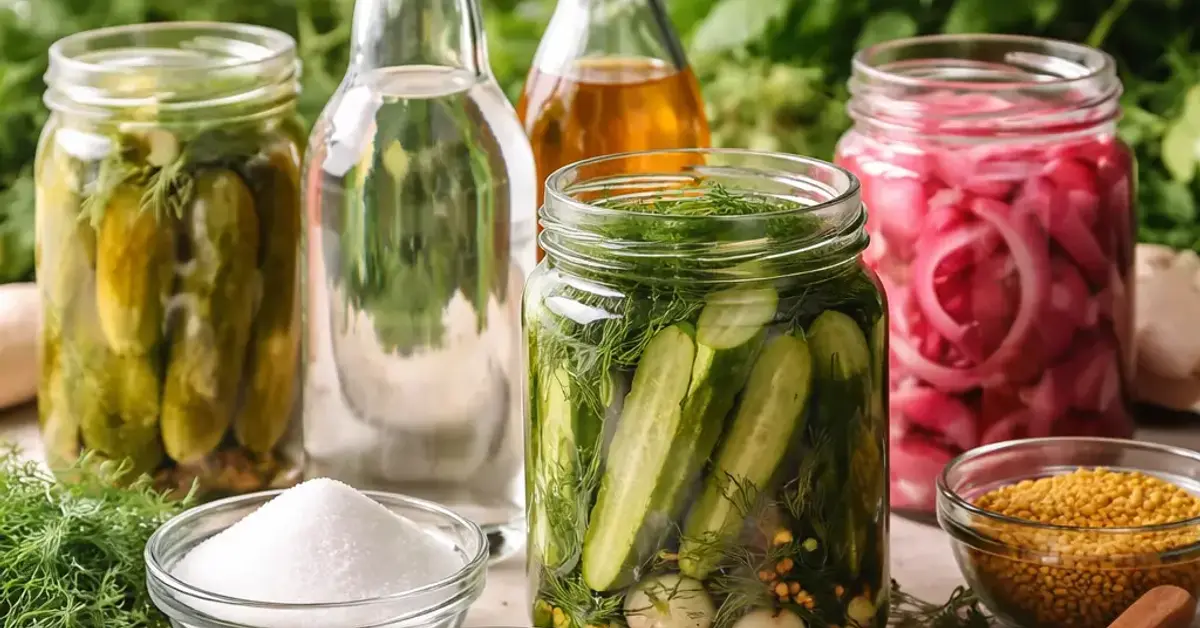
vinegar ratio Key Takeaways
Getting the vinegar ratio right is the single most important factor for safe, crisp, and flavorful pickles.
- The ideal vinegar ratio for quick-pickles is 1:1 vinegar to water by volume, adjusted for acidity.
- Sugar in pickling balances tartness, adds body, and helps preserve texture, but it is optional in fermented recipes.
- A quick pickle vs fermented decision hinges on your timeline, flavor goals, and refrigeration capacity.
Why Your vinegar ratio Matters More Than You Think
Whether you are a home canner or a restaurant chef, the vinegar ratio determines safety, texture, and taste. Too little acid and pathogens can survive. Too much and your pickles become harsh, unpleasantly sour, or mushy. The standard recommendation from the National Center for Home Food Preservation is to use vinegar with at least 5% acidity (50 grain) and maintain a ratio of no less than 1 part vinegar to 1 part water in the brine. This ensures the final pH stays below 4.6, the threshold for botulism prevention. For a related guide, see 3 Best Souring Agents for Rebung: Tamarind, Lime and Vinegar.
Acidity Levels and Brine Balance
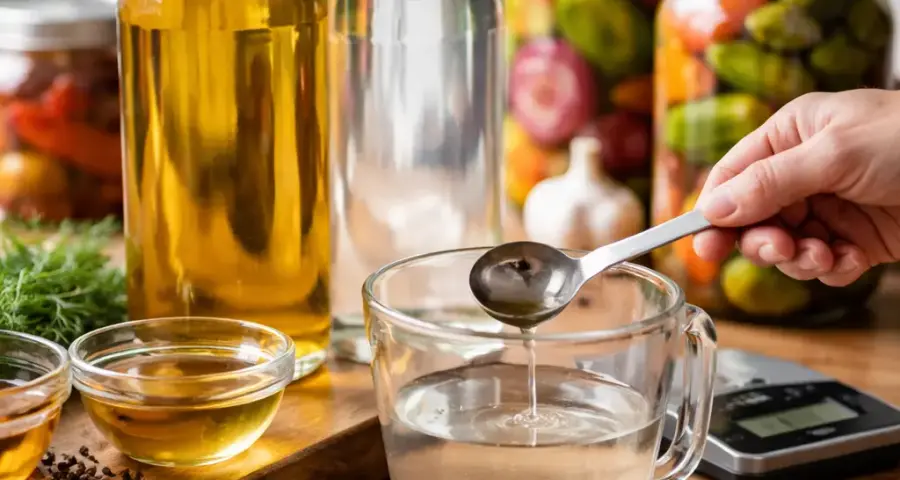
Different vinegars vary in acidity: distilled white vinegar (5%), cider vinegar (5%), and wine vinegars (6–7%). If you use a higher-acid vinegar, you can slightly reduce the vinegar-to-water ratio, but never drop below a 1:1 ratio unless following a tested recipe. The pickling vinegar ratio also affects how well spices infuse—acidic brines extract flavors faster than plain water.
The Role of Sugar in Pickling: Sweetener, Balancer, Preserver
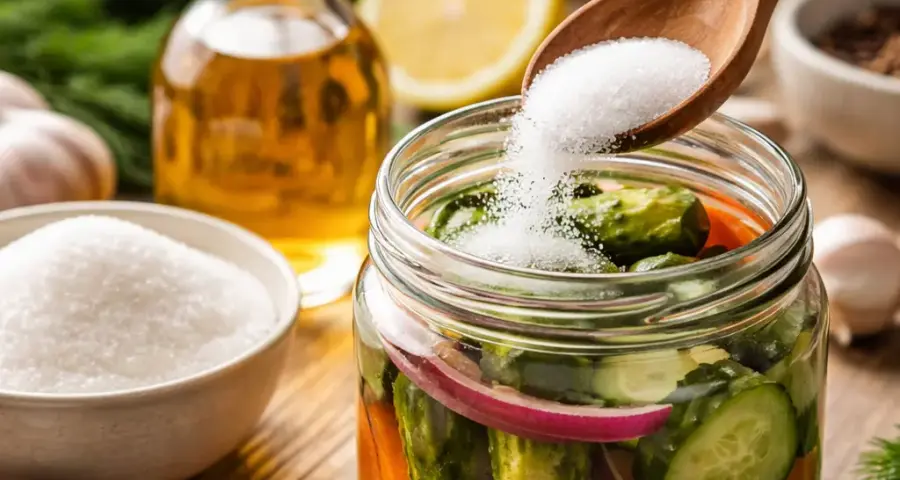
Sugar in pickling does more than add sweetness. It counteracts the sharpness of vinegar, helps retain crunch by strengthening pectin structures in vegetables, and encourages fermentation by feeding beneficial bacteria when used in small amounts. In quick-pickles, sugar is optional but common in bread-and-butter styles. In fermented pickles, sugar is rarely needed because the natural sugars in vegetables are sufficient. For a related guide, see Coconut Milk with Rebung: 5 Fat Content Facts You Need.
| Pickle Type | Typical Sugar per Cup Brine | Primary Role |
|---|---|---|
| Quick dill pickles | 0–1 tablespoon | Balance acidity |
| Bread-and-butter pickles | 2–3 tablespoons | Sweetness + crunch |
| Fermented dill pickles | 0 teaspoons | Salt-only fermentation |
| Sweet fermented pickles | 1–2 teaspoons | Kick-start fermentation |
Common Sugar Mistakes
The biggest error home picklers make is adding too much sugar to fermented recipes, which can slow down beneficial lactobacillus growth and favor yeasts. In quick-pickles, excessive sugar may crystallize or create a syrupy brine that does not penetrate vegetables evenly. Always dissolve sugar fully in hot brine before pouring over produce.
Quick Pickle vs Fermented: A Side-by-Side Comparison
Choosing between quick pickle vs fermented methods depends on your goals. Quick-pickling delivers tangy, ready-to-eat pickles in 24 hours. Fermentation develops complex, probiotic-rich flavors over one to four weeks. Below is a practical breakdown.
Quick-Pickle Method (Refrigerator or Canned)
Quick-pickles rely on a hot vinegar brine to preserve vegetables. They require refrigeration unless properly canned in a water-bath canner. The vinegar ratio is critical—never drop below 50% vinegar in the brine. Vegetables retain a bright, fresh crunch, and flavors are sharp and distinct. This method is ideal for small batches, experimenting with spices, and making pickles without waiting.
Fermentation Method (Lacto-Fermentation)
Fermentation uses salt (typically 2–5% of water weight) to create an anaerobic environment where friendly bacteria thrive. No vinegar is added initially; acidity develops naturally. The final pH often drops well below 4.6, thanks to lactic acid. Fermented pickles have a deeper, more nuanced flavor, softer crunch, and gut-healthy probiotics. They do not require canning and keep for months in a cool cellar or refrigerator.
When to Choose Each Method
- Choose quick-pickling when you need pickles in under 48 hours, want a bright acidic tang, or are canning for long-term shelf storage.
- Choose fermentation when you want complex umami flavors, probiotic benefits, or a traditional preservation method without vinegar.
- Consider a hybrid approach: use a quick-pickle brine for vegetables that ferment poorly (like green beans) or ferment cucumbers then finish with a light vinegar brine for extra shelf stability.
A Practical Fermentation Pickling Guide for Beginners
Starting with fermentation may feel intimidating, but it is straightforward once you understand a few core principles. This fermentation pickling guide covers the essentials for safe, delicious results.
Step 1: Choose the Right Container
Use glass jars, ceramic crocks, or food-grade plastic containers. Avoid metal, which reacts with acid. A standard quart mason jar works well for small batches. Ensure your vessel is clean and sanitized.
Step 2: Calculate the Brine
The classic ratio is 2 tablespoons of non-iodized salt (such as pickling salt or kosher salt) per quart of water. This yields about a 3.5% brine, ideal for cucumbers. For vegetables with higher water content (like cabbage for sauerkraut), use 2–3% salt by weight of the vegetables.
Step 3: Submerge and Weigh Down
Keep vegetables completely below the brine surface to prevent mold. Use a clean glass weight, a ziplock bag filled with brine, or a fermentation lid with an airlock. Oxygen is the enemy of safe fermentation.
Step 4: Ferment at the Right Temperature
Aim for 65–72°F (18–22°C). Higher temperatures speed fermentation but risk softening texture and off-flavors. Lower temperatures slow the process but produce cleaner, crunchier pickles. Taste after 5 days, then every few days until the flavor is to your liking.
7 Smart Fixes for Common vinegar ratio Mistakes
- Too sour: Dilute the brine with water or add a small amount of sugar. For quick-pickles, you can also blend in a milder vinegar like rice vinegar.
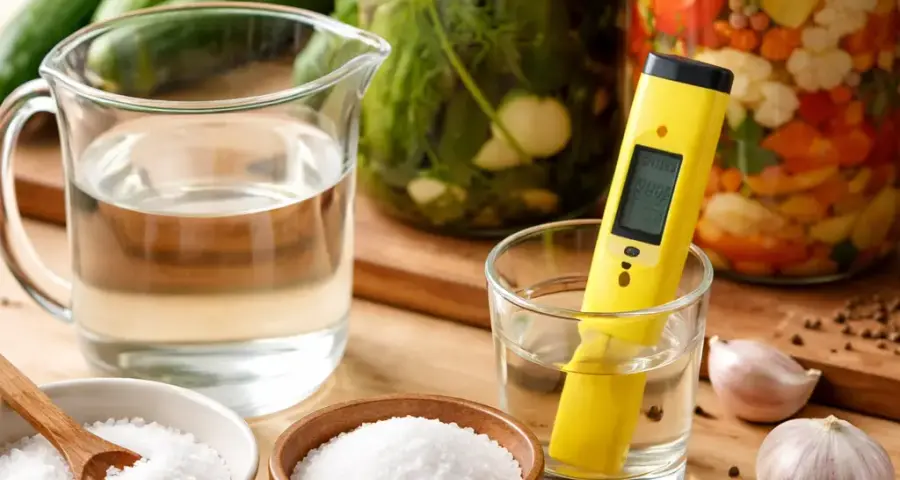
- Not sour enough (unsafe pH): Add more vinegar and re-heat the brine. Use litmus paper to verify pH below 4.6.
- Mushy pickles: Reduce the vinegar ratio slightly (but stay safe) and add a calcium source like pickle crisp granules or a grape leaf.
- Too sweet: Reduce sugar in future batches. For existing pickles, pour off some brine and replace with plain vinegar-water mix.
- Cloudy brine: Normal in fermentation (lactic acid bacteria). In quick-pickles, cloudiness may mean spoilage—check for off-odors and discard if questionable.
- Fermentation mold on top: Skim immediately and ensure vegetables stay submerged. Add extra brine if needed. Discard if mold is widespread or smells foul.
- Flat flavor: Increase salt or sugar slightly, add fresh aromatics (dill, garlic, peppercorns), or extend fermentation time for deeper complexity.
Useful Resources
For detailed safety guidelines and tested recipes, visit the National Center for Home Food Preservation. For a deeper dive into fermentation science, check out the Spruce Eats’ fermentation guide.
Frequently Asked Questions About vinegar ratio
What is the best vinegar ratio for quick pickles?
A 1:1 ratio of 5% acidity vinegar to water is the safest and most versatile starting point for quick pickles. You can adjust based on desired tartness, but never use less than half vinegar.
Can I use apple cider vinegar in a fermented pickle?
Yes, but only after fermentation is complete if you want a flavored brine. Adding vinegar early can inhibit the natural lactobacillus fermentation process.
Does sugar in pickling prevent spoilage?
No, sugar alone does not preserve pickles. It can help feed beneficial bacteria in fermentation, but it is not a substitute for sufficient acidity or salt.
How do I know if my quick-pickle vinegar ratio is safe?
Use pH test strips to confirm the brine pH is below 4.6. If you cannot test, stick to tested recipes from trusted sources like the NCHFP.
Can I reuse brine from a quick pickle?
Reusing brine is not recommended because the vinegar concentration drops and the brine may harbor spoilage organisms. Always start fresh for safety.
What vegetables work best for quick pickling?
Cucumbers, carrots, radishes, red onions, green beans, cauliflower, and bell peppers are excellent. Avoid very watery vegetables like celery that dilute the brine.
Why are my fermented pickles soft?
Softness can result from too high fermentation temperature, insufficient salt, or using cucumbers that are not fresh. Adding a tannin source (grape leaf, oak leaf) helps firmness.
Is quick pickle vs fermented better for crunch?
Quick-pickles generally retain more crunch because they are not broken down by enzymes over time. Fermented pickles soften gradually, but you can optimize crunch with salt and temperature control.
How long do quick pickles last in the fridge?
Refrigerator quick-pickles last 2–3 months if kept below 40°F. Opened jars should be consumed within 4 weeks for best quality.
Can I ferment pickles without salt?
Salt is essential for safe fermentation—it prevents harmful bacteria and supports lactobacillus growth. Without salt, you risk spoilage and unsafe pathogens.
What is the ideal sugar in pickling for bread-and-butter style?
Most bread-and-butter recipes call for 2/3 to 1 cup of sugar per quart of brine. This provides the characteristic sweet-tangy balance.
Do I need to boil the brine for a quick pickle?
Yes, boiling the brine helps dissolve salt and sugar and ensures even distribution of vinegar. Pour it hot over the vegetables for faster pickling.
Can I use white vinegar for fermentation pickling guide ?
In a fermentation guide, white vinegar is not used in the fermentation itself. You might add it later if you switch to a vinegar brine for storage.
What happens if my vinegar ratio is too low?
A too-low vinegar ratio means the brine may not reach a safe pH, allowing mold, yeast, or pathogenic bacteria to grow. Always test the ratio.
How does sugar in pickling affect texture?
Sugar helps preserve cell structure by interacting with pectin, resulting in firmer pickles. This is especially noticeable in sweet pickle recipes.
Can I mix vinegars to adjust vinegar ratio?
Yes, mixing vinegars can create more complex flavor profiles. Just ensure the total acidity remains at least 5% and the final ratio is 1:1 or higher.
Why do my quick pickles taste like metal?
A metallic taste can come from using reactive cookware (aluminum, copper) or iodine in table salt. Use stainless steel, glass, or enamel and pickling salt.
Is quick pickle vs fermented more cost-effective?
Fermented pickles cost less because they use only salt and vegetables—no vinegar or sugar. However, they require more time and temperature management.
Can I can fermented pickles after fermentation?
Yes, you can water-bath can fermented pickles to stop fermentation and extend shelf life. Expect some loss of crunch and probiotic content.
What is the most common vinegar ratio mistake beginners make?
The most common mistake is using a 2:1 water-to-vinegar ratio to save money, resulting in pickles that are not safe for shelf storage and may spoil even in the fridge.