
induct method gulai rebung Key Takeaways
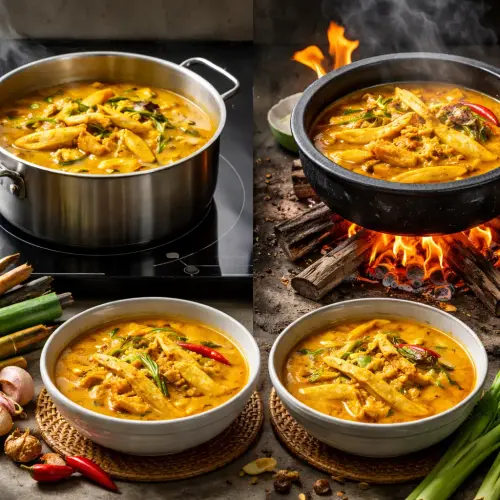
induct method gulai rebung explores how modern induction and traditional wood-fire stoves produce vastly different results for this iconic Indonesian bamboo shoot curry.
- The induct method gulai rebung delivers consistent heat and shorter cooking times, ideal for busy home cooks.
- Wood-fire cooking adds complex smoky notes but demands patience and attention to fire management.
- Your final decision balances texture, taste, and convenience — both methods can yield a delicious gulai rebung.
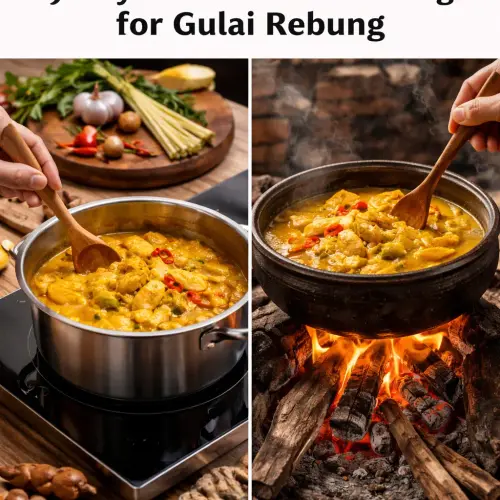
Why the Induct Method Gulai Rebung Debate Matters for Home Cooks
Gulai rebung is a beloved Indonesian dish made from tender bamboo shoots simmered in a rich, spiced coconut milk gravy. The cooking method influences everything from the aroma to the mouthfeel of the bamboo. With modern kitchens increasingly relying on induction cooktops, many cooks wonder: can you still achieve the soulful taste of a wood-fire gulai? Understanding the differences helps you adapt recipes without losing the essence of the dish. For a related guide, see Rebung Chef: 5 Powerful Traditions Behind Kitchen and Shoots.
The Modern Approach: Induction Cooking Gulai
Induction cooking gulai relies on electromagnetic coils that heat the pan directly. This method is clean, fast, and highly controllable. For a dish like gulai rebung, which requires gentle simmering to soften bamboo shoots and blend spices, induction can be a reliable partner. For a related guide, see Rebung Chef: 7 Proven Ways to Redefine Culinary Talent Beyond Vegetables.
Precise Temperature Control
Induction cooktops respond almost instantly to adjustments. You can bring the coconut milk to a gentle bubble, then reduce the heat to a steady simmer with a simple twist. This prevents scorching — a common problem when cooking milky gravies over high heat.
Faster Cooking Times
Because induction heats the pan directly, it reduces the overall cooking time by 20–30% compared to gas or electric. For a busy weeknight, this is a clear advantage. Your gulai rebung can be table-ready in under 40 minutes, including prep.
Consistency Every Time
With induction, you eliminate temperature fluctuations. The gravy thickens evenly, spices release their oils uniformly, and bamboo shoots cook through without becoming mushy. This consistency is a major plus for cooks who value repeatable results.
The Traditional Path: Wood Fire Cooking Indonesian Style
Wood fire cooking Indonesian dishes like gulai rebung involves a clay or steel pot placed over an open wood flame. It is a method rooted in tradition, often used in village kitchens or during festive gatherings. The process is slower, but many argue the flavor payoff is unmatched.
Smoky Depth in Every Spoonful
The wood fire imparts a gentle smokiness that permeates the coconut gravy. This complexity cannot be duplicated by any modern appliance. For purists, this smoky undertone is the soul of authentic gulai rebung.
Even Heat Distribution Through Embers
Seasoned cooks arrange embers around the pot to create a steady, enveloping heat. This mimics a slow-cooking environment that allows flavors to meld deeply. The bamboo shoots absorb the spice paste more thoroughly, resulting in a more integrated taste.
Ritual and Patience
Wood-fire cooking demands attention. You must monitor the flame, add fuel, and stir frequently to prevent burning. While labor-intensive, many find this ritual rewarding — connecting the cook to the meal in a way that quick methods cannot replicate.
Side-by-Side Comparison: Modern vs Traditional Cooking for Gulai Rebung
| Factor | Induction | Wood Fire |
|---|---|---|
| Flavor Profile | Clean, pure spice taste | Rich, smoky complexity |
| Texture of Bamboo Shoots | Tender-firm, consistent | Very tender, almost buttery |
| Cooking Time | 25–35 minutes | 45–60 minutes |
| Temperature Control | Instant, precise | Gradual, requires skill |
| Ease of Cleanup | Quick, no soot | Ash and pot scrubbing |
| Authenticity | Adapted modern | Traditional, cultural |
| Energy Efficiency | ~85% energy transfer | Lower, varies by wood |
| Cost Over Time | Electricity cost | Wood supply, higher |
How to Choose Your Gulai Rebung Methods Based on Taste and Lifestyle
Your choice between induction and wood-fire should reflect your priorities. If you cook often and value efficiency, induction is the practical winner. If you have time and crave authentic smokiness, wood-fire is worth the effort.
Go Induction When
- You need a quick weeknight dinner.
- You are new to cooking gulai and want reliable results.
- You live in an apartment or area where open flames are restricted.
Go Wood Fire When
- You are preparing a special meal for guests or a holiday.
- You have access to a safe outdoor cooking space.
- You want to experience the traditional Indonesian cooking process.
Tips for Adapting a Gulai Rebung Recipe Between Methods
Whether you choose induction or wood-fire, small adjustments can help you get the best outcome:
- For induction: Use a heavy-bottomed pot with a flat base to avoid hot spots. Start on medium-high to bloom spices, then reduce to low for simmering.
- For wood fire: Soak bamboo shoots overnight to reduce bitterness. Keep a spray bottle of water nearby to tame flare-ups.
- Both methods: Toast the spice paste (garlic, shallots, turmeric, ginger, chili) in oil before adding coconut milk. This deepens the flavor regardless of heat source.
Useful Resources
For a deeper dive into Indonesian spice blends and cooking techniques, check out Indonesia Eats’ authentic gulai rebung recipe. To understand the science behind induction cooking, the U.S. Department of Energy’s induction cooking guide offers clear explanations of efficiency and performance.
Final thought: Whether you embrace the induct method gulai rebung or stick with wood-fire tradition, the key is to cook with fresh ingredients and a generous hand with spices. Both paths lead to a satisfying, aromatic bowl of Indonesian comfort food.
Frequently Asked Questions About induct method gulai rebung
Can I use any pot on an induction cooktop for gulai rebung?
No, you need a pan with a magnetic base, such as stainless steel or cast iron. Aluminum or glass pans will not work.
Does bamboo shoot need to be boiled before cooking gulai rebung?
Yes, fresh bamboo shoots should be boiled for 10–15 minutes to remove bitterness. Canned shoots can be rinsed and used directly.
How long does wood-fire gulai rebung take to cook?
Typically 45 minutes to 1 hour, depending on the wood quality and flame consistency.
Is induction cooking safe for coconut milk?
Yes, as long as you stir frequently and keep the heat on low after the initial boil, coconut milk will not curdle.
What type of wood is best for cooking Indonesian curries?
Hardwoods like mango, jackfruit, or guava wood provide a mild smoke that complements spices without overpowering.
Can I add coconut cream instead of milk in induction gulai rebung?
Yes, but thin it with water to avoid a overly thick gravy. Coconut cream gives a richer texture.
How do I prevent gulai rebung from scorching on induction?
Use a lower heat setting after the initial bubbling and stir every 3–4 minutes. A heavy-bottomed pot also helps distribute heat evenly.
Does wood-fire cooking change the nutritional value of gulai rebung?
Minimal change. Some vitamins sensitive to heat may degrade similarly in both methods. The biggest difference is flavor.
Can I prepare gulai rebung in advance and reheat it?
Yes, it tastes even better the next day. Reheat gently on induction (low heat) or over embers, adding a splash of water if needed.
What is the best substitute for bamboo shoots in gulai rebung?
Young jackfruit or chayote squash can mimic the texture, though the flavor will differ slightly.
Is induction cooking more expensive than wood-fire?
Induction is generally cheaper per meal in urban areas where electricity is stable. Wood-fire can be cost-effective if wood is locally available for free.
Do I need a wok for wood-fire gulai rebung?
A traditional clay pot or a heavy steel wok works well. The wok shape allows easy stirring and prevents spills.
Can I use frozen bamboo shoots for gulai rebung?
Yes, frozen shoots are pre-blanched. Thaw and drain before adding to the curry.
Why does my induction gulai rebung taste flat compared to wood-fire?
You may need to toast spices longer before adding liquid, or add a pinch of smoked paprika to mimic the wood-fire note.
What is the ideal spice ratio for gulai rebung?
A common balance is 2 shallots, 3 garlic cloves, 1 tsp turmeric, 1 tsp ginger, 2 red chilies, and 1 stalk lemongrass per 500g bamboo shoots.
Can I cook gulai rebung on a gas stove instead of induction?
Absolutely. Gas offers adjustable heat but lacks the speed of induction. It is a middle ground between the two methods discussed.
Does wood-fire cooking require constant stirring?
More frequent stirring than induction because heat is less even. Stir every 2–3 minutes once the gravy thickens.
How do I store leftover gulai rebung?
Let it cool completely, transfer to an airtight container, and refrigerate for up to 3 days. Freeze for up to 1 month.
Can I add vegetables other than bamboo shoots?
Yes, green beans, carrots, or potatoes work well and absorb the coconut gravy beautifully.
Is gulai rebung gluten-free?
If you avoid soy sauce and use gluten-free spice blends, yes. Always check labels on packaged spice mixes.