
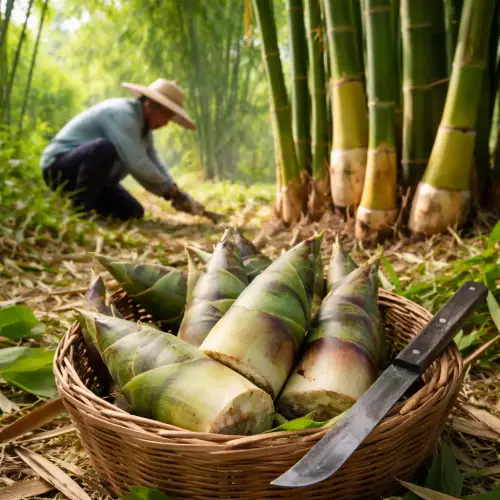
harvesting bamboo shoots benefits Key Takeaways
Bamboo is a marvel of nature, but there is a secret that generations of farmers have known: regularly cutting the young shoots actually strengthens the entire grove.
- Removing young shoots redirects the plant’s energy into producing stronger, thicker mature culms and a more extensive root system.
- Sustainable harvesting mimics natural thinning processes, preventing overcrowding and reducing competition for sunlight and nutrients.
- Adopting these bamboo growth tips from traditional cultures ensures a continuous harvest year after year while improving the overall health of the grove.
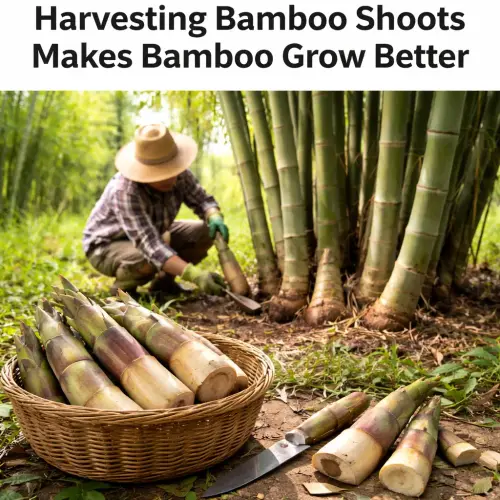
The Surprising Science Behind Harvesting Bamboo Shoots Benefits
Walk into a mature bamboo grove in Japan, China, or Bali, and you will see a rhythmic dance between humans and nature. Farmers move through the stands with curved knives, snipping off tender shoots that have just broken the soil. It feels destructive, but the opposite is true. This age-old practice is one of the most effective bamboo growth tips ever developed.
Bamboo is a grass, and like many grasses, it responds to pruning with compensatory growth. When you remove a young shoot, the parent plant—connected through a vast network of rhizomes—sends a chemical signal to produce more shoots and allocate more resources to the remaining ones. The result is a grove that grows taller and denser than one left entirely alone. For a related guide, see Stuck on Cooking Bamboo Shoots Without the Smell? 3 Best Canning Methods.
Why Local Farmers Have Always Known This
For centuries, farmers in bamboo-rich regions have practiced selective sustainable bamboo harvesting without needing a lab to confirm it. They observed that groves which were thinned out each spring produced larger diameter poles, straighter trunks, and a longer overall lifespan for the stand. This is a perfect example of local wisdom bamboo knowledge passing down through generations.
The key is timing. Harvest too early and the shoot is too tender to transport. Harvest too late and the shoot becomes fibrous and woody. The sweet spot—usually when the shoot is between 20 and 40 cm tall—is when the plant has invested enough energy to trigger a regenerative boost but before the shoot has hardened into a mature culm.
7 Unexpected Ways Harvesting Bamboo Shoots Benefits Your Grove
Let us count the specific ways regular harvesting transforms a bamboo patch from a wild tangle into a productive, healthy forest. Each of these points reinforces why sustainable bamboo harvesting is not just good for the table but essential for the grove.
1. Stronger Culms and Thicker Walls
When you remove the weaker or overly abundant shoots, the rhizome network concentrates its energy into fewer stems. This leads to culms with thicker walls and larger diameters, which are far more valuable for construction and craft. Farmers practicing this sustainable bamboo harvesting method consistently report poles that are 15 to 30 percent stronger than untouched bamboo.
2. Denser Rhizome Networks
Each harvest triggers the rhizomes to branch and send up new feeder rhizomes. Over time, this creates a dense underground mat that holds soil together, prevents erosion, and allows the grove to access water from a broader area. This underground vigor is the foundation of long-term bamboo growth tips that ensure your grove survives droughts and floods.
3. Natural Pest and Disease Control
Thick, crowded groves create humid microclimates perfect for fungal infections and boring insects. By regularly removing shoots, you open up airflow and reduce the density of young, vulnerable tissue. This is one of the most overlooked harvesting bamboo shoots benefits—it acts as a preventative health practice for the entire stand. For a related guide, see The Surprising Truth: Why Harvesting Bamboo Shoots Makes Bamboo Grow Better.
4. Continuous Harvest Across Seasons
Bamboo does not produce shoots all at once. A single rhizome network will push up shoots in successive waves over several months. Regular harvesting encourages the plant to keep producing new shoots rather than shifting into maintenance mode. This means a longer harvest window and more food on your table.
5. Better Light Penetration for Companion Plants
A dense bamboo canopy can block sunlight entirely, killing off understory plants. Sustainable bamboo harvesting that removes a percentage of new shoots each year lets scattered light reach the forest floor, creating space for ferns, herbs, and other plants that enrich the soil and attract pollinators. This diversity is a hallmark of healthy local wisdom bamboo forest management.
6. Reduced Competition for Water
Bamboo is thirsty, but a well-managed grove uses water more efficiently. When you thin the shoots, the remaining plants have access to a larger share of soil moisture. This is crucial in regions with seasonal rainfall, where bamboo growth tips that prioritize water conservation can save the grove during dry spells.
7. Higher Quality Timber for Craft and Construction
The most practical benefit: bamboo poles from regularly harvested groves command higher prices. They are straighter, harder, and more uniform. Whether you are building a house, making furniture, or crafting musical instruments, the wood from a sustainably harvested grove is simply superior. That tangible value makes harvesting bamboo shoots benefits a win for both ecology and economy.
Practical Tips for Sustainable Bamboo Harvesting
Now that you understand the why, here is the how. These bamboo growth tips will help you apply local wisdom to your own property, whether you have a small backyard patch or a multi-acre plantation.
Know Your Bamboo Species
Not all bamboo behaves the same. Clumping varieties like Bambusa vulgaris respond differently to harvesting than running types like Phyllostachys edulis. Research your specific species to understand its shooting cycle and optimal harvest window. This is the most critical of all bamboo growth tips.
Harvest at the Right Stage
The ideal moment is when the shoot is between 20 and 40 cm tall, and the outer sheaths are still tightly wrapped. At this stage, the shoot is tender enough to eat and the plant has already committed energy to its growth. Cutting here triggers the strongest regenerative response.
Use a Clean, Sharp Tool
A curved harvesting knife or a sharp spade is best. Cut the shoot at a 45-degree angle about 2-3 cm below the soil surface. A clean cut heals faster and reduces the risk of rot entering the rhizome. This simple technique is the foundation of all sustainable bamboo harvesting practices.
Leave at Least 20 Percent of Shoots
Do not strip the grove bare. Leave a percentage of shoots to mature and replace older culms. A good rule of thumb is to harvest no more than 40-60 percent of the new shoots, depending on the age and health of the grove. This ensures there is always a next generation of poles ready to take over.
Mulch the Cut Tops Back into the Soil
The tops of harvested shoots are rich in nitrogen and silica. Instead of discarding them, chop them and spread them as mulch around the base of the bamboo. This returns nutrients to the soil and completes the cycle of local wisdom bamboo stewardship.
Common Mistakes to Avoid When Harvesting Bamboo Shoots Benefits Are Sought
Even well-intentioned harvesters can cause damage. Here are the pitfalls to avoid so you can maximize the harvesting bamboo shoots benefits without harming the grove.
Harvesting Too Many Shoots at Once
Over-harvesting in a single season stresses the rhizome network. If you take more than 60 percent of the new shoots, the plant may not have enough leaf area to photosynthesize and support the roots. Always leave enough shoots to mature and maintain the canopy.
Cutting Shoots Too Late
Once a shoot has grown taller than 1 meter, its fibers have begun to lignify. Cutting it at this stage wastes the plant’s energy because the shoot cannot regenerate and the culm will never grow straight. Harvest only shoots that are still tender. For a related guide, see 7 Mistakes to Avoid When Cutting Bamboo Shoots from Garden to Wok.
Neglecting to Fertilize After Harvest
Removing shoots removes nutrients from the system. Sustainable bamboo harvesting requires giving back. Apply a balanced organic fertilizer or aged manure after the main harvest season to replenish what has been taken. This keeps the grove productive for decades.
Not Thinning Older Culms
Harvesting shoots alone is not enough. You must also remove older culms that are 4-6 years old, as they become less productive and take up space. A healthy grove has a mix of 1-year-old, 2-year-old, and 3-year-old culms. This rotation is central to local wisdom bamboo management.
Useful Resources
To deepen your understanding of sustainable bamboo harvesting and the science behind it, check out these excellent resources:
- International Bamboo and Rattan Organization (INBAR) – Bamboo and Sustainable Development – A comprehensive guide to global bamboo management practices.
- University of Hawaii at Manoa – Bamboo Resource Hub – Practical bamboo growth tips and species-specific harvesting instructions from a leading agricultural extension program.
Frequently Asked Questions About harvesting bamboo shoots benefits
Does harvesting bamboo shoots harm the parent plant?
No, not when done correctly. In fact, selective harvesting triggers a regenerative response that strengthens the rhizome network and produces larger, healthier culms. This is one of the key harvesting bamboo shoots benefits.
How often can I harvest bamboo shoots in a season?
Most species produce shoots in waves over a 6-10 week period. You can harvest every 2-3 days during peak season, as long as you leave at least 20-40 percent of the shoots to mature.
What is the best time of year to harvest bamboo shoots ?
Spring is the primary season for most temperate species. Tropical bamboos may produce shoots year-round. Always check your local growing conditions and the specific shooting cycle of your species.
Can I harvest shoots from a newly planted bamboo grove?
It is best to wait until the third year after planting. In the first two years, the plant needs all its energy to establish a strong root system. Premature harvesting weakens young groves.
How do I know when a bamboo shoot is ready to harvest?
The shoot should be 20-40 cm tall, with tightly wrapped sheaths. If the sheaths are starting to loosen or the shoot is taller than your knee, it may already be too fibrous for eating and less beneficial for the plant.
What happens if I never harvest bamboo shoots ?
The grove will become overcrowded, leading to thinner culms, increased pest pressure, and reduced overall health. The harvesting bamboo shoots benefits include preventing this natural decline.
Is it true that cutting shoots makes bamboo grow faster?
Yes, in a sense. While each individual mature culm does not grow faster, the grove as a whole produces more total biomass over time because the rhizome network becomes more active and efficient.
What is the best tool for harvesting bamboo shoots ?
A sharp curved harvesting knife or a narrow spade is ideal. The tool should be clean and disinfected to prevent introducing pathogens into the cut.
Can I eat all varieties of bamboo shoots ?
Most are edible, but some species contain higher levels of cyanogenic glycosides and require thorough boiling before consumption. Always research your specific species for safe preparation methods.
How does sustainable bamboo harvesting affect the environment?
Well-managed bamboo groves sequester more carbon, prevent soil erosion, and support higher biodiversity than unmanaged or overgrown stands. Sustainable harvesting is a net positive for local ecosystems.
What should I do with the harvested shoots?
They can be eaten fresh, pickled, dried, or cooked. The outer sheaths and tough lower ends make excellent mulch or compost material for the grove.
Does harvesting affect the bamboo’s ability to flower?
Bamboo flowering is a rare, species-specific event that is not significantly influenced by shoot harvesting. The plant typically flowers once every 30-120 years and then dies back.
How can I learn more about local wisdom bamboo techniques?
Visit bamboo farms in your region, join online forums like the Bamboo Plantation Group, or read traditional guides from Asian agricultural extension services. Hands-on learning is invaluable.
Is there any bamboo species I should not harvest from?
Avoid harvesting from young, stressed, or diseased plants. Also, never harvest from protected or endangered bamboo species, such as some rare Himalayan varieties.
Can I harvest shoots from bamboo grown in pots?
Yes, but more sparingly. Container-grown bamboo has a limited root zone and cannot spare as many shoots. Harvest only the tallest one or two shoots from each pot per season.
What are the signs of an over-harvested grove?
Look for yellowing lower leaves, fewer new shoots each year, and an increase in pests or diseases. If you see these signs, reduce your harvest rate for at least one full season.
Does the moon phase affect bamboo shoot harvesting?
Some traditional farmers follow lunar cycles, believing that harvesting during a waning moon reduces sap flow and helps the cut heal faster. While not scientifically proven, it is a common local wisdom bamboo practice.
How do I store fresh bamboo shoots ?
Keep them in a damp cloth in the refrigerator for up to a week. For longer storage, blanch the shoots and freeze them or pickle them in brine.
Can I use machinery to harvest bamboo shoots ?
Hand harvesting is recommended because it allows selective cutting and minimizes damage to surrounding shoots. Machinery is too imprecise and can harm the rhizome network.
What is the one thing most people get wrong about bamboo growth tips ?
They think bamboo needs to be left completely alone to thrive. In reality, active management through regular shooting and thinning is essential for optimal health and productivity.