
harvesting bamboo shoots makes bamboo grow better Key Takeaways
If you’ve ever tended a garden, you know the feeling—you prune a rose bush, and it comes back fuller.
- Timely harvesting bamboo shoots makes bamboo grow better by preventing nutrient waste on crowded shoots.
- Regular shoot removal strengthens the rhizome network, leading to thicker, taller culms.
- Ethical bamboo shoots harvesting supports both ecological balance and local economies.
What Readers Should Know About harvesting bamboo shoots makes bamboo grow better
If you’ve ever tended a garden, you know the feeling—you prune a rose bush, and it comes back fuller. Bamboo works on a similar principle, but with a twist. When you harvest young shoots, you’re not stealing from the plant; you’re giving it a signal to invest in deeper roots. For a related guide, see 7 Mistakes to Avoid When Cutting Bamboo Shoots from Garden to Wok.
I learned this firsthand from an elderly farmer in rural Japan. He laughed when I hesitated to cut his bamboo shoots. “The more you take, the more it gives,” he said. That conversation changed how I see this grass-like giant.
harvesting bamboo shoots makes bamboo grow better because it mimics natural thinning. In a wild grove, only a fraction of shoots survive to become mature culms. By selectively removing the smaller or overcrowded ones, you do what nature does—but with intention and care.
The Science Behind Why harvesting bamboo shoots makes bamboo grow better
Bamboo is a grass, not a tree. Its growth happens from an underground network of rhizomes. Each shoot that emerges is a new stem competing for sunlight and nutrients. If too many shoots sprout, the plant spreads its energy thin—resulting in weaker, thinner culms.
Resource allocation and energy flow
When you remove a young shoot, the rhizome no longer needs to feed that above-ground stem. Instead, the stored carbohydrates go back into the root system, fueling the development of stronger rhizomes and future shoots. harvesting bamboo shoots makes bamboo grow better by focusing the plant’s resources on quality over quantity. For a related guide, see Rebung Pasta: 3 Smart Chef Tips for a Perfect Fusion Dish.
Reducing competition among shoots
In a dense grove, shoots can shade each other out within days. Removing weaker shoots early prevents a scramble for light. This is why farmers who practice regular bamboo shoots harvesting often report larger, straighter culms in the next season.
How to Practice Sustainable bamboo shoots harvesting
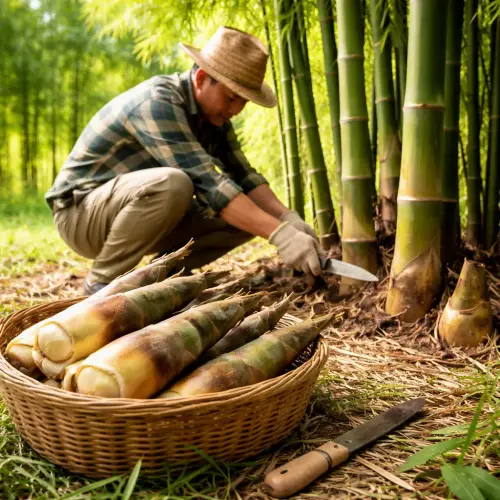
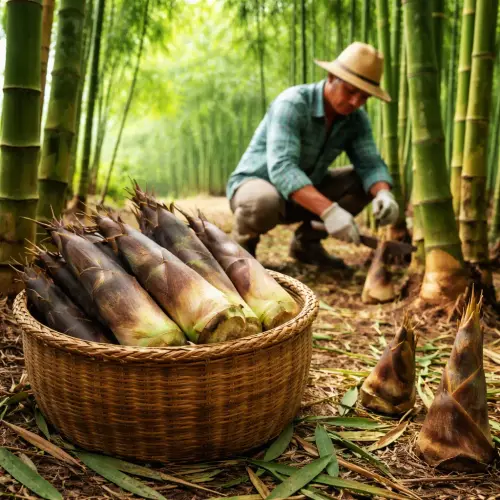
You don’t need a machete or a degree in botany. A sharp knife and good timing are enough. The key is to harvest shoots when they are 15–30 cm tall (about 6–12 inches) and still tender.
Step-by-step cutting guide
- Identify the weak ones. Harvest shoots that are thin, crooked, or growing in a cluster.
- Cut at ground level. Use a clean, angled cut to prevent water from pooling on the stump.
- Leave the strongest 2–3 shoots per clump to mature into culms.
- Mulch the cut area with a thin layer of compost or leaves to protect the rhizome.
Common mistakes to avoid
- Harvesting too late: Once shoots become woody, they are tough to eat and harder to remove cleanly.
- Cutting all shoots: Always leave some to mature—the plant needs leaves to photosynthesize.
- Using dull tools: A blunt blade can tear the rhizome, inviting disease.
Ecological and Economic Benefits of Regular Shoot Harvesting
harvesting bamboo shoots makes bamboo grow better for the grove, but it also supports the ecosystem. When you thin shoots, you create light gaps that allow understory plants to thrive. This biodiversity attracts beneficial insects and birds.
Carbon sequestration gains
Healthier bamboo groves store more carbon. By encouraging vigorous rhizome growth, bamboo shoots harvesting indirectly boosts the plant’s role as a carbon sink. A well-managed bamboo patch can sequester up to 12 tonnes of CO₂ per hectare per year, according to research from INBAR (International Bamboo and Rattan Organisation).
Economic value for local communities
Bamboo shoots are a cash crop. In many parts of Asia, selling fresh shoots during the rainy season provides a vital income stream. The practice also reduces waste: every harvested shoot becomes food or animal feed rather than rotting on the forest floor.
Local Wisdom Meets Modern Agronomy
The practice of regular bamboo shoots harvesting isn’t new. Indigenous communities from Assam to the Andes have known for generations that taking shoots strengthens the plant. What’s changed is our understanding of the mechanism.
Ancient techniques validated by science
Farmers in Meghalaya, India, for instance, harvest shoots during the full moon, believing the sap flow follows lunar cycles. Modern studies confirm that shoot quality peaks during specific lunar phases, likely due to gravitational effects on water movement in plants. This is one of those beautiful cases where local wisdom bamboo traditions align with biological facts.
Practical Tips for First-Time Harvesters
If you’re new to bamboo shoots harvesting, start small. Pick one clump and experiment. Here’s what to keep in mind:
Timing by species
Different bamboo species shoot at different times. Moso bamboo (Phyllostachys edulis) shoots in early spring, while clumping varieties like Dendrocalamus asper shoot later. Check your species’ specific cycle to avoid missing the window.
Tool selection and hygiene
Use a stainless-steel knife or a small hand saw. Clean the blade with alcohol between cuts to prevent spreading pathogens. This simple step is often overlooked but can make a big difference in grove health.
Post-harvest handling
Shoots begin to toughen within hours of cutting. Blanch them in boiling water for 10 minutes, then refrigerate. This stops enzyme activity and preserves texture for cooking or selling.
Useful Resources
For deeper reading on bamboo cultivation and shoot harvesting, check these sources:
- INBAR: Bamboo Shoot Production and Processing — A comprehensive guide for small-scale farmers.
- Royal Horticultural Society: Bamboo Growing Guide — Practical advice for gardeners in temperate climates.
Frequently Asked Questions About harvesting bamboo shoots makes bamboo grow better
Does harvesting bamboo shoots damage the plant?
No, when done correctly, harvesting bamboo shoots makes bamboo grow better by reducing competition and redirecting energy to the root system.
How often should I harvest bamboo shoots?
Harvest every 2–3 days during peak shooting season, removing only the weakest shoots each time.
Can I harvest all the shoots from one clump?
No. Always leave at least 2–3 healthy shoots per mature clump to maintain photosynthesis and future growth.
Does harvesting bamboo shoots makes bamboo grow better in all climates?
Yes, the principle applies across temperate and tropical climates, though shoot timing varies by species and region.
What time of year should I harvest bamboo shoots?
Species-dependent: spring for running bamboos, rainy season for clumping bamboos. Check your local variety.
How deep should I cut the shoot?
Cut as close to the ground as possible, just above the rhizome, using a clean diagonal cut.
Is there a best tool for bamboo shoots harvesting ?
A sharp, stainless-steel knife or a small hand saw works best. Disinfect the blade between cuts.
Will harvesting shoots stop the bamboo from spreading?
No. Shoot removal does not stop rhizome spread. Use root barriers if containment is your goal.
Can I eat all bamboo shoots?
Most shoots are edible after proper boiling, but some species contain higher levels of cyanogenic glycosides. Always boil before eating.
Does harvesting bamboo shoots makes bamboo grow better for container-grown bamboo?
Yes, container bamboo benefits even more because space is limited. Remove weaker shoots to avoid overcrowding.
How long does it take for a harvested shoot to regrow?
A new shoot does not regrow from the same spot in the same season, but the rhizome will produce more shoots next year.
Will shoot harvesting make bamboo grow taller?
Yes, by removing weaker shoots, the remaining culms receive more nutrients and often grow taller and thicker.
What is the best time of day to harvest shoots?
Early morning when the shoots are turgid with moisture. They stay crisp and cut cleanly.
Does harvesting bamboo shoots makes bamboo grow better for ornamental bamboo?
Absolutely. Ornamental bamboos also benefit from thinning. It improves airflow and reduces pest problems.
Can harvesting bamboo shoots help control invasive bamboo?
Shoot removal alone won’t stop an invasive runner, but it reduces above-ground biomass and makes root management easier.
Should I remove the leaves from harvested shoots?
The papery sheaths are usually removed before cooking, but they are not harmful. They make excellent mulch if composted.
Does bamboo shoot harvest affect soil health?
If you leave the cut stumps or mulch the area, it adds organic matter. Avoid removing all plant debris from the site.
What is the best way to store fresh bamboo shoots?
Blanch them for 10 minutes, then refrigerate in a sealed container with water. Change water daily for up to a week.
Can I freeze bamboo shoots after harvesting?
Yes. Blanch first, then freeze in airtight bags. They keep for up to 6 months without significant texture loss.
Is harvesting bamboo shoots makes bamboo grow better backed by research?
Yes, multiple agronomy studies, including work published by INBAR, confirm that selective shoot removal improves grove vigour and yield.