
sustainable foraging Key Takeaways
Sustainable foraging bridges the gap between our craving for wild food and the responsibility we owe to the ecosystems that provide it.
- Sustainable foraging begins with knowing the land, the species, and the legal framework that protects both.
- Ethical harvesting rules—like taking no more than 10 percent of a patch—keep wild food sources abundant for years to come.
- Proper identification and safety habits prevent mistakes that could harm you or the environment.
Why Sustainable Foraging Matters for Modern Adventurers
Every spring, I lace up my boots and head for the same ridgeline behind my grandparents’ cabin. The first time I found a patch of wild ramps, I pulled up every single bulb without thinking. That was ten years ago. The patch never grew back. That mistake taught me more about sustainable foraging than any guidebook ever could. Foraging isn’t just about finding free food—it’s about becoming a steward of the places you love. For a related guide, see Rebung Chef: 5 Powerful Traditions Behind Kitchen and Shoots.
Sustainable outdoor adventures depend on a simple truth: if we take more than the land can give, eventually there’s nothing left to find. The growing popularity of wild edibles has put pressure on fragile plant communities. By practicing sustainable foraging, you ensure that future hikers, campers, and food lovers can enjoy the same abundance. For a related guide, see 7 Surprising Benefits: Harvesting Bamboo Shoots Makes Bamboo Grow Better.
The Shift from Gathering to Guardianship
Traditional foraging cultures understood reciprocity. They left offerings, rotated harvest sites, and took only what was needed. Modern foragers often skip that wisdom in the rush to fill a basket. Reclaiming that ethic is at the heart of sustainable outdoor adventures. It changes the question from “What can I find?” to “What can I leave behind?”
7 Smart Tips for Sustainable Foraging on Every Adventure
The following tips come from my own missteps and the advice of veteran foragers who have spent decades studying wild ecosystems. Each one is designed to help you harvest safely while keeping the landscape healthy.
1. Know Your Land Before You Pick a Single Leaf
Start by researching the area you plan to forage. Is it private property? A state park? A national forest? Many public lands have strict rules about harvesting wild edibles. In some places, digging up roots is illegal. In others, you need a permit. Call the local ranger station or land management office. Ask about protected species, seasonal closures, and any recent restoration projects. This step alone prevents most ethical and legal problems.
2. Follow the 10 Percent Rule—Always
When you find a patch of edible plants, never take more than one-tenth of what is there. Visualize it in fractions. If you see twenty dandelion greens, harvest two. If a patch of chickweed covers a square foot, harvest one fist-sized handful. This principle is the backbone of ethical foraging tips because it ensures the plant population can regenerate and continue to feed wildlife. I learned this the hard way with those ramps. Now I count plants before I touch them.
3. Use All Five Senses to Identify Wild Food
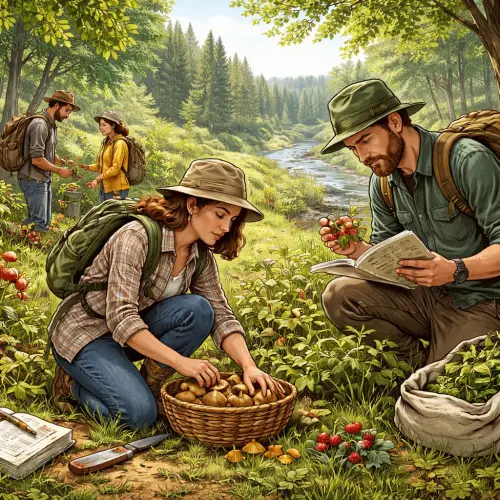
Identification mistakes are the most dangerous part of foraging. Never rely on a single characteristic. Look at leaf shape, growth pattern, stem texture, odor, and habitat. Carry a field guide specific to your region—apps like iNaturalist help, but they are not a substitute for a printed guide with clear photos. Cross-reference at least three sources before you taste anything. Join a local foraging group for hands-on mentorship. One guided walk taught me more about wild edibles than a year of reading alone.
Common Look-Alikes to Study
Wild carrot (Queen Anne’s lace) looks nearly identical to poison hemlock, which is deadly. Ramps resemble lily of the valley, which is toxic. Before you harvest any wild edibles, learn the dangerous look-alikes first. Make a mental checklist. If the plant doesn’t meet every single criterion, leave it alone.
4. Harvest with the Health of the Plant in Mind
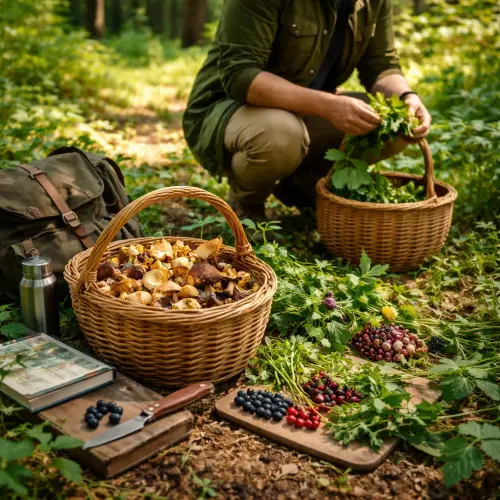
Sustainable foraging means taking parts of the plant that won’t kill it. For leafy greens like nettles, clip the top few inches rather than pulling the whole plant. For mushrooms, cut the stem at the base so the mycelium network stays intact. For berries, pick from multiple bushes rather than stripping one. Never dig up the root of a perennial unless you know the population is large enough to handle it. In many cases, taking a leaf or fruit is better than taking the whole organism. For a related guide, see The Surprising Truth: Why Harvesting Bamboo Shoots Makes Bamboo Grow Better.
5. Rotate Your Harvest Sites Throughout the Season
If you find a great patch of morels in early spring, mark the location on a mental map and don’t return to that same spot again that year. Instead, move to a different area next time. The same patch needs time to recover. Rotating sites also spreads your impact across the landscape. Over time, you build a mental map of dozens of micro-locations. This practice makes your sustainable outdoor adventures richer because you explore more territory and learn the nuances of different habitats.
6. Pack Out More Than You Pack In
Foraging trips often involve plastic bags, scissors, knives, and water bottles. Bring a small trash bag and pick up any litter you find along the trail. Cigarette butts, plastic wrappers, and abandoned gear degrade the environment you’re trying to sustain. I make it a personal rule: for every handful of berries I take, I pick up at least one piece of trash. It feels good to leave the trail cleaner than I found it. This is a core part of ethical foraging tips that goes beyond the food itself.
7. Keep a Foraging Journal to Track Changes Over Time
Note the date, weather, elevation, soil type, and species you find each time you go out. Over a few seasons, patterns emerge. You learn when the first ramps push through the soil, which slopes dry out fastest, and where the best berry patches thrive. A journal also helps you avoid overharvesting because you can see how much you took from each site. This habit transforms a casual hobby into a practice of sustainable foraging and deepens your relationship with the land.
Practical Risks and Safeguards in Sustainable Foraging
Every foraging outing carries inherent risks—from misidentification to environmental hazards like ticks, poison ivy, and steep terrain. Wild food safety starts with preparation. Learn how to treat water if you’re gathering wild edibles near streams. Know the symptoms of common plant toxins. Carry a small first-aid kit that includes antihistamines for allergic reactions. One important safeguard: never eat a large quantity of any new wild food on your first try. Taste a tiny piece and wait 24 hours. This precaution has saved me from more than one bad reaction.
Another risk that people overlook is contamination from pesticides, herbicides, or animal waste. Avoid foraging along roadsides, near agricultural fields that may be sprayed, or in areas with heavy dog traffic. Choose locations that feel wild and clean—deep forest edges, mountain meadows, and undisturbed stream banks are safer bets. For wild food safety, treat every harvest like a potential exposure until you’re certain of its origin.
Mini Case Example: The City Park Mushroom Mistake
A friend of mine once harvested a basket of oyster mushrooms from a park in the middle of a suburban neighborhood. They looked perfect—large, fresh, and abundant. He cooked them that night and spent the next two days with severe stomach cramps. The mushrooms were clean, but the soil had been treated with herbicide earlier that week. The lesson: even if you identify the plant correctly, the environment may be unsafe. Always verify the land’s history before you eat anything from it.
Useful Resources
For deeper guidance on sustainable foraging and wild edibles, explore these trusted sources. They offer field guides, legal information, and community mentorship opportunities.
- US Forest Service — Check regulations, permits, and seasonal closures on national forests. Their website includes region-specific foraging guidelines.
- Wild Food UK — A comprehensive resource for identifying edible plants and mushrooms in temperate climates, with detailed photographs and safety notes.
Frequently Asked Questions About sustainable foraging
What is the most important rule of sustainable foraging ?
The most important rule is to take only what you need and never more than 10 percent of a plant population. This ensures the patch can regenerate and continue to support wildlife and future foragers.
Is it legal to forage on public land?
It depends on the specific land management agency. Some state parks prohibit all harvesting, while national forests often allow small amounts for personal use. Always check with the local office before you start.
How do I identify wild edibles safely?
Use multiple identification methods—look at leaf shape, stem, habitat, and smell. Cross-reference with at least three sources. Join a local foraging group for hands-on mentorship.
Can I forage in national parks?
Most national parks prohibit foraging entirely because they are designated to preserve natural ecosystems in their untouched state. Check with the park superintendent for specific rules.
What are the best wild edibles for beginners?
Dandelion greens, chickweed, plantain, and nettles are easy to identify and hard to confuse with dangerous look-alikes. Start with these before moving to mushrooms or roots.
How much can I harvest without harming the ecosystem?
General guidelines suggest taking no more than 5 to 10 percent of any patch. For slow-growing plants like ramps or ginseng, take even less—or avoid them entirely if the population is small.
Do I need a permit to forage?
In many national forests and state lands, a free or low-cost permit is required. Private land always requires permission from the owner. Not having a permit can result in fines.
What tools do I need for foraging ?
A sharp knife or scissors, a cloth bag or basket, a field guide, and a small first-aid kit. Avoid plastic bags that cause plants to sweat and spoil.
How do I clean wild food before eating?
Rinse thoroughly in cool water and soak for 10 minutes to remove dirt, insects, and debris. For mushrooms, brush off soil rather than soaking, as they absorb water.
Can I forage after a rainstorm?
Yes, but be cautious. Wet ground makes it easier to accidentally damage roots. Also, mushrooms often appear quickly after rain, making it a great time for fungal foraging.
What should I avoid when foraging near roads?
Avoid plants within 30 feet of busy roads. They can absorb heavy metals, oil runoff, and exhaust fumes. Choose deep woods or clean meadow habitats instead.
How do I tell the difference between wild carrots and poison hemlock?
Wild carrot has a hairy stem and a carrot-like smell, while poison hemlock has purple spots on a smooth stem and smells like mouse urine. When in doubt, leave it.
Is it sustainable to forage mushrooms?
Yes, if you cut the stem at the base rather than pulling the mushroom. This preserves the mycelium network so it can keep fruiting year after year.
What is the best time of year for sustainable foraging ?
Spring and fall offer the widest variety of greens, shoots, and mushrooms. Summer is good for berries, while winter foraging focuses on tree bark and hardy greens.
How can I make foraging a family activity?
Start with common, safe species like blackberries and dandelions. Teach kids to harvest gently and leave plenty behind. Make it a game of observation rather than competition.
Do I need to cook wild edibles ?
Many wild plants and mushrooms are safer cooked. Cooking breaks down certain toxins and improves digestibility. Always research each species individually before eating raw.
What is the biggest mistake new foragers make?
The biggest mistake is misidentification. People assume a plant looks close enough to a photo and eat it. Always verify with multiple sources and a mentor if possible.
How do I store foraged foods?
Most greens should be used within a day or two. Berries can be frozen. Mushrooms can be dried. Roots like dandelion can be stored in a cool, dark place for weeks.
Can I forage in my own backyard?
Yes, if you avoid using pesticides or herbicides. Many common “weeds” like clover, dandelion, and chickweed are nutritious wild edibles right outside your door.
What should I do if I think I ate something toxic?
Contact poison control immediately. Save a sample of the plant for identification. Do not induce vomiting unless instructed by a medical professional.