
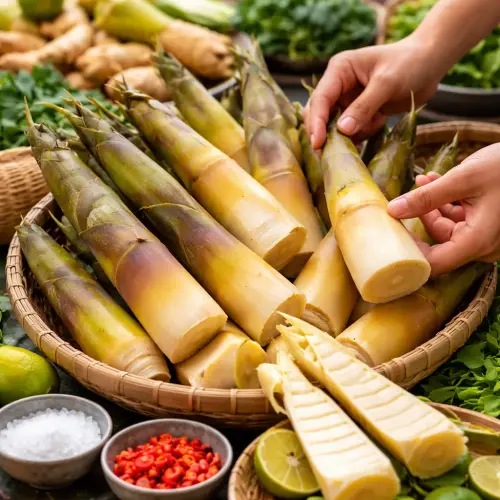
naturally sweet fresh bamboo shoots Key Takeaways
Choosing naturally sweet fresh bamboo shoots from a morning market is a skill rooted in observation and trust.
- Look for shoots with tightly layered husks and a fresh, earthy aroma — signs of natural bamboo shoots picked at peak freshness.
- Trust vendors who can tell you exactly when and where the shoots were harvested; they are your best source for chemical-free bamboo shoots .
- Choose shoots with a pale yellow or cream-colored flesh near the base — this indicates natural sweetness without added sugar or bleach.
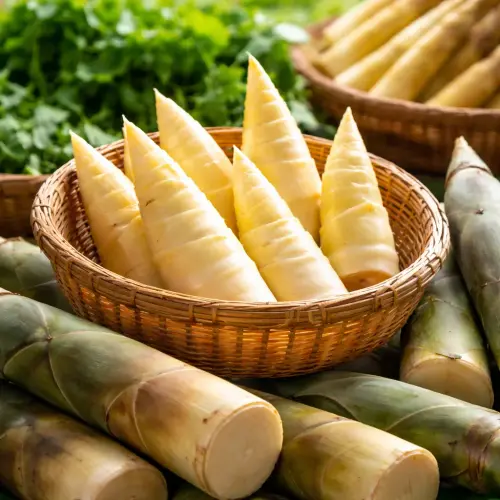
Why Morning Markets Are the Best Place for Naturally Sweet Fresh Bamboo Shoots
The sun has barely kissed the horizon, and the market is already alive. Tarps flap in the cool breeze, vendors call out their morning harvest, and the air carries a mix of damp earth and green leaves. This is where fresh bamboo shoots market stories begin. At dawn, the selection is at its peak — shoots that were cut just hours earlier, still cool from the ground, and full of natural moisture.
Morning markets are also where you find growers who sell directly. These farmers have no incentive to soak shoots in chemicals or bleach them white. They rely on the quality of the harvest and the relationships they build with regular customers. When you buy from them, you get chemical-free bamboo shoots that taste the way nature intended.
In contrast, supermarket bamboo shoots are often imported, stored for days, and treated with preservatives to extend shelf life. They may look perfect — unnaturally white and uniform — but they lack the deep, sweet flavor that fresh local shoots offer. The morning market, with its imperfection and honesty, is where true sweetness hides. For a related guide, see Bamboo Shoots 101: Essential Tips for Cooking Them Perfectly.
How to Spot Chemical-Free Bamboo Shoots at the Stall
Not every vendor at the morning market is selling the same quality. Some might soak shoots in water mixed with citric acid or even bleach to keep them looking fresh longer. Learning to spot these natural bamboo shoots takes a little practice, but a few simple checks will protect you.
Look for Uneven Coloring and Natural Imperfections
Chemically treated shoots often have a uniform, almost artificial white color. Chemical-free bamboo shoots show a gradient: green or brown at the tip, tapering to pale yellow or cream near the base. They may have small blemishes or soil still clinging to the husk — that is a good sign.
Smell for Freshness, Not Chemicals
Bring the shoot close to your nose. A truly fresh, untreated shoot smells like damp earth and grass — clean and subtle. If you catch a whiff of chlorine, vinegar, or anything metallic, that shoot has likely been chemically treated. Trust your nose; it rarely lies about sweet bamboo shoots.
Feel the Weight and Firmness
Pick up each shoot. It should feel heavy for its size, dense with moisture. When you press the base with your thumbnail, it should give slightly but spring back. If it feels spongy or lightweight, it is past its prime or has been dried out by chemical soaking.
7 Tips for Selecting Naturally Sweet Fresh Bamboo Shoots Every Time
These tips come from years of watching market vendors and talking to farmers who take pride in their naturally sweet fresh bamboo shoots. They are simple enough to remember even in the bustle of a busy market morning.
1. Arrive Early for the Best Selection
The earliest hours — usually between 6 and 8 a.m. — bring the freshest harvest. Vendors often sell out of their best shoots by mid-morning. Early birds get the pick of the crop, including the shoots with the highest natural sugar content.
2. Choose Shoots with Tightly Wrapped Husks
Gently squeeze the shoot from tip to base. The husk layers should feel firm and tight, not loose or papery. Tight wraps protect the inner flesh from air and sunlight, preserving sweetness and crunch.
3. Check the Cut End for Freshness
Look at the bottom where the shoot was cut. It should be moist and pale cream or white, not dry or brown. If the cut edge looks wrinkled or discolored, the shoot has been sitting too long.
4. Size Matters — But Not How You Think
Medium-sized shoots — about the length of your hand — tend to be sweeter and more tender than very large or very small ones. Oversized shoots can be woody, while tiny shoots may be underdeveloped and bitter.
5. Ask the Vendor About the Harvest
Good vendors love talking about their work. Ask: “When were these pulled?” and “Which field did they come from?” A vendor who can answer clearly is likely selling their own natural bamboo shoots. A shrug or vague answer might mean the shoots are resold and possibly treated.
6. Look for a Pale Yellow Base, Not Pure White
Pure white at the base often signals bleaching. The natural color of a fresh, chemical-free bamboo shoot is a soft ivory or pale yellow. This natural tint is a marker of the shoot’s own sugars and minerals.
7. Trust Your Instincts — The Best Shoots Call to You
After you practice these tips, you will develop a sense for what looks and feels right. Sometimes, the shoot that catches your eye for no clear reason is the perfect one. That is the morning market magic — the connection between your hand and the earth.
A Simple Way to Enjoy Your Chemical-Free Bamboo Shoots
Once you have brought home your naturally sweet fresh bamboo shoots, treat them simply. Boil them in salted water for 20 minutes until tender, then slice thinly. Toss with a little sesame oil, rice vinegar, and a pinch of sea salt. Serve warm or chilled. This recipe lets the shoot’s natural sweetness shine without heavy sauces or spices.
The first time I made this dish, I was surprised at how much flavor came from the shoot itself. That is the reward of choosing sweet bamboo shoots that have never touched a chemical — they taste like the morning they were pulled.
Useful Resources
For more on identifying and cooking natural bamboo shoots, explore these trusted sources:
- FAO Bamboo Resources — A comprehensive guide to bamboo species, harvesting practices, and food safety from the Food and Agriculture Organization.
- BBC Good Food: Bamboo Shoots Guide — Tips on selecting, preparing, and cooking fresh bamboo shoots from a reputable food source.
Every morning market holds a story, and every bamboo shoot carries a piece of that story. Choosing wisely means you take home not just dinner, but a connection to the land and the people who tend it.
Frequently Asked Questions About naturally sweet fresh bamboo shoots
How can I tell if bamboo shoots are naturally sweet?
Check the base color: pale yellow or cream indicates natural sugars. Also, freshly cut shoots smell earthy, not sour or chemical. A small taste test of the raw tip (after peeling) can confirm sweetness.
Are all bamboo shoots sold in markets chemical-free?
No. Many shoots are treated with citric acid, bleach, or preservatives to extend shelf life and whiten them. Always buy from vendors you trust or ask directly about their harvesting and storage methods.
Does soaking bamboo shoots in water remove chemicals?
Soaking may reduce surface residues but does not remove chemicals absorbed into the flesh. The safest choice is to start with certified organic or locally harvested shoots from a known source.
What does a chemical-free bamboo shoot look like?
It shows natural variations in color — green or brown at the tip, fading to ivory or pale yellow. The surface may have small imperfections or soil, and the husks are tightly layered.
Why do some bamboo shoots taste bitter?
Bitterness comes from naturally occurring compounds that are higher in older or stressed shoots. Fresh, young shoots harvested early in the season are sweeter. Proper boiling also reduces bitterness.
Can I find naturally sweet shoots year-round?
Bamboo shoots are seasonal, typically spring and early summer. Some regions have multiple harvests. Natural sweetness peaks early in the season when shoots grow fastest.
How should I store fresh bamboo shoots at home?
Keep them in the refrigerator, unpeeled, in a paper bag. Use within 2–3 days for best flavor. Do not wash until you are ready to cook, as moisture speeds spoilage.
Do smaller bamboo shoots taste sweeter?
Not always. Very small shoots may be underdeveloped and slightly bitter. The sweet spot is medium-sized shoots with a firm, full shape.
Should I peel bamboo shoots before boiling?
Yes. Remove the tough outer husks until you reach the pale, tender inner layers. Some cooks leave one or two inner layers to protect the flesh during boiling.
Can I eat bamboo shoots raw?
Some tender varieties can be eaten raw in small amounts, but most bamboo shoots contain compounds that are indigestible or bitter until cooked. Boiling is recommended for safety and flavor. For a related guide, see 4 Types of Bamboo Shoots to Eat: Avoid Bitter Mistakes.
How long should I boil bamboo shoots to remove bitterness?
Boil shoots in salted water for 15–25 minutes, depending on thickness. Drain and rinse with cold water. If bitterness remains, repeat the process with fresh water.
Are organic bamboo shoots always chemical-free?
Certified organic shoots are grown without synthetic pesticides or fertilizers, but they may still be stored or transported with permitted natural preservatives. Ask your vendor for specifics.
What is the best season for fresh bamboo shoots?
Spring is the peak season for most varieties. In warmer climates, a second harvest sometimes occurs in early autumn. The shoots from the spring harvest tend to be the most tender and sweet.
How can I support chemical-free bamboo farming?
Buy directly from local farmers at morning markets, ask for unprocessed shoots, and spread the word about the benefits of chemical-free produce. Your choices encourage sustainable practices.
Do vendors often lie about chemicals?
Most vendors at genuine morning markets are honest, but some resellers may not know the full story. Building a relationship with a trusted grower is the best guarantee.
What does the smell of a fresh shoot tell me?
A fresh, untreated shoot smells clean and earthy, like wet soil and green leaves. Any hint of bleach, sulfur, or sourness suggests chemical treatment or spoilage.
Are frozen bamboo shoots a good alternative?
Frozen shoots are usually pre-cooked and can be convenient, but they lack the crunch and subtle sweetness of fresh ones. Check labels for additives.
Can I grow my own sweet bamboo shoots ?
Yes, if you have space and a suitable climate. Many edible bamboo varieties thrive in warm, humid conditions. Homegrown shoots can be the sweetest because you control everything.
What dishes highlight the natural sweetness of bamboo shoots?
Simple preparations — boiling, then tossing with sesame oil and salt, or adding to stir-fries with minimal seasoning — let the shoot’s natural flavor come forward. Avoid heavy sauces.
How do I find a trustworthy bamboo shoot vendor?
Visit the same market regularly, talk to vendors, and look for those who display their harvest directly from the field. Ask neighbors or local food groups for recommendations.