
types of bamboo shoots Key Takeaways
Bamboo shoots are a crunchy, mild-flavored ingredient in Asian cuisine, but not all varieties taste the same.
- Spring shoots are large, tender, and versatile for stir-fries and soups.
- Winter shoots are small, extra sweet, and prized for braised dishes.
- Ma bamboo shoots have a firm texture and earthy flavor, perfect for pickling.
Why Understanding Types of Bamboo Shoots Matters
Walking through an Asian grocery store, you might see fresh bamboo shoots with different shapes, colors, and sizes. It’s easy to grab the wrong one and end up with a bitter, fibrous mess. Knowing the right types of bamboo shoots for your dish saves you time and money — and makes your cooking taste amazing. For a related guide, see 7 Mistakes to Avoid When Cutting Bamboo Shoots from Garden to Wok.
Each variety has a distinct flavor profile, texture, and ideal cooking method. Some are naturally sweet, others need extra soaking to remove bitterness. If you pick the wrong type, you might think all bamboo shoots taste bad. That’s simply not true. Let’s break down the four most delicious options. For a related guide, see Bamboo Shoots 101: Essential Tips for Cooking Them Perfectly.
Spring Shoot (四季笋) — The All-Rounder
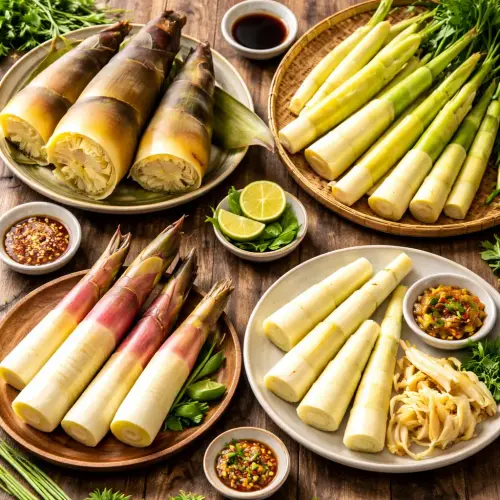
Spring shoots are the most common types of bamboo shoots you’ll find. They’re harvested from March to May when the shoots are still young and tender. These shoots are large, often weighing up to 2 pounds each, with a pale yellow color and a slightly tapered shape.
Texture and Flavor
Spring shoots have a crisp, juicy texture and a mild, slightly sweet taste. They contain less of the bitter compound called taxiphyllin, so they require minimal preparation. A quick blanch in boiling water for 5–7 minutes is enough to remove any trace of bitterness.
Best Uses in the Kitchen
Because they’re tender and mild, spring shoots work in almost any dish. Try them in stir-fries with garlic and ginger, add them to miso soup, or toss them into a simple chicken and bamboo shoot stew. They also hold up well in curries and noodle bowls.
How to Select and Store
Look for shoots that feel heavy for their size, with tight, moist husks. Avoid any that feel light or have dry, papery outer leaves. Once home, keep them in the fridge wrapped in a damp paper towel — they’ll stay fresh for up to a week.
Winter Shoot (冬笋) — The Sweet Gem
Winter shoots are smaller, denser, and much sweeter than their spring cousins. Harvested from December to February, these types of bamboo shoots are considered a delicacy in Chinese and Japanese cooking. They grow slowly underground, which concentrates their natural sugars.
Texture and Flavor
Winter shoots have a firm, almost nutty texture with a pronounced sweetness. They have very little bitterness — many cooks use them without any blanching. The flesh is pale ivory and stays crunchy even after long cooking.
Best Uses in the Kitchen
These shoots shine in braised dishes, where their sweetness balances salty soy sauce and rich pork belly. They’re also excellent sliced thin and added to hot pots or steamed with a light drizzle of sesame oil. Winter shoots pair beautifully with dried shiitake mushrooms and scallions.
How to Select and Store
Choose winter shoots that feel rock-hard and have a clean, earthy smell. The husks should be tight and not mushy. Store them in the vegetable drawer of your fridge in a paper bag — they’ll last up to two weeks. For longer storage, blanch and freeze them.
Ma Bamboo Shoot (麻竹笋) — The Firm Textured Favorite
Ma bamboo shoots come from a specific bamboo species native to China and Taiwan. They are larger and more fibrous than spring or winter shoots, but that firmness makes them perfect for certain preparations. These types of bamboo shoots are often sold already peeled and vacuum-packed.
Texture and Flavor
Ma shoots have a sturdy, slightly chewy texture and an earthy, grassy flavor. They can be more bitter than other varieties, so proper preparation is key. But when handled correctly, they develop a satisfying bite that holds up in pickling and long-simmered stews.
Best Uses in the Kitchen
Ma bamboo shoots are the classic choice for pickling — they stay crisp and absorb brine beautifully. They’re also fantastic in spicy Sichuan dry-pot dishes, where their firm texture contrasts with tender meats and vegetables. For a quick side, sauté sliced ma shoots with chili, garlic, and a splash of rice vinegar.
How to Select and Store
Fresh ma shoots are harder to find outside of Asia. Look for vacuum-packed whole shoots in the refrigerated section of Asian grocery stores. Once opened, store them in water in the fridge and change the water daily — they’ll keep for about five days.
Sweet Bamboo Shoot (甜竹笋) — The Low-Bitterness Choice
Sweet bamboo shoots are a special variety bred specifically for their low bitterness and high sugar content. They are sometimes called “honey bamboo shoots” because of their delicate sweetness. Among all types of bamboo shoots, these are the easiest to eat raw or lightly cooked.
Texture and Flavor
As the name suggests, sweet bamboo shoots are noticeably sweet, with a very tender, almost butter-like texture when cooked. They have minimal fibrousness and almost no bitter aftertaste. The flavor is clean and mild, making them a favorite for cold salads.
Best Uses in the Kitchen
Because they require almost no preprocessing, sweet shoots are ideal for quick dishes. Slice them raw into a refreshing bamboo shoot salad with a citrus vinaigrette and fresh herbs. You can also blanch them briefly and serve with a dollop of miso paste or toss them into a spring rolls.
How to Select and Store
Sweet bamboo shoots are often sold fresh in farmers’ markets in Southeast Asia and parts of southern China. Choose shoots with bright, moist husks and a firm tip. If stored properly in a plastic bag in the fridge, they stay fresh for up to 10 days.
Quick Comparison of the 4 Bamboo Shoots Types
| Type | Season | Flavor | Texture | Best Cooking Method |
|---|---|---|---|---|
| Spring Shoot | March–May | Mild, slightly sweet | Crisp, tender | Stir-fry, soup, stew |
| Winter Shoot | December–February | Sweet, nutty | Firm, crunchy | Braised, hot pot, steamed |
| Ma Bamboo Shoot | June–August | Earthy, grassy | Tough, chewy | Pickled, spicy stir-fry |
| Sweet Bamboo Shoot | Year-round (limited) | Sweet, mild | Tender, buttery | Raw, lightly blanched |
Pro Tip: How to Remove Bitterness from Any Types of Bamboo Shoots
Even the sweetest varieties can have a hint of bitterness if not handled properly. Here’s a simple step you can follow for any of the four types of bamboo shoots:
- Peel off the tough outer husks until you reach the tender, pale flesh.
- Cut the shoot into slices or chunks, depending on your recipe.
- Bring a pot of water to a rolling boil. Add a pinch of salt and a teaspoon of rice or a raw rice grain — the rice helps absorb bitterness.
- Boil the shoots for 5–15 minutes, depending on thickness. Winter and sweet shoots need less time; ma shoots need the full 15 minutes.
- Drain, rinse with cold water, and your shoots are ready to use.
Useful Resources
For more details on selecting and preparing types of bamboo shoots, check out these reliable guides:
Frequently Asked Questions About Types of Bamboo Shoots
Frequently Asked Questions About types of bamboo shoots
What are the most common types of bamboo shoots to eat?
The most common edible types of bamboo shoots are spring shoots, winter shoots, ma bamboo shoots, and sweet bamboo shoots. Each has distinct texture and flavor.
Which type of bamboo shoot is the sweetest?
Winter shoots and sweet bamboo shoots are the sweetest. Winter shoots have a natural sugary taste from slow underground growth, while sweet bamboo shoots are bred for low bitterness and high sugar.
Do I need to blanch all types of bamboo shoots?
Most types of bamboo shoots benefit from blanching to remove bitterness. Sweet bamboo shoots need only 2–3 minutes, while ma bamboo shoots may need up to 15 minutes.
Can I eat bamboo shoots raw?
Only sweet bamboo shoots are safe and tasty raw. Other types of bamboo shoots contain toxins that are neutralized by cooking.
What is the best bamboo shoot for stir-fry?
Spring shoots are the best for stir-fry because they are tender, cook quickly, and absorb flavors well.
Which bamboo shoot variety is best for pickling?
Ma bamboo shoots are excellent for pickling due to their firm texture that stays crunchy even after brining.
How can I tell if bamboo shoots are fresh?
Fresh shoots feel heavy, have tight moist husks, and smell earthy. Avoid any with dry husks or a sour smell.
Are bamboo shoots healthy?
Yes, bamboo shoots are low in calories, high in fiber, and contain potassium, vitamin B6, and antioxidants.
What does a bitter bamboo shoot taste like?
A bitter shoot has a sharp, unpleasant aftertaste similar to raw kale or undercooked eggplant. Proper blanching removes this.
Can I freeze bamboo shoots?
Yes, blanch and freeze them. Winter and spring shoots freeze well for up to 3 months. Thaw in the fridge before use.
Which type of bamboo shoot is used in ramen?
Marinated bamboo shoots, often called menma, are traditionally made from ma bamboo shoots. They are fermented and seasoned.
What is the difference between spring and winter shoots?
Spring shoots are larger, milder, and less sweet. Winter shoots are smaller, denser, and have a more concentrated sweetness.
Where can I buy fresh bamboo shoots?
Look in the produce section of Asian grocery stores, farmers’ markets in spring, or order online from specialty Asian food retailers.
How long do fresh bamboo shoots last in the fridge?
Most types of bamboo shoots last 5–10 days in the fridge if kept in a damp paper towel or water.
Are canned bamboo shoots safe to eat?
Yes, canned shoots are pre-cooked and safe. However, they have a softer texture and less flavor than fresh ones.
Which bamboo shoot has the crunchiest texture?
Winter shoots and ma bamboo shoots have the crunchiest, firmest texture. They hold up well in soups and stir-fries.
Do bamboo shoots contain cyanide?
Raw bamboo shoots contain trace amounts of cyanogenic glycosides. Cooking neutralizes these compounds, making them safe to eat.
Can I use any bamboo shoot for kimchi?
Ma bamboo shoots work best for kimchi because they remain crunchy after fermentation.
What dishes are winter shoots traditionally used in?
Winter shoots are classic in Chinese braised pork belly, Japanese nimono (simmered dishes), and Korean japchae.
Are there bamboo shoots that are never bitter?
Sweet bamboo shoots are bred to have almost no bitterness. Winter shoots are also very low in bitterness compared to other types of bamboo shoots.