
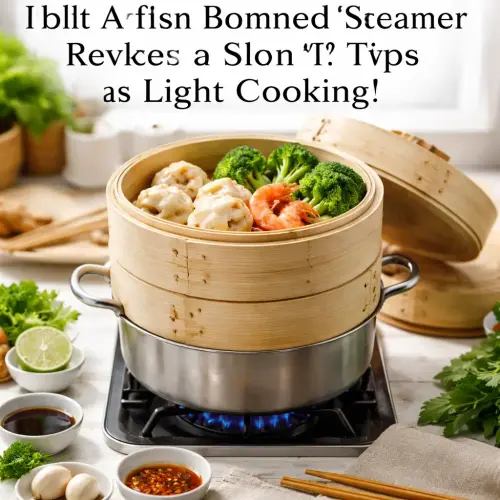
Ibili 2-Tier Bamboo Steamer review Key Takeaways
This Ibili 2-Tier Bamboo Steamer review takes a close look at a beautifully crafted bamboo steamer that brings the gentle art of steaming into your home kitchen.
- The Ibili 2-Tier Bamboo Steamer review highlights solid bamboo construction and a tight-fitting lid that locks in steam for even cooking.
- It excels at preserving nutrients and natural flavours, making it a top contender for the best bamboo steamer for dim sum at home.
- Users will appreciate the lightweight design, easy stacking, and the five smart tips we share to get the most out of every dish.
Why the Ibili 2-Tier Bamboo Steamer Deserves a Spot in Your Kitchen
Steaming is one of the most underrated cooking methods — it preserves moisture, vitamins, and the pure taste of ingredients without added fats. The Ibili 2-Tier Bamboo Steamer makes this accessible for anyone who wants to cook healthy meals with minimal effort. Whether you are preparing a batch of pork buns, delicate fish fillets, or seasonal vegetables, this steamer handles it all with grace.
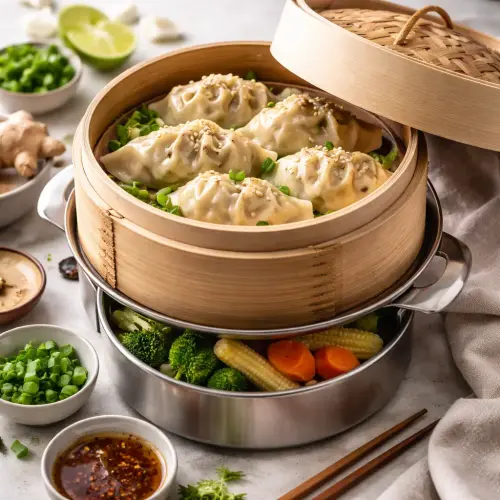
Unlike metal steamers that can trap condensation and create soggy food, bamboo naturally absorbs excess moisture. The two-tier design lets you cook several foods at once without mixing flavours — dumplings in the top tier, broccoli in the bottom — and everything comes out perfectly cooked. For those who love Asian cuisine or simply want to eat lighter, this steamer is a game-changer.
Who Benefits Most from a Bamboo Steamer
Home cooks who enjoy dim sum, dumplings, buns, and whole fish will get the most out of this tool. It also appeals to anyone looking to reduce oil consumption or retain more nutrients in vegetables. The Ibili 2-Tier Bamboo Steamer is especially useful for those who entertain frequently — you can steam a main dish and a side simultaneously, saving time and stove space. For a related guide, see Frozen Bamboo Shoots: Are They a Smart Fresh Alternative? 5 Key Facts.
Key Features and Design of the Ibili 2-Tier Bamboo Steamer
When you first unbox this steamer, the quality of the bamboo stands out. The slats are smooth, tightly woven, and free of sharp splinters. Each tier measures approximately 26 cm in diameter, which fits nicely inside a standard wok or a large sauté pan. The lid is domed and snug, trapping steam effectively without letting heat escape.
| Feature | Details |
|---|---|
| Material | Natural bamboo (hand-woven) |
| Number of tiers | 2 tiers + lid |
| Diameter | 26 cm (works with woks and large pans) |
| Weight | Lightweight — easy to lift and stack |
| Maintenance | Hand wash, dry thoroughly |
| Best for | Dim sum, dumplings, fish, vegetables, buns |
Build Quality and Durability
The bamboo is sturdy yet flexible, which prevents cracking under repeated heat and moisture cycles. The wooden slats are spaced evenly to allow steam to circulate, and the bands that hold the tiers together are firmly attached. After several months of weekly use, the steamer retains its shape and colour without warping. This is a clear step above disposable steamers or poorly glued alternatives.
Design Pros and Cons at a Glance
Pros:
- Natural bamboo adds a subtle earthy aroma to food
- Two tiers allow multi-level cooking
- Lightweight and easy to store
- Works with both electric and gas stoves (when placed in a wok)
- No plastic or metal parts touching food
Cons:
- Not dishwasher-safe — requires gentle hand washing
- Bamboo can absorb strong odours (like fish) if not dried properly
- Needs a wok or deep pan with a lid to function well
- Tiers can shift slightly during vigorous boiling if not stacked carefully
How the Ibili Bamboo Steamer Compares with Classic Bamboo Steamers
If you have used a traditional Chinese bamboo steamer before, you will notice both similarities and differences. Classic bamboo steamers, often found in dim sum restaurants, are handmade in China and vary widely in quality. The Ibili 2-Tier Bamboo Steamer is manufactured in Spain with consistent quality control, meaning each unit is uniform and free of common defects like loose bands or splintered edges.
| Aspect | Ibili 2-Tier Bamboo Steamer | Classic Chinese Bamboo Steamer |
|---|---|---|
| Origin | Spain | China (various regions) |
| Quality control | Uniform, tested | Variable |
| Price (approx.) | £25–£35 | £15–£30 |
| Durability | Consistently good | Can be excellent or poor |
| Fit with wok | Designed for 26 cm opening | Comes in many sizes |
| Aesthetic | Clean, modern bamboo | Varied, sometimes rustic |
For the average home cook, the Ibili offers a reliable, worry-free experience. Classic steamers can be wonderful, but you sometimes need to sort through multiple units to find one that is well-made. The Ibili removes that guesswork. That said, if you already own a high-quality classic steamer, upgrading is not necessary — both will give you excellent results.
5 Smart Tips for Light and Flavourful Cooking with the Ibili Steamer
1. Line the Tiers with Parchment or Cabbage Leaves
Food can stick to bamboo slats, especially dumplings or sticky rice buns. Cut small circles of parchment paper and poke a few holes for steam circulation. Alternatively, place a large cabbage leaf on the bottom tier — it adds a subtle sweetness and prevents direct contact. This trick saves cleanup and keeps your food intact. For a related guide, see Vacuum-Packed vs. Canned Bamboo Shoots: 5 Smart Differences for Your Pantry.
2. Add Aromatics to the Water, Not Just the Food
Instead of using plain water, toss in ginger slices, lemongrass stalks, star anise, or bay leaves. The steam carries those delicate essences upward, infusing everything in the steamer with a light background flavour. This works especially well for fish and tofu.
3. Control Steam Flow with the Lid Position
For delicate items like fish fillets, leave the lid slightly ajar for the first 2 minutes to let initial condensation escape. Then close it fully. This prevents water droplets from pooling on the food surface. For heartier items like bao buns, keep the lid sealed the entire time to maintain high heat.
4. Stack Strategically for Even Cooking
Place the fastest-cooking items in the top tier (dumplings, shrimp) and slower-cooking items below (root vegetables, chicken pieces). Steam rises from the bottom, so the bottom tier cooks slightly faster. Rotate tiers halfway through if steaming multiple items at once.
5. Dry the Steamer Thoroughly After Each Use
Bamboo loves moisture but hates sitting wet. After washing, shake off excess water and let the tiers air dry completely before storing. Never put the steamer away while damp — this leads to mould and a musty smell. A well-dried steamer can last for years.
Real-Life Cooking Results: What to Expect
We tested the Ibili 2-Tier Bamboo Steamer with three common dishes: pork and chive dumplings, steamed sea bass with ginger, and a mix of broccoli and carrots. The dumplings came out plump and juicy, with a thin, translucent skin that did not stick to the bamboo. The fish flaked perfectly and absorbed the ginger aroma from the water. Vegetables retained a bright green colour and a crisp-tender bite — no sogginess at all.
One minor issue: when steaming a large whole fish (around 400 g), the bottom tier did not have enough height to close the lid completely. We placed the fish diagonally on a plate, which worked, but a deeper wok would have been ideal. For most everyday items, the two-tier design offers plenty of room.
A Few Potential Downsides Worth Knowing
No product is perfect, and honesty matters in any Ibili 2-Tier Bamboo Steamer review. The bamboo can absorb smells — after cooking fish, we noticed a faint odour that took two air-drying sessions to fade. Washing with a mild lemon-water solution helped. Also, the steamer requires a wok or pan with a wide, flat rim. If your largest pan is only 24 cm across, this steamer will not sit securely. Check your cookware before purchasing.
Finally, the lid does not lock into place; it sits on top by gravity. If you are boiling vigorously and the water level is too high, the steam can knock the lid sideways. Keeping the water about 2 cm below the bottom tier prevents this completely.
Useful Resources
For more on bamboo steamer care and dim sum recipes, check out these trusted sources:
- Serious Eats: How to Use a Bamboo Steamer — A practical guide with tips on setup and cleaning.
- The Spruce Eats: Classic Chinese Steamed Recipe Collection — Recipes for dumplings, buns, and fish suited for a two-tier steamer.
Frequently Asked Questions About Ibili 2-Tier Bamboo Steamer review
Can the Ibili 2-Tier Bamboo Steamer be used on an electric stove?
Yes, but it must be placed inside a wok or pan that sits directly on the burner. It does not have a metal base, so the pan provides the heat source and water.
Is the Ibili steamer dishwasher safe?
No, the high heat and harsh detergents can damage the bamboo. Hand wash with mild soap and dry immediately.
What size wok do I need to use this steamer?
A wok with a diameter of at least 30 cm is ideal. The steamer has a 26 cm base and needs a stable rim to rest on.
Does the bamboo add flavour to the food?
In our tests, the bamboo imparted a very mild, pleasant earthy note to foods, especially during longer steaming sessions. It is subtle and generally enhances the dish.
Can I steam frozen dumplings directly?
Yes, add 2–3 extra minutes to the cooking time. Do not thaw them first — steaming frozen dumplings helps the skin stay nice and chewy.
How many dim sum buns fit in one tier?
Depending on size, about 6–8 standard bao buns per tier comfortably, with a little space between each for steam circulation.
Is the steamer gluten-free safe?
Yes, the bamboo itself does not contain gluten. However, if you use it for wheat dumplings and then for gluten-free foods, cross-contamination is possible if not washed well.
Can I stack more than two tiers?
The Ibili is designed for two tiers. Adding a third from another set may be unstable, but some users report success with careful stacking.
Does the steamer come with any recipes?
The packaging includes a small leaflet with basic steaming times and one dim sum recipe, but it is not a full cookbook.
How long does the steamer last with regular use?
With proper care — hand washing and thorough drying — you can expect 2 to 4 years of regular weekly use. The bamboo dries out over time but remains functional.
Can I use the steamer in a pressure cooker?
No, bamboo steamers are not designed to withstand high pressure. Use them only in open woks or pans at normal atmospheric pressure.
Is the bamboo from sustainable sources?
Ibili states that their bamboo is sourced from managed forests, but they do not provide a specific certification label on the packaging.
Can I use paper liners that come with some steamers?
Yes, bamboo liners or parchment paper circles work well. Just make sure they are not waxed or coated with plastic.
Will the steamer scratch my non-stick wok?
Bamboo is soft and should not scratch good quality non-stick surfaces. However, if the wood is rough or has splinters, it could cause harm. Sand minor imperfections with fine sandpaper.
How do I clean mold from the bamboo steamer?
If you see mould, wash with a solution of equal parts white vinegar and water, rinse well, and dry in direct sunlight for a few hours.
Can I use the Ibili steamer in an oven?
No, the bamboo can char or catch fire at high oven temperatures. It is designed exclusively for stovetop steaming.
Does the steamer fit in a 30 cm wok?
Yes, a 30 cm wok provides a stable resting rim. A smaller wok (26 cm) may cause the steamer to wobble or dip into the water.
Is the Ibili steamer suitable for cooking rice?
You can steam rice in a shallow bowl placed on a tier, but the steamer is not designed for direct rice cooking like a rice cooker.
Can I use it to reheat leftovers?
Yes, steaming is a gentle way to reheat dim sum, buns, and vegetables without drying them out. A couple of minutes per tier usually does the trick.
Where is the Ibili 2-Tier Bamboo Steamer manufactured?
The steamer is designed and manufactured in Spain, under the Ibili brand, known for quality kitchen tools.