
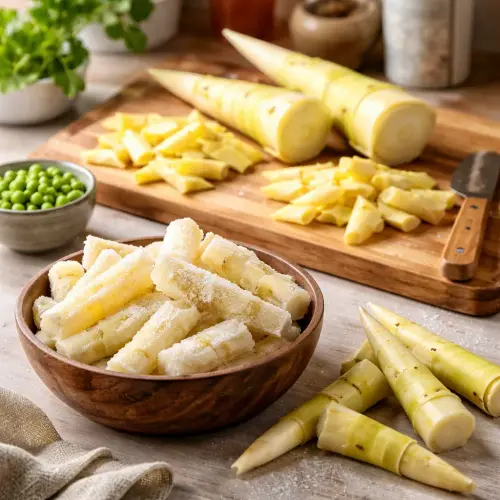
Frozen Bamboo Shoots Key Takeaways
If you love the crisp, earthy crunch of fresh bamboo shoots but struggle with prep time or seasonal availability, frozen bamboo shoots offer a reliable alternative.
- High-quality frozen bamboo shoots are blanched immediately after harvest, preserving color and crunch better than canned options.
- Nutritionally, frozen shoots compare closely to fresh — they lose minimal fiber and minerals during quick-freezing.
- For stir-fries, soups, and salads, thawed frozen shoots perform nearly identically to fresh when you follow a few simple preparation tips.
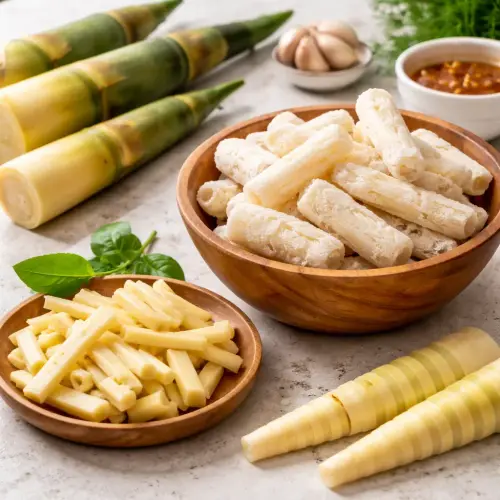
Why Cooks Turn to Frozen Bamboo Shoots
Fresh bamboo shoots have a short window of peak quality — usually only a few weeks in spring. Outside that season, they turn fibrous and bitter. That reality drives many home cooks and restaurant chefs to search for a convenient, year-round fresh bamboo shoots alternative.
Freezing solves several problems at once. It neutralizes the natural toxins present in raw bamboo (cyanogenic glycosides) through blanching, extends shelf life to over a year, and eliminates the labor-intensive peeling and boiling that fresh shoots demand. For busy households, switching to frozen can mean the difference between cooking with bamboo shoots regularly and skipping them altogether.
Yet not all frozen products are equal. The quality depends on the variety of bamboo, the time between harvest and freezing, and whether the shoots were whole or pre-cut. Knowing these factors helps you choose a product that truly acts as a fresh bamboo shoots alternative — not a compromise.
Comparing Frozen vs. Fresh: Texture, Taste, and Nutrition
To decide whether frozen bamboo shoots work for your kitchen, it helps to break down the specific areas that matter most: texture, flavor, and nutritional value. For a related guide, see Native Forest Organic Bamboo Shoots (14 oz) – Honest Quality and Value Review.
Texture and Mouthfeel
Fresh bamboo shoots have a distinctive crunch — firm yet tender, with a slight snap when you bite into them. Freezing changes cell structure slightly because water inside the plant cells expands and forms ice crystals.
However, quality frozen bamboo shoots are vacuum-sealed or flash-frozen, which minimizes crystal size. When cooked quickly (stir-fried or dropped into simmering soup), the texture comes very close to fresh. The main difference appears if you thaw them slowly at room temperature — they can turn slightly softer. The fix is simple: cook them directly from frozen, or thaw in cold water and pat dry before using.
Flavor Profile
Fresh shoots have a subtle, grassy sweetness with a hint of nuttiness. Properly frozen shoots retain the same natural flavors because the blanching step deactivates enzymes that cause bitterness. Some frozen brands add salt or citric acid as a preservative, which alters taste slightly. Always check the ingredient list — you want the product to say only “bamboo shoots” or “bamboo shoots, water.” For a related guide, see Vacuum-Packed vs. Canned Bamboo Shoots: 5 Smart Differences for Your Pantry.
Nutritional Retention
A 100-gram serving of fresh bamboo shoots contains about 2.2 grams of fiber, 2.5 grams of protein, and small amounts of potassium, phosphorus, and vitamin B6. Freezing causes minimal nutrient loss — typically less than 10% for water-soluble vitamins and negligible loss for fiber and minerals. Canned bamboo shoots, by contrast, lose significant fiber and flavor during the pressure-cooking process.
For anyone focused on a high-fiber or low-calorie diet (fresh and frozen shoots both have roughly 27 calories per 100 g), frozen bamboo shoots are nutritionally interchangeable with fresh.
| Aspect | Fresh Bamboo Shoots | Frozen Bamboo Shoots | Canned Bamboo Shoots |
|---|---|---|---|
| Prep time | 30-60 minutes (peel, boil, cool) | 0-5 minutes (thaw or cook frozen) | 0 minutes (drain and rinse) |
| Texture | Crunchy, firm | Nearly crunchy (slightly softer) | Soft, spongy, mushy |
| Flavor | Grassy, nutty, mild | Same, if no preservatives added | Metallic, briny, bland |
| Nutrition (fiber) | ~2.2 g per 100 g | ~2.0 g per 100 g | ~1.5 g per 100 g |
| Shelf life | 1-2 weeks refrigerated | 12-18 months frozen | 2-5 years |
How to Select and Use Frozen Bamboo Shoots for Best Results
Choosing the right product and handling it correctly makes the difference between a dish that shines and one that falls flat. Here is a step-by-step approach.
Step 1: Read the Label Carefully
Look for frozen bamboo shoots that list only bamboo shoots and possibly water as ingredients. Avoid products with added salt, sugar, or preservatives like sodium bisulfite — those affect taste and texture. Whole shoots or large chunks freeze better than shredded or diced pieces, which can turn mushy.
Step 2: Store Properly
Keep the bag at a constant 0°F (-18°C) or colder. If the package has been thawed and refrozen (common with frost-covered bags), the texture suffers. Once opened, use within 3 days and never refreeze.
Step 3: Cook Without Thawing (for Best Texture)
For stir-fries, drop the frozen shoots directly into the hot pan. The rapid heat evaporates surface moisture, preserving crunch. For soups or braised dishes, add them frozen — they will release water into the broth, which you can adjust with extra seasoning.
Step 4: If You Must Thaw, Do It Gently
Place the frozen shoots in a bowl of cold water for 10-15 minutes. Pat dry thoroughly with paper towels before cooking. This method prevents the sogginess that happens when you microwave or leave them on the counter.
Real-World Examples: Dishes Where Frozen Shoots Excel
Not every recipe benefits equally from frozen bamboo shoots. Here are three where they perform at their best.
Thai Green Curry with Bamboo Shoots
In this classic dish, bamboo shoots add crunch against the creamy coconut milk. Using frozen shoots works perfectly because they cook in the curry sauce for only 5-7 minutes — long enough to heat through but short enough to keep their bite. Brands like Thai Taste and Aroy-D produce frozen shoots specifically for this use.
Japanese Takenoko Gohan (Bamboo Rice)
This delicate rice dish relies on the subtle flavor of bamboo shoots. Frozen shoots from spring harvests (labeled “harvest-pack”) work excellently here. Rinse them quickly to remove any freezer taste, then simmer with dashi and soy sauce before mixing with rice.
Chinese Stir-Fried Bamboo Shoots with Pork
A classic Sichuan or Shanghai preparation that pairs sliced shoots with slivers of pork belly. Frozen whole shoots that you slice yourself after thawing hold their shape better than pre-cut frozen pieces. Sear the sliced shoots in a hot wok with oil before adding the pork to maximize caramelization.
Risks and Safeguards When Using Frozen Bamboo Shoots
While frozen bamboo shoots are generally safe and convenient, a few pitfalls exist.
Risk 1: Freezer Burn
If the bag has been opened or stored for over a year, freezer burn can dry out the shoots and give them an off flavor. Safeguard: Buy from stores with high turnover, and always press out excess air before resealing with a clip or vacuum sealer.
Risk 2: Added Preservatives Masking Poor Quality
Some budget brands use salt or citric acid to cover up bland or slightly fermented shoots. Safeguard: Stick with reputable Asian grocery brands like Kikkoman, Mae Ploy, or Dynasty for consistent quality.
Risk 3: Incomplete Cooking
Although frozen shoots are pre-blanched and safe to eat cold (like in salads), eating them straight from the bag can expose you to residual enzymes that cause slight digestive upset. Safeguard: Always boil or cook frozen shoots for at least 3 minutes before serving cold — this deactivates any remaining enzymes.
Useful Resources
For more detailed comparison of processing methods and nutritional data, visit BBC Good Food’s guide to bamboo shoots. For an in-depth look at how freezing affects vegetable texture, the USDA Agricultural Research Service publishes reliable research on frozen vegetable quality.
Frequently Asked Questions About Frozen Bamboo Shoots
Can you eat frozen bamboo shoots without cooking?
Yes, frozen bamboo shoots are pre-blanched and safe to eat raw after thawing. However, cooking for at least 3 minutes improves flavor and digestion.
Are frozen bamboo shoots as healthy as fresh?
Nutritionally, frozen shoots retain about 90-95% of their vitamins and all of their fiber and minerals, making them virtually interchangeable with fresh.
How long do frozen bamboo shoots last in the freezer?
Properly sealed, they maintain best quality for 12-18 months at 0°F (-18°C) and remain safe to eat indefinitely if the seal is intact.
Do frozen bamboo shoots taste different from fresh?
High-quality frozen shoots taste nearly identical to fresh. Some brands add salt or citric acid, which alters the flavor slightly — always check the ingredient list.
Can I substitute frozen bamboo shoots for fresh in any recipe?
In cooked dishes like stir-fries, soups, curries, and braises, yes. For raw salads, thawed frozen shoots work but may be slightly softer than fresh.
Do I need to thaw bamboo shoots before cooking?
No. Adding them directly to a hot pan or boiling liquid gives the best texture. Thawing slowly can make them mushy.
What’s the best way to thaw frozen bamboo shoots ?
Place the shoots in a bowl of cold water for 10-15 minutes, then pat dry. Avoid microwaving or leaving on the counter at room temperature.
Are frozen bamboo shoots better than canned?
Yes, for texture and flavor. Frozen shoots retain crunch and natural taste, while canned shoots are soft, spongy, and often have a metallic flavor.
Can I freeze fresh bamboo shoots at home?
Yes. First, peel and boil them for 20 minutes, then cool, slice, and pack in airtight freezer bags. Use within 6 months for best quality.
Do frozen bamboo shoots contain any additives?
Some brands add salt, citric acid, or sodium bisulfite. For the cleanest taste, choose products that list only bamboo shoots and water.
Are frozen bamboo shoots expensive?
They typically cost $3 to $6 per 14-ounce bag, comparable to fresh shoots but without the weight of peel and trim waste.
Can I use frozen bamboo shoots in salads?
Yes. Thaw them in cold water, pat dry, and toss with dressing. They hold up well in Asian-style salads with sesame oil and soy.
What cuisines use frozen bamboo shoots most often?
Thai, Japanese, Chinese, Vietnamese, and Burmese cuisines rely on frozen shoots for year-round cooking, especially in curries, soups, and stir-fries.
How do I know if frozen bamboo shoots have gone bad?
Signs include a sour or fermented smell, slimy texture after thawing, or large ice crystals in the bag (indicating freezer burn).
Can I eat frozen bamboo shoots after the best-by date?
Yes, if the package is intact and the shoots show no signs of freezer burn or off odor, they remain safe to eat for months beyond the date.
Are frozen bamboo shoots gluten-free?
Pure frozen shoots (no added sauces) are naturally gluten-free. Check the label for any additives that might contain gluten.
Can I use frozen bamboo shoots in kimchi or fermenting?
Yes, but the blanching process removes the natural bacteria needed for fermentation. You would need to add a starter culture or rely on existing brine.
What brand of frozen bamboo shoots is best?
Thai Taste, Aroy-D, and Dynasty are widely available and consistently produce high-quality frozen shoots without preservatives.
Can I refreeze thawed bamboo shoots?
Not recommended. Refreezing destroys cell structure, resulting in mushy texture and potential bacterial growth if thawed above 40°F.
Are frozen bamboo shoots available year-round?
Yes. Unlike fresh shoots, which are seasonal, frozen versions are available at major supermarkets and Asian grocers throughout the year.