
Best Wok for Indonesian Stir-Frying Key Takeaways
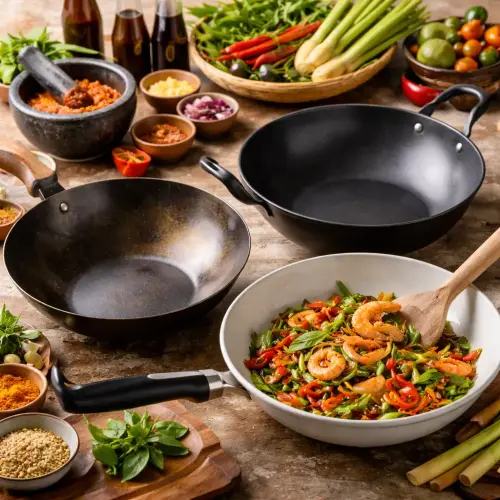
Choosing the best wok for Indonesian stir-frying depends on how you cook nasi goreng , mie goreng , and capcay .
- Carbon steel is the top choice for traditional Indonesian stir-frying because it heats fast, develops a natural seasoning, and withstands high temperatures.
- Non-stick woks work well for beginners cooking saucy dishes with lower heat, but they cannot achieve the intense sear needed for true goreng technique.
- Ceramic woks offer a non-toxic surface and moderate heat distribution, but they chip easily and lack the durability for daily high-heat stir-frying.
Why the Best Wok for Indonesian Stir-Frying Depends on Heat and Technique
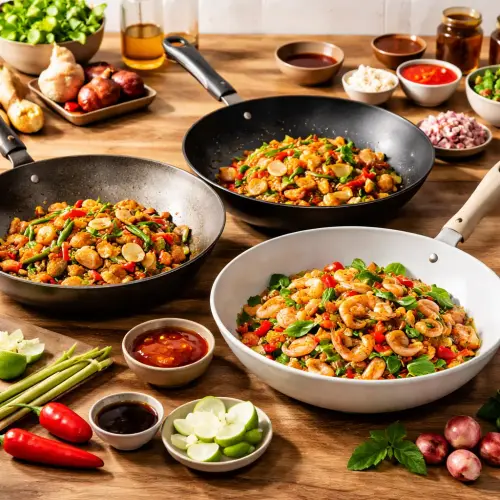
Indonesian stir-frying, or menumis and menggoreng, relies on intense, even heat to quickly cook ingredients while preserving texture and layering flavors. The wok must reach temperatures above 200°C (400°F) to caramelize kecap manis and sear aromatics like shallots, garlic, and chili. Not every wok material can handle this without warping or degrading.
The traditional Indonesian kitchen has long favored carbon steel for its responsiveness and durability. However, modern home cooks often gravitate toward non-stick or ceramic woks for convenience. This guide breaks down each type so you can match your cookware to your cooking style. For a related guide, see Joyce Chen 2-Tier Bamboo Steamer (10-Inch): Essential for Perfect Indonesian Cakes.
Comparing Carbon Steel vs. Non-Stick vs. Ceramic for Indonesian Dishes
To help you visualize the differences, the table below summarizes key attributes across three popular wok materials.
| Feature | Carbon Steel Wok | Non-Stick Wok | Ceramic Wok |
|---|---|---|---|
| Heat retention | Excellent | Good (moderate) | Fair |
| Max safe temperature | 260°C+ | 200-230°C | 180-200°C |
| Natural seasoning | Yes (improves over time) | No | No |
| Stickiness for eggs/tofu | Requires seasoning | Non-stick from day one | Non-stick but degrades |
| Durability | Very high | Medium (coating wears) | Low (prone to chipping) |
Carbon Steel: The Traditional Choice for Authentic Wok Hei
A carbon steel wok is lightweight enough to toss ingredients yet sturdy enough to withstand a gas flame. With proper seasoning, it becomes naturally non-stick and develops a dark patina that adds depth to every dish. For Indonesian nasi goreng, the high heat creates the slight char that mimics street-side cooking.
The main downside is maintenance: you must season the wok regularly and avoid acidic ingredients for long periods. But for cooks who stir-fry several times a week, carbon steel pays off with unmatched performance.
Non-Stick Wok: Convenience Without the Heat
A non-stick wok excels when cooking sticky sauces or delicate foods like eggs. Cleanup is effortless, and you need less oil. However, most non-stick coatings degrade above 230°C, which prevents you from achieving the high heat needed for the caramelization that defines Indonesian stir-fries.
If you cook mostly capcay (mixed vegetables) or quick mie goreng with wet sauces, a good-quality non-stick wok can still work — just keep the heat below medium-high. Expect to replace it every 1-2 years.
Ceramic Wok: Healthy Surface, Limited Longevity
A ceramic wok offers a PTFE- and PFOA-free non-stick surface that appeals to health-conscious cooks. It heats more evenly than cheap non-stick, but it cannot match carbon steel’s ability to hold high heat. Ceramic coatings chip if you use metal utensils or overheat the pan.
For occasional Indonesian stir-frying, a ceramic wok can produce decent results with less oil. But frequent high-heat use will shorten its lifespan. It is best suited for cooks who prioritize a non-toxic surface and are willing to replace the pan every couple of years.
How to Choose the Best Wok for Indonesian Stir-Frying Based on Your Kitchen Setup
Your stove type and cooking frequency matter as much as the wok material. Here is a step-by-step approach.
Step 1: Match the Wok to Your Heat Source
Gas burners are ideal for any wok, especially carbon steel. If you have an induction or electric stove, choose a flat-bottomed carbon steel or non-stick wok — ceramic versions often have a thinner base that can warp.
For glass-top electric stoves, a heavy-gauge stainless steel or carbon steel wok with a flat bottom distributes heat most evenly. Avoid thin ceramic woks that may scratch the cooktop.
Step 2: Consider Your Most-Cooked Indonesian Dishes
- Nasi goreng and mie goreng: Carbon steel is best for achieving the smoky flavor. Use high heat and toss frequently.
- Capcay and sop bakso: A non-stick or ceramic wok works fine because these dishes involve more liquid and lower heat.
- Sambal goreng or oseng-oseng: Carbon steel handles the prolonged sautéing of spices without sticking once seasoned.
Step 3: Evaluate Your Maintenance Tolerance
If you want set-and-forget cookware, go with a quality non-stick wok from a reputable brand. If you are willing to season your pan and avoid dishwashers, carbon steel delivers the most authentic results. Ceramic sits in the middle but requires gentle handling.
Risks and Safeguards When Using Different Wok Materials
Carbon Steel: Rust and Acidic Foods
If you leave a carbon steel wok wet, rust can form overnight. Dry it immediately after washing and apply a thin layer of oil. Also avoid cooking highly acidic foods like tamarind-based soups for more than 10 minutes, as the acid can strip the seasoning.
Non-Stick: Overheating and Flaking
Never preheat a non-stick wok empty. The coating can break down and release fumes at high temperatures. Keep the heat at medium or below, and use only wooden or silicone utensils. Replace the wok once the surface shows signs of scratching or peeling.
Ceramic: Chipping and Sudden Breakage
Ceramic woks can crack if you pour cold water into a hot pan. Let the wok cool gradually before washing. Avoid stacking heavy pans on top of it in storage.
Useful Resources
For further reading on wok techniques and seasoning, visit Serious Eats’ comprehensive wok guide. To dive deeper into Indonesian cooking methods, check out Food52’s discussion on wok selection for Asian cuisines.
Selecting the best wok for Indonesian stir-frying ultimately comes down to matching the material to your stove, your favorite dishes, and your willingness to maintain the pan. Carbon steel remains the top choice for authentic flavor, while non-stick and ceramic suit more casual kitchens. Whichever you choose, a well-maintained wok will bring the vibrant taste of Indonesia to your table. For a related guide, see Fresh vs. Canned Bamboo Shoots: 5 Key Differences and Best Choice.
Frequently Asked Questions About Best Wok for Indonesian Stir-Frying
Is a carbon steel wok safe for induction cooktops?
Yes, if the wok has a flat bottom and the steel is magnetic. Many carbon steel woks work well on induction, but you need a flat base for good contact.
Can I use metal utensils with a ceramic wok?
No, metal utensils can scratch and chip the ceramic coating. Stick to wooden, bamboo, or silicone tools to protect the surface.
What size wok is best for Indonesian stir-frying at home?
A 14-inch (35 cm) wok is ideal for most home kitchens — large enough to toss ingredients without overcrowding, yet manageable for storage.
How do I season a carbon steel wok for Indonesian cooking?
Wash off the factory coating, dry thoroughly, heat the wok until it smokes, rub a thin layer of high-smoke-point oil (like peanut or canola) all over, and let it cool. Repeat 2-3 times.
Does a non-stick wok affect the taste of nasi goreng?
Yes, because it cannot generate the high heat needed for wok hei, the finished dish will lack the characteristic smoky aroma that carbon steel provides.
How often should I replace a ceramic wok?
With moderate use (2-3 times a week), a ceramic wok should last 1-2 years. Replace it as soon as you notice chips or loss of non-stick performance.
Can I deep-fry in a carbon steel wok?
Absolutely. Carbon steel is excellent for deep-frying because it heats rapidly and retains temperature well. Just use plenty of oil and a thermometer.
Are ceramic woks eco-friendly?
Ceramic coatings are free of PTFE and PFOA, making them less harmful during production. However, they still contain metals and are less durable, so overall waste may be higher.
What is the best oil for seasoning a carbon steel wok?
Oils with a high smoke point, such as grapeseed, peanut, or avocado oil, work best. Avoid olive oil or butter for seasoning because they burn at lower temperatures.
Can I wash a carbon steel wok with soap?
Occasional use of mild soap is fine, but avoid harsh detergents. After washing, dry thoroughly and apply a thin layer of oil to prevent rust.
Does a flat-bottom wok work as well as a round-bottom wok?
For electric and induction stoves, a flat-bottom wok is necessary. It performs nearly as well as a round-bottom wok on gas, but the heat is less concentrated in the center.
Is a ceramic wok better than non-stick for health?
Ceramic is often marketed as healthier because it avoids PTFE and PFOA, but it can still leach trace metals if scratched. For most cooks, the difference is minimal.
How long does it take to season a carbon steel wok?
The initial seasoning takes about 30-45 minutes. However, the wok improves with each use. After 5-10 cooking sessions, the seasoning becomes dark and non-stick.
Can I cook acidic Indonesian dishes in a carbon steel wok?
Brief cooking (under 10 minutes) is fine. Prolonged simmering of acidic ingredients like tamarind or lime juice may strip the seasoning, so use stainless steel for long-simmered dishes.
Do I need a wok ring for a round-bottom wok?
On a gas stove, a wok ring stabilizes the round bottom and directs heat to the center. Without one, the wok may wobble and heat unevenly.
Which brand makes the best carbon steel wok for Indonesian cooks?
Brands like Yosukata, Craft Wok, and Joyce Chen offer reliable, affordable carbon steel woks that suit Indonesian stir-frying needs. Look for 14-inch diameter and a round bottom if you have gas.
Can I use an electric wok for Indonesian stir-frying?
Electric woks rarely reach the high temperatures needed for true stir-frying. They work for simmering or shallow frying, but you will not achieve the smoky wok hei flavor.
Do ceramic woks contain lead or cadmium?
Reputable brands comply with FDA and EU safety standards, but some cheaper ceramic woks may contain trace amounts of heavy metals in the glaze. Buy from well-known manufacturers.
Is a carbon steel wok heavy for everyday use?
Carbon steel is lightweight compared to cast iron. Most 14-inch carbon steel woks weigh 2-3 pounds, which is manageable for tossing ingredients even for beginners.
How do I remove rust from a carbon steel wok?
Scrub the rust with a steel wool pad and warm water, then dry immediately. Re-season the wok after removing all rust to protect the surface.