
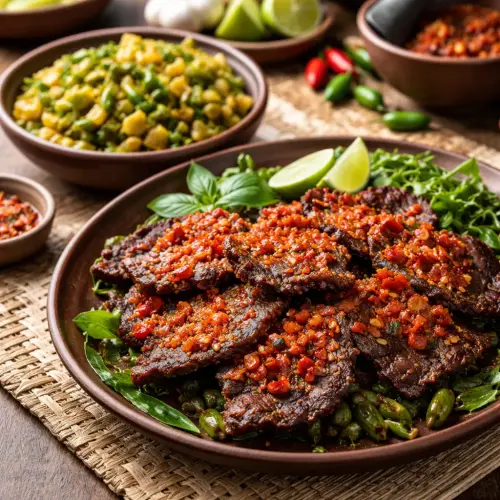
Crispy and Spicy Dendeng Batokok Padang Key Takeaways
Imagine stepping into a bustling rumah makan in Padang, where the air is thick with the aroma of fried chilies and coconut.
- Crispy and Spicy Dendeng Batokok Padang relies on a double-fry technique and careful spice timing for maximum crunch.
- Green chili rebung adds a bright, slightly sour note that cuts through the rich heat of the dendeng.
- Avoid soggy meat by patting the beef dry and frying in small batches at the right oil temperature.
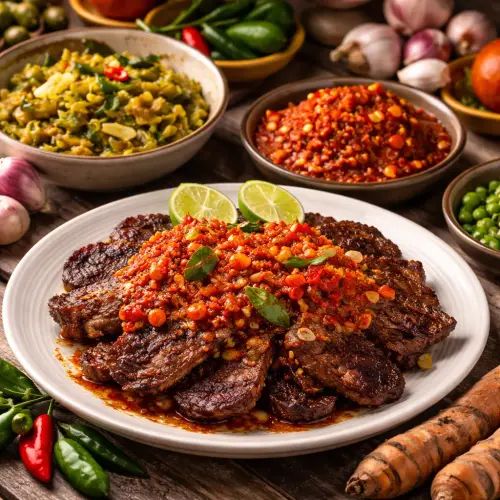
What Makes Crispy and Spicy Dendeng Batokok Padang So Irresistible
The magic of dendeng batokok padang lies in its texture. The word “batokok” means “pounded” in Minangkabau—a reference to the traditional method of tenderizing thinly sliced beef with a heavy pestle until it nearly doubles in width. This mechanical breakdown creates a porous surface that fries up impossibly crisp. After frying, the crispy dendeng is quickly tossed with a sambal made from red chilies, shallots, garlic, and a hint of tamarind. The result is a dish that crackles with every bite yet still delivers deep, savory heat from the spice paste.
In Padang culture, this dish is more than just food—it is a symbol of resourcefulness. Minang households would preserve beef by sun-drying it after seasoning, a method that later evolved into the quick-fry version we love today. Whether served during family gatherings or as a daily lunch staple, spicy dendeng recipe like this one commands respect for its bold flavors and meticulous preparation.
The Role of Quality Beef in Achieving Crispy Texture
Not all cuts work well for dendeng batokok. The best option is topside or round steak—lean cuts with minimal connective tissue. Fat may add flavor, but too much will prevent that signature crunchy crust. Slice the beef against the grain into 1/4-inch thick pieces, then pound each slice with a meat mallet until it is about 1/8-inch thick. This step is non-negotiable for the right mouthfeel.
Understanding the Balance of Spice and Sweetness
The sambal in this dish does not just bring heat; it must be balanced. Minang cooks often add a tiny pinch of sugar and a splash of kecap manis (sweet soy sauce) to round out the fiery chilies. The tamarind paste provides a mild tang that lifts all the flavors. If you prefer a less intense heat, remove the seeds from the red chilies before grinding.
7 Expert Tips for Perfect Crispy and Spicy Dendeng Batokok Padang
Here are the seven techniques that professional Padang cooks use to guarantee a flawless result every time.
Tip 1: Choose the Right Meat and Slice It Thinly
Beef sirloin or eye of round works beautifully. Trim off any silver skin and freeze the meat for about 20 minutes before slicing—this firms it up, allowing you to cut ultra-thin slices without shredding the fibers.
Tip 2: Pound with Purpose, Not Just Force
Place each slice between two sheets of plastic wrap and pound gently from the center outward. Aim for even thickness. An unevenly pounded piece will cook irregularly—some parts burn while others stay chewy. This is the heart of the crispy dendeng technique.
Tip 3: Marinate with Salt and Lime
Rub the pounded beef with salt and a squeeze of lime juice. Let it sit for 15 minutes. The acid helps break down proteins slightly while the salt seasons the meat deeply. Do not skip this step, or the final dish will taste flat.
Tip 4: Use the Double-Fry Method
First, fry the beef at 160°C (320°F) for about 3 minutes until just cooked. Remove and let it rest on a wire rack for 5 minutes. Then increase the oil temperature to 190°C (375°F) and fry again for 1-2 minutes until golden brown and shatteringly crisp. This two-step process locks in crunch that lasts even after the sambal is added.
Tip 5: Fry the Sambal Separately
Never toss raw sambal onto the hot beef. Instead, sauté the ground spice paste with a little oil until the color deepens and the fragrance blooms—usually 4-5 minutes. Then remove from heat before combining with the fried beef. This prevents the sambal from becoming bitter or burning.
Tip 6: Coat the Beef Just Before Serving
Mix the crispy and spicy dendeng batokok padang only when you are ready to plate. If you let it sit, the moisture from the sambal will soften the crust. Serve immediately for maximum texture contrast.
Tip 7: Pair with Cool, Tangy Accompaniments
This is where the green chili rebung pairing shines. Finely sliced bamboo shoots are stir-fried with green chilies, shallots, and a touch of vinegar. The slight acidity and crunch provide a refreshing counterpoint to the rich, spicy beef. A side of steamed rice and a few slices of fresh cucumber complete the meal. For a related guide, see Easy Javanese Sayur Lodeh Rebung with Shrimp and Tofu (Classic Recipe).
How to Make Green Chili Rebung the Perfect Partner
Green chili rebung is a classic Padang side dish that deserves its own spotlight. It is not merely a garnish; it is a strategic component that balances the entire plate. The bamboo shoots, known as rebung, are young shoots that have a tender yet slightly fibrous texture. When sliced thinly and sautéed with green bird’s eye chilies, shallots, and a splash of vinegar, they become a slightly sour, spicy, and crunchy accompaniment. For a related guide, see Easy Sambal Goreng Rebung ala Mom: Essential Spicy Side for Sahur.
To prepare it at home, boil fresh bamboo shoots for 10 minutes to remove any bitterness. Drain and slice them thinly. In a hot wok, sauté sliced shallots and green chilies in a little oil until fragrant. Add the bamboo shoots, a pinch of salt, and a drizzle of rice vinegar. Stir-fry for only 2 minutes—you want the shoots to retain their bite. Serve at room temperature alongside your dendeng batokok padang.
Why This Pairing Works So Well
The green chili rebung pairing works because it mirrors the classic Minang approach: never let one flavor dominate. The heat from the dendeng’s sambal is tempered by the mild sourness of the bamboo shoots. The crispy beef contrasts with the tender-crisp shoots. Together, they create a harmony that keeps you coming back for another spoonful of rice.
Common Mistakes When Cooking Dendeng Batokok Padang
Even experienced home cooks can fall into traps that ruin the texture. Here are three frequent errors and how to avoid them.
Overcrowding the Pan
Frying too many slices at once drops the oil temperature, leading to greasy, soggy beef. Fry in batches—no more than five or six slices per batch for a standard wok. Use a spider strainer to remove the fried beef and let the oil come back to temperature before adding the next batch.
Skipping the Rest Between Fries
The resting period between the first and second fry is not optional. During rest, the surface moisture evaporates, and the internal temperature equalizes. This is what creates the crackling crust. Without it, the exterior will not crisp up properly.
Adding the Sambal Too Early
One of the most common mistakes is pouring the sambal directly onto hot oil or cooking it together with the beef. This steams the meat and makes it chewy. Always cook the sambal separately and combine at the very last minute.
Useful Resources
For more background on the Minangkabau culinary tradition, visit BBC Good Food’s Dendeng Batokok guide for a traditional take on this recipe. To explore more authentic Indonesian spice blends, check out SBS Food’s Padang-style dendeng article.
Frequently Asked Questions About Crispy and Spicy Dendeng Batokok Padang
What is dendeng batokok ?
Dendeng batokok is a traditional Minang dish from West Sumatra where thin slices of beef are tenderized by pounding, then fried until crispy and coated in a spicy chili sambal.
Can I use a different meat besides beef?
Traditionally beef is used, but some home cooks successfully substitute buffalo meat or even chicken breast. The key is to choose a lean cut and pound it very thin.
How do I keep the dendeng crispy for longer?
Store the fried beef separately from the sambal. Only combine them right before serving. If you have leftovers, reheat the beef in a hot oven (not microwave) to restore crunch.
Where can I buy bamboo shoots for the rebung?
Fresh bamboo shoots are available in Asian grocery stores, often in the refrigerated section. Canned or jarred bamboo shoots also work—rinse them well to remove the brine taste.
Is dendeng batokok very spicy?
The spice level depends on the number and type of chilies used. You can adjust by removing seeds or using fewer bird’s eye chilies. The green chili rebung adds mild heat, not extreme spiciness.
What type of oil is best for frying dendeng?
Use a neutral oil with a high smoke point, such as coconut oil, peanut oil, or canola oil. Coconut oil adds a subtle nutty note that complements the sambal.
Can I make dendeng batokok ahead of time?
You can fry the beef up to two days ahead and keep it in an airtight container at room temperature. Prepare the sambal separately and combine just before serving.
What is the best rice to serve with this dish?
Steamed white jasmine rice or pandan rice is ideal. The fluffy grains absorb the spicy sambal and provide a neutral base for the strong flavors.
How thin should the beef slices be?
Aim for about 1/8 inch (3 mm) after pounding. If you skip the pounding, slice the raw beef no thicker than 1/4 inch (6 mm) to ensure even cooking.
Can I freeze dendeng batokok ?
Yes. Freeze the fried beef (without sambal) in a sealed bag for up to one month. Reheat in a skillet or oven before adding fresh sambal.
What if I cannot find tamarind paste?
Substitute with lime juice or a splash of rice vinegar. The sour element is important for balance, but you can also use dried asam gelugur or even a bit of lemon.
Is this dish gluten-free?
Most ingredients are naturally gluten-free. However, check your soy sauce or kecap manis—some brands contain wheat. Use tamari or a certified gluten-free kecap manis if needed.
Why is my dendeng chewy instead of crispy?
Possible causes: the beef was not pounded enough, the oil was not hot enough, or you skipped the double-fry. Also, adding sambal too early can steam the meat.
Can I shallow-fry instead of deep-fry?
Shallow frying works as long as the oil comes at least halfway up the beef slices. Use a wide pan and flip once during the second fry to ensure even browning.
What makes this dish different from beef jerky?
Dendeng batokok is not dried; it is fresh beef that is pounded and fried. The texture is crispy on the outside and tender inside, unlike the fully dried, chewy jerky.
How long does it take to prepare dendeng batokok from start to finish?
About 45 minutes to one hour: 15 minutes for prepping and marinating, 20 minutes for frying (including resting), and 10 minutes for the sambal and final assembly.
Can I skip the pounding if I buy pre-sliced beef?
Pre-sliced stir-fry beef is usually cut across the grain but is too thick. You still need to pound it to achieve the required thinness and porous texture.
Is there a vegetarian version of this dish?
You can substitute beef with thick slices of firm tofu or tempeh. Press them well, slice thinly, and follow the same pounding and double-fry method for a convincing texture.
What is the best way to reheat dendeng batokok ?
Use an air fryer at 180°C (350°F) for 3-4 minutes, or reheat in a preheated oven at 200°C (400°F) for 5 minutes. Avoid the microwave as it makes the beef soggy.
Can I use dried chilies instead of fresh?
Yes, dried red chilies are common in traditional recipes. Soak them in hot water for 10 minutes before grinding to soften them. The flavor will be slightly smokier.