
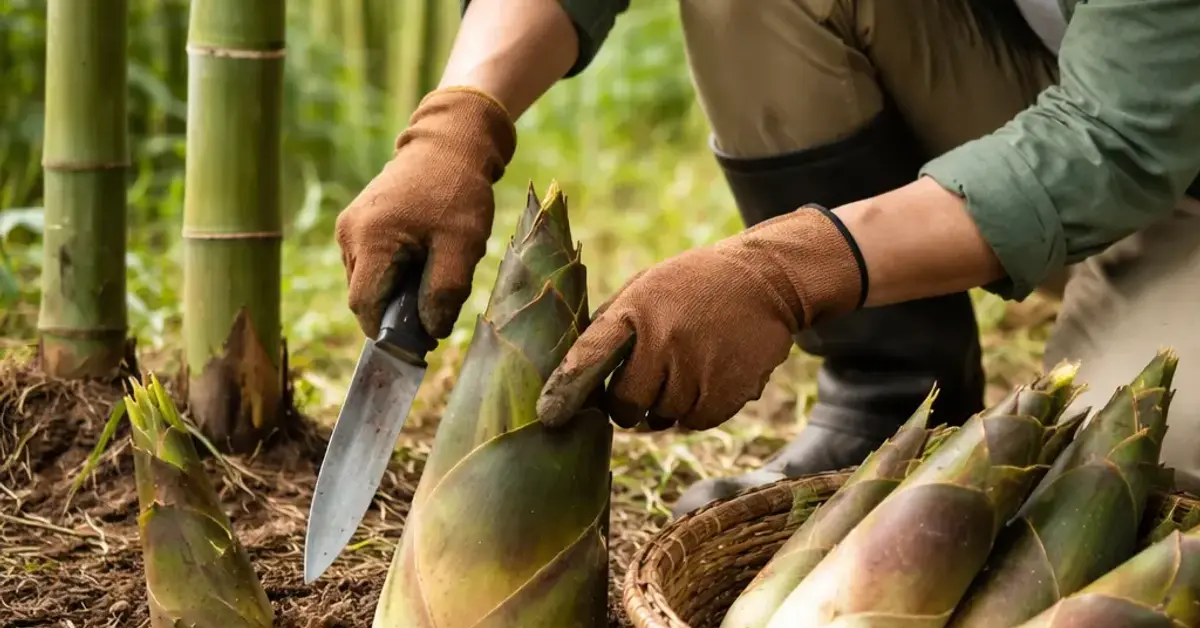
how to harvest bamboo shoots without killing the parent plant Key Takeaways
Bamboo shoots are a delicious seasonal delicacy, but improper harvesting can weaken or kill the parent plant.
- Master how to harvest bamboo shoots without killing the parent plant by cutting at the correct angle and depth.
- Harvest only one-third of emerging shoots to maintain plant energy reserves for regrowth.
- Timing is critical — harvest when shoots are 6–12 inches tall before they harden into woody culms.
Why Learning How to Harvest Bamboo Shoots Without Killing the Parent Plant Matters
Bamboo is a grass, not a tree, and its underground rhizome network makes it both resilient and surprisingly fragile. If you cut too deep, slice the wrong part, or take too many shoots at once, you risk weakening the entire grove. Sustainable bamboo harvesting means treating the parent plant as a renewable resource rather than a single-use crop. For a related guide, see 7 Surprising Benefits: Harvesting Bamboo Shoots Makes Bamboo Grow Better.
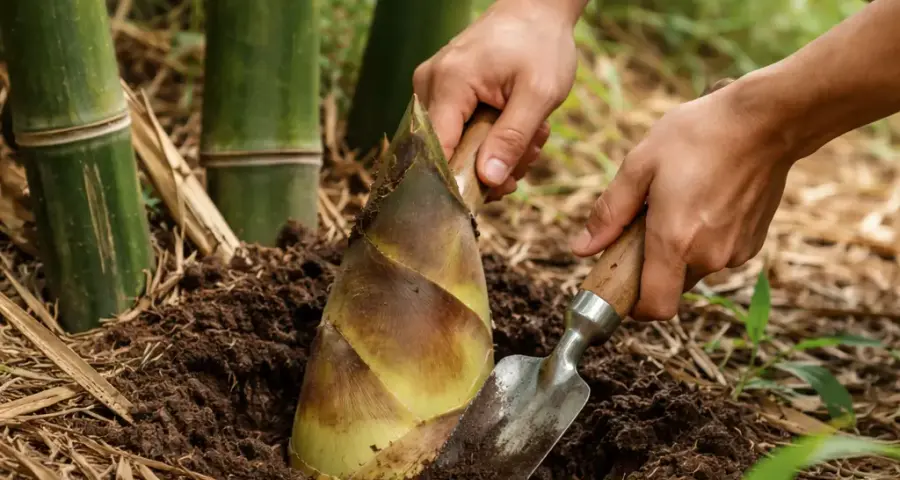
The shoots you eat are actually tender new culm tips that emerge in spring. They draw energy from the connected rhizome system, so careless harvesting can introduce rot, reduce vigor, and stunt future growth. By following a few careful steps, you can harvest bamboo shoots every year without harming the mother plant. For a related guide, see Rebung Chips: Easy 4-Step Guide to Crispy Keripik Rebung.
Key Principles of Sustainable Bamboo Shoot Harvesting
Before you head to the grove, understand these ground rules. They form the foundation of how to harvest bamboo shoots without killing the parent plant. For a related guide, see Rebung Steaming Guide: 5 Expert Tips for Bamboo Steamers.
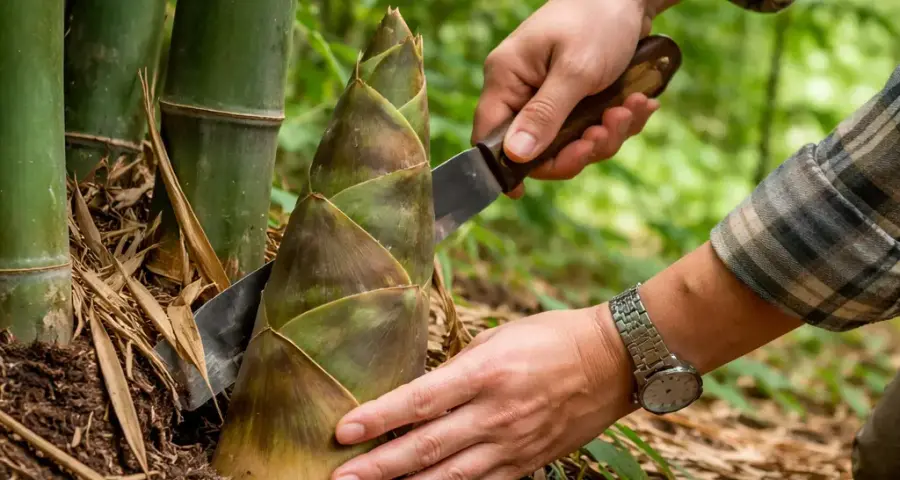
Timing Determines Success
Harvest shoots when they are 6 to 12 inches tall and still covered in tight, brownish sheaths. At this stage, the inner flesh is tender and the shoot has not yet begun to lignify. Once a shoot exceeds 18 inches, it becomes fibrous and the parent plant has already invested significant energy into it.
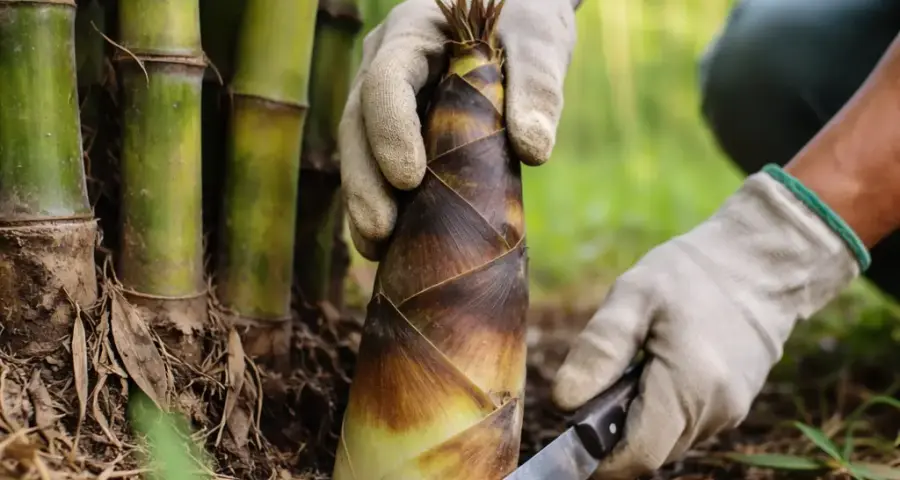
Observe the 30% Rule
Never remove more than one-third of the emerging shoots from a single clump or patch. The remaining shoots will grow into mature culms that generate energy through photosynthesis, feeding the entire rhizome system. This is the single most important rule for bamboo shoot harvesting without killing plant.
Choose the Right Tool
A sharp, long-bladed knife or a narrow garden spade works best. Dull tools crush the shoot base, creating entry points for bacteria and fungi. Cleanliness matters — bacteria introduced through cuts can migrate down the rhizome and infect neighboring culms.
5 Steps to Harvest Bamboo Shoots Without Killing the Parent Plant
Follow this exact procedure each time you harvest. The steps are simple, but each one protects the long-term health of your grove.
Step 1: Locate Shoots That Are Ready
Walk your bamboo patch daily during the shooting season (typically early spring through early summer, depending on your climate). Look for shoots that have emerged 6–12 inches above ground. The sheaths should still be tightly wrapped and the tip slightly pointed. Avoid shoots that have already started leafing out — those are too old.
Step 2: Clear Soil Around the Base
Gently brush away soil, mulch, or leaf litter from around the shoot base. You need to see exactly where it connects to the underground rhizome. Do not pull or yank the shoot, as this can tear the rhizome junction.
Step 3: Cut at the Correct Angle and Depth
Insert your knife blade at a 45-degree angle about 1–2 inches below the soil surface. Slice cleanly through the shoot base just above where it connects to the rhizome. The angled cut helps water run off, reducing the risk of rot in the remaining stump. Cutting straight across or too deep can damage the rhizome node, which is the parent plant’s lifeline.
Step 4: Leave a Short Stump
Do not cut flush with the rhizome. Leave a 1-inch stub above the junction. This stub naturally dries out and seals itself, acting as a protective cork. In a few weeks, it will rot away harmlessly without spreading decay into the larger root system.
Step 5: Recover the Area
Replace the soil and mulch around the stump. Water the area lightly if the soil is dry. This prevents air pockets and maintains moisture balance around the remaining rhizome. Mark the spot if you want to observe how the stump heals over the next month.
Common Mistakes That Harm the Parent Plant
Even experienced gardeners make these errors. Avoid them to ensure your how to harvest bamboo shoots without killing the parent plant technique stays safe.
Overharvesting in the First Year
A newly planted bamboo grove needs at least two full growing seasons to establish its rhizome network. Taking shoots during this period stresses the plant and delays maturity. Wait until the third spring before harvesting any shoots.
Using Shears or Scissors
Shears crush the shoot tissue rather than slicing it cleanly. A crushed base heals poorly and can rot. Always use a single, sharp blade or a narrow spade designed for root cutting.
Pulling Shoots by Hand
Pulling may seem quick, but it often tears the rhizome beneath the soil. A torn rhizome node may stop producing shoots the following year. Clean cuts heal quickly; torn wounds invite infection.
Best Practices for Long-Term Sustainable Bamboo Harvesting
Sustainable bamboo harvesting goes beyond the harvest moment. These practices keep your grove productive for decades.
Fertilize After Harvesting
Bamboo exhausts energy reserves during shoot production. After the harvest season ends, apply a balanced organic fertilizer (such as 10-10-10) around the drip line of each clump. Water it in thoroughly. This replenishes the nutrients needed for next year’s shoots.
Thin Mature Culms Annually
Remove old, weak, or damaged culms at ground level after the shooting season. This improves air circulation and directs more energy to the remaining culms and future shoots. Thinning also makes it easier to find new shoots in the spring.
Mulch Year-Round
A 2–4 inch layer of organic mulch (wood chips, straw, or shredded leaves) retains soil moisture, moderates soil temperature, and provides slow-release nutrients. Mulch also signals the plant that conditions are good for generating new shoots.
Useful Resources
For deeper guidance on bamboo cultivation and sustainable bamboo harvesting, consult these expert sources:
- Bamboo Garden — Comprehensive Guide to Harvesting Shoots — A detailed resource covering species-specific timing and preparation methods.
- Royal Horticultural Society — Bamboo: Growing Guide — Official advice on planting, maintaining, and harvesting bamboo in temperate climates.
Frequently Asked Questions About how to harvest bamboo shoots without killing the parent plant
Can I harvest bamboo shoots every year?
Yes, you can harvest every year if you follow the 30% rule and care for the parent plant with proper fertilization and mulching.
What is the best time of day to harvest bamboo shoots ?
Early morning is ideal because the shoots are turgid with moisture and less likely to wilt after cutting.
How deep should I cut the bamboo shoot?
Cut 1–2 inches below the soil surface, angling the blade at 45 degrees, without hitting the main rhizome node.
Do I need to remove the sheaths before cooking?
Yes, the tough outer sheaths are inedible. Peel them off to reveal the tender inner core, then boil or steam the shoot.
What happens if I cut too close to the rhizome?
Cutting too close can damage the rhizome node, causing rot to spread and potentially killing that section of the root system.
Can I harvest bamboo shoots from a potted bamboo plant?
Yes, but limit harvest to one or two shoots per season so the container bamboo has enough energy to survive.
How do I know if a bamboo shoot is too old to harvest?
If the shoot is taller than 18 inches or the sheaths are beginning to separate and show green leaves, it is too old and woody.
Is it safe to eat all bamboo shoot varieties?
Most edible bamboo shoots come from Phyllostachys and Bambusa species. Always confirm your species is non-toxic before eating.
How many bamboo shoots can I remove from one clump?
Never remove more than one-third of the emerging shoots. For a small clump with 10 shoots, harvest no more than 3.
Will the parent plant die if I harvest all the shoots?
Yes, removing all shoots starves the rhizome of future energy production and will likely kill the parent plant within one or two seasons.
Do I need to sterilize my knife between cuts?
Yes, wipe your blade with rubbing alcohol between cuts to prevent spreading soil-borne diseases between different clumps.
Can I harvest bamboo shoots in the fall?
Most bamboo shoots emerge in spring. Some tropical species produce a second flush in fall, but temperate varieties shoot only once.
What tool do professional growers use for bamboo shoots?
Many professionals use a sharp hori-hori knife or a narrow Japanese soil knife, which cuts cleanly without crushing.
How do I store fresh bamboo shoots after harvesting?
Keep them in the refrigerator unpeeled in a paper bag for up to 2 weeks. Peel and blanch before freezing for longer storage.
Does bamboo shoot harvesting affect the quality of mature culms?
Moderate harvesting has minimal impact on culm quality. Overharvesting reduces the number of mature canes available the following year.
Can I replant the harvested shoot to grow a new plant?
No, once cut from the rhizome, a bamboo shoot cannot root. New plants must come from rhizome divisions or offsets.
What is the difference between clumping and running bamboo for harvesting?
Clumping bamboo forms a tight cluster; running bamboo spreads widely. Both can be harvested the same way, but running bamboo recovers faster.
Should I water my bamboo before or after harvesting shoots?
Watering after harvesting helps the plant recover. Avoid watering right before harvest as wet soil can make the shoot base slippery.
How long does it take for a harvested bamboo stump to heal?
Typically 2–4 weeks. The stump dries out and darkens, then naturally decomposes without affecting the rhizome.
Is it possible to harvest bamboo shoots without any tool?
It is not recommended. Twisting or breaking the shoot by hand often damages the rhizome junction and increases rot risk.