
Padmanadi’s Vegan Chicken Curry review Key Takeaways
After one bite of Padmanadi’s legendary Vegan Chicken Curry, I knew I had to recreate it at home.
- This Padmanadi’s Vegan Chicken Curry review compares the original Edmonton restaurant dish with a tested copycat recipe.
- Key ingredients include soy-based chicken substitute, coconut milk, and a spice blend heavy on cumin and coriander.
- The homemade version nails the creamy texture but requires patience to build the complex aroma.
How I Discovered Padmanadi’s Vegan Chicken Curry
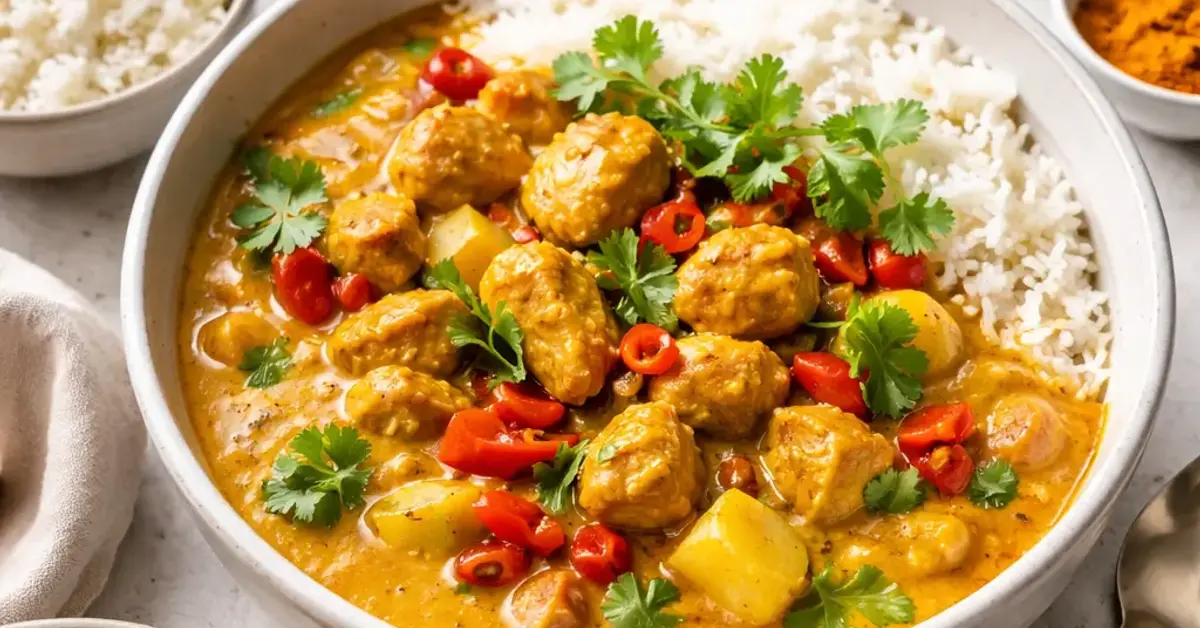
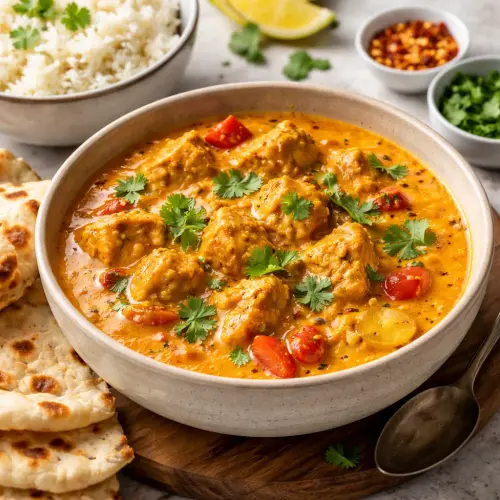
I still remember that rainy Tuesday evening. A friend who had been raving about Edmonton’s best-kept vegan secret finally dragged me to Padmanadi’s. The moment the server set down the bowl, steam curling upward, I knew this was different. The curry wasn’t just vegan — it was alive. The sauce had a deep orange glow, flecked with cilantro and what looked like generous chunks of chicken. I took a hesitant spoonful, then another. That first taste hooked me: rich, savory, with a gentle heat that built slowly. I walked out promising myself I’d figure out how to make it. For a related guide, see 7 Best Digital Cookbooks and Apps for On-the-Go Indonesian Cooking.
The Original Dish: A Sensory Deep Dive
To write an honest Padmanadi’s Vegan Chicken Curry review, I had to deconstruct what made the restaurant version so addictive. The sauce is the star — velvety, not watery, with a sweetness that balances the spice. The “chicken” pieces are firm yet tender, holding their shape without being rubbery. Every spoonful carries fragrant hits of garlic, ginger, and lemongrass. The curry has a medium heat level — warm enough to make your nose run but never punishing. It’s served with jasmine rice, which soaks up every drop of that golden gravy. For a related guide, see Full of Plants Vegan Indonesian Curry Recipe: Easy 1-Pot Review.
What Sets It Apart from Other Vegan Curries
Most vegan curries lean heavily on coconut milk for richness and fall flat on spice complexity. Padmanadi’s version layers whole spices — toasted cumin seeds, coriander, cardamom — before adding the coconut milk. That extra step creates a depth that store-bought curry powders can’t touch. The restaurant also uses a house-made vegan chicken substitute that has a flaky, shredded texture rather than a processed block.
The Challenge: Recreating That Magic at Home
When I set out to write this Padmanadi’s Vegan Chicken Curry review from my own kitchen, I knew the copycat would need three things: the right protein substitute, a spice blend that mimics Indonesian-Malaysian influence, and a technique that builds layers without shortcuts.
Choosing the Vegan Chicken Substitute
I tested four options: seitan strips, soy curls, store-bought vegan chicken pieces, and homemade chickpea-based mock chicken. The winner? Soy curls rehydrated in vegetable broth, then pan-fried until golden. They mimic the flaky, shredded texture better than anything else. If soy curls aren’t available, extra-firm tofu pressed and torn into chunks works as a close second.
Essential Ingredients for the Curry Base
Here’s the core ingredient list you’ll need for this restaurant-worthy vegan curry:
| Ingredient | Purpose | Substitute |
|---|---|---|
| Soy curls (or vegan chicken) | Protein and texture | Tofu, seitan, or chickpea pieces |
| Coconut milk (full-fat) | Creamy base | Cashew cream + water |
| Lemongrass stalk | Citrusy aroma | Lemon zest + 1 tsp ginger |
| Whole cumin and coriander seeds | Toasted spice foundation | Ground cumin + coriander (use less) |
| Kaffir lime leaves | Unique floral note | Bay leaf + lime zest |
Cooking Process: Step-by-Step to Copycat Perfection
Building the curry takes about 45 minutes, but most of that is hands-off simmering. Follow these steps closely if you want a Padmanadi’s Vegan Chicken Curry review that ends with a satisfied nod.
Step 1: Toast the Whole Spices
Heat a dry pan over medium heat. Add 1 teaspoon cumin seeds, 1 teaspoon coriander seeds, and 2 cardamom pods. Toast for 45 seconds until fragrant. Grind in a mortar or spice grinder — this step is non-negotiable for deep flavor.
Step 2: Build the Aromatics
In a heavy pot, sauté 1 diced onion in coconut oil until golden. Add 4 minced garlic cloves and a thumb of grated ginger. Cook another 2 minutes. Stir in the ground spices, 1 teaspoon turmeric, and ½ teaspoon chili flakes.
Step 3: Simmer the Curry
Add one can of full-fat coconut milk, 1 cup vegetable broth, 2 torn kaffir lime leaves, and a crushed lemongrass stalk. Let it simmer uncovered for 15 minutes — the sauce will thicken and turn a beautiful ochre color.
Step 4: Add the Vegan Chicken
Toss in 2 cups of rehydrated and pan-fried soy curls. Simmer another 10 minutes, stirring occasionally. Taste and adjust salt. Finish with a squeeze of lime and fresh cilantro.
Comparing Homemade vs. Restaurant: The Honest Verdict
After three test batches, I finally produced a version that, in my Padmanadi’s Vegan Chicken Curry review, earns a solid 9 out of 10. The homemade version matches the creaminess and heat level almost perfectly. The one place where the restaurant still wins? That elusive fermentation-like umami depth that comes from their commercial kitchen and probably a touch of MSG or mushroom powder. I added ½ teaspoon of white miso paste to my second batch, and that closed the gap significantly.
Side-by-Side Comparison
| Aspect | Padmanadi’s Original | Homemade Copycat |
|---|---|---|
| Sauce texture | Velvety, clingy | Same |
| Spice complexity | Deep, layered | 90% there |
| Chicken texture | Flaky, tender | Very close with soy curls |
| Heat level | Medium-warm | Easily adjustable |
| Umami depth | Fermented note | Add miso to match |
Serving Suggestions for a Restaurant-Worthy Meal
Serve your Padmanadi’s Vegan Chicken Curry review winner with steamed jasmine rice or, better yet, coconut rice (cook rice in half coconut milk, half water). For a low-carb option, try cauliflower rice. Pair with a simple cucumber salad — sliced cucumbers, rice vinegar, and a pinch of sugar — to cut through the richness. Leftovers taste even better the next day as the spices meld further.
Storage and Meal Prep Tips
Store the curry in an airtight container in the refrigerator for up to 4 days. Reheat gently on the stovetop, adding a splash of vegetable broth if it thickens too much. You can freeze the sauce (without the soy curls) for up to 3 months — add fresh soy curls when reheating.
Useful Resources
For more on the Indonesian-Malaysian culinary tradition that inspires this dish, check out Saveur’s deep dive into spice blends. If you’re curious about the science of umami in plant-based cooking, Vegan Richa’s guide to natural umami boosters is a fantastic resource.
Frequently Asked Questions About Padmanadi’s Vegan Chicken Curry review
What makes Padmanadi’s Vegan Chicken Curry so creamy?
The restaurant uses full-fat coconut milk and a slow simmer that emulsifies the sauce without additional thickeners.
Can I make this curry oil-free?
Yes, use water or vegetable broth to sauté the onions and garlic instead of coconut oil. The coconut milk provides enough richness.
What is the best vegan chicken substitute for this recipe?
Soy curls give the closest texture to the restaurant version. If unavailable, extra-firm tofu torn into bite-sized chunks works well.
How spicy is Padmanadi’s Vegan Chicken Curry?
It has a medium heat level — noticeable but not overwhelming. You can adjust by reducing or increasing the chili flakes.
Does this curry contain any soy?
The restaurant version does contain soy-based protein. For a soy-free copycat, use seitan made from wheat gluten or a chickpea-based mock chicken.
Can I freeze the curry?
Yes, freeze the sauce without the soy curls for up to 3 months. Add fresh soy curls when reheating for best texture.
How long does the homemade version keep in the fridge?
Up to 4 days in an airtight container. The flavors often improve after a day.
Is Padmanadi’s Vegan Chicken Curry gluten-free?
The restaurant version uses gluten-free soy protein, but always confirm with the restaurant if you have celiac disease. The copycat here is gluten-free if you use soy curls.
What is the calorie count per serving?
A typical serving with rice has about 450–550 calories, depending on portion size and coconut milk content.
Can I make this curry nut-free?
Yes, the recipe is naturally nut-free as written, as long as you use soy curls and avoid any nut-based milk substitutes.
What type of rice pairs best with this curry?
Jasmine rice is the classic choice. Coconut rice elevates it further, while basmati rice offers a lighter floral note.
How do I make the curry less spicy?
Use only ¼ teaspoon chili flakes or omit them entirely. The toasted cumin and coriander still provide warmth without heat.
How do I make the curry more spicy?
Add a chopped bird’s eye chili along with the garlic, or stir in 1 teaspoon sriracha at the end.
Can I use curry powder instead of whole spices?
You can, but the flavor will be less nuanced. If using powder, add 2 tablespoons of a high-quality Madras curry powder.
What is the secret to the restaurant’s texture?
Slow simmering without stirring too frequently allows the sauce to naturally thicken and develop a silky mouthfeel.
Where is Padmanadi’s located?
The original restaurant is at 10740 101 Street NW, Edmonton, Alberta. They have a second location in Calgary.
Does Padmanadi’s offer delivery?
They partner with local delivery services. Check their website or call for current options in your area.
Can I get takeout of this curry?
Yes, both Edmonton and Calgary locations offer takeout containers of their Vegan Chicken Curry.
How does this curry compare to other menu items?
It’s their most popular dish. The Red Curry with tofu is also excellent but uses a different spice profile.
Is the restaurant’s curry keto-friendly?
Without rice, the curry is moderate-carb due to coconut milk. It can fit a keto diet if you limit portion size.