
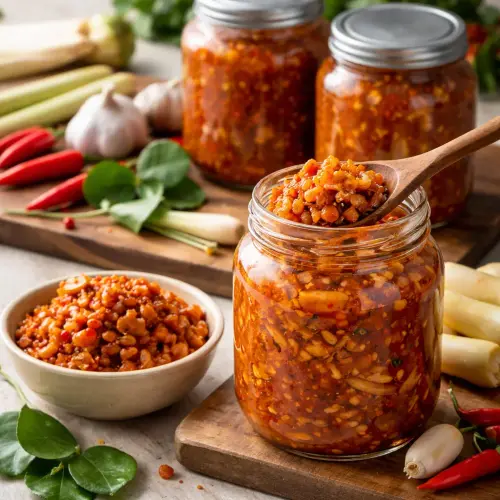
sambal rebung Key Takeaways
If you love bold, fiery flavors and want a reliable homemade condiment that lasts for months without refrigeration worries, mastering sambal rebung is your next kitchen victory.
- Understand the critical role of proper ingredient dehydration and oil-sealing for a long-lasting sambal rebung recipe .
- Follow a step-by-step process from selecting young bamboo shoots to cooling and jarring.
- Apply pro storage tips—including sterilization and airtight sealing—to maintain quality for monthly stock.
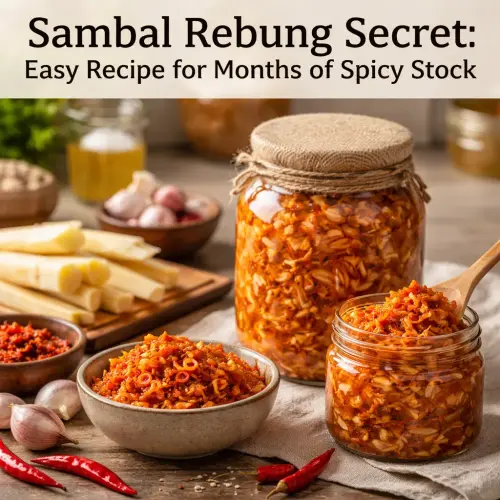
What Makes a Truly Long-Lasting Sambal Rebung?
Creating a sambal rebung that stays fresh for a month (or longer) is not just about following any recipe—it is about understanding why ingredients spoil and how to counteract that naturally. Moisture is the enemy. Bacteria and mold thrive in damp environments, and bamboo shoots, by nature, hold significant water content. The secret lies in reducing that moisture through careful preparation and then creating a protective oil barrier that starves airborne microbes. For a related guide, see Easy Sambal Goreng Rebung ala Mom: Essential Spicy Side for Sahur.
Many home cooks struggle with their sambal turning sour or developing off-flavors within a week. That is usually because the shoots were not fully cooked down, or the oil content was too low. A properly made spicy sambal for stock uses enough cooking oil not just for flavor, but as a preservative. Additionally, the choice of seasonings—salt, sugar, and acidic elements like tamarind—plays a dual role in taste and preservation.
Understanding Bamboo Shoot Preparation
Fresh bamboo shoots must be boiled and then thoroughly pressed to remove their natural bitterness and excess liquid. Skipping this step or rushing it will introduce moisture that shortens shelf life significantly. After boiling, shred or thinly slice the shoots and then dry-fry them in a hot wok until they look slightly translucent and no water pools in the pan. This step is non-negotiable for a how to make sambal rebung guide that delivers lasting results.
Essential Ingredients for Your Sambal Rebung Recipe
Below is a complete ingredient list for approximately 1 liter of finished sambal. Each component contributes to both flavor depth and preservation.
| Ingredient | Quantity | Purpose |
|---|---|---|
| Fresh bamboo shoots (rebung) | 500 grams | Main ingredient; must be boiled and pressed |
| Dried red chilies | 100 grams | Heat and color; rehydrate before grinding |
| Shallots | 200 grams | Aromatic base; contributes natural sugars |
| Garlic cloves | 50 grams | Flavor and antimicrobial properties |
| Fresh turmeric (or 1 tbsp powder) | 20 grams | Color and earthy flavor |
| Galangal (fresh) | 30 grams | Aromatic; adds complexity |
| Cooking oil (coconut or vegetable) | 250 ml | Preservation and cooking medium |
| Palm sugar (gula Melaka) | 50 grams | Balance heat; natural preservative |
| Salt | 2 tablespoons | Flavor and preservation |
| Tamarind paste | 1 tablespoon | Acidity; inhibits bacterial growth |
Step-by-Step Guide: How to Make Sambal Rebung That Lasts
Follow these steps exactly. Do not skip the drying or cooling stages; they are what transform a good sambal into a long-lasting one.
Step 1: Prepare the Bamboo Shoots
Slice the bamboo shoots thinly and boil them in salted water for 20 minutes. Drain, then press them using a clean cloth or a heavy object to remove as much water as possible. Spread the pressed shoots on a tray and let them air-dry for 30 minutes. This initial moisture removal is the first critical step in any long-lasting sambal rebung recipe.
Step 2: Grind the Spice Paste
Rehydrate the dried red chilies in warm water until soft (about 10 minutes). Blend the chilies, shallots, garlic, turmeric, and galangal into a smooth paste. Use as little water as possible—preferably none—by using a splash of oil instead. A dry paste fries better and reduces the risk of spoilage later.
Step 3: Cook the Sambal
Heat the cooking oil in a heavy-bottomed wok or pot over medium heat. Fry the spice paste until it becomes fragrant and the oil separates from the paste—this usually takes 8–10 minutes. Add the prepared bamboo shoots, stirring well to coat every strand. Lower the heat and let the mixture simmer, stirring occasionally, until the shoots absorb the flavors and the oil starts floating again. This stage can take 20–30 minutes. The longer you cook, the drier and more concentrated the flavors become.
Step 4: Season and Finish
Add the palm sugar, salt, and tamarind paste. Stir until the sugar dissolves completely. Taste and adjust—the sambal should be slightly saltier and sweeter than your preference because flavors will mellow during storage. Continue cooking for another 5 minutes. The final mixture should look glossy, with oil pooling around the edges. Turn off the heat and let it cool completely in the pot. Do not skip cooling; hot sambal in a jar creates condensation that leads to mold.
Pro Storage Tips for Spicy Sambal for Stock
Even the best-cooked sambal can spoil if stored incorrectly. Here is how to protect your batch.
Sterilize Your Jars
Wash glass jars with hot soapy water, then boil them for 10 minutes. Dry them completely upside down on a clean towel. Any residual moisture inside the jar will shorten your sambal’s life. Metal lids should be wiped with alcohol or boiled briefly.
Fill and Seal Properly
Once the sambal is at room temperature, spoon it into the sterilized jars, pressing down firmly to eliminate air pockets. Leave about 1 cm of headspace. Pour a thin layer of hot oil (cooled to warm) on top before sealing—this extra oil cap acts as an airtight barrier. Close the lid tightly and store in a cool, dark place.
Refrigeration vs. Pantry
If you live in a hot, humid climate, refrigeration is safer. A properly made sambal can last 2–3 months in the fridge. In a cool pantry (below 25°C), it should stay good for 4–6 weeks. Always use a clean, dry spoon when scooping to avoid introducing contaminants.
Troubleshooting Common Sambal Rebung Issues
Even experienced cooks encounter problems. Here are quick fixes for the most common ones.
Why Did My Sambal Turn Sour?
This usually means moisture was too high. The shoots were not dried enough, the paste contained too much water, or the cooking time was too short. Next time, dry-fry the shoots longer and cook the paste until the oil visibly separates. Adding a teaspoon of tamarind or lime juice can sometimes mask mild sourness, but prevention is better.
Is It Okay If the Oil Solidifies in the Fridge?
Yes. Coconut oil solidifies at cooler temperatures, which actually helps preserve the sambal. Simply scoop out what you need and let it come to room temperature before serving. The texture returns to normal once warmed.
Useful Resources
For more on bamboo shoot preparation and food preservation techniques, these resources offer authoritative guidance.
- The Spruce Eats: How to Prepare and Cook Bamboo Shoots – Detailed explanations on boiling, pressing, and selecting shoots.
- Serious Eats: The Science of Preserving Sambal with Oil – In-depth look at how oil protects spices from spoilage.
Frequently Asked Questions About sambal rebung
What is sambal rebung made of?
Sambal rebung is a spicy Indonesian condiment made primarily from bamboo shoots (rebung), dried chilies, shallots, garlic, and a blend of aromatics like turmeric and galangal, all slow-cooked in oil. For a related guide, see Lumajang-Style Lodeh Rebung: 7 Easy Tips for a Creamier, Spicier Dish.
How long does homemade sambal rebung last?
When cooked and stored correctly, homemade sambal rebung lasts 4–6 weeks at room temperature and 2–3 months in the refrigerator.
Can I use frozen bamboo shoots for sambal rebung ?
Yes, but frozen shoots contain more water. Thaw, press, and dry-fry them thoroughly before adding to the sambal to avoid excess moisture.
Do I need to boil bamboo shoots before making sambal?
Yes. Boiling removes natural bitterness and softens the shoots. Pressing after boiling is equally important to remove water.
What type of oil is best for long-lasting sambal?
Coconut oil is traditional and has natural antimicrobial properties. Vegetable or sunflower oil also works, but avoid olive oil as it can turn bitter.
Can I reduce the spiciness of sambal rebung ?
Yes. Use fewer dried chilies or remove the seeds before grinding. Add extra shallots or a tablespoon of coconut milk to mellow the heat.
Why does my sambal rebung develop mold on top?
Mold grows when moisture or air touches the sambal. Always seal with a layer of oil, use clean utensils, and refrigerate after opening.
Is sambal rebung vegan?
Yes. Traditional sambal rebung contains only plant-based ingredients—bamboo shoots, spices, oil, and sugar. No animal products are used. For a related guide, see Why Revisiting ‘Urab Rebung’ Is a Must‑Try Vegan Salad.
Can I add shrimp paste to sambal rebung ?
Some regional variations include shrimp paste (terasi) for umami. If you add it, fry it briefly with the spice paste. Note that the sambal will no longer be vegan.
How do I know when the sambal is cooked enough?
The sambal is ready when the oil visibly separates from the paste and pools around the edges. The bamboo shoots should look slightly glossy and not release any water.
Should I stir the sambal while cooking?
Yes, stir occasionally, especially during the first 15 minutes, to prevent the paste from burning at the bottom of the pot.
Can I use sambal rebung as a base for other dishes?
Absolutely. Use it as a stir-fry base, a dip for fried snacks, or a spread on rice and grilled meats. It adds depth to curries and soups too.
What is the best container for storing sambal rebung ?
Glass jars with airtight lids are ideal. Avoid plastic containers as they can absorb odors and may not seal as effectively over time.
Can I freeze sambal rebung ?
Yes. Freeze in small portions inside airtight containers or freezer bags. Thaw in the refrigerator and stir before use. The texture remains excellent.
Why is my sambal rebung too oily?
Too much oil can happen if you added more than the recipe calls for. You can spoon off excess oil after the sambal has cooled, but keep at least a thin layer for preservation.
Can I add other vegetables to sambal rebung ?
Yes. Green beans, long beans, or young jackfruit (nangka muda) are common additions. Cook them thoroughly to match the moisture control of the bamboo shoots.
How do I make sambal rebung less sweet?
Reduce the palm sugar by half or omit it entirely. Increase salt slightly to maintain the savory-spicy balance.
Is sambal rebung gluten-free?
Yes, when made with pure spices and no soy sauce or wheat-based additives, sambal rebung is naturally gluten-free.
Can I use sambal rebung immediately after cooking?
Yes, but it tastes even better after 24 hours when the flavors have melded. Let it cool completely before storing.
What dishes pair well with sambal rebung ?
It is excellent with steamed rice, fried chicken, grilled fish, omelets, and as a condiment for nasi goreng or lontong.