
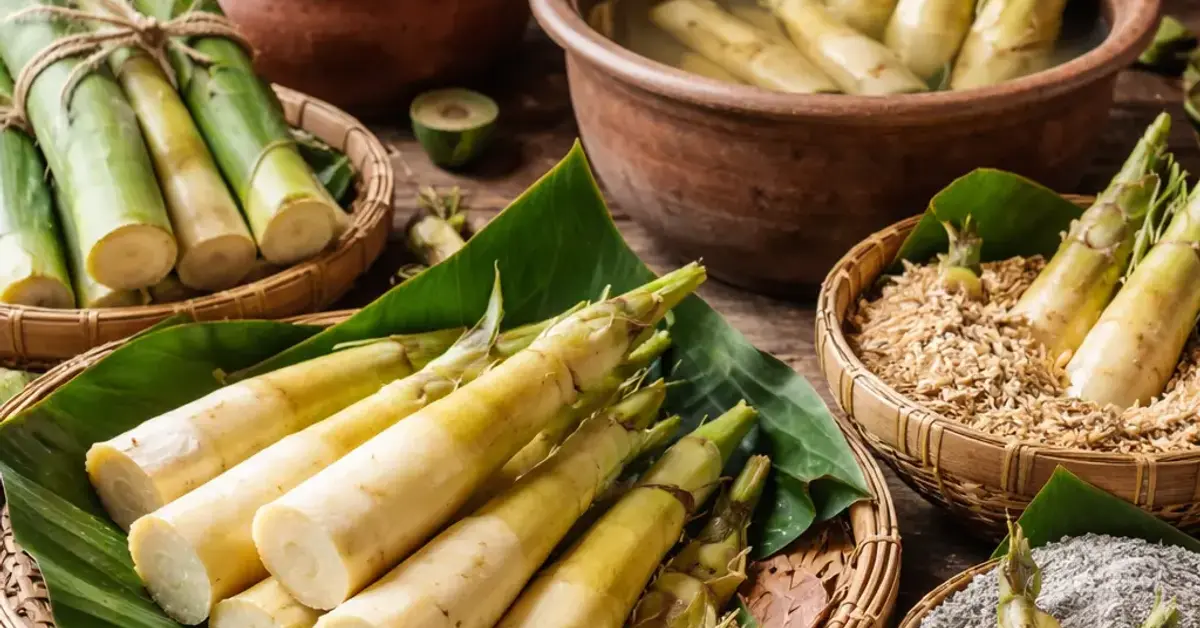
store fresh rebung without fridge Key Takeaways
Storing fresh rebung (bamboo shoots) without a refrigerator is not only possible, but it can actually preserve their texture and flavor for weeks if done correctly.
- Use submersion in water changed daily to store fresh rebung without fridge for up to 10 days.
- Burial in damp sand or sawdust mimics natural cold storage and extends shelf life for 2–3 weeks.
- Fermenting or pickling transforms shoots into a shelf-stable ingredient that lasts for months.
Why Most People Fail to Store Fresh Rebung Without Fridge
Bamboo shoots are notoriously perishable. Once harvested, they begin to toughen and develop bitterness due to enzymatic activity and loss of moisture. The biggest mistake is tossing them into an unventilated plastic bag at room temperature. This traps ethylene gas and condensation, causing the shoots to spoil within 24–48 hours. Another common error is washing them before storage. Moisture on the outer leaves accelerates rot. Understanding these pitfalls is the first step toward mastering how to store fresh rebung without fridge successfully. For a related guide, see Smart Freezing of Rebung Stock: 5 Steps to Keep Texture Crispy.
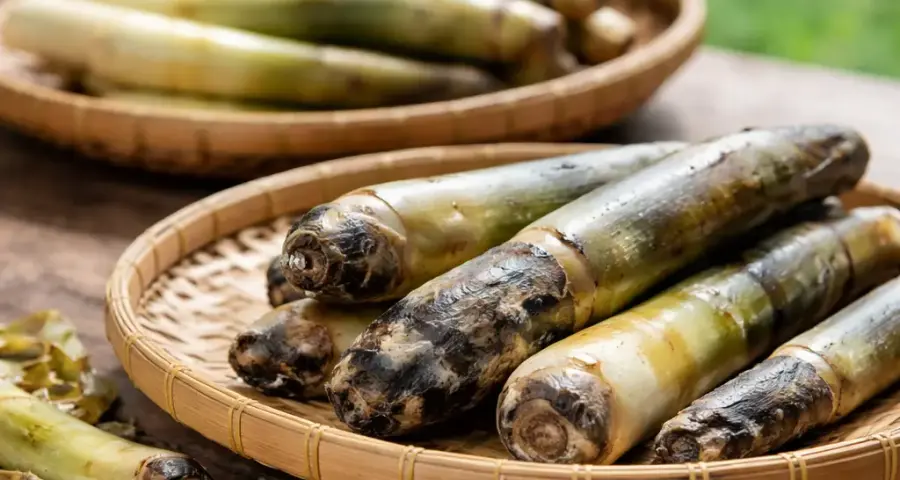
Method 1: The Daily Water Change Technique for Up to 10 Days
This is the simplest and most reliable method for short-term storage. It works especially well for smaller batches of shoots you plan to use within a week and a half.
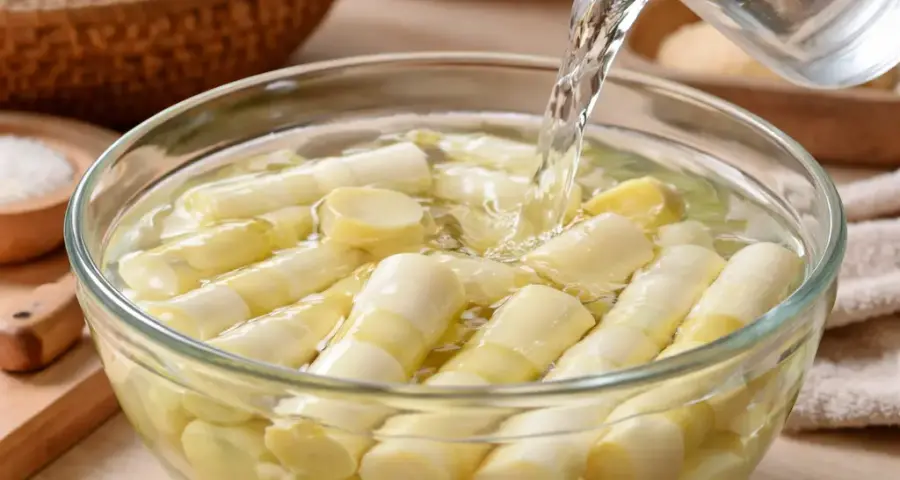
Step 1: Prepare the Shoots
Remove the outer fibrous husks until you reach the tender, pale inner layers. Trim the base if it looks woody or discolored. Rinse the shoots thoroughly under cold running water to remove any soil or grit.
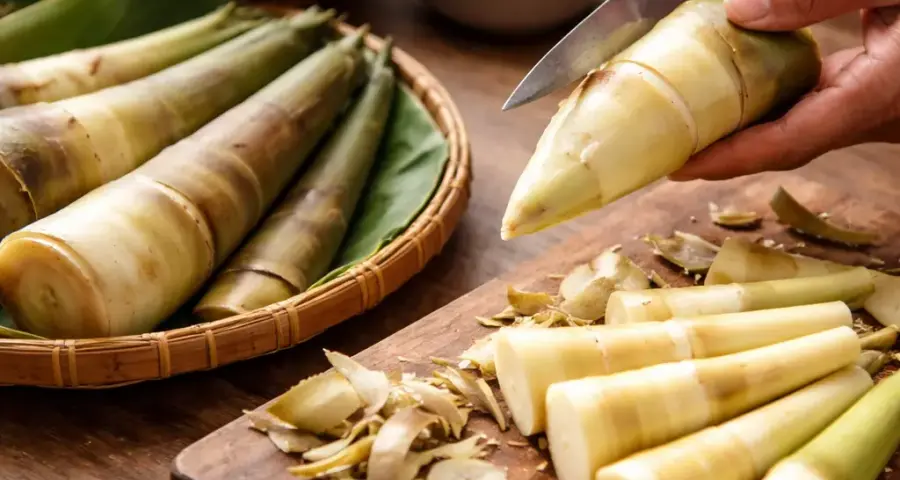
Step 2: Submerge in Fresh Water
Place the cleaned shoots in a deep container, such as a large stainless steel or ceramic bowl. Cover them completely with fresh, cool tap water. The water acts as a barrier, slowing down the oxidation and toughening process.
Step 3: Change the Water Twice Daily
This step is non-negotiable. Pour out the old water every morning and evening, and refill with fresh cool water. Stagnant water will turn sour and encourage bacterial growth, ruining the shoots. By maintaining clean water, you can effectively store fresh rebung without fridge for up to 10 days.
Method 2: Subterranean-Like Storage in Damp Sand or Sawdust
This traditional method mimics the cool, humid conditions of the soil, slowing the shoots’ respiration rate significantly. It’s ideal if you have a cool, dark pantry or cellar.
What You Will Need
Obtain clean, dry river sand or untreated hardwood sawdust. Do not use construction sand or treated wood products. You also need a large wooden crate, a clay pot, or a heavy-duty plastic tub with drainage holes.
Step 1: Layer the Shoots
Place a 2-inch layer of damp sand or sawdust at the bottom of your container. The medium should be moist but not soggy; think of a wrung-out sponge. Arrange the unpeeled bamboo shoots vertically, with their cut ends down, leaving an inch of space between each one.
Step 2: Cover and Maintain
Fill the remaining space with more of the damp medium until the shoots are completely covered. Place the container in the coolest, darkest area of your home, away from direct sunlight and heat sources. Check the moisture level every few days; it should remain consistently damp. Using this method, you can store fresh rebung without fridge for 2–3 weeks.
Method 3: Fermentation and Pickling for Long-Term Storage
If you have a large surplus, fermentation is the most effective way to preserve shoots for months without electricity. The lactic acid fermentation process not only prevents spoilage but also creates a tangy, umami-rich ingredient.
Simple Brine Pickling
Blanch the peeled shoots in boiling water for 5 minutes to soften them and remove bitterness. Drain and pack them tightly into a sterilized glass jar. Prepare a brine of 1 liter water mixed with 2 tablespoons of non-iodized salt. Pour the brine over the shoots until completely submerged. Weigh them down with a clean stone or a glass weight to keep them below the liquid. Cover the jar loosely with a lid or cloth and leave it at room temperature for 5–7 days. Once the bubbling subsides, seal the jar tightly. The pickled shoots will keep for up to 6 months in a cool pantry. For a related guide, see Fresh vs. Canned Bamboo Shoots: 5 Key Differences and Best Choice.
Method 4: The Salt-Packing Method
This is a dry preservation technique favored in many Southeast Asian kitchens. It works by drawing moisture out of the shoots, creating an environment where bacteria cannot thrive.
Step 1: Slice and Salt
Slice the cleaned shoots into thin discs or strips. In a bowl, toss them with a generous amount of coarse sea salt, using roughly 1 tablespoon of salt for every pound of shoots. Massage the salt into the slices thoroughly.
Step 2: Pack and Store
Transfer the salted shoots into a wide-mouthed glass jar or a glazed earthenware pot, pressing them down firmly to eliminate air pockets. Seal the container tightly. Before using the salt-packed shoots, always rinse them in several changes of water to remove the excess salt. This method allows you to store fresh rebung without fridge for up to 3 months.
Method 5: Sun Drying or Oven Drying
Dehydrating bamboo shoots concentrates their flavor and renders them completely shelf-stable. Rehydrated shoots work wonderfully in soups and stews.
Instructions for Sun Drying
Blanch the peeled shoots for 10 minutes, then slice them into thin strips about 1/4 inch thick. Arrange the strips on mesh trays or bamboo baskets, ensuring they do not overlap. Cover them with a fine netting to protect from insects. Place them in direct sunlight for 3–5 days, bringing them indoors at night. They are ready when they snap cleanly when bent.
Using an Oven
If you don’t have strong sun, arrange the blanched strips on a baking sheet lined with parchment paper. Set your oven to the lowest possible temperature, ideally around 140°F (60°C). Prop the oven door open slightly with a wooden spoon to allow moisture to escape. Dry for 4–6 hours, turning the strips every hour. Store the dried shoots in an airtight container in a dark cupboard for up to one year.
Common Mistakes to Avoid When Storing Rebung
Even with the right method, small errors can lead to failure. Avoid the following pitfalls to ensure success.
- Storing uncleaned shoots. Soil on the husks introduces bacteria that speeds up spoilage. Always brush off dirt but only rinse just before cooking.
- Using airtight containers for fresh storage. Fresh shoots need some airflow. A sealed plastic bag suffocates them, causing condensation and rot.
- Ignoring the signs of spoilage. If a shoot develops a sour smell, slimy texture, or dark spots, discard it immediately. One bad shoot can contaminate the entire batch.
- Storing near ripening fruit. Fruits like bananas and apples release ethylene gas, which accelerates the aging and bitterness of bamboo shoots. Keep them separated.
Useful Resources
For further reading on traditional preservation techniques and the science behind bamboo shoot storage, check these authoritative sources:
- FAO Guide on Bamboo Shoot Processing and Preservation – A detailed technical overview from the Food and Agriculture Organization of the United Nations.
- ScienceDirect Topic Summary on Bamboo Shoots – Academic research covering the biochemical changes in shoots post-harvest.
Frequently Asked Questions About store fresh rebung without fridge
How long can you store fresh rebung without fridge using the water method?
With twice-daily water changes, fresh shoots can last up to 10 days in a cool spot indoors. Extend this slightly by adding an ice cube to the water once a day.
Can you store bamboo shoots in the ground like root vegetables?
Yes. Burying unpeeled shoots in a deep hole in the garden, covered with straw and soil, can keep them fresh for up to a month if the weather stays cool and damp. This essentially replicates the natural condition.
Is it safe to eat raw bamboo shoots stored without a fridge?
No. All bamboo shoots contain toxic cyanogenic glycosides that must be broken down by cooking. Always boil or thoroughly cook shoots before consumption, regardless of storage method.
Why did my bamboo shoots turn bitter after two days?
Bitterness occurs when shoots are stored too warm or exposed to light. The sugar in the shoot converts to bitter compounds. Immediate submersion in cold water after peeling helps mitigate this.
Can I freeze bamboo shoots instead of using these no-fridge methods?
Absolutely. Blanch the shoots for 3 minutes, cool in ice water, drain, and then freeze in airtight bags. Frozen shoots maintain quality for up to 6 months. The methods in this guide are for situations without freezer access.
What is the best container for damp sand storage?
An unglazed terracotta pot or a wooden crate works best because they allow slight air exchange. Avoid metal containers as they can corrode and impart a metallic taste.
Do I need to peel bamboo shoots before storing them in sand?
No. Leave the outer husks intact. The husks provide a natural protective barrier that reduces moisture loss and slows spoilage. Remove them only when you are ready to cook the shoots.
How do I rehydrate sun-dried bamboo shoots?
Soak the dried strips in warm water for 2–3 hours, changing the water once halfway through. Then simmer them in fresh water or broth for 30 minutes until tender.
Can I reuse the salt from the salt-packing method?
No. The salt absorbs moisture and flavors from the shoots. Reusing it can introduce unwanted bacteria and off-flavors to your next batch. Always use fresh salt.
Does the fermentation method work with all varieties of bamboo shoots?
Yes, it works with most edible varieties. However, thin-walled species may become too soft during fermentation. Aim for shoots that are firm and not overly mature for the best texture.
What are the signs that a bamboo shoot has gone bad?
Look for a slimy film on the cut ends, a putrid or ammonia-like smell, dark brown or black spots, and a mushy texture. When in doubt, discard the shoot.
How long can I keep the brine from pickled bamboo shoots?
The brine can be reused once for a new batch of pickles if it remains clear and smells pleasantly sour. Discard it if it becomes cloudy or develops an off odor.
Can I store shoots in the refrigerator using these same techniques?
Yes. The water change and damp sand methods work even better in the fridge because the cold temperature slows bacteria growth. The fridge is not a requirement, but it extends storage time further.
Is sawdust safe for food storage?
Only if it is from untreated, food-grade hardwood like oak or maple. Never use pine, cedar, or any softwood sawdust, as their oils can taint the shoots with a resinous flavor.
What is the ideal temperature range for storing shoots without a fridge?
Keep them between 55°F and 65°F (12°C to 18°C). This range slows spoilage without freezing the shoots. A pantry, basement, or shaded part of the house works.
Can I mix different storage methods?
Yes. For example, you can water-store for a week, then switch to salt-packing or fermentation if you cannot use the shoots in time. This gives you flexibility.
How do I reduce bitterness before storing?
Blanch the peeled shoots in boiling water for 5–10 minutes, then plunge them into ice water. This deactivates the enzymes responsible for bitterness and is done before most storage methods.
Can I store bamboo shoots in a bowl of water on the counter?
Yes, that is exactly Method 1 in this guide. Just be diligent about changing the water twice daily, and place the bowl away from direct sunlight or heat sources.
Do larger shoots store longer than smaller ones?
Generally, yes. Larger, older shoots have thicker cell walls and a lower moisture content, which makes them less prone to immediate spoilage than thin, young shoots.
Is vacuum sealing an option if I have a pump but no fridge?
Vacuum sealing can work for dried or fermented shoots, but not for fresh ones. Without refrigeration, vacuum sealing fresh, high-moisture shoots creates an anaerobic environment that encourages dangerous bacteria like Clostridium botulinum. Stick to the open methods described above.