
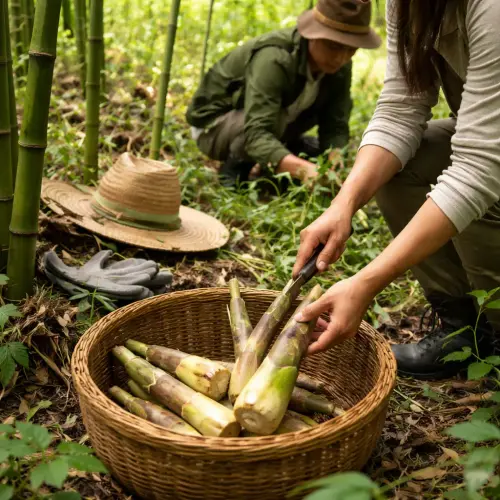
wild rebung foraging Key Takeaways
You step off the beaten path into a cathedral of green, where sunlight filters through a canopy of bamboo and the air smells of damp earth and promise.
- Learn the five essential tips for ethical wild rebung foraging that keeps bamboo groves healthy.
- Discover how to identify the right shoots, harvest without harming the plant, and practice leave-no-trace principles.
- Gain practical safety advice and a deeper appreciation for the forest’s rhythms.
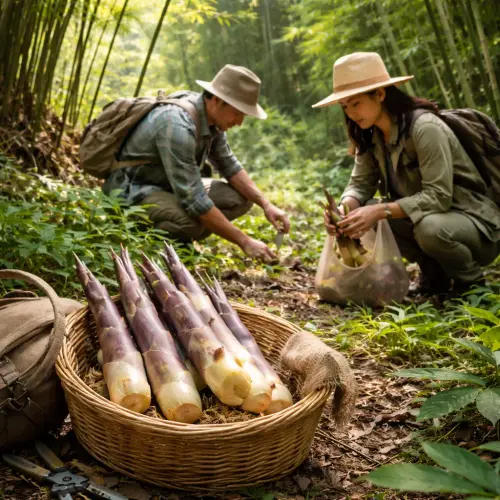
What Makes Wild Rebung Foraging a True Forest Adventure?
There’s a quiet thrill in pushing aside a curtain of bamboo leaves and spotting the first pale green tip of a wild bamboo shoot pushing through the leaf litter. Foraging for rebung—the Malay word for young bamboo shoots—is a practice that has nourished communities across Southeast Asia for generations. Today, it also offers modern adventurers a way to slow down, read the landscape, and gather food that is both delicious and deeply local. A forest adventure centred on foraging invites you to become a participant in the ecosystem, not just a visitor. Every step matters, from the way you walk to the way you cut. For a related guide, see Rebung Chef: 5 Powerful Traditions Behind Kitchen and Shoots.
5 Easy Tips for Sustainable Wild Rebung Foraging
Tip 1: Identify the Right Bamboo Species for Rebung Foraging
Not every bamboo shoot is edible, and not every edible shoot is at its peak. The most sought-after species for wild rebung foraging include Gigantochloa scortechinii (buluh semantan) and Bambusa vulgaris (buluh minyak). Look for shoots that are firm, with tightly wrapped outer sheaths and a fresh, earthy scent. Avoid shoots that are already showing green leaves or have a hollow feel—they are too fibrous. Take a local field guide or foraging app with you, and always check with an experienced forager if you’re unsure.
Tip 2: Harvest with the Forest’s Future in Mind
Sustainable foraging means never taking more than a third of the shoots from any single clump of bamboo. Using a sharp, clean knife, cut the shoot at an angle just above the base, leaving the surrounding rhizomes undisturbed. A clean cut heals faster and reduces the risk of rot entering the plant. Resist the urge to pull or twist—you could damage the underground network that supports future growth. Practicing this ethic ensures that the bamboo grove remains productive for years to come.
Tip 3: Time Your Foraging for Peak Flavour and Low Impact
The best time for wild rebung foraging is early morning, just after the rainy season begins—typically between November and February in Peninsular Malaysia. The shoots are at their most tender, and the rain softens the soil, making removal easier. Foraging early also gives you the coolest part of the day, which matters when you’re carrying a heavy basket back out. Avoid foraging during the dry season when the bamboo is stressed and shoots are scarce. For a related guide, see Lumajang-Style Lodeh Rebung: 7 Easy Tips for a Creamier, Spicier Dish.
Tip 4: Practise Leave-No-Trace Ethics in the Bamboo Forest
A forest adventure should leave the forest better than you found it. Bring a small trowel to fill any holes left after harvesting, and carry out all your rubbish—including any plastic packaging from your water bottle or snacks. Stay on established paths where possible to avoid trampling young undergrowth, and never cut living branches just to clear your way. The bamboo grove is a living community; treating it with respect is part of the foraging tradition.
Tip 5: Process and Store Your Wild Bamboo Shoots Immediately
Once you’ve brought your harvest home, the clock starts ticking. Remove the tough outer layers, slice the tender inner core, and blanch the pieces in boiling water for 10 minutes to neutralise the natural toxins found in raw bamboo. Store the blanched shoots in an airtight container in the fridge for up to a week, or freeze them for up to six months. This last step is often overlooked, but proper handling transforms a wild ingredient into a versatile staple for soups, stir-fries, and curries.
How to Recognise a Healthy Bamboo Grove for Foraging
Before you start wild rebung foraging, take a moment to assess the grove. A healthy clump of bamboo has multiple generations of culms—last year’s dark green stems, this year’s lighter ones, and new shoots pushing up. The ground around it should be covered with a thick layer of bamboo leaves, which help retain moisture and nutrients. Avoid groves that show signs of disease, such as yellowing leaves or black spots on the stems, and never forage near areas that might have been sprayed with herbicides or pesticides.
Essential Gear for a Sustainable Rebung Foraging Trip
You don’t need much to start, but the right gear makes everything smoother. Pack a sharp, fixed-blade knife with a sturdy handle, a pair of thick gardening gloves to protect against the sharp edges of bamboo sheaths, a woven basket or breathable bag (plastic bags cause shoots to sweat and spoil), a water bottle, and a small notebook for recording locations and observations. For longer excursions, bring a compass or GPS device—bamboo groves can look very similar, and it’s easy to lose your bearings.
Common Mistakes to Avoid When Foraging Wild Bamboo Shoots
Even experienced foragers slip up sometimes. The most common mistake is harvesting shoots that are too large. The best shoots are between 15 and 25 centimetres tall; any taller and they become tough and bitter. Another frequent error is cutting too many shoots from a single clump, which weakens the plant and reduces next year’s yield. Finally, many newcomers neglect to check for ants or other insects inside the sheaths—shake each shoot gently before cutting to avoid bringing home unwanted guests.
Useful Resources
For a deeper understanding of bamboo ecology and sustainable harvesting techniques, the FAO’s Bamboo Resource Page offers excellent scientific insights. To connect with local foraging communities and find guided trips, visit the Wild Foods Cooperative, which lists ethical foraging tours in Malaysia and Southeast Asia.
As you make your way out of the forest, basket heavy with tender shoots, you carry more than food—you carry a story. Each harvested shoot is a conversation with the land, a small act of care that keeps an ancient tradition alive. The best wild rebung foraging experiences leave you not just with ingredients, but with a quiet confidence: that you can walk into the wild, take only what you need, and leave every grove richer for your visit.
Frequently Asked Questions About wild rebung foraging
What is rebung foraging ?
Rebung foraging is the practice of searching for and harvesting young bamboo shoots, known as rebung, directly from wild bamboo groves in the forest.
Is wild rebung foraging safe for beginners?
Yes, but beginners should go with an experienced forager or use a reliable field guide to identify edible species and avoid poisonous look-alikes.
How do I identify edible wild bamboo shoots ?
Edible shoots are firm, with tightly wrapped pale-green or cream-coloured sheaths. They should feel solid and heavy for their size, with no odour of decay.
Can I eat wild bamboo shoots raw?
No. Raw bamboo shoots contain cyanogenic glycosides that can cause digestive discomfort. Always boil or cook them thoroughly before eating.
What is the best season for wild rebung foraging ?
The rainy season—typically November to February in Southeast Asia—is best, as the shoots are tender and plentiful.
How many shoots can I take from one bamboo clump?
A general rule is no more than one-third of the shoots visible above ground. Taking too many weakens the clump and reduces future harvests.
What tools do I need for rebung foraging ?
A sharp knife, gardening gloves, a basket or breathable bag, and water are the basics. A compass or GPS is recommended for unfamiliar terrain.
How do I store wild bamboo shoots after harvesting?
Remove the outer layers, blanch the inner core for 10 minutes, then refrigerate in an airtight container for up to a week or freeze for longer storage.
What are the most common edible bamboo species?
In Malaysia, common edible species include Gigantochloa scortechinii, Bambusa vulgaris, and Dendrocalamus asper.
Can I forage bamboo shoots in protected forests?
Always check local regulations. Some protected areas prohibit foraging, while others allow it with a permit. Never harvest without permission on private land.
How do I avoid cutting poisonous bamboo shoots?
Stick to well-known edible species, and avoid shoots with red or purple sheaths, a bitter smell, or a slimy texture. A pocket field guide helps.
What are the signs of a healthy bamboo grove?
Look for multiple ages of culms, thick leaf litter on the ground, damp soil, and no signs of disease or chemical spraying.
Is rebung foraging good for the environment?
When done sustainably, yes. It encourages people to value forests, supports local food traditions, and the selective removal of shoots can actually promote thicker bamboo growth.
What animals live in bamboo forests?
Bamboo groves host diverse wildlife including wild boar, deer, monkeys, birds, and insects. Always be respectful and give animals space.
How long does it take to forage a basket of rebung?
Depending on the density of the grove, a filled basket (about 4–5 kg) may take one to two hours for an experienced forager.
Can I forage bamboo shoots in the rain?
Light rain is fine, and even beneficial as it softens the soil. Heavy rain increases the risk of slips and makes it harder to spot shoots.
What should I wear for a foraging trip?
Long trousers, long sleeves, sturdy boots, and a hat protect you from sharp bamboo edges, insects, and the sun. Avoid bright colours that might attract bees.
How do I cook wild bamboo shoots ?
After blanching, they can be stir-fried with garlic and chili, added to coconut-based curries, or pickled with vinegar and turmeric.
What are the health benefits of bamboo shoots?
Wild bamboo shoots are low in calories, high in fibre, and rich in potassium and vitamin B6. They also contain antioxidants.
Do I need a permit for wild rebung foraging ?
In many state parks and forest reserves, a simple permit is required. Contact the local forestry office for details before you go.