
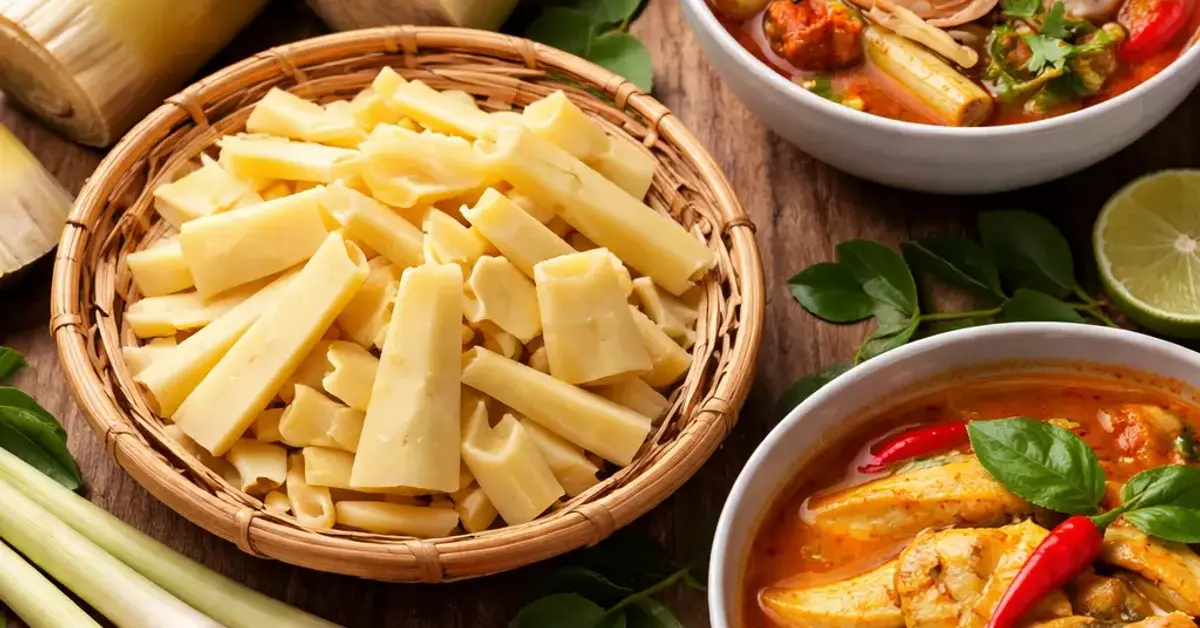
rebung in Thai cuisine Key Takeaways
Using rebung in Thai cuisine adds a tender, slightly sweet crunch to iconic sour soups like Tom Yam and Kaeng Som.
- Fresh or canned rebung bamboo shoots require different handling; fresh must be boiled to eliminate natural toxins and bitterness.
- For Tom Yam, slice rebung thinly and add it late in cooking to preserve its crunch and let it soak up the spicy-sour broth.
- In Kaeng Som, rebung is simmered longer to meld with the turmeric-based sour curry, balancing the soup’s tangy depth.
Why Rebung in Thai Cuisine Deserves Your Attention
Bamboo shoots, known as nor mai in Thai or rebung in Malay/Indonesian, are a beloved ingredient in Thai home kitchens and street food stalls alike. Their neutral flavor and satisfying crunch make them a perfect canvas for bold Thai seasonings — especially in the country’s signature sour soups. When handled correctly, rebung in Thai cuisine transforms a simple broth into a textural and aromatic experience that keeps you coming back for another ladle. For a related guide, see 7 Fermenting Bamboo Shoots Mistakes to Avoid for Best Rebung Asin.
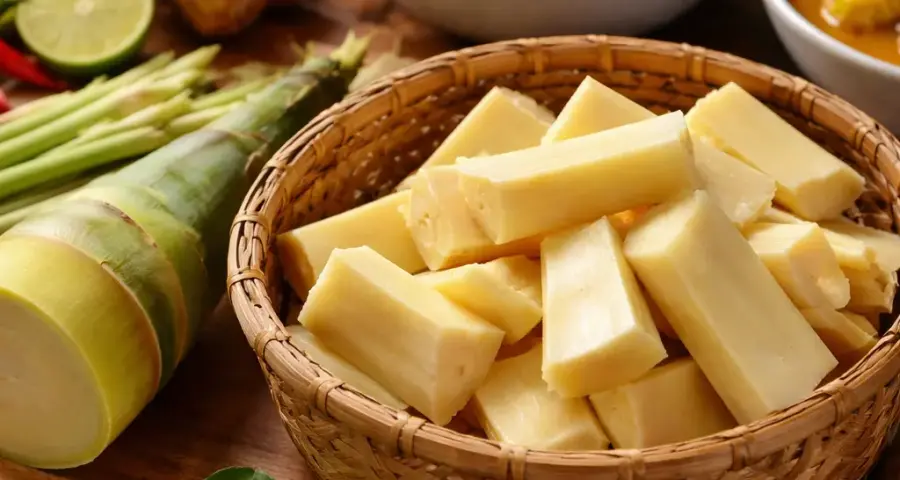
Yet many cooks shy away from bamboo shoots because of their reputation for bitterness or an unpleasant canned aftertaste. The truth is that with a few essential techniques, you can avoid those pitfalls entirely. Whether you are working with fresh shoots from an Asian market or the vacuum-packed variety, the following tips will ensure your Thai cuisine bamboo shoots shine in every spoonful.
How to Prepare Rebung Bamboo Shoots for Cooking
Preparation is the most critical step when using rebung in Thai cuisine. Skipping or rushing it can lead to bitter, chewy, or even unsafe bamboo shoots. Here is the professional approach.
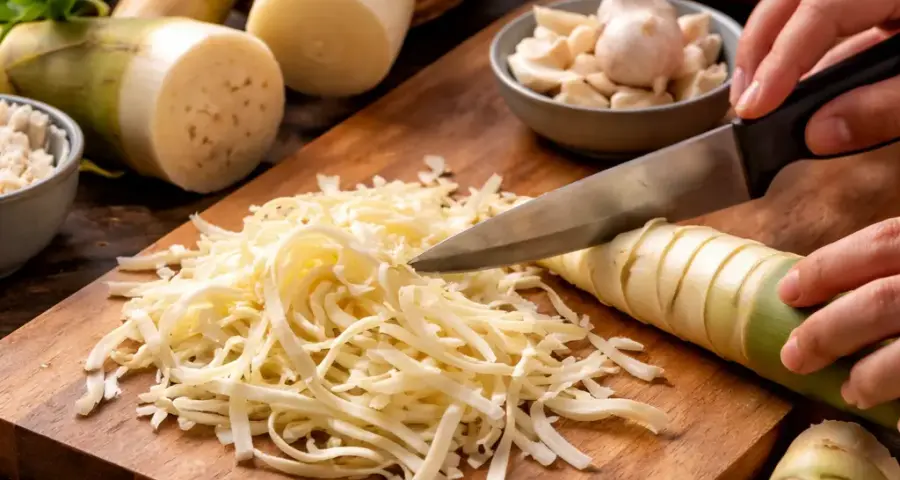
Fresh Rebung: Boiling and Slicing
Fresh bamboo shoots contain natural cyanogenic glycosides that break down into bitter compounds and can cause digestive discomfort if not properly boiled. Slice the shoots lengthwise into halves or quarters, then boil them in plenty of water for 25–30 minutes. Discard the water and soak the shoots in cold water for another 15 minutes. Repeat the boiling process once more for the most neutral, tender result. For a related guide, see 7 Essential Rebung Camping Cooking Tips for a Flavorful Outdoor Feast.
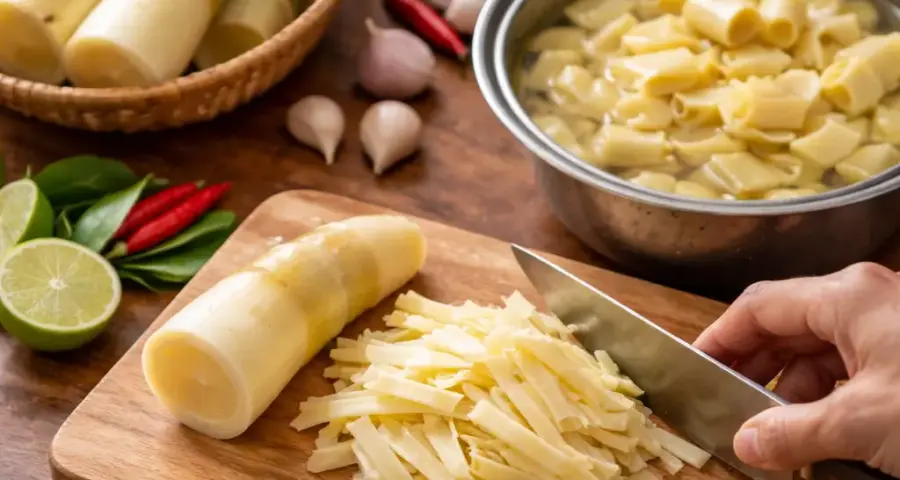
After the second boil, slice the shoots into thin matchsticks or bite-size pieces depending on your recipe. Thin slices work best for how to use rebung in Tom Yam because they absorb the broth quickly without becoming mushy.
Canned or Vacuum-Packed Rebung
Pre-cooked rebung bamboo shoots from a can or vacuum pack save time, but they often come packed in a slightly sour brine. Rinse them thoroughly under cold running water for one minute, then blanch them in boiling water for 3–5 minutes. This step removes any metallic or acidic taste and softens the shoots just enough to take on the soup’s flavors. Drain well before adding to your pot.
5 Smart Tips for Using Rebung in Thai Cuisine
These five tips apply to both Tom Yam and Kaeng Som, giving you a foolproof foundation for any sour soup recipe.
Tip 1: Balance Sour and Salty First
Bamboo shoots absorb the liquid they are cooked in, so you must season the broth correctly before adding the rebung. In both Tom Yam and Kaeng Som, the sour element (lime juice or tamarind) and the salty element (fish sauce or salt) should taste slightly stronger than you ultimately want. The shoots will mellow the seasoning as they cook.
Tip 2: Add Rebung at the Right Moment
For Tom Yam, add the sliced rebung in Thai cuisine only during the last 2–3 minutes of simmering. This keeps the shoots crunchy and prevents them from absorbing too much broth and becoming limp. In Kaeng Som, add the shoots after the curry paste has boiled for a few minutes, then let them cook for 10–15 minutes so they soften and soak up the turmeric-forward liquid.
Tip 3: Pair with Complementary Aromatics
Galangal, lemongrass, kaffir lime leaves, and bird’s eye chilies are the natural companions of bamboo shoots in Thai sour soups. When you are cooking rebung in Thai cuisine, do not be shy with these aromatics. They cut through any residual earthiness and elevate the shoots’ subtle sweetness.
Tip 4: Avoid Overcooking for Texture
Tender, not mushy — that is the goal. Overcooked bamboo shoots become slimy and lose their pleasant resistance. If you are preparing a large batch of soup, keep the Thai cuisine bamboo shoots separate and add them per serving. This is especially useful for meal prepping or if you plan to reheat leftovers.
Tip 5: Use the Right Cut for Each Soup
Thin diagonal slices work best for Tom Yam — they curl slightly in the heat and look elegant in the bowl. For Kaeng Som, cut the shoots into short, thick matchsticks (about 2 inches long by ¼ inch thick). The larger surface area helps them hold up during the longer simmer and gives a satisfying bite against the thinner shards of vegetables in the soup.
Using Rebung in Tom Yam: A Step-by-Step Guide
Tom Yam, Thailand’s famous hot and sour soup, typically features shrimp or chicken as the protein, but the addition of bamboo shoots adds a lovely textural contrast. Here is how to do it right.
Step 1: Build the Broth Base
In a pot, bring 4 cups of chicken or vegetable stock to a gentle boil. Add 3 slices of galangal, 2 smashed lemongrass stalks, 4 kaffir lime leaves (torn), and 5 bird’s eye chilies (lightly crushed). Simmer for 5 minutes to infuse the aromatics.
Step 2: Season with Sour and Heat
Add 3 tablespoons of fish sauce and 2 tablespoons of fresh lime juice. Taste and adjust — the broth should be tangier and saltier than your ideal, as the rebung bamboo shoots will absorb some of the seasoning. Toss in 200 grams of peeled shrimp and cook until pink, about 2 minutes.
Step 3: Add the Rebung Last
Drop in 1 cup of thinly sliced, pre-boiled rebung in Thai cuisine. Stir gently and let the soup simmer for exactly 2 minutes. Remove from heat. The shoots should still have a faint crunch. Garnish with fresh cilantro and a drizzle of chili oil if desired.
Mastering Rebung in Kaeng Som (Thai Sour Curry)
Kaeng Som is a Thai sour curry that relies on tamarind paste and turmeric for its signature tang and golden hue. Unlike Tom Yam, this soup requires a longer cooking time for the flavors to meld, making the bamboo shoots a more integral component rather than a last-minute addition.
Step 1: Prepare the Kaeng Som Paste
Blend 4 dried red chilies (soaked), 2 shallots, 3 cloves of garlic, 1 tablespoon of shrimp paste, and 1 teaspoon of ground turmeric into a smooth paste. In a pot, heat 1 tablespoon of vegetable oil and fry the paste over medium heat for 2 minutes until fragrant.
Step 2: Add the Broth and Vegetable Base
Pour in 4 cups of fish stock or water and bring to a boil. Add 2 tablespoons of tamarind paste, 2 tablespoons of fish sauce, and 1 tablespoon of palm sugar (or brown sugar). Taste for a balanced sour-salty-sweet profile. At this stage, add 1 cup of chopped vegetables like white cabbage or yard-long beans — they need more time to soften than the bamboo shoots.
Step 3: Simmer the Rebung
Once the vegetables are tender (about 10 minutes), add 1½ cups of pre-boiled rebung bamboo shoots (cut into thick matchsticks). Let the curry simmer uncovered for another 10–12 minutes. The shoots will absorb the tamarind-turmeric broth, becoming tender but never falling apart. Stir occasionally. Adjust seasoning with extra fish sauce or tamarind as needed before serving.
A Note on Color
Turmeric stains easily, so use a stainless steel or enamel pot when cooking rebung in Kaeng Som. The bamboo shoots will pick up a beautiful golden hue from the curry paste, which signals that they have fully taken on the flavor.
Serving Suggestions for Thai Sour Soups with Rebung
Both Tom Yam and Kaeng Som are traditionally served alongside steamed jasmine rice, which balances their intense sour and spicy notes. For a complete meal, pair them with a simple Thai omelet (kai jeow) or a plate of fried vegetables. A wedge of lime on the side allows each diner to adjust the acidity to their taste.
When serving rebung in Thai cuisine to guests, mention that the bamboo shoots are the star ingredient — many people overlook them in the broth. Garnish each bowl with a few whole kaffir lime leaves and fresh red chili slices for visual appeal. The contrast of bright green, red, and golden yellow against the pale bamboo shoots creates an appetizing presentation.
Useful Resources
For more background on bamboo shoot varieties and Thai cooking techniques, the following resources are well-regarded by home cooks and professional chefs alike:
- Thai culinary expert Leela Punyaratabandhu’s comprehensive guide on bamboo shoots in Thai cooking at SheSimmers offers detailed instructions on selecting and preparing fresh shoots.
- The official Thai Table ingredient page for bamboo shoots provides visual references and substitution tips for cooks outside of Thailand.
Mastering rebung in Thai cuisine comes down to proper prep and timing. With these five smart tips, your Tom Yam and Kaeng Som will feature perfectly tender, never-bitter bamboo shoots every time you cook.
Frequently Asked Questions About rebung in Thai cuisine
What does rebung taste like in Thai soups?
Rebung has a very mild, slightly sweet flavor with a crunchy-tender texture. It readily absorbs the flavors of the broth, so in Tom Yam it tastes spicy and sour, while in Kaeng Som it takes on a tangy, earthy profile from turmeric and tamarind.
Can I use canned bamboo shoots for Thai cooking?
Yes, but always rinse and blanch them first to remove the metallic brine taste. Canned shoots are softer than fresh, so add them later in cooking to avoid mushiness.
Do I need to boil fresh bamboo shoots before using them?
Absolutely. Fresh bamboo shoots contain natural toxins and bitter compounds. Boil them twice with a cool-water soak in between to neutralize bitterness and ensure safety.
Why do my bamboo shoots turn bitter in soup?
Bitterness usually comes from insufficient boiling of fresh shoots or skipping the rinsing step for canned shoots. It can also happen if the shoots are overcooked and start breaking down.
How thin should I slice rebung for Tom Yam?
Slice the shoots into thin diagonals about ⅛ inch thick. Thin slices curl attractively in the hot broth and cook in just two minutes.
What cut is best for rebung in Kaeng Som ?
Short, thick matchsticks — about 2 inches long and ¼ inch thick — hold up well during the longer simmer and provide a satisfying bite.
Can I freeze boiled bamboo shoots?
Yes. After boiling and draining, freeze the shoots in an airtight container for up to 3 months. Thaw in the refrigerator before adding to soup. Note that texture will soften slightly after freezing.
What is the difference between bamboo shoots and rebung?
Rebung is the Malay/Indonesian term for bamboo shoots, while in Thai they are called nor mai. Both refer to the same young shoots of bamboo plants used in Southeast Asian cooking.
Which Thai soups use bamboo shoots?
Tom Yam (hot and sour soup), Kaeng Som (sour curry), Tom Kha (coconut soup), and some stir-fries like Pad Nor Mai all commonly feature bamboo shoots.
Can I substitute rebung with another vegetable?
Water chestnuts or jicama can mimic the crunch of bamboo shoots, but they lack the same absorbent quality. For the most authentic texture and flavor, use actual bamboo shoots.
Should I add sugar when cooking rebung?
Only if your broth needs balancing. In Kaeng Som, a small amount of palm sugar rounds out the sourness. Rebung itself does not need sweetening, but the soup’s seasoning profile does.
How long does rebung take to cook in Tom Yam?
Only 2–3 minutes. Add the shoots at the very end, after turning off the heat, so they warm through without losing their crunch.
Can I prepare rebung a day in advance?
Yes. Boil and slice the shoots, then store them in the refrigerator in a sealed container filled with fresh water. Change the water daily and use within 2 days.
What protein pairs best with rebung in sour soups?
Shrimp and white fish are classic choices because their delicate flavors do not compete with the bamboo shoots. Chicken and tofu also work well.
Is rebung healthy?
Bamboo shoots are low in calories, high in fiber, and contain potassium and vitamin B6. Proper boiling reduces anti-nutrients, making them a nutritious addition to Thai soups.
Can I use rebung in vegetarian Thai soups?
Yes. Replace fish sauce with soy sauce or tamari, and use vegetable stock. The bamboo shoots themselves are plant-based.
Why does my Kaeng Som taste flat even with rebung?
A flat taste usually means the broth lacks sufficient salt or sour. Adjust fish sauce and tamarind paste before adding the shoots, and remember that the shoots will absorb some seasoning.
Do I need to peel bamboo shoots before boiling?
Fresh bamboo shoots have tough outer layers that must be peeled away to reveal the tender inner core. Remove all fibrous green and brown layers until only the pale yellow part remains.
What is the best way to store fresh bamboo shoots?
Keep them in the refrigerator wrapped in a damp paper towel inside a plastic bag. Use within 3–4 days. For longer storage, boil and freeze them.
Can I use rebung in Thai curries other than Kaeng Som?
Yes. Rebung works beautifully in green curry, red curry, and jungle curry (Kaeng Pa). Add it early in the simmer so it absorbs the coconut milk or herb-infused broth.