
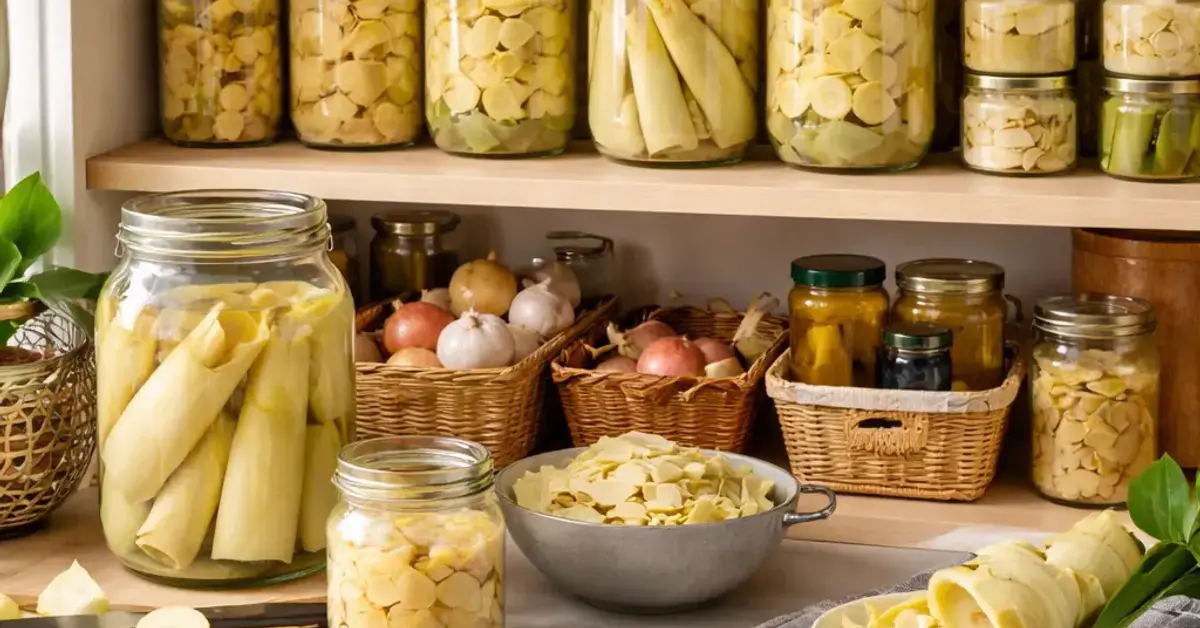
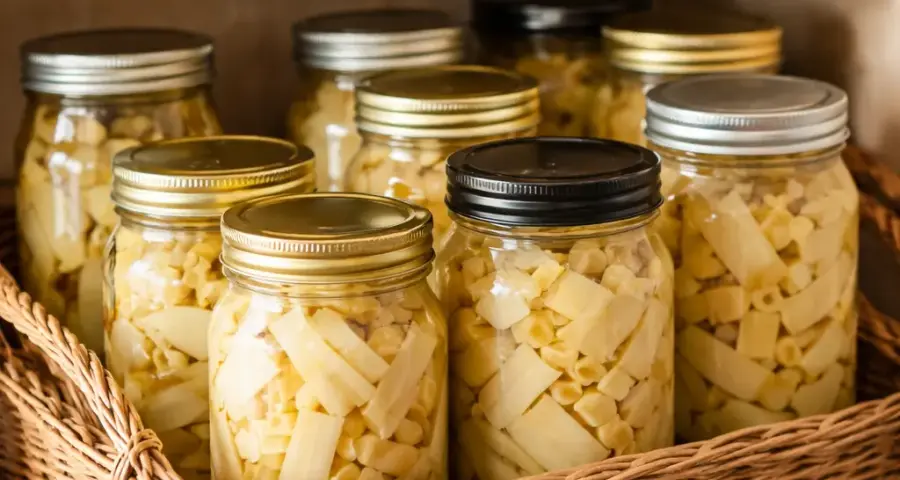
organize your pantry for preserved rebung Key Takeaways
Preserved rebung — fermented or brined bamboo shoots — adds a distinctive savory depth to many Asian dishes, but its strong aroma and moisture content can create challenges in a cramped pantry.
- Use airtight, non-reactive containers and dedicate a low-shelf zone to contain the pungent brine.
- Pair preserved rebung with other strong-flavored preserved items to simplify your daily reach.
- Label every jar with pack date and type to track freshness without opening.
Why You Need to Organize Your Pantry for Preserved Rebung Differently
Preserved rebung isn’t your average pantry staple. Unlike dry pasta or canned tomatoes, it’s wet, salty, and intensely aromatic. If you toss a jar of rebung next to a bag of rice or a box of crackers, the volatile compounds can migrate, leaving your grains smelling like fermented bamboo. That’s why a standard “toss it anywhere” approach fails. A dedicated system that controls moisture, contains smell, and keeps the jars visible prevents waste and frustration.
The Science Behind the Aroma
Fermented bamboo shoots contain lactic acid bacteria and volatile sulfur compounds. These elements are what give rebung its signature funk, but they also mean the contents continue to off-gas even after the jar is sealed. When stored in a warm, unventilated pantry corner, the gas buildup can cause the seal to weaken or the brine to expand. A cooler, darker spot with consistent temperature slows this activity and extends shelf life up to several months after opening. For a related guide, see Smart Rebung Kitchen Budget Guide: 7 Essential Cost-Saving Tips.
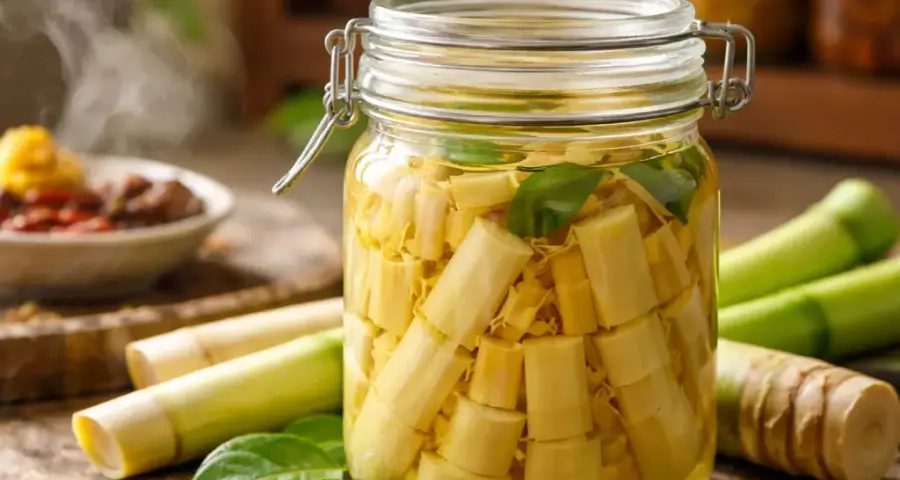
7 Steps to Organize Your Pantry for Preserved Rebung Like a Pro
Follow these steps in order. They build from choosing the right containers to maintaining a system that lasts.
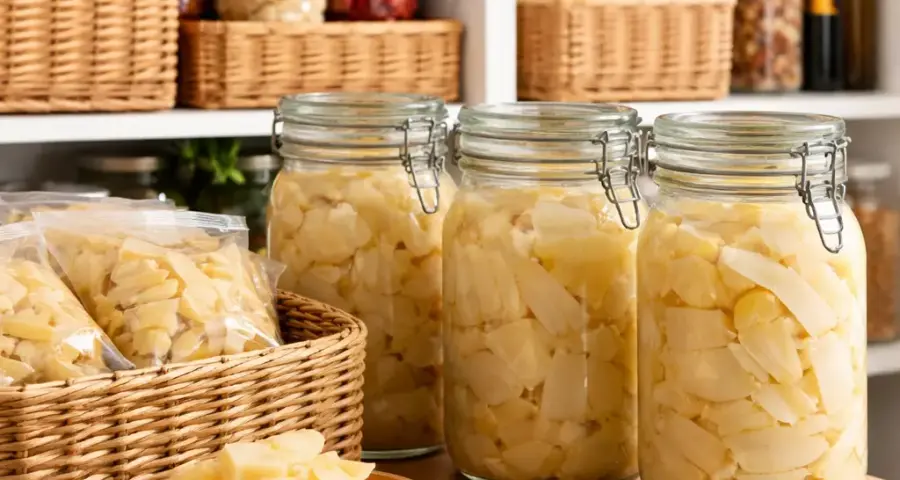
Step 1: Choose Airtight, Non-Reactive Containers
Glass jars with rubber gaskets (like Fido jars or Weck) are ideal. Plastic lids can absorb odors; metal lids can corrode from the brine. If you buy rebung in a plastic tub, transfer it to a glass container as soon as you open it. For bulk storage, use food-grade ceramic crocks with a weight to keep the shoots submerged. This single change dramatically reduces smell leakage.
What to Avoid
Never store preserved rebung in aluminum or uncoated copper. The acid in the brine reacts with the metal, creating off-flavors and potentially unsafe compounds. Stick to glass, glazed ceramic, or food-grade stainless steel.
Step 2: Assign a Dedicated “Ferment Zone”
Designate one low shelf or a pull-out drawer for all preserved and fermented items: rebung, kimchi, pickled mustard greens, fish sauce, and shrimp paste. This creates a physical barrier between strong smells and neutral ingredients. If a jar leaks, the mess stays contained in one area. Use a shallow plastic tray or a silicone mat under the jars to catch drips.
Step 3: Control Humidity Without Cooling
Pantries tend to be dry, but preserved rebung needs a moderately humid environment — around 60–70% relative humidity — to keep the brine from evaporating too fast. Place a small humidity monitor on the ferment shelf. If the air is too dry, set a shallow dish of water nearby or use a food-safe humidity pack (like those used for cheese storage). If the pantry feels damp (above 75%), add a silica gel canister to prevent mold on jar rims.
Step 4: Label Everything Clearly
After a month, a jar of rebung looks identical to a jar of pickled bamboo. Use waterproof labels or a china marker directly on the glass. Write the contents, the pack date, and the brine strength (e.g., “rebung — 5% salt brine — Feb 2025”). When you open a new jar, place it behind the older one so you rotate stock naturally. This simple habit cuts down on forgotten jars that turn mushy.
Step 5: Keep a Small “Daily Reach” Jar
Transfer a week’s worth of rebung into a small (250 ml) jar and store it at the front of the ferment zone. The bulk container stays sealed in the back, undisturbed. This reduces how often the main jar is opened, which slows oxygen exposure and bacterial contamination. Refill the daily jar from the bulk container every Sunday.
Step 6: Manage Cross-Contamination with Utensils
Always use a clean, dry spoon or tongs to remove rebung from the jar. Never dip a used chopstick or a wet spoon into the brine — introducing water or food residue can trigger spoilage. Keep a dedicated pair of bamboo tongs clipped to the shelf edge. If you see white film on the surface (kahm yeast), scoop it off immediately. It’s harmless but can alter flavor if left unchecked. For a related guide, see Avoid This Mistake: 5 Best Ways to Store Fresh Rebung Without a Fridge.
Step 7: Monitor and Adjust Seasonally
Your pantry temperature changes with the seasons. In summer, move the rebung jars to the coolest corner (often the bottom shelf near the floor). In winter, keep them away from heat vents. Check each jar monthly for signs of pressure bulging, mold on the rim, or brine evaporation. Top up with a 5% salt solution if the liquid level drops below the shoots.
Common Mistakes When You Attempt to Organize Your Pantry for Preserved Rebung
Even experienced cooks slip up. Here are three pitfalls to avoid.
Storing Rebung Above the Stove or Fridge
The heat and vibration from appliances accelerate fermentation and can weaken jar seals. Keep a distance of at least two feet from the stove, dishwasher, and refrigerator compressor.
Using the Original Plastic Container Long-Term
Thin plastic tubs from the market are fine for transport, but they’re porous and allow air exchange. Within a week, the brine level drops noticeably. Transfer to glass within two days of purchase.
Mixing Strong and Neutral Items on the Same Shelf
Even with good jars, placing rebung next to baking soda or loose tea can cause odor transfer. Maintain the ferment zone rule strictly. If shelf space is tight, use a lidded bin as a secondary barrier.
Useful Resources
For deeper guidance on food preservation and storage safety, visit these trusted sources.
- National Center for Home Food Preservation — authoritative guidelines on fermenting and storing preserved vegetables safely.
- Serious Eats: Fermentation Guide — practical tips on brine ratios, container choice, and troubleshooting common fermentation issues.
Frequently Asked Questions About organize your pantry for preserved rebung
How long does preserved rebung last in the pantry?
Unopened, it can last 6–12 months in a cool, dark pantry. After opening, it stays good for 3–4 months if kept submerged in brine and sealed tightly. Always check for off-odors or mold before using.
Can I freeze preserved rebung?
Freezing is not recommended. The brine expands and can break glass jars, and thawed shoots often turn mushy. Refrigeration is a better option if you want to slow fermentation further.
What’s the best container for storing preserved rebung?
Glass jars with a rubber-sealed lid (like Fido or Weck) work best. They are non-reactive, airtight, and transparent so you can check brine levels without opening.
Should I refrigerate preserved rebung after opening?
Refrigeration is optional but extends shelf life. If your pantry stays below 22 °C (72 °F), it’s fine at room temperature. If you live in a hot climate, move it to the fridge after opening.
How do I know if preserved rebung has gone bad?
Signs of spoilage include a slimy texture, foul ammonia-like smell, visible black or pink mold, or gas bubbles that cause the jar to bulge. When in doubt, discard it.
Can I store preserved rebung in plastic containers?
Short-term (a few weeks) it’s acceptable, but plastic is porous and absorbs odors. For long-term storage, transfer to glass or ceramic to avoid flavor loss and cross-contamination.
Why does my preserved rebung smell stronger over time?
The natural fermentation continues slowly in storage, producing more lactic acid and volatile compounds. This is normal. A stronger smell doesn’t indicate spoilage unless accompanied by texture or color changes.
Do I need to weigh down the rebung in the jar?
Yes, if the shoots float above the brine, they can develop mold. Use a glass fermentation weight or a clean ceramic disk to keep them submerged.
Can I store rebung in the same shelf as dry spices?
It’s risky. Even a small leak can taint spice powders. Keep a “ferment zone” physically separated — use a lidded bin or a separate shelf below your spice rack.
What humidity level is best for rebung storage?
Aim for 60–70% relative humidity. Too dry causes brine evaporation; too damp promotes rim mold. A small hygrometer in the pantry helps you monitor.
How often should I check my stored rebung?
Once a month is sufficient. Look for proper submersion, clean rims, and no bulging lids. Rotate jars so the oldest gets used first.
What should I do if I see white film on the brine surface?
That’s kahm yeast, a harmless aerobic yeast. Scoop it off with a clean spoon. Ensure the shoots remain fully submerged to prevent it from returning.
Can I reuse the brine from a finished jar?
Yes. The leftover brine can season stir-fries or soups. Strain it and refrigerate in a clean jar for up to two weeks. It’s too salty for direct drinking.
Does the type of salt in the brine matter?
Use non-iodized salt (sea salt, kosher, or pickling salt). Iodized salt can darken the shoots and cause a bitter taste over time.
Can I store rebung with other fermented foods?
Yes, in fact it’s a good idea. Kimchi, pickled ginger, and fermented tofu all thrive in the same environment. Just keep each jar sealed to prevent flavor blending.
What if the jar lid is hard to open?
That can indicate gas pressure from ongoing fermentation. Open it over the sink, slowly, to avoid brine splashing. Wipe the rim clean after each use.
Can I store rebung in a basement pantry?
Yes, basements are often cool and dark — ideal conditions. Just ensure the humidity isn’t too high (above 75%) and use a dehumidifier if needed.
How do I remove the strong smell from my hands after handling rebung?
Rub your hands with a stainless steel soap bar under cold water, or use a paste of baking soda and water. Avoid scented soap — it can mix with the odor oddly.
Is it safe to eat rebung that has been stored for over a year?
If the jar was never opened and stored in a cool, dark place, it may still be safe. Check for any signs of spoilage. After opening, use within 4 months.
Will rebung stain my pantry shelves?
The brine can leave yellow stains, especially on wood. Use a tray or silicone mat under the jars to protect your shelves. Wipe up spills immediately.