
Harvest Wild Rebung Indonesia Key Takeaways
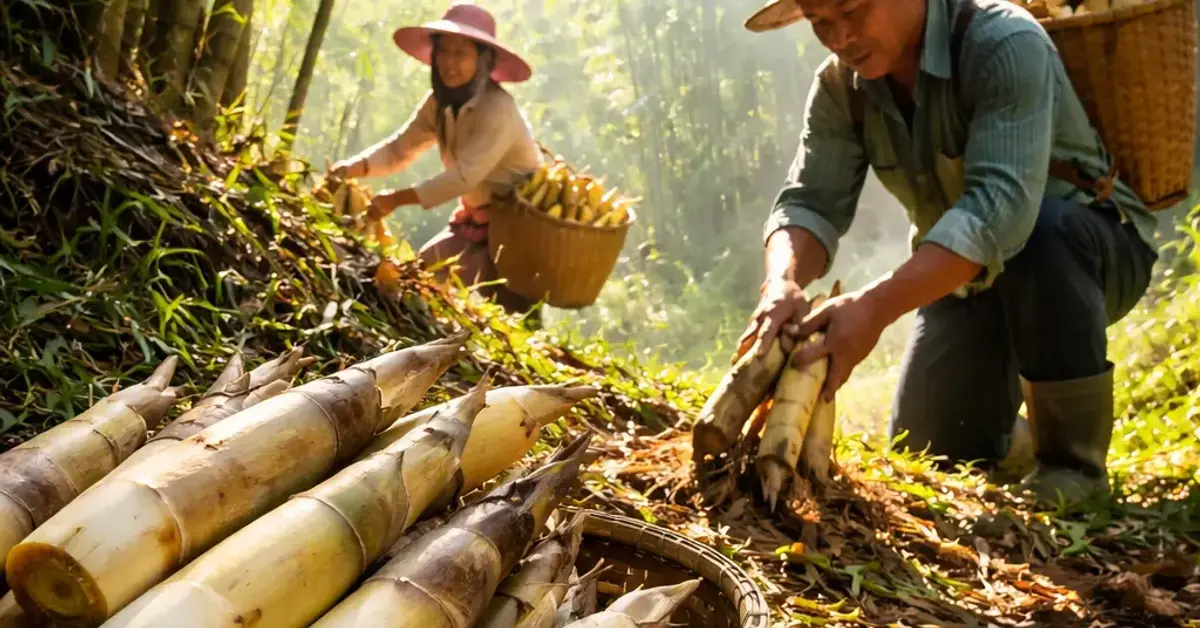
Wild rebung (young bamboo shoots) is a prized ingredient across Indonesian cuisine, valued for its crisp texture and mild, earthy flavor.
- Harvest Wild Rebung Indonesia during the first 4–6 weeks of the wet season for optimal tenderness.
- Regional climate variations across Sumatra, Java, and Kalimantan shift the ideal window by several weeks.
- Sustainable harvesting practices ensure healthy bamboo groves and future yields.
Why the Harvest Wild Rebung Indonesia Season Matters
Wild rebung (young bamboo shoots) is a prized ingredient across Indonesian cuisine, valued for its crisp texture and mild, earthy flavor. Unlike cultivated bamboo shoots, wild rebung grows naturally in forests and along riverbanks, making its availability heavily dependent on rainfall and soil moisture. The seasonal rebung Indonesia cycle is short—typically only 8–10 weeks per year—so missing the window means waiting another 12 months. For a related guide, see Rebung Substitute: 5 Smart Ways to Replace Mushrooms or Asparagus in Western Menus.
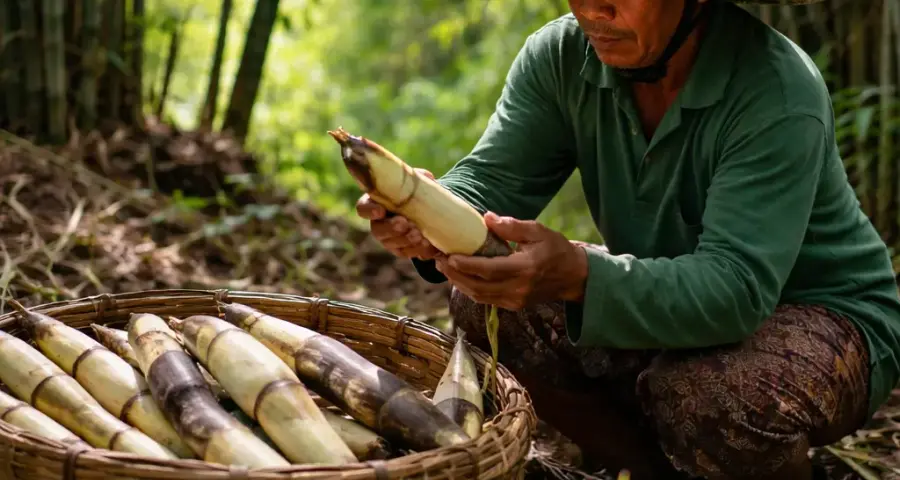
The key driver of shoot quality is water availability. During the transition from dry to wet season, bamboo plants direct stored energy into producing tender, fast-growing shoots. These shoots contain minimal fiber and low levels of cyanogenic glycosides (the compounds responsible for bitterness). As the rainy season progresses, shoots become woodier and more bitter, reducing their culinary value.
Understanding Indonesia’s Regional Climates for Wild Rebung Harvest
Indonesia’s archipelago spans several climate zones, which directly affect the timing of the wild rebung harvest. While the general rule is to harvest during the early wet season, the exact months vary by region.
Sumatra: Early Wet Season (September–November)
Western Sumatra, including the highlands around Padang and Lake Toba, experiences its first rains in late August. The best time to harvest rebung Indonesia in this region is typically mid-September through early November. Shoots from the Minangkabau forests are especially prized for their sweetness.
Java and Bali: November–January Peak
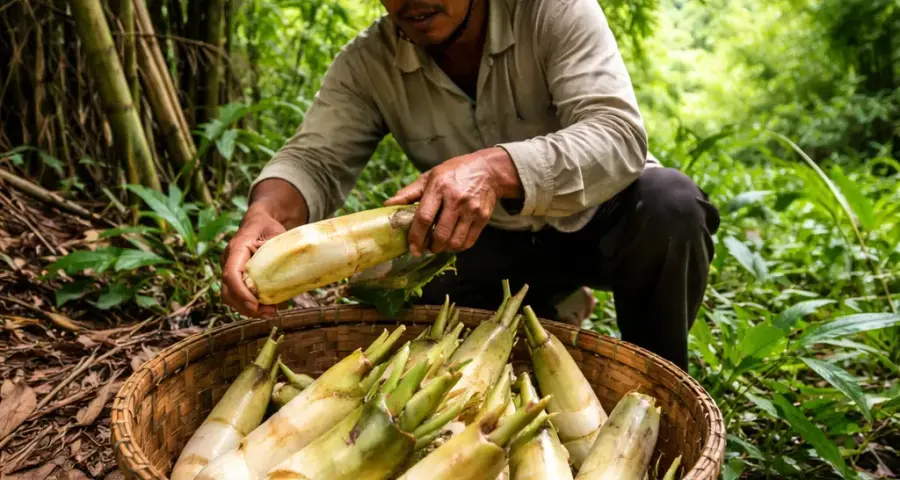
Central and East Java, along with Bali, have a more defined dry season (May–October) followed by heavy rains from November. Harvesting here peaks from late November through January. The rebung harvesting calendar for Java aligns with the start of the west monsoon, when daily downpours trigger rapid shoot growth.
Kalimantan and Sulawesi: October–December
Borneo (Kalimantan) and Sulawesi have a more equatorial climate with less pronounced seasons, but the primary rainy period typically begins in October. The seasonal rebung Indonesia harvest here can extend from October through December, with a second smaller flush sometimes appearing in March–April after the wet season.
Month-by-Month Rebung Harvesting Calendar for Indonesia
This calendar summarizes the ideal harvest windows for the main growing regions. Use it as a general guide, adjusting for local microclimates and recent weather patterns.
| Month | Region | Harvest Quality | Notes |
|---|---|---|---|
| September | West Sumatra, Aceh | Excellent | First shoots appear after early rains. |
| October | Sumatra, Kalimantan, Sulawesi | Excellent | Peak tenderness and flavor. |
| November | Java, Bali, Kalimantan | Excellent | Start of wet season in Java; shoots are crisp. |
| December | Java, Bali, East Indonesia | Very good | Still tender, but fiber increases toward month end. |
| January | Java, Bali, Nusa Tenggara | Good | Quality declines; woody shoots become common. |
| February | Most regions | Fair | Only young groves produce edible shoots. |
Sustainable Harvest Wild Rebung Indonesia Practices
Overharvesting or cutting shoots too early damages the bamboo clump and reduces future yields. Follow these guidelines to ensure both the plant’s health and a continued supply.
Leave the Main Culms Intact
Never cut the main bamboo stalk (culm). Only harvest the tender new shoots that emerge from the ground. Each clump can lose up to 30% of its shoots annually without harming the plant, but removing more than that weakens the grove.
Harvest at the Right Height
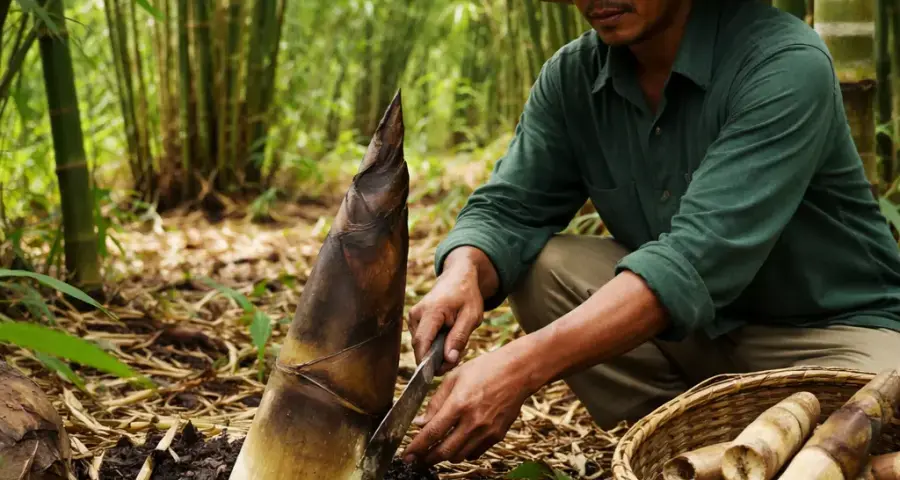
Cut shoots when they are 15–30 cm (6–12 inches) tall. Shoots shorter than 10 cm are underdeveloped and stringy; those over 40 cm are already fibrous and bitter. Use a sharp knife or machete to make a clean cut at soil level.
Rotate Harvest Zones
If you harvest from the same grove every year, rotate the cutting area so that no single clump is targeted in consecutive seasons. This allows the rhizome network to recover and store energy for next year’s flush.
Leave Some Shoots to Mature
Always leave at least two or three shoots per clump to grow into mature canes. These canes will photosynthesize and feed the root system, ensuring vigorous shoot production in the following year.
Conclusion: Best Practices for the Harvest Wild Rebung Indonesia Season
Success with Harvest Wild Rebung Indonesia comes down to reading the weather, respecting the bamboo’s growth cycle, and acting quickly once the rains begin. In Sumatra, aim for September to November; in Java and Bali, November through January; in Kalimantan and Sulawesi, October through December. Always prioritize sustainable methods so that the groves remain productive for generations.
For the freshest flavor, cook or preserve shoots within 24 hours of cutting. If you cannot use them immediately, blanch and freeze them to preserve their texture. With careful timing and responsible harvesting, you can enjoy the best wild rebung Indonesia has to offer year after year.
Useful Resources
For more detailed information on bamboo shoot identification and handling, visit the Bamboo Sourcery resource page for species-specific growing guides. For traditional Indonesian recipes using wild rebung, the Cook Indonesia website offers authentic cooking methods and preservation tips.
Frequently Asked Questions About Harvest Wild Rebung Indonesia
What is the best time of year to harvest wild rebung in Indonesia?
The best time to harvest rebung Indonesia is during the first 4–6 weeks of the rainy season, which varies by region but generally falls between September and January.
How do I know when wild rebung is ready to harvest?
Look for shoots that are 15–30 cm tall, with tightly wrapped brown or green husks and a firm texture. If the shoot feels spongy or the husks have started to unfurl, it is past its prime.
Can I harvest wild rebung during the dry season?
It is not recommended. During the dry season, bamboo shoots grow slowly, become fibrous, and develop high levels of bitter compounds. Only a few deep-rooted species produce edible shoots in drought conditions.
What causes wild rebung to taste bitter?
Bitterness comes from cyanogenic glycosides, which increase as shoots age and become exposed to sunlight. Harvesting young shoots and boiling them immediately reduces bitterness significantly.
How long does the wild rebung harvesting season last?
The primary season lasts 8–10 weeks in most regions. A second, smaller flush can sometimes occur after a dry spell during the rainy season, but it is less reliable.
Is wild rebung the same as cultivated bamboo shoots?
No. Wild rebung comes from naturally occurring bamboo species like Dendrocalamus asper and Gigantochloa hasskarliana. Cultivated shoots often come from specially bred hybrids and may have different growth patterns.
Which bamboo species produce the best wild rebung?
Dendrocalamus asper (known as rebung betung) is widely considered the best for its large size, mild taste, and tender texture. Gigantochloa atroviolacea (rebung hitam) is also prized for its slightly sweet flavor.
How should I store freshly harvested wild rebung?
Keep shoots in a cool, dark place and use them within 24 hours. For longer storage, blanch in boiling water for 5 minutes, then refrigerate for up to a week or freeze for several months.
Can I eat wild rebung raw?
Raw wild rebung contains toxic cyanogenic glycosides that must be neutralized by cooking. Always boil or cook shoots thoroughly before consumption to ensure safety.
What does wild rebung taste like?
When harvested at the right time, wild rebung has a mild, slightly sweet flavor with a crunchy texture similar to water chestnuts. Its neutral taste absorbs spices and sauces well.
Does the harvesting season differ between Sumatra and Java?
Yes. Sumatra’s rainy season starts earlier, so the harvest window is September–November. Java and Bali experience peak rains later, making November–January the best period there.
How do weather patterns affect wild rebung growth?
Consistent rainfall (80–150 mm per month) during the growth period is ideal. Heavy thunderstorms can damage shoots, while prolonged drought halts growth entirely.
Can I harvest wild rebung from the same plant every year?
Yes, if you practice sustainable harvesting. Leave at least 2–3 shoots per clump to mature, rotate cutting zones, and never remove more than 30% of the shoots in a season.
What equipment do I need to harvest wild rebung?
A sharp parang (machete) or a heavy-bladed knife is standard. Gloves are recommended to protect against sharp leaf edges, and a basket or sack is useful for transporting the shoots.
Are there any legal restrictions on harvesting wild rebung?
Harvesting in protected forests or conservation areas is prohibited. Always obtain permission from local authorities or landowners before gathering wild rebung on public or private land.
How can I tell the difference between a young shoot and an older one?
Young shoots are compact with tightly overlapping husks, often with a pointed tip. Older shoots show looser husks, a broader base, and sometimes small leaves emerging from the top.
Can I use wild rebung in traditional Indonesian dishes?
Absolutely. Wild rebung is a key ingredient in gulai rebung (coconut milk curry), tumis rebung (stir-fry), and many sayur (vegetable soup) recipes. Its texture holds up well in slow-cooked dishes.
What happens if I harvest wild rebung too late?
Late-harvested shoots become woody, stringy, and intensely bitter. They may still be edible after prolonged boiling, but the culinary quality drops significantly.
Is there a secondary rebung season in Indonesia?
In some equatorial regions, a second, smaller flush occurs during the transitional period between wet and dry seasons (usually March–April), but it is less productive than the primary season.
What is the best way to remove bitterness from wild rebung?
Slice the shoots thinly, boil them in salted water for 10–15 minutes, then soak in cold water for at least 30 minutes. Discard the water before cooking. This process effectively reduces bitterness. For a related guide, see Rebung Chips: Easy 4-Step Guide to Crispy Keripik Rebung.