
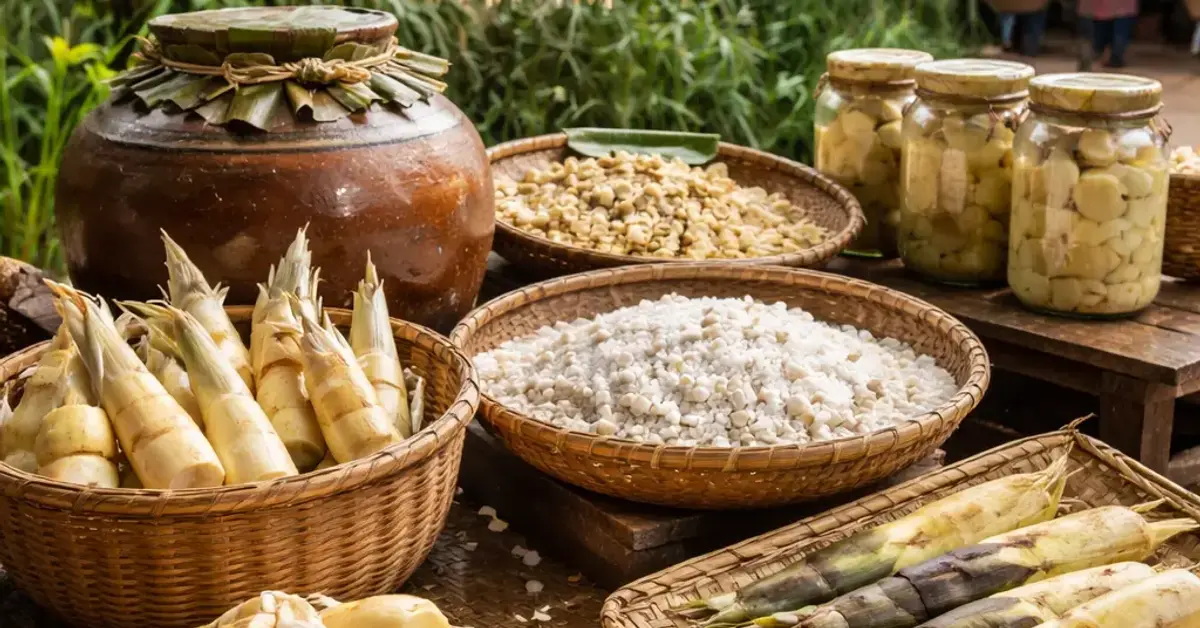
traditional bamboo shoot preservation in villages Key Takeaways
For generations, villagers across Asia have perfected the art of keeping bamboo shoots edible long after the harvest season ends.
- Traditional bamboo shoot preservation in villages relies on fermentation, drying, and salting — no electricity needed.
- Each method imparts a unique flavor and texture, making preserved shoots a prized ingredient in soups, stir-fries, and pickles.
- Understanding the principles behind these methods helps you adapt them to your own kitchen without specialized equipment.
Why Traditional Bamboo Shoot Preservation in Villages Still Matters Today
In the misty hills of Northeast India, the dense bamboo forests of Yunnan, and the terraced fields of Java, villagers have long faced a delicious problem: bamboo shoots are only tender and abundant for a few weeks each year. Without refrigeration, they needed clever ways to store this seasonal bounty. The solutions they developed are not just historical curiosities — they’re living traditions that produce ingredients with complex, irreplaceable flavors. Modern chefs and home cooks alike are rediscovering these ancient methods, from fermented soibum in Manipur to sun-dried khtum in Bhutan. By learning these techniques, you connect with centuries of food wisdom and gain access to tastes that no supermarket can replicate. For a related guide, see Rebung Chips: Easy 4-Step Guide to Crispy Keripik Rebung.
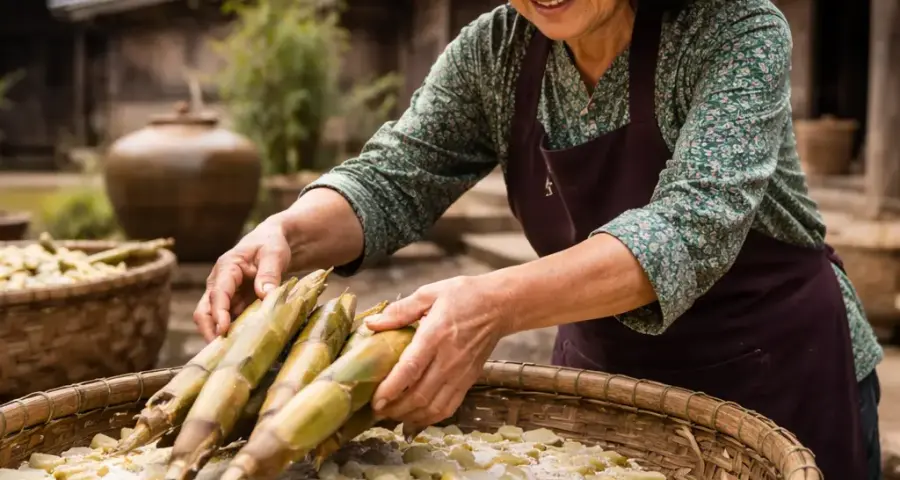
Essential Tools and Ingredients for Traditional Bamboo Shoot Preservation in Villages
Before you begin, gather a few simple items. Most can be found in a typical kitchen or foraged locally.
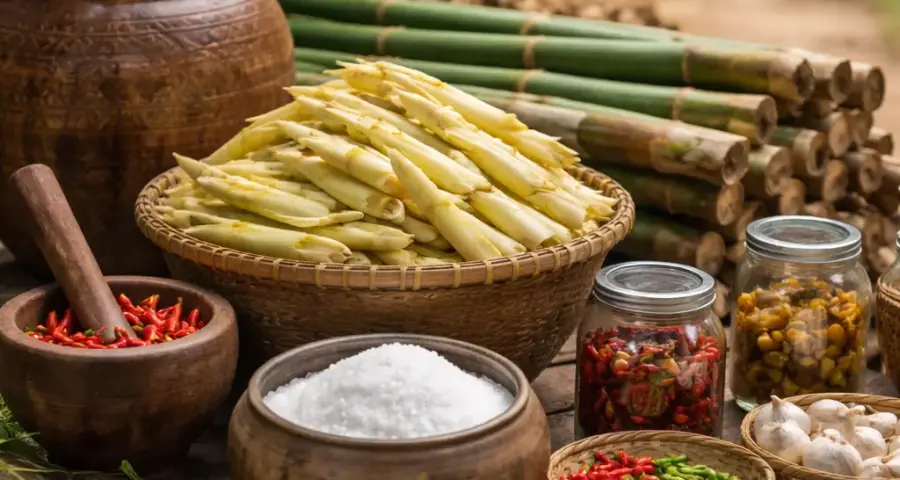
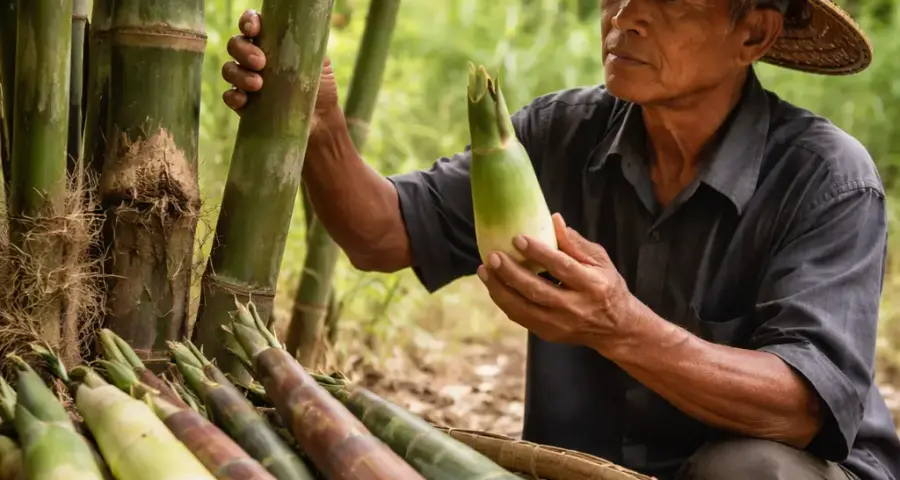
- Fresh bamboo shoots — Choose young, tender shoots with tight husks. The smaller the shoot, the less bitter it will be.
- Coarse salt or sea salt — Acts as a natural preservative. Avoid iodized salt, which can cause discoloration.
- Fermentation vessels — Earthen pots, ceramic crocks, or food-grade plastic buckets are traditional. Glass jars with airlocks work well for home use.
- Banana leaves or bamboo leaves — Used as a natural cover to keep out pests and regulate airflow.
- Clean water — Preferably from a well or filtered tap. Chlorinated water can interfere with fermentation.
- Sunlight and ventilation — For drying methods, a sunny, breezy spot is ideal.
Selecting the Right Bamboo Variety
Not all bamboo shoots are created equal for preservation. Dendrocalamus asper (giant bamboo) and Bambusa vulgaris (common bamboo) are popular choices because of their thick, meaty texture. In Manipur, the tender shoots of Bambusa tulda are preferred for fermentation. Ask local foragers or farmers which variety grows in your area — they often have generations of knowledge about which kinds preserve best.
7 Proven Methods for Traditional Bamboo Shoot Preservation in Villages
Each of these methods has been refined over centuries. Pick the one that matches your climate, available ingredients, and flavor preferences.
Method 1: Fermentation in an Earthen Pot (Soibum)
This iconic Manipuri method produces a sour, tangy shoot used in classic dishes like irot ngari (bamboo shoot with smoked fish). Thinly slice fresh bamboo shoots and stuff them tightly into an earthen pot. Press down firmly with a flat stone or a wooden disk to remove air pockets. Seal the pot with a layer of banana leaves tied with string, and keep it in a cool, dark corner of the kitchen. After 10–14 days, the shoots develop a distinct sour aroma and are ready. They can be stored for up to a year if the seal remains intact. For a related guide, see Stuck on Cooking Bamboo Shoots Without the Smell? 3 Best Canning Methods.
Method 2: Sun-Drying (Khtum)
In Bhutan and the highlands of Nepal, drying is the most common traditional bamboo shoot preservation in villages. Blanch whole young shoots in boiling water for 5 minutes to remove bitterness, then slice them into thin strips. Spread the strips on a bamboo mat or clean cloth in direct sunlight. Cover them with a mesh net to keep away insects. On hot, dry days, the shoots will be crisp and brittle within 3–5 days. Store dried shoots in an airtight container away from moisture. Rehydrate by soaking in warm water for 30 minutes before cooking. For a related guide, see Rebung Steaming Guide: 5 Expert Tips for Bamboo Steamers.
Method 3: Salt Curing
A simple yet effective method found in parts of China and Japan. Layer sliced bamboo shoots with coarse salt in a glass jar or crock — use about 2 tablespoons of salt per pound of shoots. Press down firmly to release natural juices, which create a brine. Weigh down the shoots with a clean stone or a fermentation weight. After 2 weeks, the shoots are fully cured and can be refrigerated for up to 6 months. Rinse before using to remove excess salt.
Method 4: Smoking Over the Hearth
In many tribal communities across Northeast India, bamboo shoots are suspended above the cooking fire. The smoke imparts a deep, savory flavor while drying the shoots slowly. Slice shoots into thick strips, thread them onto a bamboo skewer or string, and hang them high in the kitchen where the smoke naturally rises. After 7–10 days, the shoots become leathery and smoky. They keep indefinitely in a dry place. Use them in stews and braises — the smoky flavor is unforgettable.
Method 5: Pickling in Rice Wash Water (Nuoc Mam Chay)
This Vietnamese method uses the leftover water from washing rice as a starter for fermentation. The natural yeast and bacteria in the rice water create a gentle, aromatic ferment. Sliced bamboo shoots are packed into a jar, covered with rice wash water, and left at room temperature for 5–7 days. The result is a mildly sour, umami-rich pickle that pairs beautifully with grilled meats or fresh herbs. A bonus: the liquid itself becomes a flavorful vinegar substitute.
Method 6: Fermentation in Bamboo Tubes
A beautiful zero-waste method from the Dayak people of Borneo. Fresh bamboo shoots are pounded into a coarse paste, seasoned with salt and turmeric, and tightly packed into a hollow bamboo tube. The tube is sealed with a banana leaf stopper and left to ferment for 2–3 weeks. The bamboo itself contributes subtle flavor notes. When you’re ready to eat, simply split the tube open and scoop out the fermented paste. It’s a fantastic way to preserve shoots without any additional containers.
Method 7: Freeze-Drying (Modern Adaptation)
While not strictly traditional, this method has been adopted by forward-thinking village co-ops to extend shelf life even further. Shoots are quickly frozen — either in a shared community freezer or using butane-powered freezer units — and then dried in a solar dehydrator. The freeze-dried shoots retain almost all their original flavor and can be rehydrated in minutes. This technique is especially useful in villages that now have access to solar energy but want to preserve the taste of foraged shoots.
Local Tips and Tricks Passed Down Through Generations
Village food preservation is full of small details that make a big difference. Here are a few insider secrets from experienced practitioners.
How to Reduce Bitterness Naturally
Before any preservation method, soak sliced bamboo shoots in a mixture of water and a pinch of turmeric powder for 30 minutes. The turmeric neutralizes the natural oxalates that cause bitterness. Rinse thoroughly afterward. This trick is widely used in Thai and Laos village kitchens.
Signs of Spoilage to Watch For
Even the best traditional bamboo shoot preservation in villages can fail if conditions aren’t ideal. Discard shoots if you see:
- Black or pink mold on the surface — a sign of contamination. White mold on fermented shoots is usually safe, but any other color is not.
- Foul, putrid smell — healthy fermented shoots smell sour or tangy, not rotten.
- Slimy texture — shoots should be firm, not slippery.
Storing at the Right Temperature
In villages, preservation is often done in the coolest part of the house — a shaded corridor, a cellar, or near the water storage area. If the weather is unusually hot, the fermentation process speeds up and can over-sour the shoots. Wrap the fermentation pot in a wet cloth to keep it cool, a technique used in many Southeast Asian homes.
Modern Applications: Bringing Village Knowledge into Your Kitchen
These ancient methods aren’t just for rural areas. Urban home cooks and restaurant chefs are embracing them for their depth of flavor and sustainability.
Using Preserved Shoots in Contemporary Recipes
Fermented bamboo shoots add a sour punch to tacos, grain bowls, and noodle soups. Dried shoots can be ground into a powder and used as a seasoning for popcorn or roasted vegetables. Smoked shoots make a spectacular addition to a charcuterie board when paired with ripe mango or papaya.
Building a Small-Scale Preservation Business
Several village cooperatives in Meghalaya and Nagaland now sell their preserved shoots online and at farmers’ markets. If you’re interested in scaling up, consider creating a branded line of fermented or smoked bamboo shoots. The unique flavor profile is a strong selling point for foodies and specialty grocery stores. Start small by offering samples at your local market and gathering feedback.
Useful Resources
For more details on the science and tradition of bamboo shoot preservation, these resources are excellent starting points:
- Food and Agriculture Organization (FAO) — Guidelines on traditional fermentation methods and food safety for rural communities.
- Cultural Survival — Articles and case studies on indigenous food preservation traditions, including bamboo shoot processing in Northeast India.
Frequently Asked Questions About traditional bamboo shoot preservation in villages
How long do fermented bamboo shoots last in an earthen pot?
Fermented shoots sealed properly in an earthen pot can last up to 12 months. Keep the pot in a cool, dark place and ensure the banana leaf seal remains intact.
Can I use iodized salt for salt curing?
No, iodized salt can cause discoloration and may affect the fermentation balance. Use coarse sea salt or kosher salt instead.
Do I need to boil bamboo shoots before sun drying?
Blanching in boiling water for 5 minutes is highly recommended. It reduces bitterness and helps the shoots dry more evenly.
What is the best bamboo variety for smoking?
Thick-fleshed varieties like Dendrocalamus asper hold up well to smoking. Their dense texture absorbs smoke flavor without becoming too dry.
Is white mold on fermented bamboo shoots safe?
White mold is generally harmless and a normal part of surface fermentation. Black, green, or pink mold indicates contamination and the batch should be discarded.
Can I ferment bamboo shoots in a plastic bucket?
Yes, use a food-grade plastic bucket with a tight-fitting lid. Avoid containers that previously held chemicals or strong-smelling substances.
How do I know when sun-dried shoots are fully dry?
They should be brittle and snap easily when bent. If they bend without breaking, they need more drying time.
What dishes can I make with smoked bamboo shoots?
Smoked shoots are fantastic in stews, braised with pork, or chopped into a compound butter for grilled corn. They also add depth to vegetarian chili.
Can I freeze preserved bamboo shoots?
Fermented and salt-cured shoots do not freeze well — the texture becomes mushy. Dried shoots can be frozen for extra shelf life, but airtight storage at room temperature is usually sufficient.
What is soibum called in other languages?
Soibum is the Manipuri name. In Assam, a similar fermented shoot is called khorisa, while in Nepal it may simply be called tama (sour bamboo shoot).
Is there a quick way to reduce bitterness in fresh shoots?
Soak sliced shoots in water mixed with a pinch of turmeric for 30 minutes. Rinse well before preserving. This is a common fix in village kitchens.
Can I eat fermented bamboo shoot raw?
Yes, fully fermented shoots can be eaten raw as a side dish or condiment. However, always check for spoilage first and rinse well if needed.
What container is best for pickling in rice wash water?
A glass jar with a wide mouth works best because it is easy to clean and allows you to monitor the fermentation. Avoid metal containers, as the acidity can react.
How do I store dried bamboo shoots long-term?
Keep them in an airtight jar or Mylar bag with an oxygen absorber. Dark, cool conditions help them stay fresh for up to 2 years.
What is the difference between fermented and pickled bamboo shoots?
Fermented shoots rely on naturally occurring bacteria and yeast to create sourness, while pickled shoots use an acidic liquid like vinegar or rice wash water for preservation.
Can I use banana leaves from a store?
If you cannot find fresh banana leaves, you can use frozen ones (thawed) or parchment paper as a substitute. Banana leaves add a subtle aroma and natural antimicrobial properties.
How do I know if my fermentation is working?
After a few days, you should see small bubbles and notice a tangy, sour smell. The liquid level may also rise slightly. If nothing changes after 5 days, the conditions may be too cold or sterile.
Is it safe to use a metal weight for fermentation?
No, metal can react with the acidic brine. Use a clean stone, a glass fermentation weight, or a plastic bag filled with brine instead.
Can I mix different bamboo varieties in one batch?
Yes, but keep in mind that different varieties have different water content and bitterness levels. The texture may vary, but the flavor can be interestingly complex.
What is the best way to rehydrate dried bamboo shoots?
Soak in warm water for about 30 minutes, then simmer in fresh water or broth for 10 minutes. This restores their plump texture while retaining the concentrated flavor.