
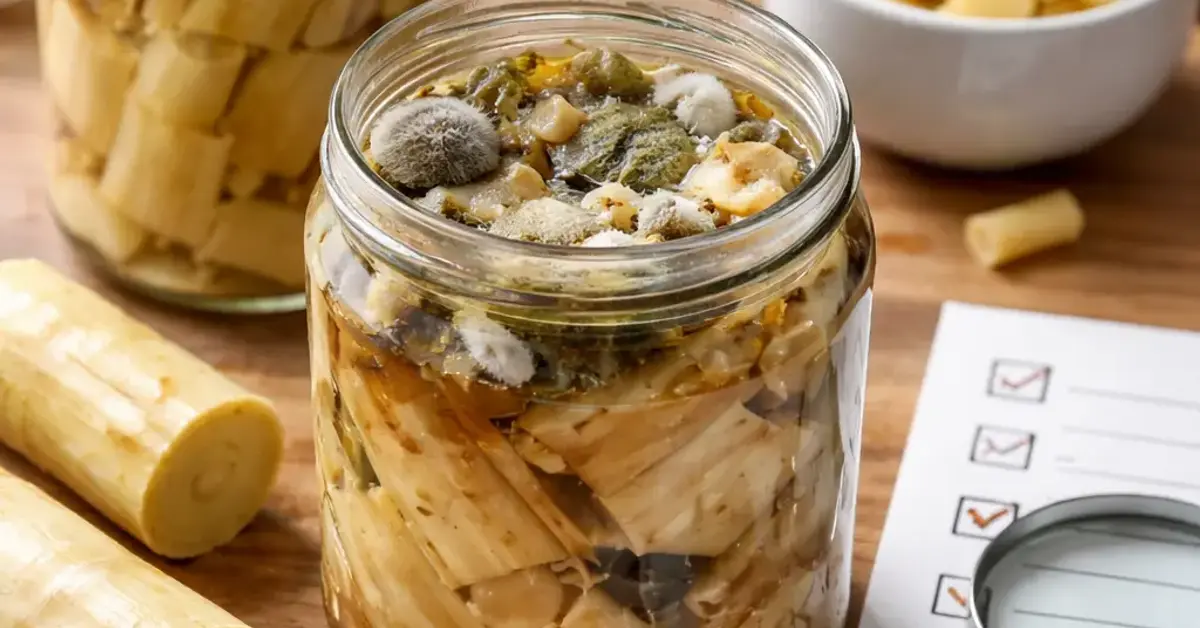
preserved rebung gone bad Key Takeaways
Preserved rebung, or fermented bamboo shoots, adds a tangy depth to many Southeast Asian dishes, but spoilage can turn a cherished ingredient into a health risk.
- Look for changes in smell, texture, color, and brine clarity — these are the most reliable preserved rebung signs of spoilage.
- Proper storage in low temperatures and airtight containers can double the shelf life of preserved rebung.
- Never taste-test questionable preserved rebung; when in doubt, throw it out to prevent foodborne illness.
What Is Preserved Rebung and Why Does It Spoil?
Preserved rebung is bamboo shoot that has been fermented or pickled in brine, salt, or water, often with added spices. This traditional preservation method creates a sour, umami-rich ingredient used in curries, stir-fries, and soups. However, even properly fermented rebung can spoil due to temperature swings, contamination, or aging. Understanding the signs of preserved rebung gone bad helps you enjoy this ingredient safely. For a related guide, see 7 Fermenting Bamboo Shoots Mistakes to Avoid for Best Rebung Asin.
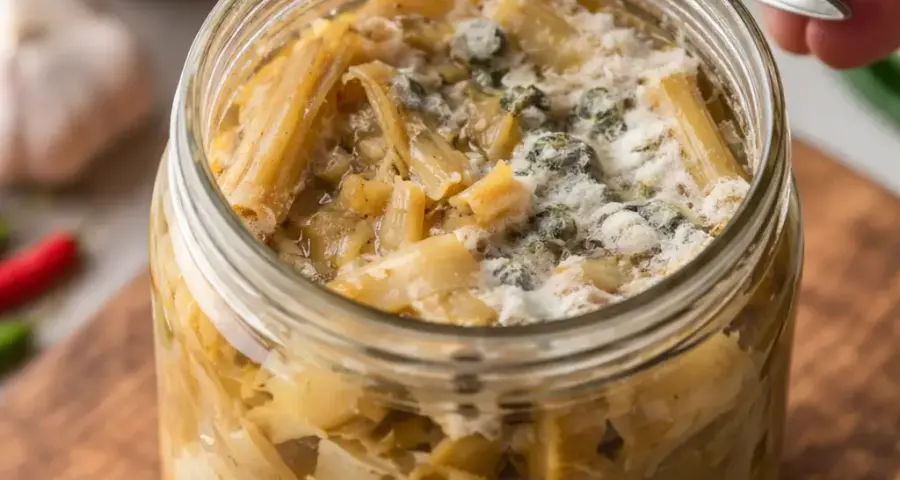
7 Signs Your Preserved Rebung Has Gone Bad
Here are the seven most reliable indicators that your preserved rebung is no longer safe to eat. Check for these signs before cooking or consuming.
1. Off or Putrid Odor
A fresh jar of preserved rebung has a characteristic tangy, slightly funky aroma — similar to sauerkraut or kimchi. If you detect a strong ammonia-like smell, a rotting egg odor, or any scent that makes you recoil, that is a clear preserved rebung sign of spoilage. Trust your nose; bad smells indicate bacterial overgrowth or fermentation gone wrong.
2. Slimy or Mushy Texture
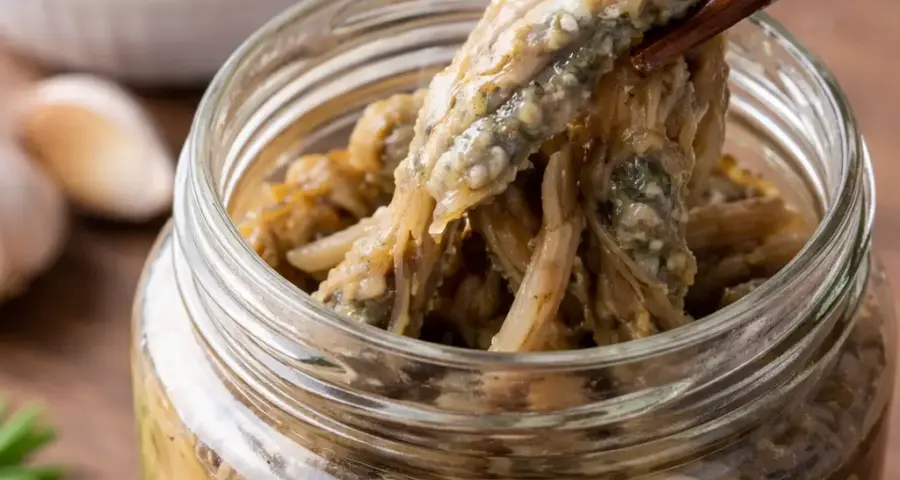
Healthy preserved rebung pieces are firm to the bite with a slight crunch. When you touch them, they should feel solid, not slippery. If the shoots feel slimy, mushy, or fall apart easily, spoilage has occurred. This texture change often happens because of enzymes from unwanted bacteria breaking down the plant fibers. For a related guide, see Transporting Freshly Harvested Rebung: 5 Essential Tips for Quality.
3. Unnatural Color Changes
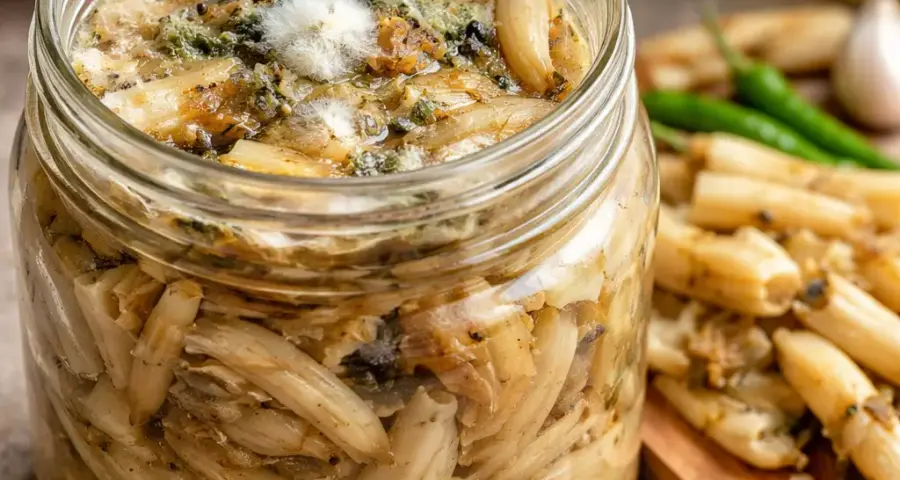
Freshly preserved rebung ranges from pale beige to light yellow or tan, depending on the processing. If you see dark brown, gray, greenish, or moldy spots, the product is compromised. Even a uniform darkening of the entire batch can signal that the preserved rebung gone bad. Compare the color to what you remember when you first opened the jar.
4. Cloudy or Murky Brine
The liquid surrounding the preserved rebung should be clear to slightly translucent, even if it contains bits of spices or sediment. Cloudy or milky brine often means microbial growth. If the brine has become thick or separated into layers, discard the entire batch promptly.
5. Mold Growth on the Surface or Under the Lid
Any visible mold — fuzzy white, green, black, or pink patches — is a definite sign of spoilage. Mold can appear on the rebung pieces, on the surface of the brine, or underneath the jar lid. Do not try to scrape it off; mold spores may have spread throughout the jar. This is one of the most obvious preserved rebung signs to watch for.
6. Fizzing or Active Fermentation
While gentle fermentation is normal, vigorous bubbling or hissing when you open the jar indicates that the rebung is still actively fermenting, which may have gone out of control. If the brine bubbles aggressively or the lid bulges outward, carbon dioxide produced by unwanted bacteria could pressure the container. This is a safety warning sign.
7. Bitter or Sour Taste That Is Off-Putting
If the rebung passes visual and smell checks, you might taste a tiny piece. A normal preserved rebung tastes pleasantly sour and salty. If you experience a sharp bitterness, a chemical-like flavor, or an unpleasantly rancid note, do not swallow. Spit it out and discard the rest. A bad taste is a final confirmation that the preserved rebung gone bad.
How to Properly Store Preserved Rebung
To extend shelf life and avoid spoilage, follow these storage tips:
- Keep the jar sealed tightly when not in use. Oxygen and airborne microbes accelerate spoilage.
- Refrigerate after opening. Even if the label says “shelf-stable,” refrigeration slows enzyme activity and bacterial growth.
- Always use a clean, dry utensil to remove rebung from the jar. Introducing water, saliva, or food crumbs can contaminate the brine.
- Do not return unused pieces to the original jar. Take out what you need and set them aside.
- Store the jar in the coldest part of the refrigerator, not in the door where temperatures fluctuate.
What to Do If You Suspect Spoilage
If you notice any of the signs above, do not take risks. Bacteria like Listeria monocytogenes or Clostridium botulinum can grow in improperly sealed or stored preserved goods. Discard the entire jar in a sealed bag in the trash — not in your compost bin. Then wash the refrigerator shelf and any utensils that came in contact with the spoiled rebung with hot soapy water.
If you are unsure whether a batch is safe, it is better to err on the side of caution. One small jar of preserved rebung gone bad is not worth a trip to the emergency room.
Useful Resources
- USDA Food Safety: Molds on Food — Are They Dangerous?
- CDC: Botulism Prevention and Proper Home Canning Practices
Frequently Asked Questions About preserved rebung gone bad
How long does preserved rebung last in the fridge?
Unopened, properly sealed jars can last 1–2 years in a cool, dark pantry. After opening, refrigerated preserved rebung typically stays good for 3–6 months.
Can I freeze preserved rebung to extend its shelf life?
Yes, freezing is a good option. Transfer the rebung and brine into a freezer-safe container, leaving some headspace. Thaw in the fridge before using. The texture may soften slightly but the flavor remains intact.
Is it safe to eat preserved rebung past the expiration date?
Safe shelf life depends on the acid level, salt content, and storage conditions. If the jar is intact and the brine looks clear, it may still be okay a few months past the date. However, always check for the signs of preserved rebung gone bad before consuming.
What if the brine smells like sulfur or rotten eggs?
That odor is a strong warning sign of spoilage, likely caused by bacterial growth. Dispose of the entire jar immediately without tasting.
Can I salvage preserved rebung that has developed light mold?
No. Mold can spread invisible roots throughout the food. Even if you remove the visible spot, the rest may still be contaminated. Discard the whole batch.
What causes the brine to turn cloudy?
Cloudy brine is usually caused by lactic acid bacteria activity during natural fermentation. In small amounts it is normal, but heavy turbidity combined with off-odors signals spoilage.
Why does preserved rebung sometimes have a fizzy texture?
Fizzing means active fermentation is still producing carbon dioxide. While light carbonation is normal in homemade batches, aggressive fizzing with bulging lids indicates contamination.
How can I tell if preserved rebung is still good after a power outage?
If the refrigerator stayed closed and the temperature remained below 40°F (4°C) for less than 2 hours, the rebung should be safe. If the power was off longer, check for any changes in smell or texture before using.
Does salt content affect spoilage rate?
Yes. Higher salt concentrations inhibit unwanted bacteria and yeast. Low-salt or no-salt preserved rebung spoils much faster, even in the fridge. Always follow the manufacturer’s storage guidelines.
Can I use vinegar to preserve rebung at home?
Yes, pickled rebung in vinegar-based brine has a different flavor profile and tends to have a longer shelf life due to the low pH. The signs of spoilage are similar: off odors, mold, or texture changes.
What does fresh preserved rebung look like?
It typically appears as pale yellow to tan strips or chunks in a clear to slightly translucent brine. The shoots feel firm and crisp, not slimy. The smell is sour and mildly pungent, not putrid.
Is it normal for the brine to have sediment?
Some fine sediment at the bottom of the jar is normal, especially with homemade batches that include spices. Heavy sediment with floating particles could indicate spoilage.
Can I store preserved rebung in oil?
Storing preserved rebung in oil creates a low-oxygen environment that can allow Clostridium botulinum to grow. It is not recommended unless the rebung is fully fermented with very high acidity.
How do I know if a sealed jar is still safe to open?
Check the lid for bulging or corrosion. If the lid is concave and does not pop when pressed, it is likely still sealed. Bulging or leaked jars should be discarded unopened.
What happens if I eat bad preserved rebung?
Symptoms of food poisoning from spoiled preserved rebung can include nausea, vomiting, diarrhea, stomach cramps, and in severe cases, botulism. Seek medical attention if you experience blurred vision or difficulty swallowing.
Can I use the liquid from spoiled rebung for cooking?
No. The brine from a spoiled batch may contain harmful bacteria or toxins. Dispose of it along with the solid pieces.
Does brand matter for shelf life of preserved rebung?
Commercial brands often include preservatives and are pasteurized, which extends shelf life. However, even premium brands can spoil if the seal is broken or the jar is stored improperly.
Can I re-season spoiled preserved rebung to fix the taste?
No. Adding spices or heating will not remove the toxins produced by bacteria. The only safe action is to discard the spoiled batch.
Is homemade preserved rebung more likely to go bad?
Homemade batches can be more variable due to differences in fermentation conditions, salt levels, and container cleanliness. They require more careful monitoring for the preserved rebung signs of spoilage.
Should I rinse preserved rebung before using it?
Rinsing can remove excess salt and reduce sourness, but it does not remove spoilage. Only rinse if the batch passes all other safety checks. Never rinse to try to hide off-odors or sliminess.