
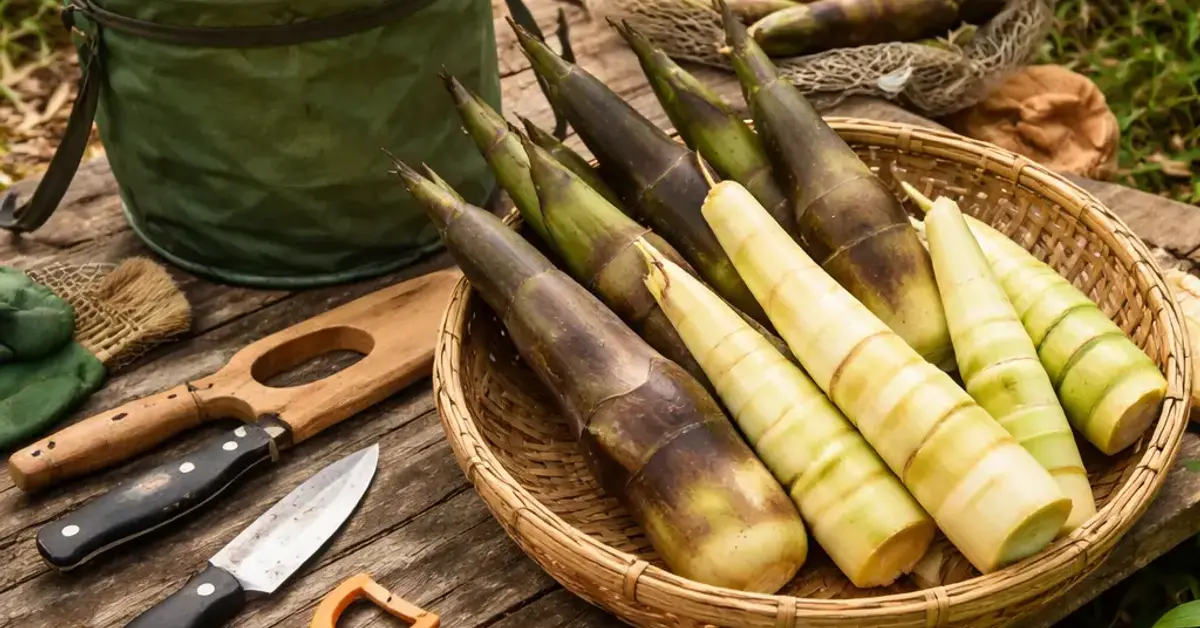
clean wild rebung Key Takeaways
Cleaning wild rebung (bamboo shoots) properly in the field is the difference between a delicious harvest and a bitter, inedible batch.
- Identify the correct bamboo species and harvest young shoots to ensure tenderness and avoid bitterness.
- Always wear protective gloves and use a sharp knife to prevent injury and speed up the cleaning process.
- Remove the tough outer layers and soak in salted water to neutralize natural toxins and improve flavor.
What You Need to Know Before You Clean Wild Rebung
Foraging for bamboo shoots, or wild rebung, is a rewarding experience, but preparation is key. Not all bamboo shoots are edible, and improper handling can lead to a bitter taste or even digestive discomfort. Before you head into the field, understanding the basics ensures your harvest is both safe and delicious. This guide covers everything from choosing the right tools to common beginner mistakes, so you can confidently clean wild rebung like a pro. For a related guide, see 5 Common Braising Rebung Mistakes to Avoid for Perfect Semur.
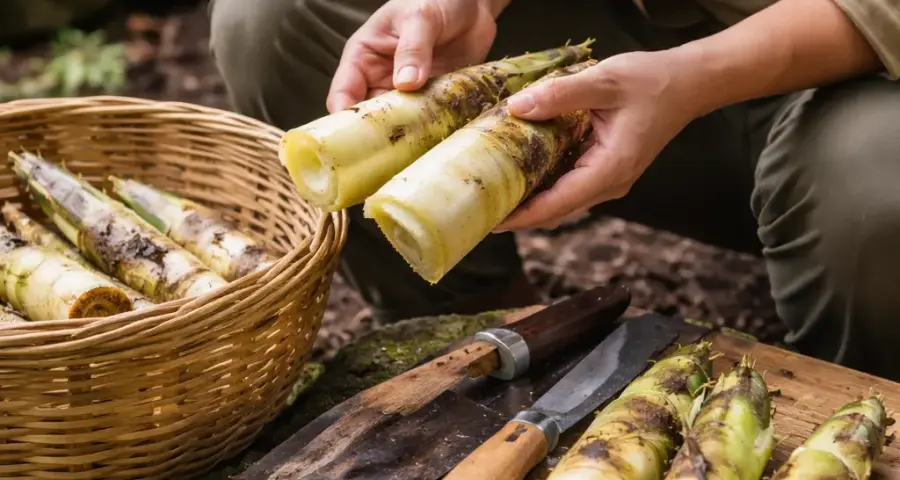
Essential Gear for Safe Wild Rebung Cleaning
Having the right equipment makes the task easier and safer. You don’t need a lot of gear, but what you bring matters.
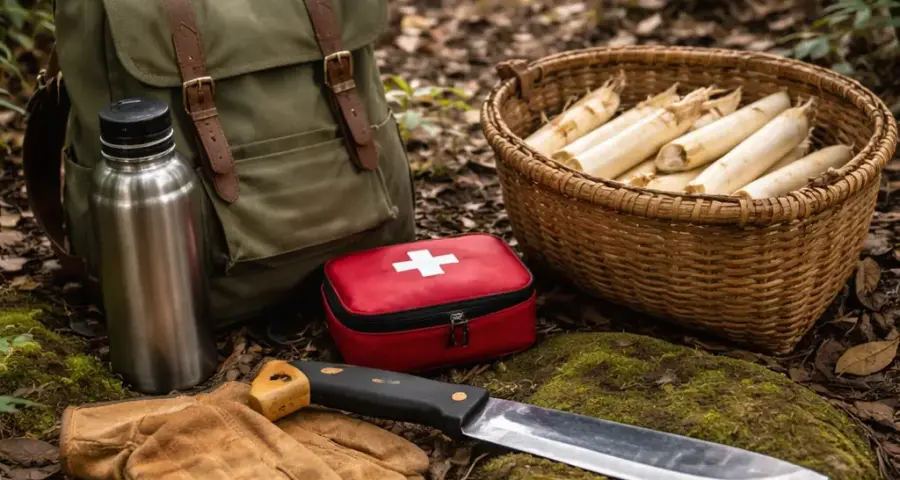
Must-Have Tools
A sharp, sturdy knife is non-negotiable. A paring knife works for small shoots, while a larger bushcraft knife handles thicker stalks. Always bring a pair of thick gloves to protect your hands from sharp grass and bamboo edges. A clean, durable bag or basket is also essential for collecting the peeled shoots.
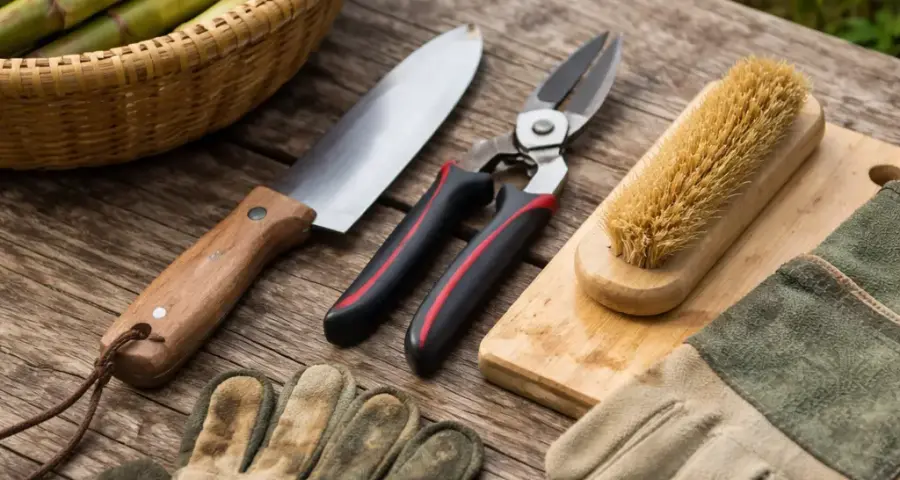
Optional but Helpful Items
Consider bringing a small brush for scrubbing dirt from the shoots and a water bottle for rinsing. If you plan to process multiple shoots, a cutting board or a flat, clean rock can serve as a stable surface.
7 Step-by-Step Tips to Clean Wild Rebung in the Field
Follow these seven essential steps to ensure your bamboo shoots are clean, tender, and ready to cook.
Step 1: Identify the Right Shoots
Only harvest young shoots that are still firm and have tightly wrapped leaves. Look for shoots that are 6 to 12 inches tall. Avoid any that are slimy, have open leaves, or show signs of insect damage. This first step is crucial for a successful clean wild rebung experience.
Step 2: Cut the Shoot at the Base
Use your knife to cut the shoot as close to the ground as possible. A clean, angled cut helps the plant heal and regrow. If the soil is hard, gently wiggle the shoot before cutting to expose the base.
Step 3: Remove the Outer Leaves
Starting from the bottom, peel back the tough, fibrous outer leaves. They should come off easily. Remove layers until you reach the pale, tender inner core. Discard the outer leaves away from your work area to avoid attracting pests.
Step 4: Trim the Base and Tip
Cut off the very bottom of the shoot, which can be woody and tough. Also, trim the tip if it looks dry or discolored. The remaining shoot should be mostly pale green or white and firm to the touch.
Step 5: Rinse Thoroughly
If you have access to clean water, rinse the peeled shoot to remove any clinging dirt or grit. If water is scarce, wipe the shoot with a damp cloth. Removing soil now prevents a gritty texture later.
Step 6: Slice or Soak (Optional)
Depending on your recipe, you can slice the shoot into rings or strips. Alternatively, soak the whole shoot in a bowl of salted water for 15–20 minutes. This helps draw out any remaining bitterness and neutralizes natural compounds that can cause stomach upset.
Step 7: Store Properly
Place the cleaned shoots in a breathable bag or basket. If you have an ice pack, keep them cool. Process or cook the shoots within 24 hours for the best flavor and texture. Never leave cleaned shoots in direct sunlight.
Common Mistakes When Cleaning Wild Rebung and How to Avoid Them
Even experienced foragers can make mistakes. Here are the most common pitfalls and how to sidestep them.
Skipping the Gloves
Bamboo leaves have microscopic silica crystals that can cause micro-cuts on your hands. Always wear gloves, even if you think you are careful.
Overlooking Bitterness
If you skip the initial rinse or soak, you may end up with bitter shoots. Always taste a small piece of raw shoot after peeling. If it tastes overly bitter, soak it in salted water for a longer period.
Harvesting Too Late
Once a bamboo shoot grows taller than 12 inches and the leaves start to spread, it becomes tough and woody. Learn to recognize the growth stage of the bamboo species in your area.
Why Proper Cleaning Matters for Safety and Flavor
Bamboo shoots naturally contain cyanogenic glycosides, which can break down into hydrogen cyanide if not prepared correctly. Cleaning wild rebung thoroughly—especially peeling and soaking—reduces these compounds to safe levels. The process also removes the tough outer layers that are inedible and improves the overall texture. When you invest time in proper field cleaning, your final dish will be tender, sweet, and safe to eat. For a related guide, see Guide to Stir-Frying Rebung: Easy Tips for Perfect Tumis Rebung.
Useful Resources
For more detailed information on wild bamboo foraging safety, check out this guide from the USDA Forest Service on edible wild plants. To understand the science behind bamboo shoot toxicity, read this article from PubMed Central on cyanogenic glycosides in food.
Frequently Asked Questions About clean wild rebung
Can you eat wild bamboo shoots raw?
No, raw bamboo shoots contain compounds that can cause digestive issues. Always cook them thoroughly after cleaning.
How long does it take to clean a single bamboo shoot?
With practice, you can clean a small shoot in 2–3 minutes. Larger shoots may take up to 5 minutes per piece.
What is the best knife for cleaning wild rebung?
A sharp, medium-sized knife with a non-slip handle works best. A flexible filleting knife can also help with peeling layers.
Do I need to soak bamboo shoots before cooking?
Soaking in salted water for 15–30 minutes is recommended to remove bitterness and reduce natural toxins.
How can I tell if a bamboo shoot is too old to eat?
If the outer leaves are already separating or the shoot feels soft to the touch, it is likely too old and will be woody.
Can I clean bamboo shoots at home instead of in the field?
Yes, but cleaning in the field is more efficient because you leave the tough outer layers behind, reducing weight and mess.
What should I do if I get bamboo sap on my skin?
Wash the area with soap and water. Bamboo sap can cause mild irritation in some people. Gloves prevent this.
Is it safe to eat the fuzzy hairs on bamboo shoots?
No, the fine hairs on the outer leaves can cause throat irritation. Remove all outer layers completely.
How do I store cleaned wild rebung in the field?
Place them in a clean, breathable bag away from direct sunlight. Use a cool stream or ice pack to keep them fresh.
What is the best way to transport cleaned bamboo shoots?
Use a mesh bag or basket. Avoid plastic bags that trap moisture and cause spoilage.
Can I freeze wild bamboo shoots after cleaning?
Yes, blanch the cleaned shoots in boiling water for 2–3 minutes, then cool them quickly before freezing.
How do I remove the bitter taste from bamboo shoots?
Soak the peeled shoots in salted water for 20–30 minutes. Rinse and taste. Repeat if necessary.
Are all bamboo shoot varieties edible?
No, some species are too bitter or contain high levels of toxins. Stick to common edible varieties like Bambusa vulgaris or Dendrocalamus asper.
What happens if I eat undercooked bamboo shoots?
You may experience stomach cramps, nausea, or a bitter aftertaste. Always boil shoots for at least 10–15 minutes.
Can I use the outer leaves for anything?
They are generally too tough to eat but can be used as mulch or compost material.
How do I clean multiple shoots efficiently?
Set up an assembly line: peel all shoots first, then trim, rinse, and soak them together. This saves time.
Should I remove the tip of the bamboo shoot?
Yes, the very tip can be dry or discolored. Trim it off along with the woody base.
What does a fresh, clean wild rebung smell like?
It has a mild, slightly sweet, earthy aroma. A sour or musty smell indicates spoilage.
How long can I keep cleaned bamboo shoots before cooking?
In a cool place, they last 24–48 hours. Refrigerated, they stay fresh for up to 4 days.
Do I need to peel bamboo shoots if they are very small?
Yes, even small shoots have a fibrous outer layer. Always peel until you reach the tender core.