
dehydrating bamboo shoots Key Takeaways
Learning how to dehydrate bamboo shoots lets you preserve their crisp, mildly sweet flavor for months.
- Dehydrating bamboo shoots extends shelf life up to one year when stored correctly.
- Proper preparation—blanching and slicing—prevents bitterness and ensures even drying.
- Oven drying is faster and more predictable; sun drying requires consistent warm, dry weather.
Why Dehydrating Bamboo Shoots Is Worth Your Time
Fresh bamboo shoots are a seasonal delicacy, but they spoil quickly. By mastering how to dry bamboo shoots, you can enjoy their unique crunch in stir-fries, soups, and salads year-round. Dried shoots also concentrate flavor, making them a pantry powerhouse. For a related guide, see Easy Way to Blanch and Shock Rebung for Salads | Avoid Soggy Results.
Beyond convenience, dehydrating bamboo shoots reduces waste. Instead of tossing extras, you create a shelf-stable ingredient that rehydrates beautifully. The process is straightforward and requires no special equipment—just a knife, a pot, and either an oven or strong sunlight.
What You’ll Need to Get Started
Before oven drying bamboo shoots or laying them in the sun, gather these supplies:
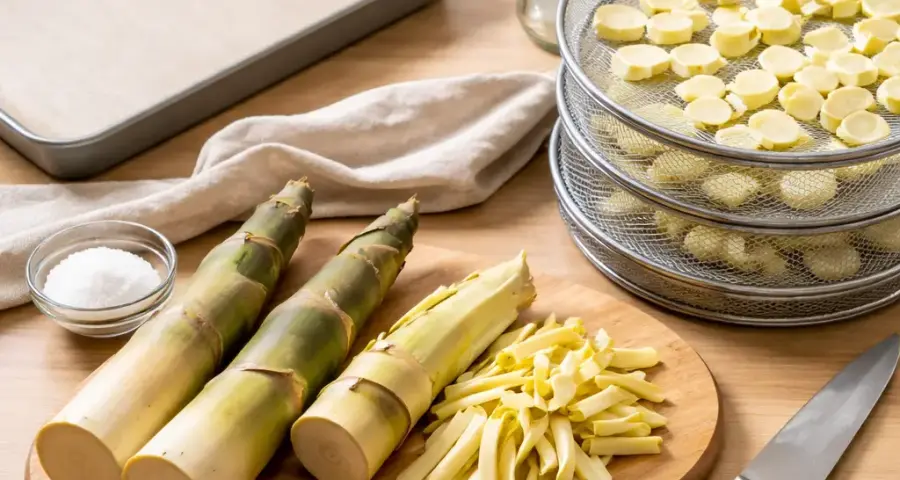
- Fresh bamboo shoots (any edible variety)
- Sharp knife and cutting board
- Large pot for blanching
- Colander or salad spinner
- Baking sheets (for oven method) or drying racks/clean cloth (for sun method)
- Airtight containers or vacuum-seal bags for storage
Step-by-Step: Prepare Bamboo Shoots for Drying
Whether you choose oven drying bamboo shoots or the sun technique, the prep work is identical. Follow these steps for safe, tasty results.
Step 1: Clean and Trim
Rinse shoots under cold water to remove soil. Trim off the woody base and peel away tough outer leaves. The tender inner core is what you want.
Step 2: Slice Uniformly
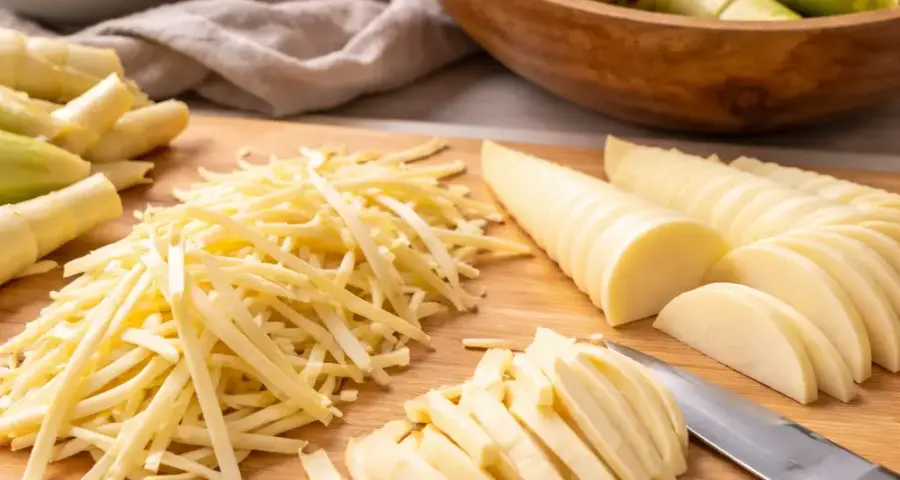
Cut shoots into even slices, about ¼-inch thick. Consistent thickness ensures all pieces dry at the same rate. Thicker slices require longer drying time.
Step 3: Blanch to Remove Bitterness
Bring a pot of water to a rolling boil. Add the sliced shoots and blanch for 5–7 minutes. Drain and rinse with cold water. Blanching inactivates enzymes that cause bitterness and helps preserve color. For a related guide, see 3 Easy Ways to Deep-Fry Bamboo Shoots for Crispy Toppings.
Step 4: Pat Dry
Spread blanched slices on a clean towel or use a salad spinner to remove surface moisture. Excess water extends drying time and can encourage mold.
Oven Drying Bamboo Shoots: Fast and Controlled
If you live in a humid climate or need results quickly, oven drying bamboo shoots is your best bet. An oven provides consistent temperature and airflow.
Temperature and Timing
Preheat your oven to the lowest setting—ideally 140–150°F (60–65°C). If your oven doesn’t go that low, prop the door open slightly with a wooden spoon handle to reduce heat.
Arranging the Shoots
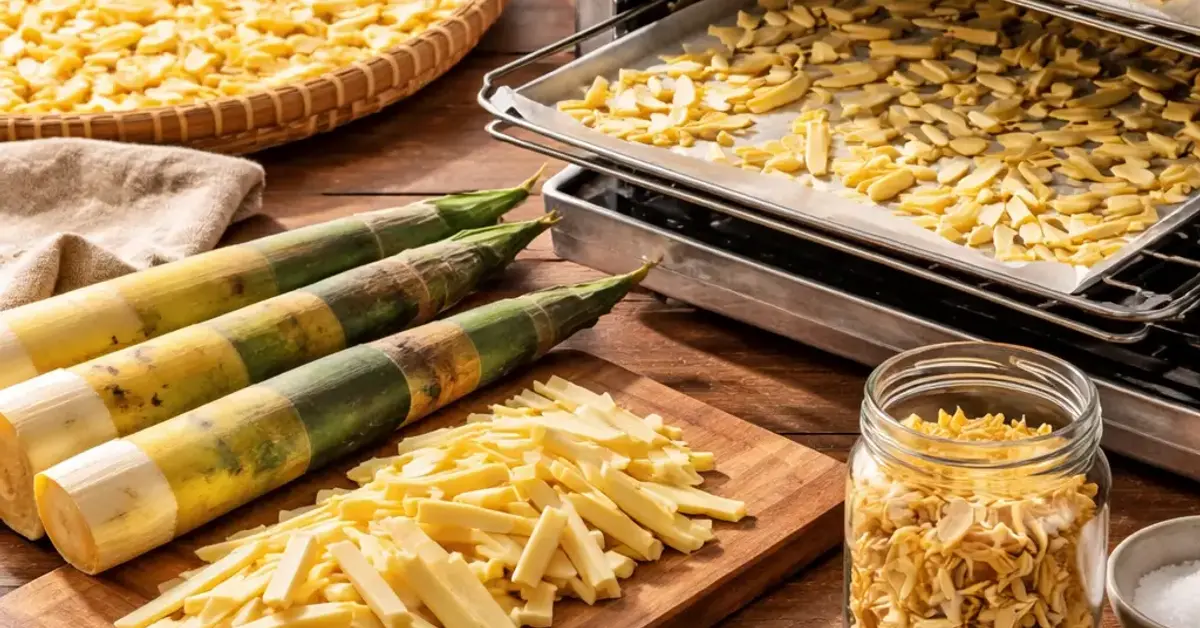
Place blanched slices in a single layer on baking sheets lined with parchment paper. Leave a small gap between pieces for air circulation.
Drying Process
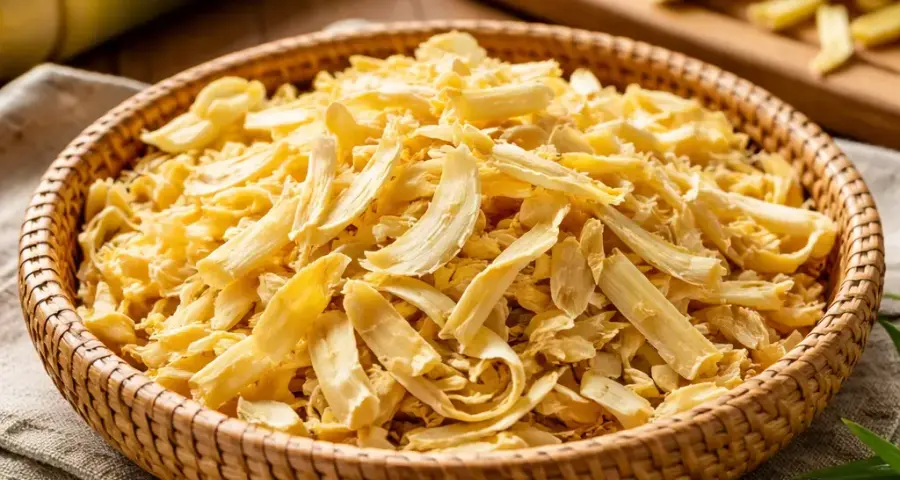
Slide trays into the oven and let them dry for 4–6 hours. Rotate trays every 60 minutes for even drying. The shoots are ready when they feel leathery and snap when bent. Let them cool completely before testing.
Pro Tips for Oven Success
- Use a convection oven if available—it cuts drying time by about 30%.
- Check the shoots after 3 hours; thin edges dry faster than centers.
- If pieces are still pliable after 6 hours, continue drying in 30-minute increments.
Sun Drying Bamboo Shoots: Traditional and Energy-Free
Sun drying bamboo shoots works beautifully in arid, sunny climates. It takes longer than oven drying, but many cooks prize the gentle, natural flavor.
When to Choose Sun Drying
This method requires at least three consecutive days of temperatures above 85°F (30°C) with low humidity. Avoid times when rain or high pollen is forecast.
How to Set Up
Place blanched slices on drying racks or clean mesh screens. Elevate the racks to allow air circulation underneath. Cover the shoots with cheesecloth to protect against insects and dust while still letting sunlight through.
Drying Duration
Bring the trays indoors at night to prevent moisture from dew. Expect the shoots to dry in 2–4 days, depending on sunlight intensity and humidity. Turn the pieces once each day for even drying.
Is Sun Drying Safe?
Yes, as long as you keep the shoots clean and dry. Discard any pieces that develop a slimy texture or off smell—they may have spoiled before drying completed.
Storage Tips for Dried Bamboo Shoots
Once your shoots are fully dry, proper storage preserves their quality. Here’s how to store them for maximum shelf life.
Cool and Airtight
Place dried shoots in an airtight container, such as a glass jar with a tight lid or a vacuum-sealed bag. Store in a cool, dark pantry away from direct light and heat.
Check for Moisture
After a week, inspect the container. If you see condensation on the lid, the shoots weren’t dry enough. Return them to the oven or sun for another hour or two.
Long-Term Options
For storage beyond 12 months, keep the container in the refrigerator or freezer. Dried bamboo shoots freeze well and maintain texture for years.
Troubleshooting Common Drying Problems
Even experienced cooks run into issues. Here are quick fixes for the most common challenges.
Shoots Turned Dark or Tough
Overcooking during blanching or drying at too high a temperature can cause this. Keep blanching time under 7 minutes, and never exceed 160°F in the oven.
Uneven Drying
Slice uniformly and rotate trays often. If some pieces dry faster than others, remove them early to prevent over-drying.
Mold Growth During Storage
This almost always means the shoots weren’t fully dry. Discard any moldy pieces and re-dry the rest. Use silica gel packs in the storage container to absorb residual moisture.
How to Rehydrate Dried Bamboo Shoots
To use your preserved shoots, simply soak them in warm water for 30–60 minutes until they return to a crisp-tender state. Drain and use in your favorite recipes. You can also simmer them directly in soups or stews without pre-soaking.
Useful Resources
For additional guidance on preserving vegetables and food safety, check these trusted sources:
Frequently Asked Questions About dehydrating bamboo shoots
Do I need to blanch bamboo shoots before drying?
Yes, blanching is essential to remove natural toxins and bitterness. It also helps preserve color and texture during drying.
Can I dehydrate bamboo shoots without a dehydrator?
Absolutely. You can use an oven set to low temperature or sun drying outdoors. Both methods work well when done correctly.
How long do dried bamboo shoots last?
When stored in an airtight container in a cool, dark place, dried bamboo shoots last up to 12 months. In the freezer, they stay good for 2–3 years.
What’s the best thickness for slicing shoots?
Aim for ¼-inch slices. Thinner pieces dry faster but can become brittle; thicker pieces risk uneven drying and longer processing time.
Can I use a food dehydrator instead of an oven?
Yes, a dehydrator is ideal. Set it to 135°F (57°C) and dry for 4–8 hours, checking regularly.
Why are my dried bamboo shoots bitter?
Bitterness usually means insufficient blanching. Boil shoots for at least 5 minutes, then rinse well before drying.
Is sun drying bamboo shoots safe in humid areas?
Humidity slows drying and raises the risk of mold. If the relative humidity is above 60%, choose oven drying instead.
Do I need to soak dried bamboo shoots before cooking?
Rehydration is recommended for stir-fries and salads. For soups and stews, you can add them directly—the liquid in the dish will soften them.
Can I dry bamboo shoots in a microwave?
Microwaving can cause uneven drying and toughen the shoots. It’s not recommended for long-term preservation.
How do I know when bamboo shoots are fully dry?
They should feel leathery and snap when bent. No moisture should appear if you press the pieces between a paper towel.
Can I dry bamboo shoots from a can?
It’s not ideal. Canned shoots are already cooked and may contain preservatives. Fresh shoots yield better flavor and texture.
Do dried bamboo shoots need refrigeration?
No, they stay shelf-stable for months in a pantry. For extended storage, transfer to the fridge or freezer.
Can I season bamboo shoots before drying?
Yes, but keep seasoning light. Salt or soy sauce can draw out moisture unevenly. It’s better to season after rehydrating.
What color should dried bamboo shoots be?
They should appear pale yellow to light tan. Dark brown indicates over-drying or overheating.
Can I dry bamboo leaves along with shoots?
Bamboo leaves dry well and can be used for tea or wrapping food. Process them separately because they need a shorter drying time.
How do I prevent dried shoots from sticking together?
Spread slices in a single layer with space between them during drying. Once dry, store them with a silica gel pack to absorb humidity.
Can I dry frozen bamboo shoots without thawing?
Thaw them first and pat dry. Frozen shoots release extra moisture during drying, which can cause uneven results.
Is there a risk of botulism when drying bamboo shoots?
Botulism is rare with drying because the process removes the moisture bacteria need. Still, always blanch shoots and dry them thoroughly.
Can I re-dry shoots if they become damp in storage?
Yes. Spread them on a baking sheet and dry in a 150°F oven for 1–2 hours. Let them cool completely before returning to storage.
What recipes work best with dried bamboo shoots?
They shine in miso soup, Thai curries, stir-fried vegetables, bamboo shoot rice, and braised pork dishes. Rehydrate before use for best results.