
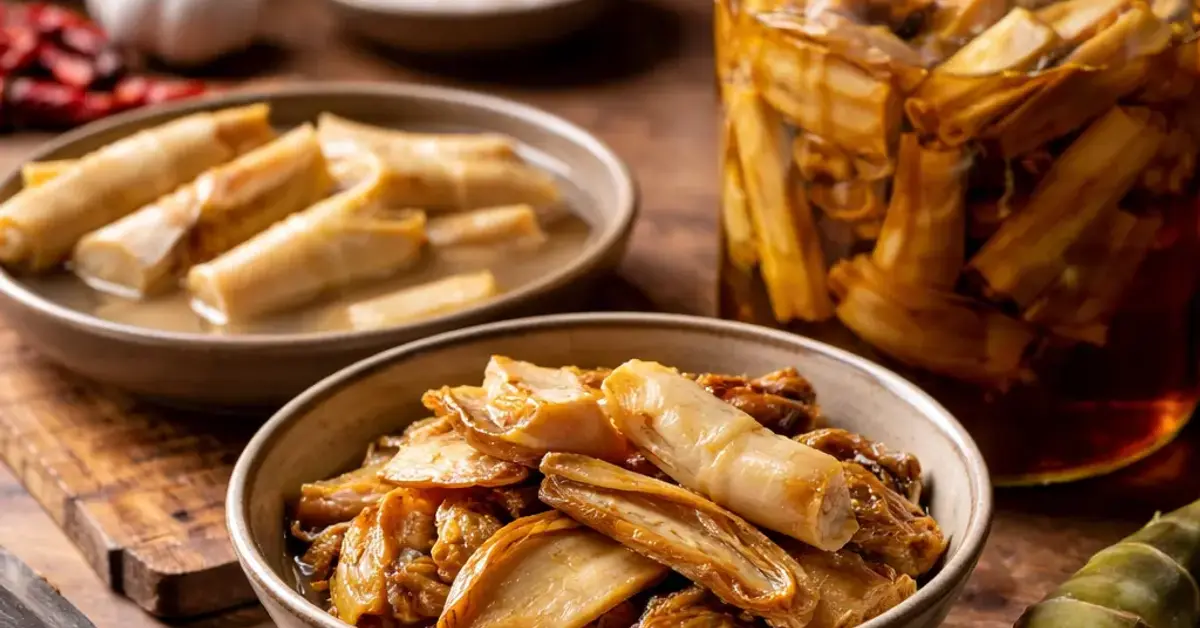
aging bamboo shoots Key Takeaways
Aging bamboo shoots transforms their raw, grassy character into a deep, savory ingredient prized in many Asian cuisines.
- Choose fresh, young shoots and remove the fibrous outer husk for consistent aging bamboo shoots results.
- Control temperature around 10–15°C (50–59°F) and humidity above 85% to encourage natural enzymatic breakdown without spoilage.
- Peak flavor develops between 5 and 10 days of aging, after which shoots begin to lose texture and become overly soft.
Understanding the Process Behind Aging Bamboo Shoots
Aging bamboo shoots is not a simple waiting game — it is a controlled fermentation and enzymatic process. Freshly harvested shoots contain high levels of taxiphyllin, a cyanogenic glycoside that gives a bitter, acrid taste and can be toxic if consumed raw. During aging, naturally occurring enzymes break down this compound into harmless components, while starches convert to sugars and proteins degrade into amino acids, particularly glutamic acid — the source of umami.
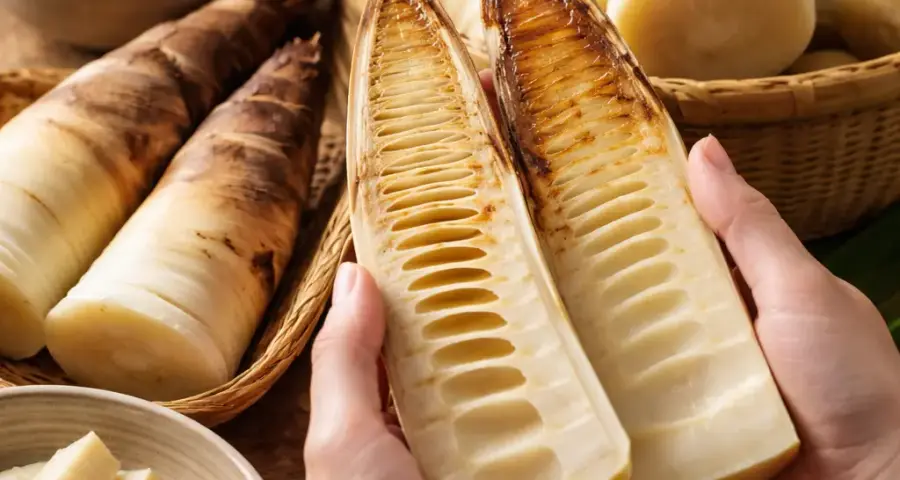
The key is to slow the process enough to allow these chemical changes to occur before spoilage microbes take over. Temperature and humidity are your two dials. Too warm, and bacteria cause rot; too cold, and enzymatic activity stalls, leaving the shoot bitter.
Selecting the Right Shoots for Aging Bamboo Shoots
Not every bamboo shoot is suitable for aging. You want shoots that are:
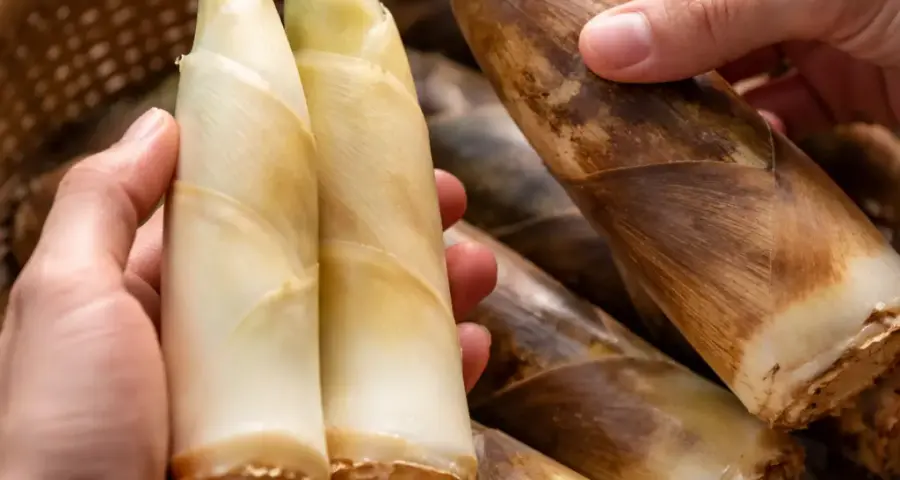
- Freshly harvested — within 24 hours of digging, with tightly closed husk leaves and no browning at the cut base.
- Young and tender — roughly 15–20 cm (6–8 inches) long, with a diameter of 4–6 cm at the base. Older shoots become fibrous even after aging.
- Free of insect damage or soft spots — any compromised area will accelerate rot during aging.
The most common varieties used for traditional aging include Phyllostachys edulis (Moso bamboo) and Bambusa vulgaris (common bamboo). Moso shoots have a denser structure that holds up well during a longer aging window. For a related guide, see 7 Fermenting Bamboo Shoots Mistakes to Avoid for Best Rebung Asin.
Step-by-Step Guide to Aging Bamboo Shoots at Home
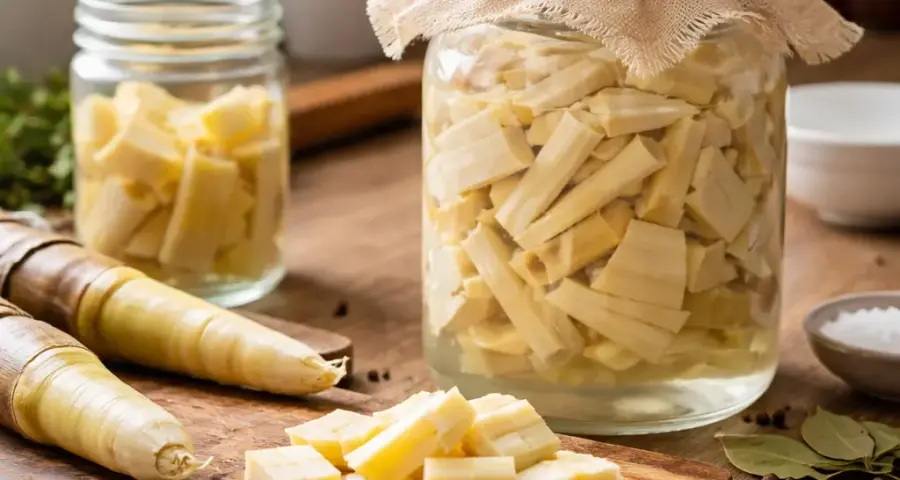
Step 1: Prepare the Shoots
Rinse the shoots under cool running water to remove soil. Do not peel them yet. Trim the base by about 1 cm to expose a fresh cut. This step removes any dried or contaminated surface that could introduce unwanted microbes.
Step 2: Partial Blanching (Optional but Recommended)
Bring a pot of water to a rolling boil. Submerge the whole shoots for exactly 3 minutes, then plunge them into an ice bath. This blanching deactivates surface enzymes that cause browning and kills many surface pathogens, while the interior remains raw enough for the aging enzymes to work. Drain and pat dry thoroughly.
Step 3: Create the Aging Environment
Place the shoots in a single layer in a ventilated container — a bamboo basket or a perforated plastic tray works well. Line the container with a clean, damp cloth (not wet). Cover loosely with another damp cloth. The goal is to maintain high humidity (above 85%) without allowing free water to pool, which encourages mold.
Step 4: Control Temperature
Position the container in a cool, dark place with a stable temperature between 10–15°C (50–59°F). A cellar, a cool pantry, or a refrigerator set to the warmest setting (usually the crisper drawer) works. Check the temperature with a digital thermometer for accuracy. If using a fridge, open the door briefly once or twice a day to allow fresh air exchange.
Step 5: Monitor and Turn
Every 24 hours, inspect the shoots. Turn them over to ensure even exposure. Re-dampen the cloth if it feels dry. Light condensation on the cloth is normal — any sign of standing water or slimy patches means humidity is too high. If you see mold, remove the affected shoot immediately and reduce moisture.
Step 6: Taste Test After Day 5
Beginning on day 5, cut a thin slice from one shoot and taste it raw (after a quick rinse). The bitterness should have significantly mellowed, and you should detect a sweet, nutty note. If it still tastes harsh, continue aging up to day 10. After 10 days, the texture softens and the risk of spoilage increases rapidly.
5 Common Mistakes to Avoid When Aging Bamboo Shoots
Mistake 1: Skipping the Freshness Check
Shoots that are even two days old lose moisture and begin lignifying. They will never develop a tender texture. Always source shoots that were harvested within 24 hours.
Mistake 2: Aging Without Blanching
Blanching may feel like an extra step, but it significantly reduces the risk of surface spoilage. Without it, the natural microflora on the husk can outcompete the desirable enzymes and produce off-flavors.
Mistake 3: Overcrowding the Container
Shoots need airflow around each piece. Stacking them traps heat and moisture, creating a microclimate perfect for rot. Use multiple shallow containers if needed.
Mistake 4: Temperature Fluctuations
If the temperature rises above 20°C, enzymatic activity accelerates too quickly, producing a sour smell and mushy texture. Below 5°C, the process stalls. A consistent environment is non-negotiable.
Mistake 5: Aging Too Long
After day 10, the shoots begin to break down into unappetizing mush. The umami peak is a narrow window. Trust your taste test and stop the process when the bitterness fades.
How to Store Aged Shoots for Maximum Bamboo Shoot Flavor Depth
Once your shoots have reached the desired flavor, you need to stop the aging process. The best method is to blanch the shoots again for 5 minutes, then plunge them into cold water. Drain, package them in vacuum-sealed bags or airtight containers, and refrigerate for up to one week, or freeze for up to three months. For long-term storage, you can also pickle them in a light brine (2% salt by weight) with a splash of rice vinegar, which adds its own bamboo shoot flavor depth. For a related guide, see 7 Signs Your Preserved Rebung Has Gone Bad – Avoid Spoilage.
Using Aged Bamboo Shoots in Cooking
Aged shoots shine in dishes that benefit from their concentrated umami. Slice them thinly for stir-fries with dark soy sauce and garlic, or add them to slow-braised pork dishes. Their texture holds up well even after long cooking, unlike the mushy texture of fresh shoots. For a simple soup, simmer diced aged shoots with chicken broth, ginger, and a dash of fish sauce. The flavor is more pronounced, so you can use 30% less by volume compared to fresh shoots.
Useful Resources
For more depth on the science of bamboo shoot fermentation and traditional recipes, check these reliable sources:
- ScienceDirect — Bamboo Shoot Processing and Chemistry — a detailed look at the enzymatic changes that occur during aging.
- Serious Eats — A Comprehensive Guide to Bamboo Shoots — practical cooking techniques and storage tips from a trusted culinary resource.
Frequently Asked Questions About aging bamboo shoots
Can I age bamboo shoots without blanching?
Yes, but the risk of spoilage increases. Blanching kills surface microbes and deactivates enzymes that cause browning, giving the beneficial aging enzymes a cleaner environment to work in. If you skip it, inspect shoots more carefully and start tasting by day 3.
What is the ideal temperature for aging bamboo shoots ?
Between 10–15°C (50–59°F). This range slows bacterial growth enough while allowing desired enzymatic activity to continue. Temperatures above 20°C encourage spoilage; below 5°C stall the process.
How long does it take to age bamboo shoots?
Most shoots reach peak flavor between 5 and 10 days. The exact time depends on shoot size and ambient conditions. Smaller shoots age faster; larger, denser varieties may need the full 10 days.
Can I age bamboo shoots in the refrigerator?
Yes, use the warmest zone — typically the crisper drawer set to its highest temperature. Open the refrigerator door briefly once or twice daily to exchange air. Expect a slightly longer aging period, around 7–12 days.
How do I know when bamboo shoots are done aging?
Taste a small raw slice after rinsing. The initial sharp bitterness should be mostly gone, replaced by a mild, sweet, nutty flavor with a hint of umami. The texture should yield easily to pressure but still hold its shape.
Can I age bamboo shoots from a can or jar?
No. Pre-cooked or preserved shoots have already undergone heat treatment and preservation that stops enzymatic activity. Aging only works with fresh, raw shoots.
What does bamboo shoot flavor depth mean?
It refers to the complexity of taste — beyond plain bitterness or grassiness. Aged shoots develop savory umami notes, subtle sweetness, and a richer mouthfeel that enhance soups, stir-fries, and braises.
Is it safe to eat raw aged bamboo shoots?
Yes, after the aging process breaks down taxiphyllin, raw shoots are safe to eat in small quantities. However, cooking further enhances flavor and ensures safety by eliminating any residual compounds.
Why did my bamboo shoots turn slimy?
Sliminess indicates bacterial overgrowth, usually from excessive moisture or temperatures above 20°C. Discard slimy shoots and adjust your setup: reduce humidity, increase airflow, and lower temperature.
Can I age different bamboo varieties together?
Yes, but separate them if they vary greatly in size. Larger shoots take longer to age, and smaller ones may become over-aged while you wait. Keep similar-sized shoots together for uniform results.
Do I need to peel the shoots before aging?
Leave the husk on during aging. It protects the inner flesh and retains moisture. Remove the fibrous outer leaves only after aging, just before cooking.
How do I store aged bamboo shoots for later use?
Blanch aged shoots for 5 minutes, cool, pack in vacuum-sealed bags, and refrigerate for up to 1 week or freeze for 3 months. Alternatively, pickle in a 2% salt brine with rice vinegar.
Can I use aged bamboo shoots in soups?
Absolutely. Their concentrated umami enriches broths. Add them in the last 10 minutes of simmering to preserve their tender texture. They pair especially well with chicken or pork-based broths.
What is taxiphyllin and why does it matter?
Taxiphyllin is a cyanogenic glycoside naturally present in raw bamboo shoots. It causes bitterness and can be toxic in large amounts. Aging breaks it down into harmless compounds, making the shoots safe and palatable.
Can I speed up the aging process?
Warmer temperatures speed aging but also increase spoilage risk. The best approach is to maintain optimal conditions and let the enzymes work naturally. Pushing the process often leads to uneven results.
My bamboo shoots smell sour — are they ruined?
A slight yeasty or earthy smell is normal. A strong sour or putrid odor indicates spoilage from bacteria or mold. Discard any shoots with an unpleasant, lasting sour smell.
Do I need to change the cloth daily?
Yes, rinse and wring out the cloth thoroughly each day. A fresh damp cloth reduces the chance of mold spores accumulating and keeps humidity consistent.
Can I use plastic containers for aging?
Plastic works, but ensure it has ventilation holes. Bamboo baskets are traditional because they breathe naturally. If using plastic, line it with a breathable cloth and leave the lid slightly ajar.
How does aging affect bamboo shoot nutrition?
Aging reduces certain antinutrients and increases bioavailability of amino acids. However, vitamin C content decreases slightly. The trade-off is a more digestible, flavorful ingredient that adds depth to meals.
What dishes benefit most from aged bamboo shoots?
Slow-braised meats (like red-braised pork), rich noodle soups, and stir-fries with strong-flavored sauces (black bean, oyster sauce) showcase the umami depth. Aged shoots also shine in dumpling fillings.