
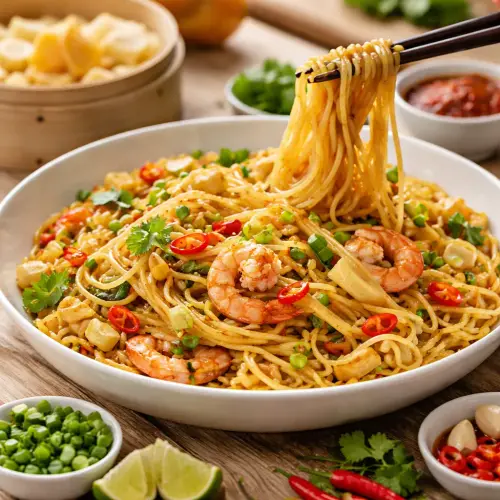
Rebung Pasta Key Takeaways
Rebung Pasta blends the earthy crunch of young bamboo shoots with the comforting chew of Italian noodles, creating a Chinese-Indonesian fusion dish that surprises and delights.
- Master the Rebung Pasta technique by properly preparing bamboo shoots to remove bitterness while preserving their tender crunch.
- Build a layered sauce using classic Indonesian aromatics like galangal and candlenuts, combined with Chinese soy-based seasonings for umami depth.
- Finish with a smart textural contrast—crispy shallots, fresh herbs, and a squeeze of lime—to elevate every bite.
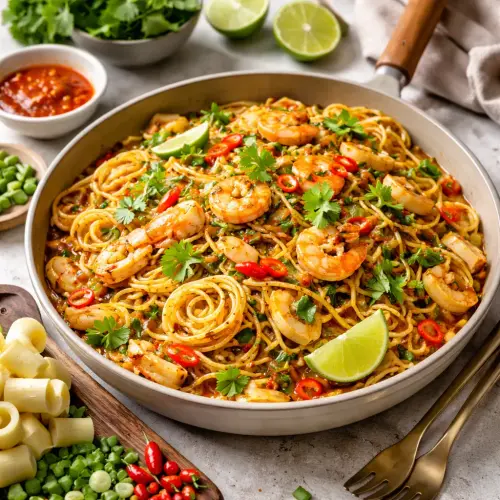
Why Rebung Pasta Deserves a Place in Your Kitchen
Picture this: the steam rising from a bowl of spaghetti mingles with the heady perfume of lemongrass and ginger. Your fork twirls strands of pasta caught around tender slices of bamboo shoot—rebung in Indonesian. The first bite is a revelation. The pasta is al dente, the shoots offer a gentle crunch, and the sauce wraps around everything like a warm, savory blanket. For a related guide, see Special Javanese Sayur Lodeh Rebung with Shrimp and Tofu: Easy Classic Recipe.
This is not your average weeknight spaghetti. Rebung Pasta is a conversation starter, a dish born from the bustling streets of Jakarta and the cozy trattorias of Rome. It represents the best of Chinese-Indonesian fusion: the ingenuity of using local ingredients with global techniques. For home cooks looking to break out of a recipe rut, this dish offers a thrilling new frontier.
Tip 1: Prepare Rebung Like a Pro for the Perfect Bite
The soul of this dish is the bamboo shoot. Fresh rebung has a unique texture—firm yet yielding, with a mild sweetness. However, if not handled correctly, it can taste bitter or overly fibrous. Chef wisdom says the prep makes all the difference. For a related guide, see 7 Expert Tips for Rich and Creamy Padang-Style Gulai Rebung (Avoid Split Coconut Milk).
Choosing and Cleaning Fresh Rebung
Look for shoots that feel heavy for their size with tight, overlapping husks. The cut end should look moist and pale, not dry or brown. To prepare, peel away the tough outer layers until you reach the tender, pale green core. Slice it thinly crosswise—about ¼-inch thick—for even cooking.
The Blanching Secret
This is the first smart chef tip: blanch the sliced rebung in boiling salted water for 3 minutes, then shock them in an ice bath. This step removes any natural bitterness and relaxes the fibers, ensuring every bite stays tender. Drain well and pat dry before adding to the pan.
If fresh bamboo is unavailable, high-quality canned shoots (rinsed thoroughly) work beautifully. Just skip the blanching and sauté them directly to retain their structure.
Tip 2: Build a Bold Chinese-Indonesian Sauce Base
A great fusion pasta relies on a sauce that bridges two worlds. Indonesian cooking thrives on bumbu (spice pastes), while Chinese cuisine brings depth through fermented soy and oyster sauces. Combining them creates a sauce that clings to pasta without drowning it.
The Aromatic Foundation
Start by pounding or blending a paste of shallots, garlic, fresh turmeric, galangal, and two candlenuts (or macadamia nuts as a substitute). Fry this paste in a generous glug of neutral oil until fragrant and darkened slightly in color—about 5 minutes. This is the flavor backbone of your sauce.
Balancing Umami and Brightness
Add a splash of kecap manis (sweet soy sauce) for molasses-like richness, a teaspoon of dark soy sauce for color, and a tablespoon of oyster sauce for savory depth. Thin it with a ladle of pasta cooking water, which adds starch to help the sauce emulsify. Finish with a squeeze of lime juice to cut through the richness. This sauce style perfectly complements a Chinese-Indonesian fusion pasta like no other.
Tip 3: Master the Marriage of Textures and Tastes
The final chef tip is all about assembly and finishing. Rebung Pasta should feel lively, not heavy. Every element plays a role in creating a dish that wakes up your appetite.
Perfect Pasta Timing
Cook your pasta (spaghetti or linguine works best) 1 minute less than the package directs. It will finish cooking in the sauce, absorbing those bold flavors. Reserve at least 1 cup of pasta water before draining.
The Toss and Garnish
Toss the pasta and rebung together with the sauce over medium heat. Add pasta water a splash at a time until the sauce becomes glossy and coats each strand. Do not oversauce—you want a light, emulsified coating, not a pool of liquid.
Plate immediately and top with crispy fried shallots (bawang goreng), fresh Thai basil leaves, and a wedge of lime. The shallots add crunch, the basil brings anise-like freshness, and the lime cuts through the richness. This contrast is what makes the dish unforgettable.
Common Mistakes When Making Rebung Pasta
Even adventurous cooks can stumble. Here are the most frequent pitfalls and how to avoid them.
| Mistake | Why It Happens | How to Fix It |
|---|---|---|
| Soggy bamboo shoots | Skipping the blanching or overcooking | Blanch for exactly 3 minutes, then shock in ice water |
| Watery sauce | Adding too much pasta water or not reducing properly | Add water ¼ cup at a time and toss until emulsified |
| Overpowering bitterness | Using fresh shoots without proper prep | Always blanch fresh rebung before cooking |
| Pasta clumping | Not using enough oil or water in the pot | Cook in well-salted water, toss with oil after draining |
| Flat flavor | Skipping the lime juice and fresh herbs | Finish with acid and aromatic garnish |
A Chef’s Tasting Note and Serving Suggestion
When done right, each forkful of Rebung Pasta delivers a story. The initial crunch of shallot gives way to the tender bamboo, followed by a wave of savory-sweet sauce with a subtle kick from the turmeric and galangal. The pasta itself remains al dente, a perfect vehicle for this bold fusion.
Serve this dish in deep, warmed bowls. Pair it with a simple side of stir-fried greens (kangkung or bok choy) seasoned with garlic and oyster sauce. For drinks, a cold Bintang beer or an iced jasmine tea complements the spices beautifully. This meal feels like a celebration—and it is, of the beautiful possibilities when Indonesian and Chinese flavors meet Italian technique.
Useful Resources
To deepen your understanding of Indonesian spices and bamboo preparation, explore these trusted references.
- How to Prepare Fresh Bamboo Shoots — The Spruce Eats: A clear, step-by-step guide to handling and cooking bamboo shoots safely.
- A Guide to Indonesian Spices in Your Pantry — SBS Food: An excellent overview of essential Indonesian aromatics and how to use them.
Frequently Asked Questions About Rebung Pasta
What is Rebung Pasta?
Rebung Pasta is a fusion dish that combines Italian pasta with Indonesian bamboo shoots (rebung) and a Chinese-Indonesian seasoned sauce, offering a unique blend of textures and flavors.
Can I use frozen bamboo shoots for this recipe?
Yes, frozen bamboo shoots work well. Thaw them completely, drain excess water, and pat dry before sautéing to avoid a watery sauce.
Is Rebung Pasta gluten-free?
It can be made gluten-free by using gluten-free pasta and replacing soy sauce with tamari or coconut aminos. Check oyster sauce labels for gluten content.
What type of pasta is best for this dish?
Long, thin pasta like spaghetti, linguine, or angel hair works best as it holds the sauce and pairs well with the thin slices of bamboo.
How do I reduce the bitterness in fresh rebung?
Blanching fresh bamboo shoots in salted boiling water for 3 minutes, then plunging them into ice water, effectively removes most bitterness.
Can I make Rebung Pasta vegan?
Absolutely. Use vegan oyster sauce (mushroom-based) and skip any meat or seafood. The sauce is already rich from nuts and aromatics.
What are candlenuts and what can I substitute for them?
Candlenuts are oily nuts used as a thickener in Indonesian cooking. Macadamia nuts or raw cashews are excellent substitutes.
How spicy is this dish?
The base recipe is mildly spicy. To add heat, include one red chili or a teaspoon of sambal oelek in the spice paste.
Can I add protein to Rebung Pasta?
Yes, sliced chicken thigh, shrimp, or firm tofu are great additions. Sear them separately and toss in at the end.
How do I store leftover Rebung Pasta?
Store in an airtight container in the fridge for up to 2 days. Reheat in a pan with a splash of water to revive the sauce.
What is kecap manis?
Kecap manis is a sweet, thick soy sauce from Indonesia made with palm sugar. It adds a unique sweetness and glossy finish to dishes.
Can I use canned bamboo shoots directly?
Yes, rinse canned bamboo shoots thoroughly to remove brine, then sauté them directly without pre-blanching.
Why did my sauce turn out watery?
This often happens if you add too much pasta water at once or don’t allow the sauce to emulsify. Add water gradually and toss vigorously.
What can I use instead of galangal?
Fresh ginger with a squeeze of lemon juice can mimic galangal’s citrusy warmth, though the flavor will be slightly less complex.
Is this dish suitable for meal prep?
Yes, you can prep the spice paste and blanch the bamboo shoots a day ahead. Cook the pasta and finish the dish just before serving.
What greens pair well with Rebung Pasta?
Stir-fried bok choy, kangkung (water spinach), or Chinese broccoli complement the pasta without overwhelming its flavors.
How do I make crispy shallots at home?
Slice shallots thinly, toss with a little salt, and fry in hot oil until golden brown. Drain on paper towels.
Can I use dried chilies in the spice paste?
Yes, soak dried chilies in hot water until soft, then blend them into the paste for a deeper, smokier heat.
What wine pairs with this fusion pasta?
A slightly off-dry Riesling or a light, fruity Pinot Noir balances the spice and sweetness without competing with the flavors.
Is Rebung Pasta traditionally served hot or cold?
This dish is traditionally served hot, straight from the pan, to enjoy the aromatic steam and the perfect texture of the pasta.