
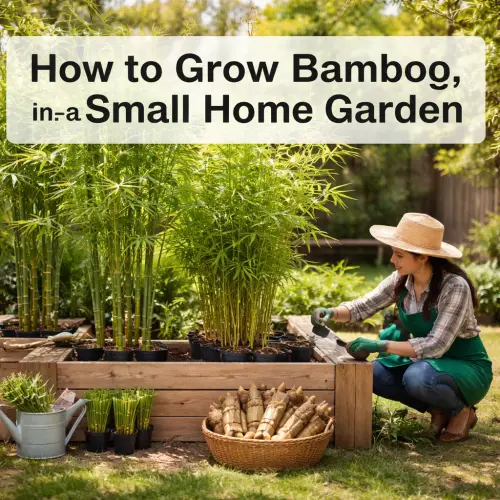
How to Grow Bamboo in a Small Home Garden Key Takeaways
Bamboo is one of the fastest-growing edible plants on the planet, yet most people assume it requires acres of land.
- Learn how to grow bamboo in a small home garden using clumping varieties that stay compact and non-invasive.
- Discover the secret to producing sweet, organic rebung with minimal chemical input and simple watering and fertilising routines.
- Master the harvesting window and pest control methods to keep your bamboo patch thriving year after year.
Why How to Grow Bamboo in a Small Home Garden Matters for Organic Rebung Lovers
Bamboo is one of the fastest-growing edible plants on the planet, yet most people assume it requires acres of land. The truth is, many clumping bamboo species thrive in raised beds, large containers, or a compact corner of a city garden. By focusing on organic rebung production, you not only get a continuous supply of tender shoots but also contribute to a more sustainable, self-sufficient home garden. For a related guide, see 4 Types of Bamboo Shoots to Eat: Avoid Bitter Mistakes.
Rebung refers to the young, edible shoots of bamboo. When grown organically, these shoots are crisp, slightly sweet, and packed with fibre and minerals. The key is choosing a species that produces abundant shoots without spreading aggressively — and that is exactly what this guide covers.
Step 1: Choosing the Right Bamboo Species for a Small Space
Not all bamboo behaves the same way. For a small home garden bamboo setup, you must select a clumping (sympodial) species. These grow in tight clumps rather than sending out invasive runners.
Best Clumping Varieties for Organic Rebung
- Dendrocalamus asper — also known as Giant Bamboo; produces large, sweet shoots ideal for rebung.
- Bambusa vulgaris — a common tropical variety with tender shoots and good heat tolerance.
- Bambusa oldhamii — a cold-hardy clumper that yields excellent shoots in temperate regions.
When buying, look for nursery-grown plants in pots (3–5 gallon size). Avoid species listed as “running” bamboo unless you plan to install a robust root barrier — which adds cost and maintenance.
Step 2: Site Preparation and Soil Requirements
Bamboo loves well-draining, loamy soil rich in organic matter. Before planting, test your soil pH — bamboo prefers a slightly acidic to neutral range (6.0 to 7.0). If your garden bed is heavy clay, amend it with compost, aged manure, and coarse sand to improve drainage.
Container Growing Option
If you have very limited ground space, use a half-wine barrel or a sturdy plastic pot at least 60 cm (24 inches) in diameter. Drill drainage holes and fill with a mix of potting soil, compost, and perlite. Place the container in a spot that receives at least 6 hours of direct sunlight daily.
Step 3: Planting Your Bamboo Correctly
Timing matters. In tropical climates, you can plant year-round. In temperate zones, spring is ideal after the last frost. Dig a hole twice the width of the root ball and the same depth. Place the plant at the same soil level as it was in the pot, backfill with enriched soil, and water thoroughly. Mulch around the base with wood chips or straw to conserve moisture and suppress weeds.
Spacing Advice for Small Gardens
- For clumping species, space plants 1.5–2 metres apart to allow airflow and light penetration.
- If planting multiple clumps, stagger them in a triangular pattern rather than a straight row — this maximizes space and creates a natural screen.
Step 4: Watering — Consistency is Key
Bamboo is a thirsty plant, especially during the first two years. Water deeply 2–3 times per week, ensuring the soil stays moist but not waterlogged. A soaker hose or drip irrigation system works well. During dry spells, increase frequency. Once established, bamboo becomes more drought-tolerant, but regular watering still boosts organic rebung yield and quality.
Signs of Overwatering vs Underwatering
- Overwatered: yellowing lower leaves, mushy stems, foul smell from soil.
- Underwatered: leaf curl, brown leaf tips, slow growth.
Step 5: Fertilising for Healthy Shoots
Bamboo is a heavy feeder. For organic rebung production, use a balanced slow-release fertiliser (such as 10-10-10 or 14-14-14) applied in early spring and again in mid-summer. Supplement with compost tea or liquid seaweed every month during the growing season.
Organic Fertiliser Options
- Composted chicken manure — high in nitrogen for leaf and shoot growth.
- Worm castings — gentle and rich in micronutrients.
- Bokashi — fermented bran that improves soil biology.
Avoid high-nitrogen synthetic fertilisers late in the season, as they can cause soft, pest-prone growth.
Step 6: Harvesting Organic Rebung at the Right Time
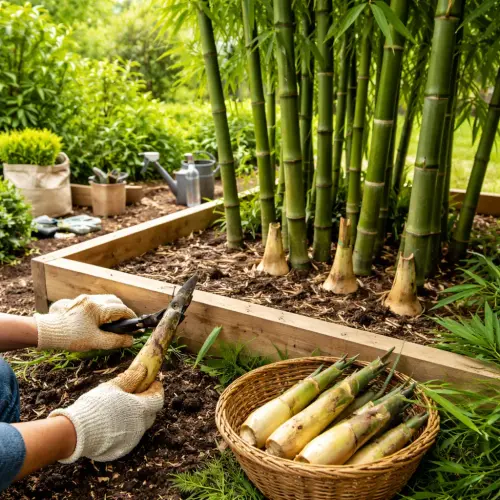
The magic moment arrives when shoots emerge from the soil and reach about 15–30 cm (6–12 inches) tall. Use a sharp spade or knife to cut the shoot at ground level, just below the soil surface. Harvest in the early morning when shoots are crisp and full of moisture.
Harvesting Tips for Continuous Supply
- Only take 30–40% of the shoots from a single clump per season — leave the rest to mature into canes.
- Focus on shoots that are still tightly wrapped in brown sheaths — once the sheath splits, the shoot becomes fibrous and bitter.
- Wear gloves: some species have tiny hairs that can irritate the skin.
Step 7: Pest Control Without Chemicals
Bamboo is generally resilient, but a few pests can target young shoots and leaves. The most common culprits are aphids, mealybugs, and bamboo mites. For an organic garden, rely on prevention and gentle controls.
Organic Pest Control Methods
- Neem oil spray — mix with water and a drop of mild soap; apply weekly if pests appear.
- Beneficial insects — attract ladybugs and lacewings by planting dill, fennel, and marigold nearby.
- Manual removal — wipe off small infestations with a damp cloth or a strong spray of water.
Keep the area around your bamboo free of debris and fallen leaves to reduce hiding spots for pests.
Useful Resources
For further reading on species selection and organic shoot production, the American Bamboo Society offers detailed species guides: American Bamboo Society – Species Database.
For region-specific advice on growing edible bamboo in tropical and subtropical climates, the University of Florida’s horticulture department has a fact sheet: UF/IFAS – Bamboo Production Guide.
Growing bamboo in a small home garden is not only possible — it is deeply rewarding. With the right species, consistent care, and a little patience, you can enjoy your own supply of tender, organic rebung. Start with one clump, follow the steps above, and you will be harvesting fresh shoots in no time. For a related guide, see 7 Mistakes to Avoid When Cutting Bamboo Shoots from Garden to Wok.
Frequently Asked Questions About How to Grow Bamboo in a Small Home Garden
Can I grow bamboo in a small balcony?
Yes, choose a clumping dwarf variety such as Bambusa multiplex ‘Alphonse Karr’ and grow it in a large container with good drainage. Ensure it gets at least 6 hours of sunlight daily.
How long does it take to get the first harvest of rebung?
Most clumping species produce their first edible shoots 12 to 18 months after planting, provided they are well-watered and fertilised.
Is bamboo invasive in a small garden?
Only running bamboo species are invasive. Stick to clumping types (sympodial) and they will stay in a tight cluster, making them safe for small gardens.
Do I need male and female bamboo plants?
No, bamboo reproduces vegetatively through rhizomes and divisions. You only need one plant to get a clump that produces shoots.
What is the best time of year to plant bamboo?
In tropical areas, plant during the rainy season. In temperate zones, plant in early spring after the last frost for the best establishment.
Can I eat bamboo shoots raw?
No, raw bamboo shoots contain cyanogenic glycosides that can be toxic. Always boil or cook shoots thoroughly before consumption to neutralise these compounds.
How many shoots can I harvest from one clump?
In the first year, you may get 3–5 shoots per clump. By year three, a healthy clump can produce 10–15 shoots per season, depending on species and care.
Do I need to prune bamboo?
Prune only dead or damaged canes. Thinning out older canes (3 years or older) at ground level encourages more new shoot production.
Can I grow bamboo from seeds?
Yes, but it is slow and less reliable. Most home gardeners buy container-grown plants from a nursery to get a faster start.
What soil pH is best for bamboo?
Bamboo grows best in slightly acidic to neutral soil, with a pH between 6.0 and 7.0. Add lime to raise pH or sulfur to lower it if needed.
How deep do bamboo roots go?
Clumping bamboo roots stay within the top 30–50 cm of soil. They are relatively shallow, which makes them suitable for raised beds and containers.
What is the best fertiliser for bamboo shoots?
Use a balanced organic fertiliser with an NPK ratio around 10-10-10. Composted poultry manure is excellent for boosting shoot growth.
Can bamboo survive frost?
Some clumping species, such as Bambusa oldhamii, tolerate light frost down to about -6°C. In colder areas, grow bamboo in a container and move it to a protected spot.
How often should I water bamboo in summer?
During hot, dry weather, water deeply every 2–3 days. Check soil moisture by sticking your finger 5 cm into the soil; if it feels dry, water.
What pests attack bamboo shoots?
Common pests include aphids, mealybugs, and bamboo mites. Slugs and snails may also damage young shoots. Use neem oil or diatomaceous earth for control.
Can I grow bamboo next to a wall or fence?
Yes, clumping bamboo can be planted 60 cm away from a wall. Ensure the spot gets adequate sunlight and that the roots have room to spread.
How do I store harvested rebung?
Remove the outer sheaths, blanch the shoots in boiling water for 5 minutes, then refrigerate in an airtight container for up to one week.
Is bamboo shoot harvesting seasonal?
Most bamboo species produce shoots during the rainy season or spring. With clumping varieties, you can extend the season by watering consistently year-round.
Do I need to use a root barrier for clumping bamboo?
No, clumping bamboo naturally stays in a tight cluster. A root barrier is only necessary for running bamboo or if you want to contain a clump in a very narrow bed.
Can I grow bamboo in partial shade?
Bamboo can tolerate some shade, but shoot production and growth rate will be reduced. For the best organic rebung harvest, plant in full sun.