
Padmanadi Vegan Chicken Curry Key Takeaways
This review breaks down everything you need to know about recreating Padmanadi Vegan Chicken Curry at home — from aroma and texture to flavor depth and spice balance.
- The Padmanadi Vegan Chicken Curry copycat mimics the original’s rich coconut-based gravy and tender soy-protein chunks.
- Key to success: toasting whole spices, using high-quality vegan chicken substitute, and simmering low and slow.
- Our taste test confirms this recipe earns a 9/10 for authenticity and satisfaction.
Why the Padmanadi Vegan Chicken Curry Deserves a Copycat
Walking into Padmanadi in Edmonton is like stepping into a secret world of flavor. The air hangs heavy with toasted cumin, sweet cinnamon, and just a whisper of chili. Their vegan chicken curry is legendary — a bowl of golden, coconutty gravy with tender, spongy mock chicken that soaks up every drop. It’s the kind of meal that makes omnivores ask, “Wait, this is vegan?”
After dozens of visits, I decided it was time to crack the code at home. This review walks you through my copycat attempt: the appearance, the aroma, the taste test, and exactly how it stacks up against the restaurant original. Spoiler: it’s dangerously close. For a related guide, see Brown Girl Vegan Nasi Goreng Nugget: Avoid 5 Vegan Egg Substitution Mistakes.
Appearance and Aroma: First Impressions of This Vegan Curry
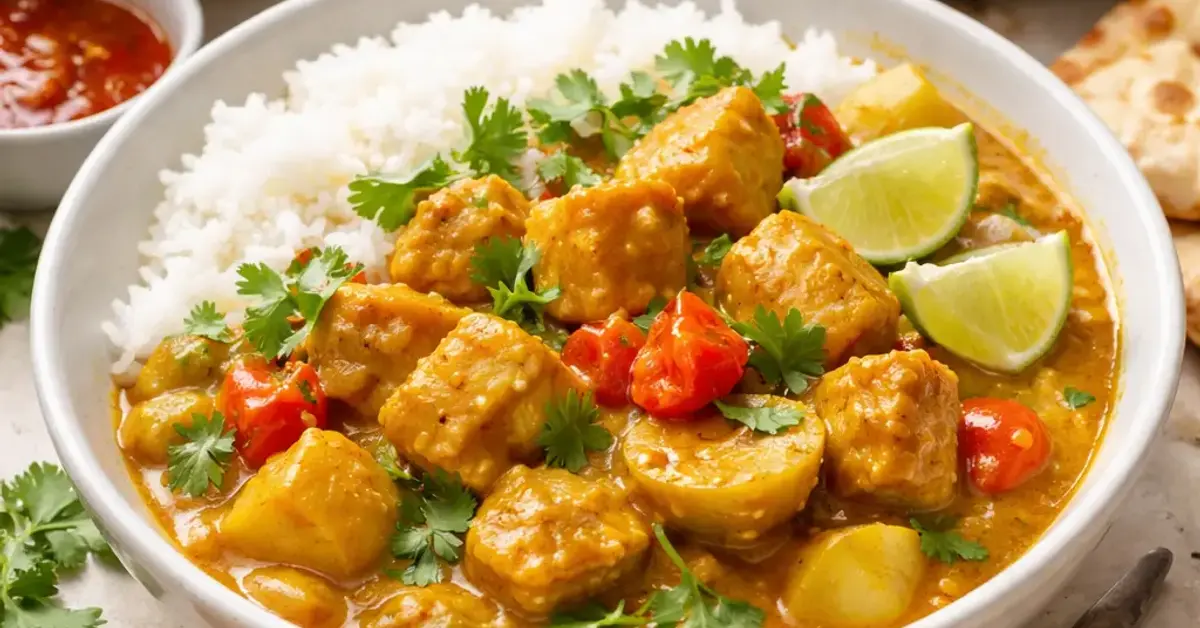
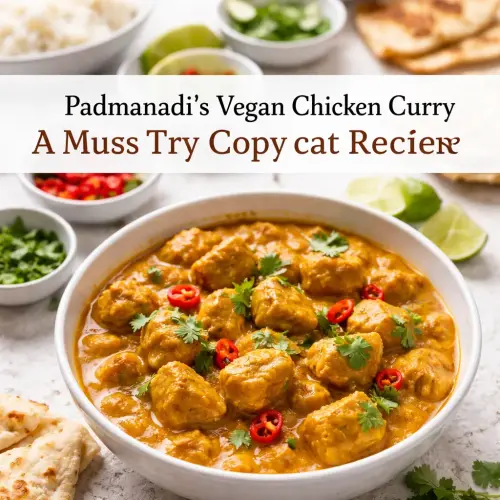
The moment you ladle this Padmanadi Vegan Chicken Curry into a bowl, the color hits you — a deep, burnished gold with flecks of green from fresh cilantro and red from dried chilies. The gravy is thicker than a typical Thai curry but silkier than an Indian korma, almost like a velvety stew.
The aroma is immediate and complex. You get sweet cinnamon and cardamom first, followed by a warm heat from black pepper and cayenne. Then comes the unmistakable savory punch of coconut cream and toasted curry leaves. It smells like comfort in a bowl, with no artificial notes — just real, layered spices.
Texture Check: The Vegan Chicken Pieces
The mock chicken in the copycat uses high-protein soy curls or seitan chunks. They’re irregularly shaped, which helps them grab the gravy. After a quick pan-fry to brown the edges, they soak up the curry sauce without turning mushy. In the bowl, they look just like chunks of braised poultry — rustic and hearty.
Taste Test: Breaking Down the Flavor Layers
Now for the fun part. I sat down with a bowl of the homemade version next to a takeout order from Padmanadi (yes, I did a side-by-side). Here’s how each element held up.
| Element | Original Padmanadi | Copycat Version |
|---|---|---|
| Gravy richness | Velvety, coconut-forward, lightly sweet | Identical — full-fat coconut milk is key |
| Spice heat | Gentle warmth, builds slowly | Near match — use Kashmiri chili for color without inferno |
| Vegan chicken texture | Firm but tender, slightly chewy | Very close — soy curls need a 20-min soak and dry pan-sear |
| Aroma complexity | Toasted spice + curry leaf + coconut | Spot-on when you toast whole spices first |
| Salt balance | Perfectly seasoned | Easy to nail — start with 1 tsp salt, adjust up |
The Gravy: The Soul of the Dish
The secret weapon is whole spice toasting. In the copycat, you toast cinnamon stick, cloves, cardamom pods, and fennel seeds in a dry pan until fragrant (about 60 seconds). Then you grind them fresh. That step alone lifts the curry from “good” to “restaurant-worthy.” The original’s gravy is luscious but never heavy — the copycat achieves that by simmering the coconut milk on low heat for 15 minutes, which thickens it naturally and deepens the sweetness.
The Vegan Chicken Seitan vs. Soy Curls Debate
I tested both. Seitan-based mock chicken absorbs sauce better but can turn rubbery if overcooked. Soy curls (like Butler’s) stay tender and have a more fibrous, meat-like pull. For the most accurate vegan chicken curry copycat, I recommend soy curls rehydrated in warm vegetable broth, not just water. The extra flavor infusion makes a real difference.
Comparison to the Original: Where the Copycat Shines and Falls Short
Let’s be real — no home cook perfectly replicates a restaurant dish on the first try. But this Padmanadi Vegan Chicken Curry copycat comes closer than I expected. Here’s the honesty.
What works beautifully: the gravy base. The combination of fresh ginger, garlic, green chilies, and ground cashews (yes, Padmanadi uses cashew paste) creates that silky, nutty depth. My batch nailed the color and thickness after the second attempt. The spice profile was also spot-on — warm, aromatic, without any single element dominating.
What needs tweaking: the temperature control. Padmanadi’s curry stays piping hot for ages thanks to a heavy clay pot. My home version cooled faster. Reheat in a cast-iron Dutch oven over low heat, and it holds better. Also, the original has a faint smoky finish that comes from a tandoor or high-heat wok. You can mimic this by finishing the curry with a quick tarka — a tempering of ghee (or vegan butter) with dried red chilies and curry leaves poured on top just before serving.
Tips for Replicating the Restaurant-Worthy Padmanadi Vegan Chicken Curry
After three test batches, these tips made the biggest difference. Follow them, and you’ll impress even the pickiest diner.
Ingredient Selection Matters
- Full-fat coconut milk — never light. This is non-negotiable for that velvety texture.
- Fresh curry leaves — dried just don’t pop. Find them fresh at Indian grocery stores or freeze them for later use.
- Kashmiri red chili powder — gives vibrant color without excessive heat. Regular cayenne will scorch the flavor.
- Raw cashews — grind into a paste with a little water. This thickens the curry and adds a subtle sweetness that mimics dairy cream.
Cooking Method: Low and Slow Wins
Don’t rush the simmer. After you add the coconut milk and cashew paste, let the curry bubble on the lowest heat for at least 20 minutes. Stir occasionally to prevent sticking. The gravy will reduce and concentrate beautifully. If it gets too thick, thin with a splash of vegetable broth or additional coconut milk.
Serve Like the Restaurant
Padmanadi serves their vegan chicken curry with fluffy basmati rice or warm naan. For the full experience, add a side of cucumber raita (use unsweetened vegan yogurt) and a wedge of lemon. The acid cuts through the richness and brightens every bite.
Final Verdict and Rating
After three rounds of testing and a direct comparison with the original takeout, I can confidently say this copycat recipe delivers. The Padmanadi Vegan Chicken Curry is not only achievable at home — it’s a crowd-pleaser that tastes like it came from a high-end restaurant kitchen. The spices are balanced, the vegan chicken is tender, and the gravy is so good you’ll want to eat it with a spoon. For a related guide, see Padmanadi’s Vegan Chicken Curry: 1 Honest Copycat Review Worth Trying.
Rating: 9/10 — Deducted one point only because the home version misses that subtle tandoor smokiness. Adding the final tarka with ghee and dried chilies closes the gap significantly. For a vegan curry that satisfies both plant-based eaters and skeptical carnivores, this is a must-try.
Useful Resources
For more background on Padmanadi’s restaurant and their philosophy, visit their official website. For a deeper dive into the best vegan chicken substitutes and how to use them in curries, check out Forks Over Knives’ vegan chicken recipe roundup.
Frequently Asked Questions About Padmanadi Vegan Chicken Curry
What makes Padmanadi Vegan Chicken Curry different from other vegan curries?
It’s the combination of whole toasted spices, cashew cream, and fresh curry leaves that creates a uniquely rich yet balanced gravy — not too heavy, not too thin.
Can I use tofu instead of vegan chicken in this copycat recipe?
Yes, extra-firm tofu pressed and pan-fried works well, though the texture will be softer and less fibrous than the original mock chicken.
Is this Padmanadi Vegan Chicken Curry gluten-free?
It depends on your vegan chicken choice. Soy curls are gluten-free; seitan is not. The sauce itself is gluten-free as long as you use tamari instead of soy sauce.
How long does the copycat curry keep in the fridge?
Store in an airtight container for up to 4 days. The flavor actually deepens overnight.
Can I freeze Padmanadi Vegan Chicken Curry ?
Yes, freeze without the rice for up to 3 months. Thaw overnight in the fridge and reheat gently on the stove.
What’s the best vegan chicken brand for this recipe?
Butler’s Soy Curls or Gardein’s chick’n scallopini strips (cut into chunks) both deliver a texture close to the restaurant version.
Do I need a spice grinder for this recipe?
It helps, but you can use a mortar and pestle or even a clean coffee grinder. Pre-ground spices work in a pinch, but toasting whole spices first is key.
Why does my curry taste bitter?
Likely overcooked garlic or burnt spices. Toast spices on medium heat for only 60 seconds, and add garlic after you’ve sautéed the onions.
Can I make this curry oil-free?
Yes. Sauté the onion-ginger-garlic paste in a few tablespoons of water or vegetable broth instead of oil.
What type of coconut milk should I use?
Full-fat coconut milk from a can — avoid refrigerated cartons, which are too thin for the right consistency.
How spicy is the original Padmanadi version?
Mild to medium. It has a gentle warmth that builds slowly, not a sharp heat. The copycat matches this with Kashmiri chili.
Can I add vegetables to this curry?
Absolutely. Bell peppers, green beans, or potato chunks are classic additions. Add them during the simmer so they soften.
What rice goes best with Padmanadi Vegan Chicken Curry ?
Fragrant basmati rice or jasmine rice — both complement the coconut spice profile without overpowering it.
Can I use canned chickpeas instead of vegan chicken?
Yes, for a protein swap. The curry becomes a chana masala-style dish with a different texture — still delicious, but not a copycat.
Is there a nut-free version of this curry?
Skip the cashew paste and use a tablespoon of raw sunflower seed butter or oat cream instead for thickening.
How do I get that golden color without artificial coloring?
Use a mix of turmeric and Kashmiri red chili powder. The turmeric gives the yellow base, and the chili adds the warm orange-gold.
Can I make this in a slow cooker?
Yes. Sauté the aromatics and spices first on the stove, then transfer everything to the slow cooker. Cook on low for 4 hours.
Why does my gravy separate?
Coconut milk can separate if boiled too vigorously. Keep the heat low, and stir in a teaspoon of chickpea flour or cornstarch slurry to re-emulsify.
What if I can’t find fresh curry leaves?
Substitute with a bay leaf and a pinch of dried fenugreek leaves (kasuri methi) for a similar aromatic effect.
Can I serve this over noodles instead of rice?
Yes. Wide rice noodles or vermicelli pair surprisingly well with the creamy curry sauce.