

Rebung for heart health Key Takeaways
Rebung, or young bamboo shoots, offers a powerful combination of naturally low sodium and virtually no cholesterol, making it an exceptional vegetable for anyone managing cardiovascular wellness.
- Rebung for heart health starts with its naturally low sodium content (just 4 mg per 100 g) and zero cholesterol.
- Rich in potassium, fibre, and antioxidants, bamboo shoots actively support healthy blood pressure and artery function.
- Correct preparation — especially boiling and soaking — preserves nutrients while eliminating natural toxins.
Why Rebung Deserves a Place in a Heart-Smart Diet
Most people think of leafy greens or fatty fish when they consider heart-friendly foods, but crisp, tender rebung delivers benefits that are often overlooked. Young bamboo shoots are one of the few vegetables that combine extreme low sodium bamboo shoots with high fibre and significant potassium. This trifecta directly supports healthy blood pressure levels, reduces arterial stiffness, and helps manage cholesterol. For a related guide, see Rebung Soft and Easy to Chew: 5 Proven Cooking Tips.
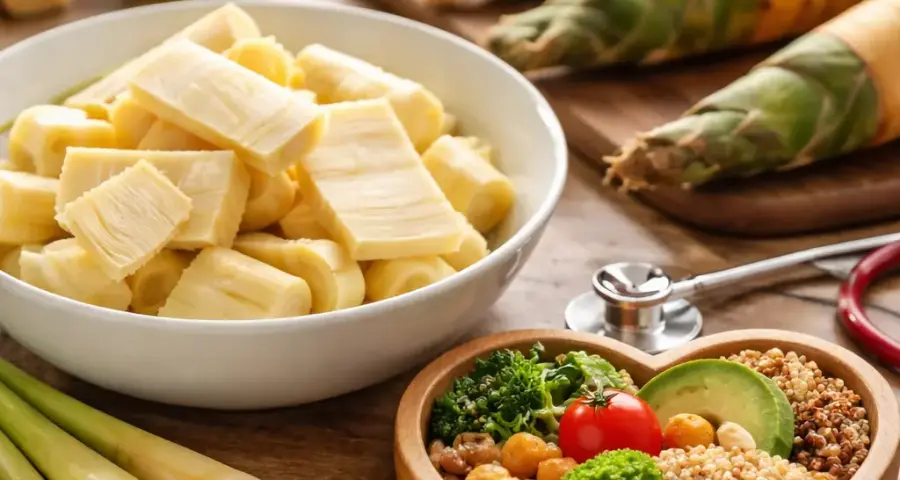
Unlike many processed “low sodium” products that strip flavour along with salt, rebung offers a mild, slightly sweet taste and crunchy texture that adapts beautifully to stir-fries, soups, and salads. For people following a low cholesterol diet rebung becomes a versatile staple rather than a bland chore.
Nutritional Profile: Why Rebung Is Uniquely Heart-Healthy
Understanding the numbers helps you see why bamboo shoots punch above their weight in cardiovascular nutrition.
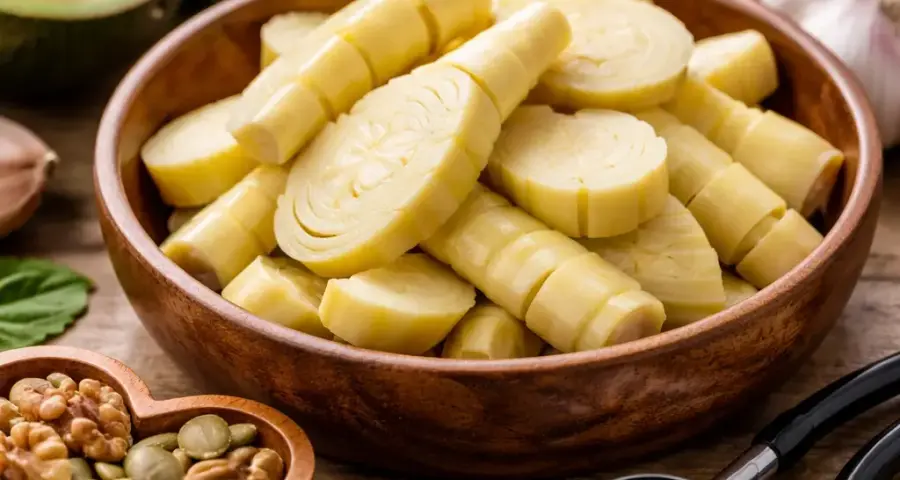
| Nutrient (per 100 g boiled rebung) | Amount | Heart Health Benefit |
|---|---|---|
| Sodium | 4 mg | Helps maintain healthy blood pressure |
| Cholesterol | 0 mg | No dietary cholesterol to raise LDL |
| Potassium | 533 mg | Counteracts sodium, relaxes blood vessels |
| Dietary fibre | 2.2 g | Binds to bile acids, reduces cholesterol reabsorption |
| Vitamin B6 | 0.18 mg | Lowers homocysteine, a heart disease risk factor |
The Low Sodium Advantage
Processed foods hide massive amounts of sodium, which forces your heart to work harder. Low sodium bamboo shoots give you a satisfying vegetable option that naturally stays under 5 mg per serving. For context, a single slice of bread often contains 150 mg or more. Replacing just one high-sodium side dish with bamboo shoots can lower daily sodium intake noticeably without sacrificing volume or satisfaction.
Cholesterol-Free and Fibre-Rich
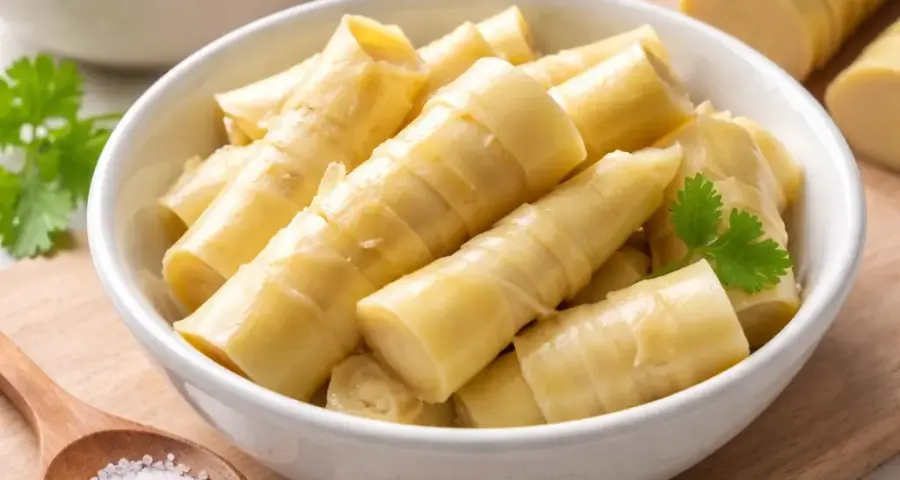
Dietary cholesterol from animal products directly raises LDL (bad cholesterol) levels in many people. Low cholesterol diet rebung fits perfectly because it contains zero cholesterol while providing soluble fibre that helps your body excrete excess cholesterol before it enters the bloodstream. The fibre also slows glucose absorption, which protects blood vessels from sugar spikes that damage arterial walls.
7 Proven Benefits of Rebung for Heart Health
1. Naturally Regulates Blood Pressure
The high potassium-to-sodium ratio acts as a natural diuretic, helping kidneys flush extra sodium. This reduces fluid retention and lightens the load on your cardiovascular system.
2. Lowers LDL Cholesterol Without Medication
Studies show that regular consumption of fibre-rich vegetables like rebung can reduce total cholesterol by 5–10% over several months when combined with an overall balanced diet.
3. Provides Antioxidant Protection
Bamboo shoots contain phenolic compounds and flavonoids that neutralise free radicals. This protects the delicate lining of your arteries from oxidative damage, a major contributor to atherosclerosis.
4. Supports Healthy Weight Management
With only 19 calories per 100 g and high water content, rebung fills your stomach without loading calories. Maintaining a healthy weight directly reduces strain on the heart.
5. Improves Digestive Function
The fibre in rebung feeds beneficial gut bacteria. A healthy microbiome is increasingly linked to lower systemic inflammation, which benefits the heart.
6. Helps Control Blood Sugar
Fibre slows carbohydrate digestion, preventing sharp glucose spikes. Stable blood sugar protects blood vessels and reduces the risk of diabetic heart complications.
7. Contains Heart-Friendly Phytosterols
Plant sterols in bamboo shoots compete with cholesterol for absorption in the gut, effectively lowering circulating LDL levels without side effects.
How to Prepare Rebung to Retain Heart Benefits
Raw bamboo shoots contain cyanogenic glycosides that can cause digestive discomfort. Follow these steps to make them safe and maximise nutrition.
Step 1: Peel and Slice
Remove the tough outer leaves and cut the tender inner shoot into thin slices or strips. Thinner pieces cook evenly and release more toxins during boiling.
Step 2: Boil Thoroughly
Place the slices in a pot of cold water, bring to a boil, and cook for 20–25 minutes. Discard the water — this removes the majority of bitter compounds and natural toxins.
Step 3: Soak in Cold Water
After boiling, soak the shoots in cold water for at least 30 minutes. Change the water once or twice if you prefer a milder flavour. This step also preserves the crunchy texture.
Step 4: Store or Cook Immediately
Once prepared, rebung keeps in the refrigerator for up to five days. Avoid adding salt during cooking — use herbs, garlic, ginger, or citrus to enhance flavour without raising sodium.
Simple Ways to Add Rebung to a Low Sodium, Low Cholesterol Diet
Morning: Rebung and Vegetable Omelette
Whisk two eggs with a handful of prepared rebung strips, spinach, and black pepper. Cook in a non-stick pan without salt. The bamboo shoots add crunch and moisture, reducing the need for added fat or salt.
Lunch: Chilled Rebung Salad
Toss boiled and cooled rebung with cucumber, cherry tomatoes, fresh mint, and a squeeze of lime. A drizzle of olive oil and a pinch of chilli flakes provide flavour without sodium.
Dinner: Stir-Fried Rebung with Garlic and Ginger
Quickly stir-fry prepared rebung with minced garlic, fresh ginger, and a splash of rice vinegar. Serve alongside steamed fish or grilled chicken for a complete heart-healthy plate.
Snack: Rebung and Edamame Bowl
Combine equal parts rebung and shelled edamame, steam gently, and season with sesame seeds and a drop of toasted sesame oil. Satisfying, portable, and completely cholesterol-free.
Important Safety Notes
While rebung for heart health offers clear advantages, a few precautions are necessary. Always cook bamboo shoots thoroughly — raw shoots can cause throat irritation and stomach upset. If you have a history of oxalate kidney stones, moderate your intake because bamboo shoots contain moderate levels of oxalates. Pregnant women should also limit consumption to occasional servings unless their doctor advises otherwise. Finally, if you buy canned bamboo shoots, choose labels that read “no salt added” or “low sodium” to avoid hidden sodium.
Useful Resources
For further reading on the cardiovascular benefits of bamboo shoots and low-sodium eating, explore these credible sources:
- American Heart Association — How to Reduce Sodium
- USDA FoodData Central — Bamboo shoots, cooked, boiled, drained, without salt
Frequently Asked Questions About Rebung for heart health
Is rebung safe for people with hypertension?
Yes, rebung is naturally very low in sodium — only about 4 mg per 100 g — and rich in potassium, which helps counterbalance the effects of sodium on blood pressure. It is an excellent vegetable for anyone managing hypertension.
Can rebung help lower cholesterol naturally?
Yes, the soluble fibre in bamboo shoots binds to bile acids in the digestive tract, prompting the body to use up more cholesterol to produce replacement bile. This process can reduce LDL cholesterol levels over time.
How much rebung should I eat per week for heart benefits?
Eating about 150–200 g (roughly one cup) of cooked rebung three to four times per week, as part of a balanced diet, is a reasonable target for noticeable heart health support.
Does canned rebung have the same heart benefits as fresh?
Fresh or frozen rebung is preferable because canned versions often contain added sodium. If you use canned, look for “no salt added” or rinse the shoots thoroughly under cold water before cooking.
Can I eat rebung raw for heart health?
No, raw bamboo shoots contain natural toxins that can cause throat irritation and digestive discomfort. Always boil or cook them thoroughly before eating to ensure safety.
Does rebung contain any cholesterol?
No, bamboo shoots are completely free of dietary cholesterol, making them a safe and beneficial addition to a low-cholesterol diet.
Is rebung high in potassium?
Yes, cooked rebung provides about 533 mg of potassium per 100 g, which is more than most leafy greens and supports healthy blood pressure regulation.
Can rebung interfere with blood pressure medication?
Generally, no. However, because of its high potassium content, individuals on certain blood pressure medications (like ACE inhibitors) should consult their doctor before significantly increasing intake to avoid hyperkalemia.
What is the difference between rebung and mature bamboo shoots?
Rebung refers to the tender, young shoots harvested before they become fibrous and bitter. They are more succulent, easier to digest, and have a milder flavour that works well in heart-healthy recipes.
Can rebung help with weight loss?
Yes, with only 19 calories per 100 g and high water and fibre content, rebung is very satiating and can help you eat fewer total calories, supporting weight loss and reducing strain on the heart.
Does cooking rebung destroy its nutrients?
Boiling does reduce some water-soluble vitamins like vitamin C, but the fibre, potassium, and most antioxidants remain intact. The safety benefits of cooking far outweigh the minor nutrient loss.
Is rebung suitable for a DASH diet?
Absolutely. The DASH (Dietary Approaches to Stop Hypertension) diet emphasises low sodium, high potassium foods — exactly what rebung provides.
Can I feed rebung to children for heart health?
Yes, in small, well-cooked portions. Children benefit from the fibre and low sodium, but introduce it gradually and ensure it is very tender to prevent choking.
Does rebung have any side effects for the heart?
No, there are no known negative effects on the heart when rebung is consumed in normal dietary amounts. The only concern is the natural toxin content of raw shoots, which is eliminated by proper cooking.
What is the best way to store fresh rebung?
Keep unpeeled shoots in the refrigerator, wrapped in a damp paper towel inside a plastic bag, for up to one week. Once peeled and cooked, store in an airtight container in the fridge for up to five days.
Can rebung replace other vegetables in a heart-healthy diet?
It can complement but should not completely replace other vegetables. A variety of colourful vegetables ensures a broader range of antioxidants and nutrients for comprehensive heart protection.
Is frozen rebung as good as fresh for low sodium diets?
Yes, frozen rebung is typically processed without added salt and retains most of the nutritional profile of fresh. Just check the ingredient list to confirm no sodium has been added.
Does rebung contain any heart-healthy fats?
Rebung is very low in total fat (about 0.5 g per 100 g) and does not contain significant omega-3s, but its other benefits — fibre, potassium, and antioxidants — make it valuable despite the low fat content. For a related guide, see Rebung for Athletes: 3 Proven Recovery and Hydration Benefits.
Can rebung help reduce inflammation in the body?
Yes, the phenolic compounds in bamboo shoots have anti-inflammatory properties that can reduce chronic low-grade inflammation, a known risk factor for heart disease.
Is it safe to eat rebung every day?
Generally, yes, as long as it is properly cooked. However, due to its oxalate content, people prone to kidney stones should moderate daily intake and ensure adequate hydration.