
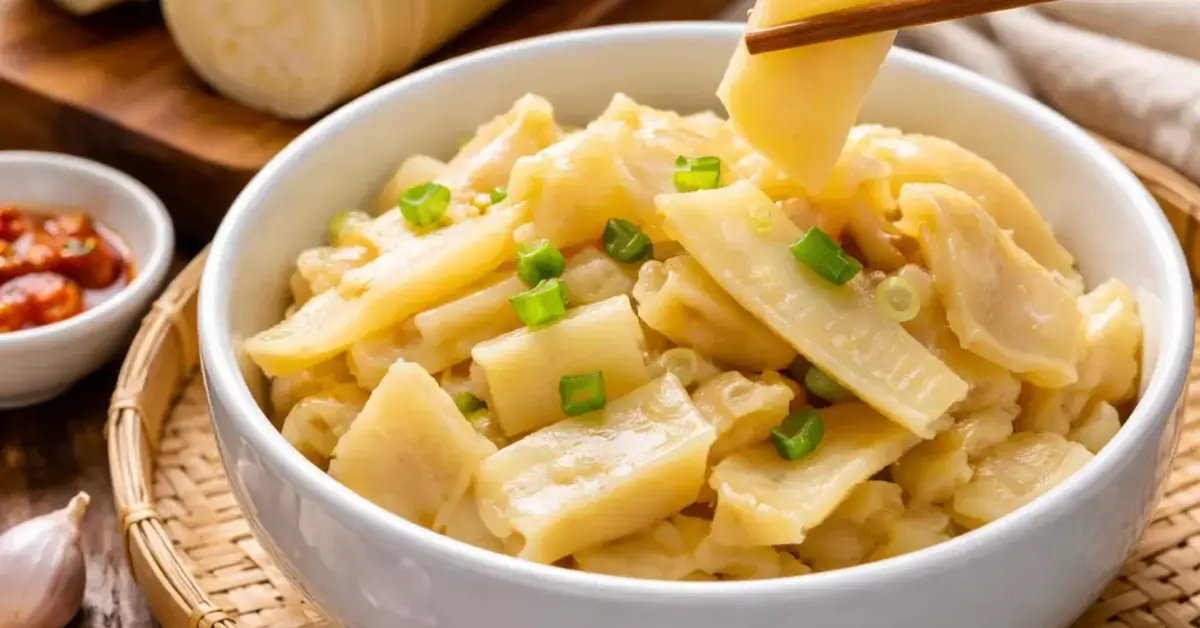
Rebung soft and easy to chew Key Takeaways
Bamboo shoots are a delicious, low-calorie ingredient packed with fibre, potassium, and antioxidants.
- Young, pale-green shoots are naturally more tender and take less time to soften.
- Soaking and pre-boiling with a pinch of salt or rice washing water removes bitterness and begins the tenderising process.
- Slow simmering with coconut milk or a splash of vinegar helps break down tough fibres without losing flavour.
Why Rebung soft and easy to chew Matters for Senior Diets
Bamboo shoots are a delicious, low-calorie ingredient packed with fibre, potassium, and antioxidants. However, their natural texture can be too tough or stringy for older adults or anyone with chewing difficulties. Learning to cook rebung soft and easy to chew makes this nutritious vegetable accessible without irritation or choking risk. The key is to start with the right shoots and use gentle, moisture-rich cooking methods that break down cellulose without turning the shoots into mush. For a related guide, see Rebung Prepping Made Easy: A Beginner’s Guide to Peeling and Cooking.

Selecting the Best Bamboo Shoots for Tenderness
Not all rebung are created equal. The first step toward rebung soft and easy to chew begins at the market or grocery aisle.
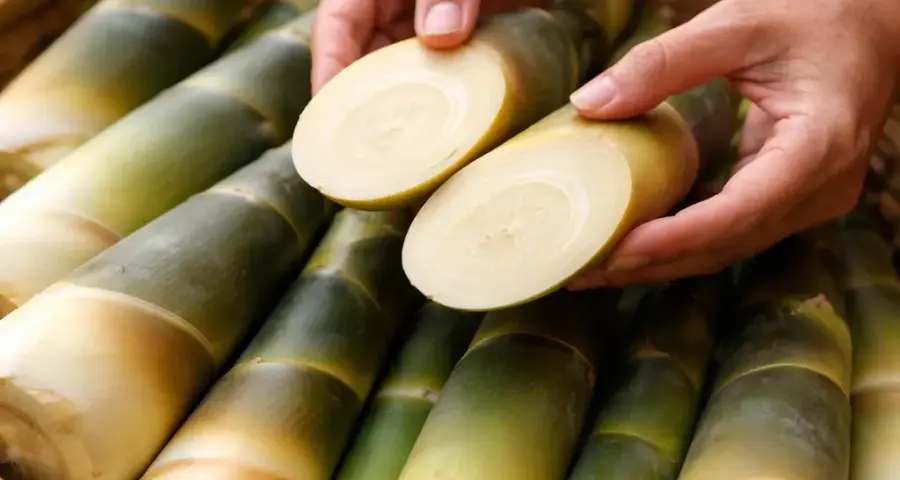
Look for Young, Pale Shoots
Young shoots are lighter in colour, usually pale yellow or light green, and feel firm but not woody. Avoid shoots that are heavily browned at the base or have a thick, fibrous husk. The tighter the husk layers, the younger the shoot.
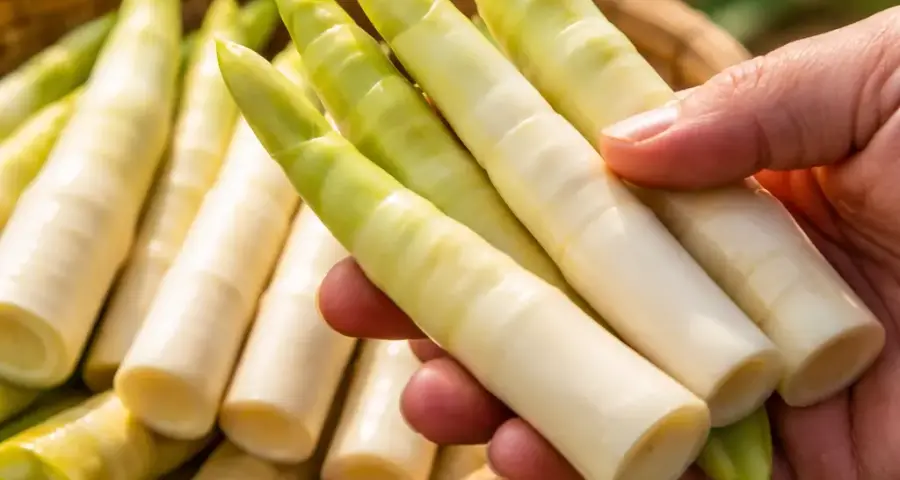
Check the Cut End
If the cut end appears moist and has only a few visible rings, the shoot is fresh. Dry, cracked, or dark ends indicate age and will require much longer cooking.
Size Matters
Smaller shoots (roughly the size of a corn cob) are almost always more tender. Larger shoots can still be used, but they need extra prep and cooking time.
Essential Preparation for Tender Results
Proper prep removes bitterness and starts the softening process that leads to rebung soft and easy to chew.
Step 1: Peel and Slice Correctly
Remove all outer husks until you reach the pale, solid core. Slice the shoot lengthwise into quarters or thin strips. Thinner slices cook faster and absorb flavours better.
Step 2: Soak in Cold Water
Place the sliced shoots in a bowl of cold water with one teaspoon of salt. Leave them for at least 30 minutes. This draws out some bitterness and hydrates the fibres, making them more receptive to softening.
Step 3: Blanch with a Pinch of Salt
Drain the soaking water and transfer the shoots to a pot of fresh boiling water. Add half a teaspoon of salt. Boil for 10 minutes, then drain and rinse with cold water. This double-blanch step is a game-changer for rebung soft and easy to chew.
Five Proven Cooking Methods for Ultra-Tender Rebung
Once prepped, the following methods guarantee soft, easy-to-chew results every time.
Method 1: Slow Simmer in Coconut Milk
Coconut milk contains natural fats that help break down tough plant fibres. After blanching, add the shoots to a pot of thin coconut milk (or water with a splash of coconut cream). Simmer on low heat for 45–60 minutes until the shoots yield easily to a fork. Season with salt, turmeric, and a bay leaf for a mild, aromatic flavour. For a related guide, see Rebung’s Natural Enzymes: 3 Smart Ways to Tenderize Meat.
Method 2: Pressure Cook with Aromatics
A pressure cooker dramatically cuts cooking time. Place the prepped shoots in the cooker with one cup of water, a bruised lemongrass stalk, and a slice of ginger. Cook on high pressure for 15 minutes, then let the pressure release naturally. The result is consistently rebung soft and easy to chew without constant monitoring.
Method 3: Braise with Vinegar or Tamarind
Acidic ingredients like rice vinegar, apple cider vinegar, or tamarind paste help dissolve pectin and cellulose. After blanching, sauté the shoots with garlic and onion, then add enough water to barely cover them along with two tablespoons of vinegar. Cover and simmer for 40 minutes. This method also enhances the natural tang many diners love.
Method 4: Steam Then Finish in Broth
Steaming preserves the shoots’ shape while softening them. Steam the sliced shoots over boiling water for 20 minutes. Then transfer them to a warm vegetable or chicken broth and let them rest for another 15 minutes before serving. This two-step approach works brilliantly for seniors who prefer very mild flavours.
Method 5: Mash or Puree for Maximum Comfort
For individuals with severe chewing issues, blend the fully cooked shoots into a coarse or smooth puree. Season the puree with coconut milk, a splash of fish sauce (optional), and white pepper. Serve it as a side or mix it into congee or porridge for a nutrient boost.
Common Mistakes That Make Rebung Tough
Avoid these pitfalls to always achieve rebung soft and easy to chew.
- Skipping the soak: Without soaking, the fibres remain stiff and bitter.
- Boiling at high heat: Rapid boiling tightens the exterior before the inside softens. Always simmer gently.
- Adding salt too late: Salt helps break down fibres early. Add it during the blanch or early simmer.
- Overcooking without liquid: Dry heat or insufficient water can turn shoots leathery. Keep them submerged.
Serving Suggestions for Seniors
Pair your tender rebung with equally soft accompaniments to create a balanced, senior-friendly plate.
- Stir the shoots into steamed white rice or congee.
- Serve alongside mashed sweet potatoes or soft tofu.
- Use the cooking liquid (coconut milk or broth) as a light gravy to add moisture.
Useful Resources
For more details on selecting and preparing fresh bamboo shoots, visit BBC Good Food’s guide to bamboo shoots. For a step-by-step video demonstration of the pressure cooker method, see Allrecipes’ pressure cooker bamboo shoots recipe.
Frequently Asked Questions About Rebung soft and easy to chew
What is the best type of rebung for chewing difficulty?
Young, small shoots with tight husks and pale interiors are naturally softest. Avoid large, brown-tipped shoots.
Can I use canned bamboo shoots for a soft texture?
Yes, canned shoots are already soft. Simply rinse them and simmer for 10 minutes in broth before serving.
How long should I boil fresh rebung to make it tender?
Boil fresh sliced shoots for 10 minutes, then simmer for another 30–60 minutes depending on size and thickness.
Does soaking rebung overnight help?
Yes, overnight soaking in salted water further reduces bitterness and helps soften fibres before cooking.
Is vinegar necessary for tender rebung?
Not necessary, but a small amount of vinegar or tamarind speeds up fibre breakdown and adds a pleasant tang.
Can I cook rebung in a slow cooker?
Absolutely. After blanching, place shoots in a slow cooker with liquid and cook on low for 3–4 hours.
How do I know when rebung is fully tender?
Insert a fork or knife into the thickest piece. It should slide in without resistance, and the shoot should bend easily.
Are bamboo shoots safe for seniors with swallowing problems?
When fully softened and cut into small pieces or pureed, they are generally safe. Always consult a doctor for individual dietary needs.
What spices pair well with tender rebung?
Mild spices like turmeric, ginger, lemongrass, and bay leaf complement the shoots without overpowering them.
Can I freeze cooked rebung?
Yes, fully cooked and cooled shoots freeze well in an airtight container for up to three months. Thaw in the fridge overnight.
Do I need to remove the core of the bamboo shoot?
The core is the tenderest part and does not need removal. Simply slice the whole shoot after peeling.
Why is my rebung still bitter after boiling?
Bitterness usually results from insufficient soaking or old shoots. Try soaking longer or adding a pinch of salt to the boiling water.
How can I add flavour without making shoots tough?
Add flavourings like coconut milk, broth, or mild curry paste after the shoots are already tender. Acidic ingredients should be added early.
Can I use a pressure cooker for canned shoots?
Canned shoots are already cooked, so a pressure cooker is unnecessary. Simply heat them in a pan or microwave.
Is rebung high in calories?
No, bamboo shoots are very low in calories, making them a great addition to weight-conscious and diabetic-friendly diets.
What are the signs of a fresh bamboo shoot?
Fresh shoots feel heavy for their size, have tightly wrapped husks, and show no signs of drying or mould at the cut base.
Can I mix rebung with other vegetables for a soft meal?
Yes, combine tender shoot pieces with soft vegetables like pumpkin, zucchini, or carrots in a gentle stew or curry.
Does cooking rebung destroy its nutrients?
Some vitamin loss occurs with heat, but the fibre and minerals remain. Boiling in minimal water preserves more nutrients.
How do I store leftover cooked rebung?
Cool completely, then refrigerate in an airtight container for up to five days. Reheat gently with a splash of water or broth.
Can I use rebung in soups for seniors?
Definitely. Finely sliced or pureed tender shoots add texture and nutrients to clear soups, congee, or tomato-based broths.