
Rebung in ritual feasts Key Takeaways
In Indonesian tradition, rebung (young bamboo shoots) is far more than a simple vegetable.
- Rebung in ritual feasts symbolizes life’s renewal and the importance of staying grounded — bamboo shoots grow straight yet remain humble.
- In Indonesian selamatan rebung dishes, the shoot is often cooked with coconut milk and spices to represent harmony and shared blessings.
- Kenduri bamboo shoots are prepared in specific ways depending on the region, reflecting local customs and the purpose of the gathering.
What Makes Rebung So Special in Indonesian Ritual Feasts?
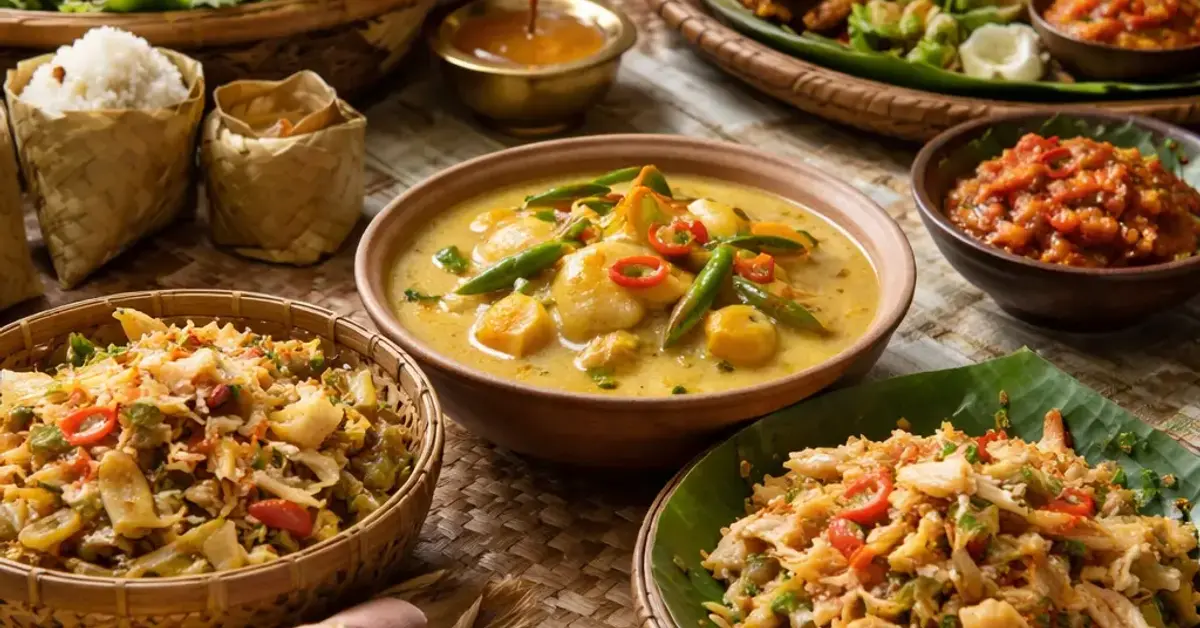
Across the archipelago, rebung in ritual feasts holds a place that goes beyond taste. In Javanese, Sundanese, and many other traditions, bamboo shoots are associated with memayu hayuning bawana — the idea of beautifying and harmonizing the world. Because bamboo grows straight and fast, it represents moral uprightness and swift blessings. At the same time, the shoot emerges from the ground soft and unassuming, a reminder of humility before God and community. For a related guide, see 5 Essential Insights: The Hidden Link Between Rebana and Rebung.
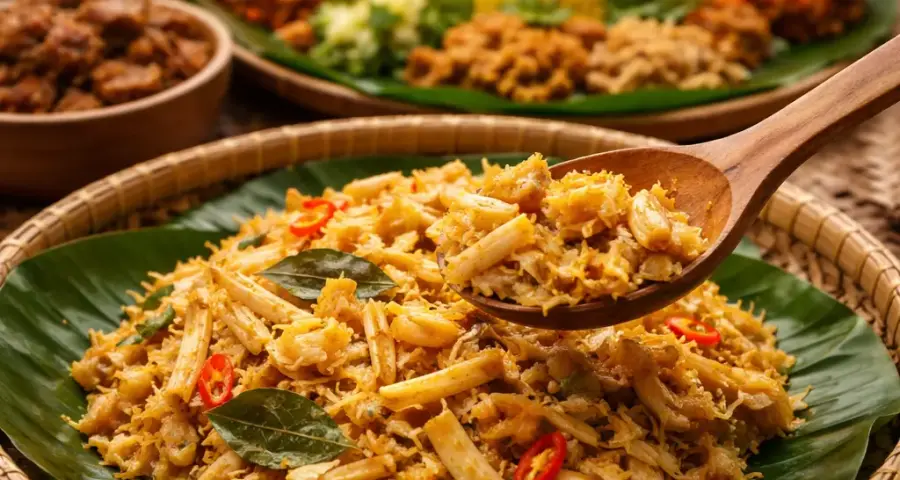
Ritual feasts like selamatan (thanksgiving gatherings) and kenduri (communal prayers) are central to Indonesian social and spiritual life. Food is never just sustenance; it is a medium for prayer, gratitude, and social bonding. Including rebung in these meals is a deliberate act, carrying hopes for growth, purity, and togetherness.
The 3 Essential Roles of Rebung in Selamatan and Kenduri
Let’s break down how rebung in ritual feasts fulfills three distinct but interconnected purposes.
1. Symbol of Renewal and New Beginnings
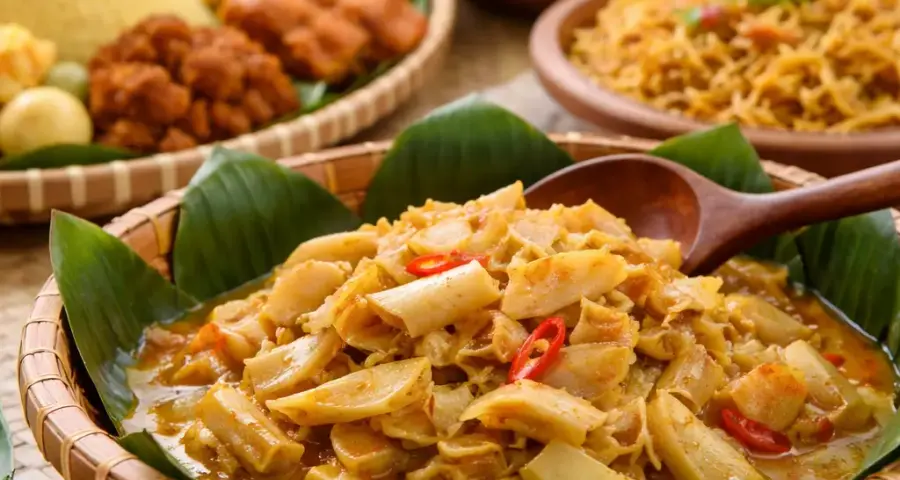
In a selamatan held to celebrate a birth, a new home, or the start of a harvest, rebung appears as a reminder that life constantly regenerates. The shoot’s rapid growth mirrors the hope that blessings will multiply quickly. Families often cook rebung in a mild, soupy dish called lodeh rebung — a gentle, nourishing meal that signals a fresh start without excess.
The Indonesian selamatan rebung tradition frequently pairs bamboo shoots with coconut milk, turmeric, and bay leaves. These ingredients not only create a comforting flavor but also add layers of meaning: white coconut milk symbolizes purity, while yellow turmeric suggests protection and good fortune.
2. Emblem of Humility and Community Unity
During a kenduri, especially those held for the deceased or to ask for safety, rebung’s humble nature becomes central. The shoot grows hidden inside tough, protective layers, teaching that true strength often lies beneath a modest exterior. In the context of a kenduri bamboo shoots dish, this teaches participants to set aside pride and come together as equals.
In many Javanese kenduri, rebung is cooked in a simple sayur lodeh or gulai rebung. The dish is then shared from a single platter, reinforcing the value of gotong royong (mutual cooperation). Eating together from the same bowl of rebung stew is a physical act of unity.
3. Health and Purification Offering
Beyond symbolism, rebung spiritual meaning includes cleansing. In traditional Javanese cosmology, certain foods are considered “cooling” and help balance the body and spirit. Bamboo shoots are believed to purify the system, making them ideal for feasts that aim to restore harmony — whether between people or between the human and spiritual realms.
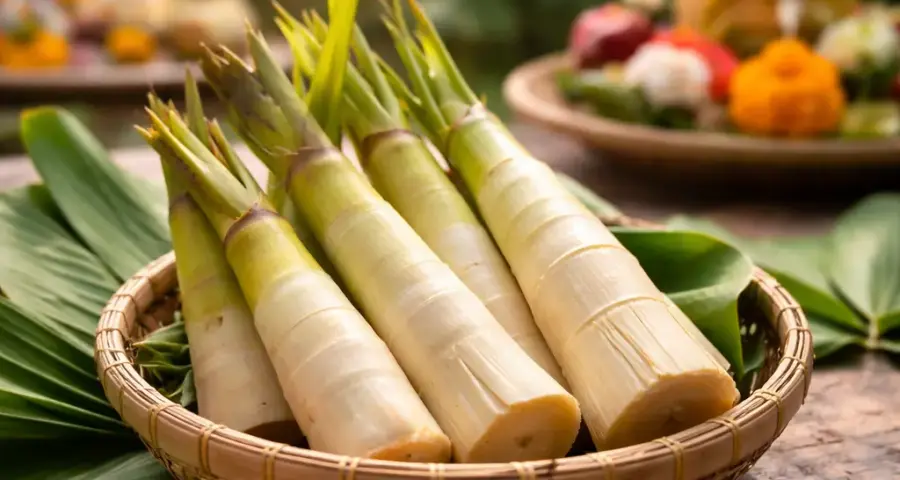
Elders often insist on using fresh, young shoots for ritual dishes. The preparation itself becomes a meditative act: peeling away the tough outer layers mirrors the stripping away of negative thoughts and intentions. This makes rebung in ritual feasts not just a culinary choice, but a spiritual practice.
How Rebung Is Prepared for Ritual Feasts
Preparing rebung for a selamatan or kenduri follows careful steps to ensure both safety and spiritual correctness.
Selecting and Cleaning the Shoots
Only young, tender shoots are chosen — they should be about 20–30 cm long and still tightly wrapped. Any bitterness is removed by boiling the sliced rebung for 10–15 minutes, then rinsing with cold water. This process is sometimes done while reciting prayers, infusing the ingredient with positive intentions.
Classic Ritual Recipes
Two dishes dominate ritual settings:
Lodeh Rebung
A mild coconut milk soup with rebung, tofu, tempeh, and sometimes young jackfruit. It’s seasoned with shallots, garlic, candlenut, and turmeric. This dish is common in selamatan for births and house blessings.
Gulai Rebung
A richer, more pungent curry using a base of coconut milk, chili, lemongrass, and galangal. Often served in kenduri for weddings or communal prayers, its bold flavor symbolizes strength and endurance.
Regional Variations of Rebung in Ritual Feasts
Indonesian traditional feast ingredients vary by island, and rebung is no exception.
| Region | Ritual Dish | Unique Additions | Occasion |
|---|---|---|---|
| Central Java | Lodeh Rebung | Turmeric, bay leaf, tempeh | Selamatan (birth, new house) |
| West Java (Sundanese) | Sayur Asem Rebung | Tamarind, peanuts, young corn | Kenduri (harvest, wedding) |
| East Java | Gulai Rebung | Coconut cream, candlenut, chili | Selamatan (death, 40th day) |
| Bali | Jukut Rebung | Base genep, long beans | Piodalan (temple festival) |
| South Sulawesi | Pallu Rebung | Lemon basil, fish, coconut | Kenduri for health |
The Deeper Symbolic Meaning of Rebung in Ritual Feasts
The rebung spiritual meaning runs like a golden thread through every ritual dish. In Javanese philosophy, the bamboo shoot mirrors human life: it begins small and vulnerable, grows with straight integrity, and eventually becomes strong and useful. When served in a selamatan, rebung tells everyone at the table that life is a cycle of growth, decay, and renewal. For a related guide, see 7 Easy Javanese Rebung Recipes: From Lodeh to Urap.
Eating rebung together also reinforces rasa syukur — a deep, shared feeling of gratitude. Elders often say that the slightly chewy texture of bamboo shoots reminds people to savor life’s blessings slowly, not rush past them.
Modern Relevance of Rebung in Contemporary Rituals
Today, many Indonesian families still honor these traditions, even as urban lifestyles change. In cities like Jakarta and Bandung, younger generations may buy pre-sliced rebung at the market but still follow the old recipes for kenduri and selamatan. Cookbooks and food blogs increasingly highlight Indonesian selamatan rebung as a heritage dish worth preserving.
Moreover, nutritionists now recognize bamboo shoots as high in fiber, low in calories, and rich in antioxidants. This modern validation only deepens the respect for ancestral wisdom — what was once purely spiritual also turns out to be health-giving.
Useful Resources
For a deeper understanding of Javanese ritual food traditions, visit Rikumo’s article on Javanese Selamatan and ritual food.
To learn more about the health benefits of bamboo shoots, check Healthline’s guide to bamboo shoot nutrition.
Frequently Asked Questions About Rebung in ritual feasts
What is rebung in Indonesian cuisine?
Rebung is the young shoot of the bamboo plant, harvested when it is still tender. It is a common ingredient in Indonesian cooking, valued for its crunchy texture and ability to absorb flavors.
Why is rebung used in selamatan and kenduri?
Rebung symbolizes renewal, humility, and purification — all important values in these ritual feasts. Its inclusion brings spiritual blessings and reinforces community unity.
What is the difference between selamatan and kenduri?
Selamatan is a smaller, family-centered thanksgiving ceremony, while kenduri is a larger communal prayer gathering, often held for weddings, deaths, or harvests.
Can rebung be eaten raw?
No, raw bamboo shoots contain cyanogenic compounds that are toxic. They must be boiled or cooked thoroughly before consumption, which aligns with traditional ritual preparation methods.
What does rebung taste like?
Rebung has a mild, slightly sweet taste with a crisp texture. It readily absorbs the flavors of spices and coconut milk, making it versatile in both savory and mildly sweet dishes.
How do you prepare rebung for a ritual feast?
First, peel the tough outer layers, slice the shoot thinly, then boil for 10–15 minutes. Rinse with cold water to remove bitterness. Cook with coconut milk and traditional spices like turmeric, shallots, and garlic.
Is rebung gluten-free?
Yes, rebung is naturally gluten-free, making it suitable for people with gluten sensitivities or celiac disease.
What are the health benefits of rebung?
Rebung is low in calories, high in dietary fiber, and contains antioxidants, potassium, and vitamins B6 and E. It supports digestion and heart health.
What dishes commonly include rebung in rituals?
The most common are lodeh rebung (coconut milk soup) and gulai rebung (spicy curry). In Bali, it is cooked as jukut rebung with base genep.
How is rebung linked to Javanese philosophy?
Bamboo shoots represent life’s renewal, moral uprightness, and humility. Their straight growth and protective layers embody ideals of integrity and modesty.
Can rebung be substituted in ritual dishes?
While substitutions like young jackfruit or green papaya are possible, they lack the specific symbolic meaning of rebung. Most families prefer to keep the original ingredient for authenticity.
Why is rebung considered a “cooling” food?
In traditional Javanese medicine, foods are classified as “hot” or “cooling.” Rebung is believed to lower internal heat, helping balance the body during emotional or spiritual events.
Are there vegetarian versions of ritual rebung dishes?
Yes, lodeh rebung is typically vegetarian, using coconut milk and vegetables. Gulai rebung can be made with or without meat, depending on local customs.
What is the significance of sharing rebung from one plate?
It reinforces gotong royong (mutual cooperation) and equality among participants, reminding everyone that they share the same blessings and responsibilities.
Which regions use rebung most in rituals?
Central Java, West Java, East Java, Bali, and South Sulawesi have the strongest traditions of using rebung in selamatan and kenduri.
Can I find rebung outside Indonesia?
Yes, in many Asian grocery stores worldwide. Canned or jarred rebung is also available, though fresh is preferred for ritual use.
How long does fresh rebung last?
Fresh, unpeeled rebung can be stored in the refrigerator for up to one week. Once peeled and sliced, it should be cooked within 2–3 days.
What is the Javanese name for rebung?
In Javanese, bamboo shoots are called “rebung” as well, though in some dialects you may hear “pring” or “bambu” used for the mature plant.
Is rebung used in non-religious feasts too?
Yes, rebung is a popular everyday ingredient in stir-fries, soups, and curries across Indonesia, not limited to ceremonial occasions.
How do younger Indonesians view rebung traditions?
Many young people embrace the tradition as a way to connect with their heritage. Food bloggers and chefs are reviving ancient recipes, giving them a modern twist while preserving the core symbolism.