
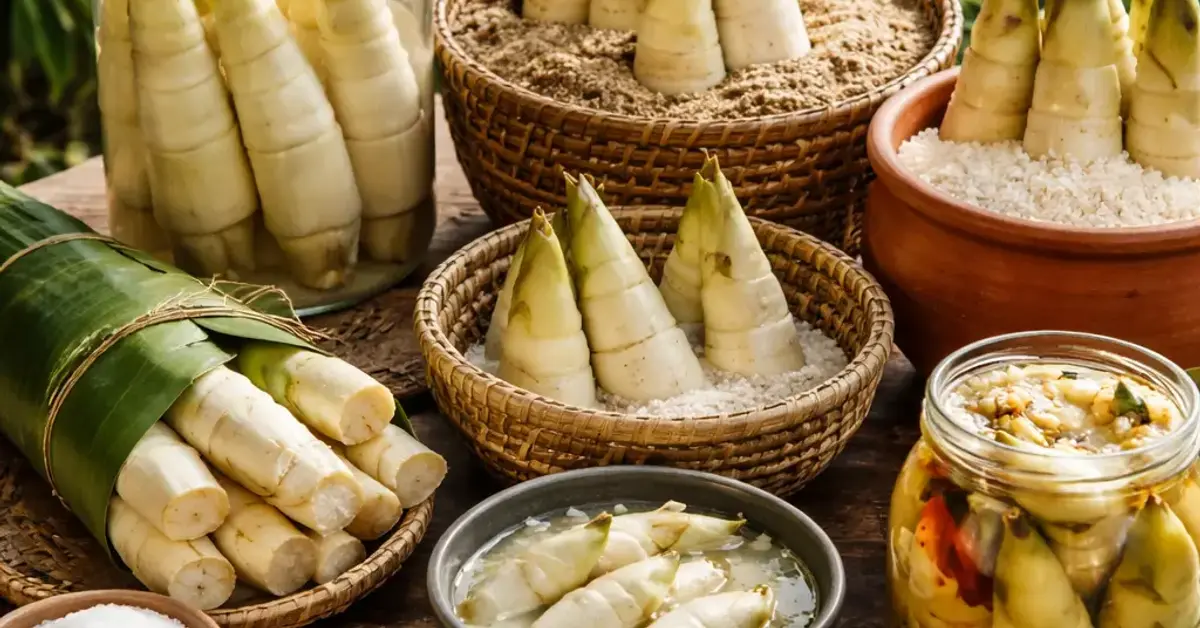
store fresh rebung without a fridge Key Takeaways
Fresh rebung (bamboo shoots) are a prized ingredient in many Southeast Asian dishes, but they spoil quickly if not handled right.
- The simplest way to store fresh rebung without a fridge is to submerge peeled shoots in clean water and change the water daily.
- Salt packing and fermentation (like pickling) can extend shelf life for months without any cooling.
- Always remove the outer husk and blanch shoots before long-term storage to kill enzymes that cause bitterness and spoilage.
What You Need to Know About Storing Fresh Rebung Without a Fridge
Storing fresh rebung without a fridge is all about mimicking the cool, humid conditions that slow down spoilage. Without refrigeration, you rely on simple science: remove moisture, lower temperature with evaporation, or create an acidic or salty environment that bacteria hate.
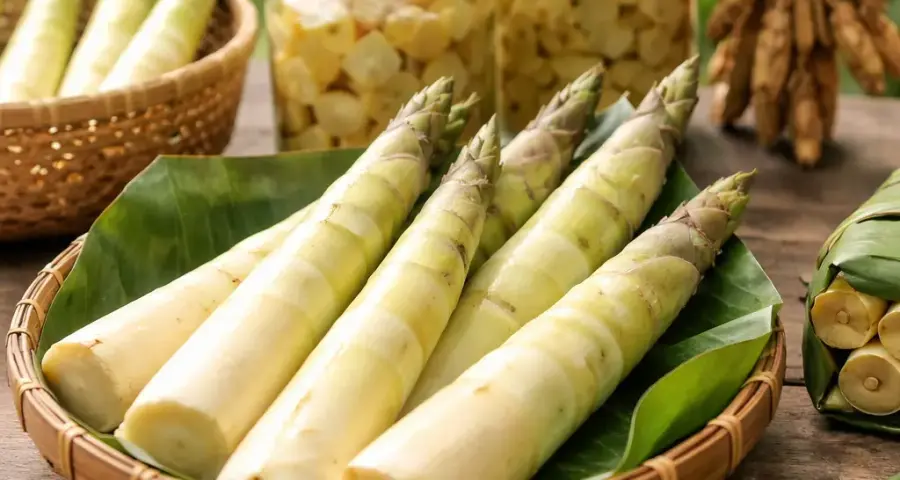
Before any storage method, always start with fresh, firm shoots. Avoid any that feel slimy, have black spots, or smell sour. If you bought whole shoots, trim off the tough outer leaves and slice the tender inner part into chunks or strips depending on how you plan to use them later.
First Rule: Blanch Before You Store
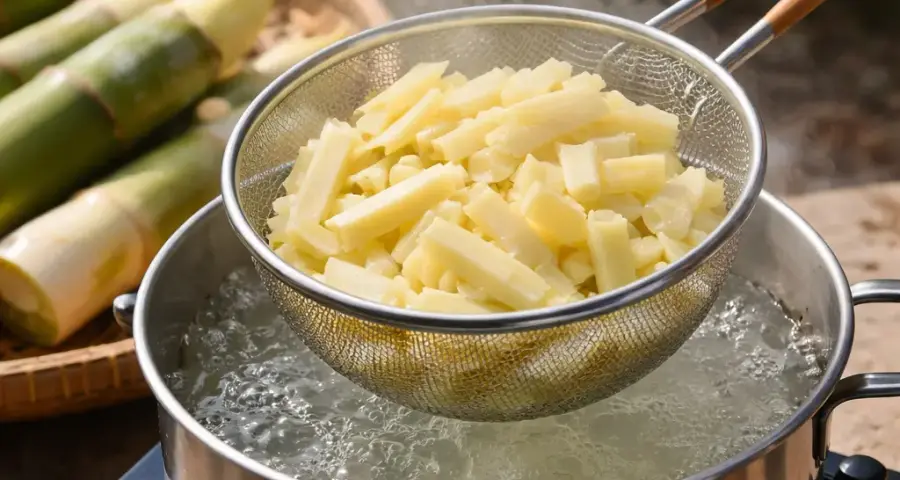
Blanching is not optional if you want to store fresh rebung without a fridge for more than a day or two. Drop the cut shoots into boiling water for 3–5 minutes, then drain and let them cool completely. This kills enzymes that cause bitterness and slows down microbial growth. For a related guide, see Don’t Throw Away Boiled Rebung Water: 5 Smart Garden and Health Hacks.
Method 1: Water Submersion (The Classic Pantry Method)
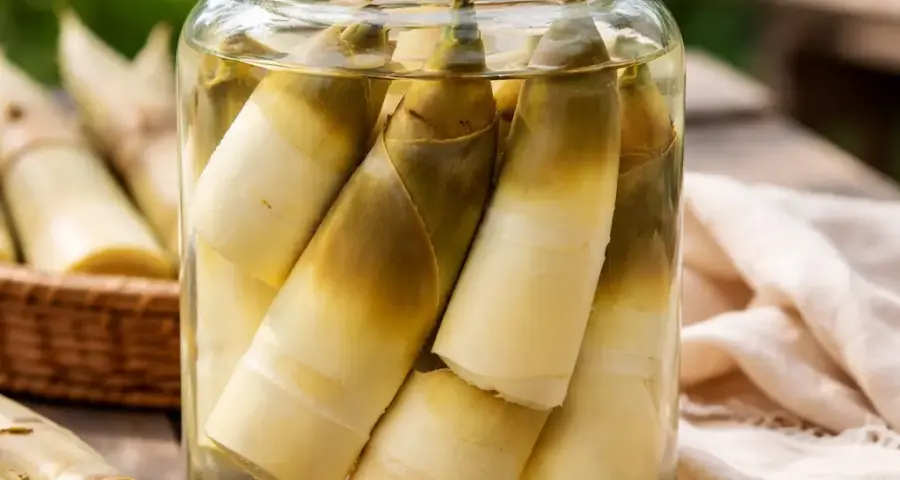
This is the go-to technique across many Asian households. After blanching, place the shoots in a clean jar or bowl and cover them completely with cool, fresh water. Change the water every 12 to 24 hours. Kept in a cool, shaded spot, they can stay crisp for up to 5 days. If you live in a hot climate, place the container in the coolest part of your home — like a tiled floor or near a window that doesn’t get direct sun.
Method 2: Salt Packing for Longer Shelf Life
Salt draws out moisture and creates a hostile environment for bacteria. To store fresh rebung without a fridge using salt, layer blanched shoots with coarse salt in a container — about 1 tablespoon of salt per cup of shoots. Press down firmly to remove air pockets, then seal tightly. Store in a dark, cool cupboard. Rinsed before cooking, salt-packed shoots can last 4–6 weeks. This method works especially well if you plan to use the shoots in stir-fries or curries where you can adjust salt later.
Method 3: Fermentation / Pickling
Fermentation adds a tangy depth to rebung while preserving it for months. Submerge blanched shoots in a brine of 2 tablespoons salt per liter of water. Add a splash of rice vinegar or whey to kickstart fermentation. Keep the jar at room temperature (away from direct sun) and burp it every couple of days. After about 5–7 days, the shoots develop a mild sour flavor and can be stored in a cool corner for up to 3 months. This is a fantastic way to add a fermented kick to salads or fried rice.
Method 4: Sun-Drying (Dehydrated Rebung)
If you want to store fresh rebung without a fridge for months and don’t mind rehydrating later, drying is the answer. Slice blanched shoots into thin strips (about ¼ inch thick). Spread them on a bamboo tray or clean net under direct sunlight, or use a dehydrator at 50°C (122°F). Drying takes 1–3 days depending on humidity. Store dried shoots in an airtight container in a dark place. To use, soak in warm water for 30 minutes before cooking. Dried rebung has a chewy texture that works great in soups and stews. For a related guide, see Dried Bamboo Shoots: Easy Rehydration Method and 3 Top Brands Ranked.
Method 5: Burying in Sand or Ash
An old technique from rural areas is to bury whole, unpeeled shoots in clean, dry sand or wood ash. This method keeps humidity stable and blocks light. Choose shoots with the outer husk still on. Dig a small container or box, layer sand at the bottom, place shoots in a single layer without touching each other, then cover with more sand. Keep in a cool, dry spot. Burying can keep shoots fresh for up to 2 weeks. It’s a zero-energy method that works surprisingly well if you have the space.
Method 6: Oil Packing (Confit-Style)
Submerging blanched shoots in oil — usually vegetable or coconut oil — creates an anaerobic seal that prevents spoilage. Place shoots in a clean jar, pour oil to cover completely, and seal tightly. Store in a dark, cool place. Oil-packed rebung can last 2–3 weeks. Use the flavored oil for stir-frying or dressing. Note: this method is not safe for long-term storage unless you keep the jar very cool and use it quickly. Adding dried chilies or garlic to the oil gives a nice flavor boost.
Method 7: Vinegar Brine (Quick Pickles)
Similar to fermentation but faster, a vinegar brine uses acidity rather than lacto-fermentation. Mix equal parts water and vinegar (cane or white) with 1 tablespoon salt and 1 tablespoon sugar per cup of liquid. Heat to dissolve, then pour over blanched shoots in a jar. Store in a cool, dark cupboard. Quick-pickled rebung is ready to eat after 2 days and will keep for about 2 months. This is fantastic for adding crunch and tang to salads and sandwiches.
Tips to Keep Your Rebung Crisp and Safe
No matter which method you choose, a few rules apply: always use clean hands and utensils to avoid introducing bacteria. If you see any mold, sliminess, or off-smell, discard the entire batch — don’t risk it. For methods that involve water or brine, check the liquid level weekly and top up if needed.
Also, consider the climate. In humid tropical regions, water submersion and salt packing work best because they keep shoots hydrated. If your home is dry, sun-drying or burying in sand may be more reliable. If you’re trying to store fresh rebung without a fridge during a hot spell, choose the oil or vinegar method for extra protection.
Useful Resources
For more detailed guidance on handling and cooking bamboo shoots, check out these resources:
Frequently Asked Questions About store fresh rebung without a fridge
Can I store fresh rebung without a fridge for more than a week?
Yes, using salt packing, fermentation, or vinegar brine you can keep rebung fresh for weeks or even months without refrigeration.
Do I need to peel bamboo shoots before storing?
For most methods, yes — remove the tough outer husk. But if you bury shoots in sand, you can leave the husk intact and peel just before using.
How often should I change the water when using the water method?
Change the water every 12 to 24 hours to prevent bacterial buildup and keep the shoots crisp.
Can I freeze bamboo shoots instead of using these methods?
Yes, but the article focuses on fridge-free methods. If you have a freezer, blanched shoots freeze well for up to 6 months.
What’s the fastest method to store fresh rebung without a fridge?
Water submersion is the quickest — just cut, blanch, and submerge. But it only lasts 3–5 days without a fridge.
Does salt packing affect the taste?
Yes, salt-packed shoots become saltier, so rinse them well and adjust seasoning in your recipe.
Can I use table salt for salt packing?
Coarse salt (like sea salt or kosher salt) is best because it dissolves slower and doesn’t contain iodine that can discolor the shoots.
Is fermented rebung safe to eat?
Yes, as long as you use clean equipment and the brine smells pleasantly sour, not rotten. Discard if you see mold or smell putrefaction.
How long does sun-dried rebung last?
Properly dried and stored in an airtight container, dried rebung can last 6–12 months.
Do I need to cook dried rebung before eating?
Yes, rehydrate in warm water for 30 minutes, then use in soups, stews, or stir-fries — it’s already blanched.
Can I use any type of bamboo shoot for these methods?
Yes, but tender varieties like rebung (young shoots) work best. Older, fibrous shoots need longer cooking and won’t store as well.
What oil is best for oil packing?
Neutral oils like coconut, vegetable, or sunflower are best. Olive oil can solidify in cooler temperatures.
How do I know if stored shoots have gone bad?
Signs include a sour or putrid smell, slimy texture, visible mold, or dark spots. When in doubt, throw them out.
Can I store whole shoots without cutting them?
Yes, for the sand-burying method, keep shoots whole with husk on. For other methods, cut into chunks or strips to allow even blanching and storage.
Is vinegar brine the same as fermentation?
No — vinegar brine uses acid to preserve (quick pickling), while fermentation relies on natural lacto-fermentation for longer preservation and tangy flavor.
Do I need to boil the vinegar brine first?
Heating the brine helps dissolve salt and sugar and ensures a clean starting point, but you can also pour cold brine over hot shoots.
Can I combine two methods, like salting then drying?
Absolutely — brine first, then sun-dry for a salt-preserved dried product that lasts even longer.
What’s the best method for humid climates?
Salt packing, fermentation, or vinegar brine work best in humid areas because they don’t rely on dry air.
Can I store bamboo shoots in a clay pot?
Yes, clay pots keep contents cooler through evaporation. Use one for the water submersion method, changing water daily.
Should I add sugar to the brine?
In vinegar brine, sugar balances the acid and adds a slight sweetness — optional, but recommended for a balanced pickle.