
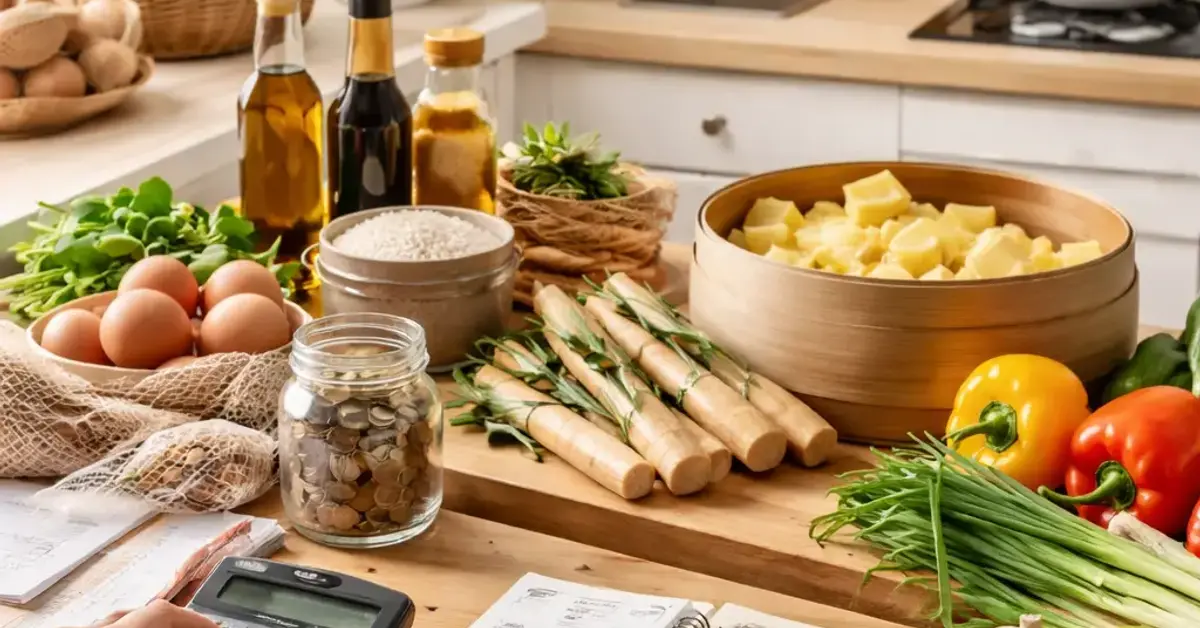
rebung kitchen budget Key Takeaways
Bamboo shoots — called rebung in many Southeast Asian kitchens — are a versatile, low-calorie ingredient that thrives in stir-fries, curries, and salads.
- Prioritize a sharp cleaver and a sturdy wok — they handle most rebung prep and cooking tasks.
- Invest in airtight containers and a simple drying rack to keep bamboo shoots fresh longer.
- Shop at Asian grocery stores or wholesale markets for bulk rebung discounts.
Why a Smart Rebung Kitchen Budget Matters
Bamboo shoots — called rebung in many Southeast Asian kitchens — are a versatile, low-calorie ingredient that thrives in stir-fries, curries, and salads. But preparing them at home requires specific gear: a sharp knife for slicing tough outer layers, a large pot for boiling, and storage containers for leftover shoots. Without a plan, costs can spiral. For a related guide, see 7 Expert Mandoline Slicing Tips for Perfectly Thin Rebung.

A thoughtful rebung kitchen budget helps you buy only what you truly need, avoid duplicate tools, and save money on ingredients. Whether you’re a home cook or a small food business owner, these strategies will stretch your ringgit or dollar without sacrificing flavor. For a related guide, see Budget-Friendly Rebung Kitchen: Your Essential Cost-Saving Guide.
Step 1: Choose Your Core Tools Wisely
You don’t need a full suite of professional equipment. Focus on three essential items that make rebung prep efficient.
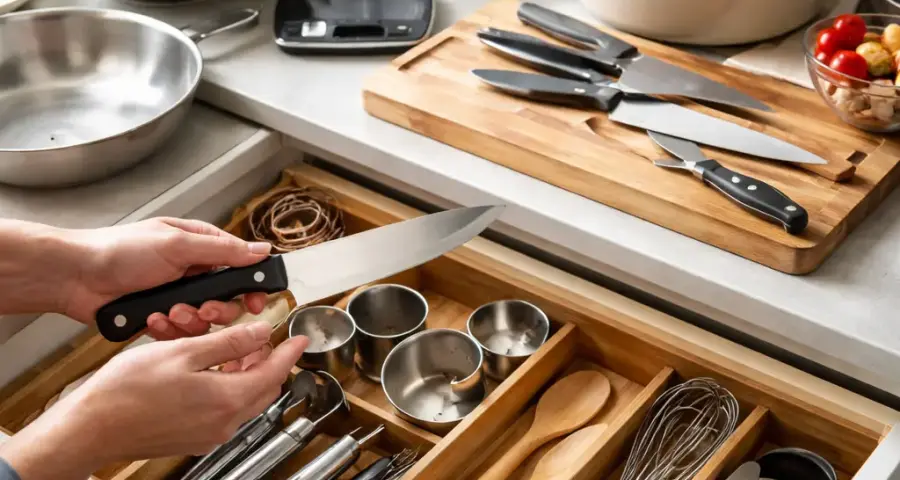
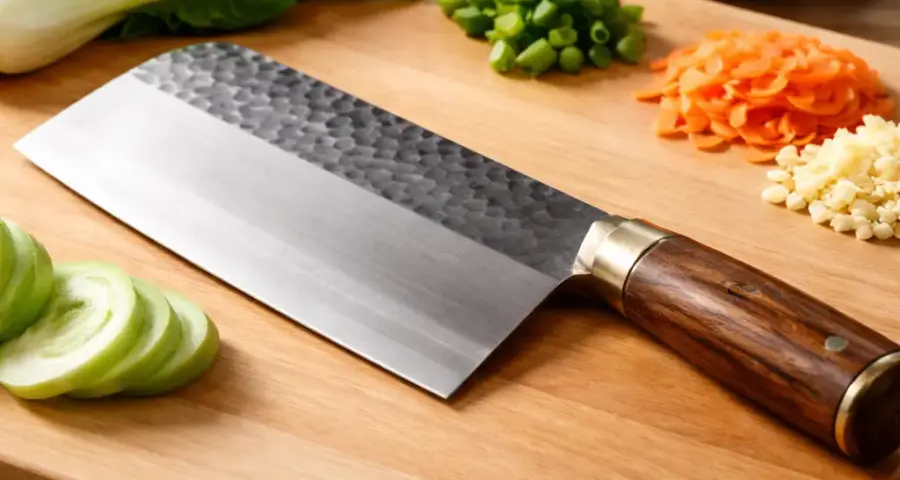
The Must-Have Knife: A Chinese Cleaver
A Chinese cleaver (caidao) is perfect for cutting through tough bamboo shoot husks and slicing the tender inner flesh. It costs about $15–$30 for a decent carbon steel version. Keep it sharp with a $5 whetstone.
The Workhorse Pan: A Carbon Steel Wok
A flat-bottom carbon steel wok ($20–$40) gives you high heat for stir-frying and enough depth for boiling shoots. Season it properly, and it will last decades.
Storage: Airtight Containers and a Colander
Boiled bamboo shoots spoil quickly. Buy two or three BPA-free airtight containers ($3–$6 each) and a large colander ($8–$12) for rinsing. Total core tool cost: roughly $55–$100.
| Tool | Estimated Cost | Why It’s Essential |
|---|---|---|
| Chinese cleaver | $15–$30 | Husks, slices, and minces rebung |
| Carbon steel wok | $20–$40 | High-heat stir-fry and boiling |
| Airtight containers (2–3) | $6–$18 | Store boiled shoots for 5–7 days |
| Colander | $8–$12 | Rinsing and draining shoots |
| Whetstone | $5–$10 | Keep cleaver sharp |
Step 2: Source Ingredients on a Budget
Fresh bamboo shoots can be pricey, especially if bought out of season. Smart sourcing keeps your rebung kitchen budget under control.
Buy in Bulk When Possible
Asian wet markets often sell fresh rebung by the kilo at a discount. One kilo (about 2.2 lbs) yields roughly 500g of edible flesh after peeling and boiling. Freeze the excess — blanched shoots freeze well for up to three months.
Seasonal Timing
In tropical regions, rebung is cheapest during the rainy season (typically May–October in Southeast Asia). During peak season, prices can drop by 30–50%. Check with local vendors for harvest times.
Canned and Vacuum-Packed Alternatives
When fresh shoots are expensive, canned or vacuum-packed rebung ($2–$4 per can) is a convenient backup. Rinse them well to remove brine or preservative taste. This is a budget-friendly rebung-friendly kitchen hack that saves both money and prep time.
Step 3: Space-Saving Tips for Small Kitchens
A cramped kitchen doesn’t have to limit your rebung kitchen budget. Small tweaks can make a big difference in efficiency.
Magnetic Knife Strip
Instead of a bulky knife block, mount a magnetic strip ($10–$15) on the wall. It frees counter space and keeps your cleaver within easy reach.
Stackable Containers
Use square or rectangular airtight containers that stack neatly. They waste less shelf space than round ones, leaving room for other essentials.
Collapsible Colander
A silicone collapsible colander (around $8) folds flat when not in use. Perfect for small kitchens where every inch counts.
Step 4: Optimize Your Rebung-Friendly Kitchen Workflow
Efficiency is key to keeping costs low. A streamlined workflow reduces waste and saves time, which is money.
Prep in Batches
Dedicate one hour each weekend to peeling, boiling, and slicing a week’s worth of shoots. Portion them into containers — one for fridge, the rest for freezer. This reduces daily prep time and discourages impulse takeout orders.
Use Every Part
The tough outer layers and trimmings can be simmered into a light broth or used as compost. Don’t throw away edible parts; they add flavor to soups and stews.
Step 5: Maintenance and Upkeep on a Dime
Even the best tools need care. Regular maintenance prevents expensive replacements and protects your investment.
Season Your Wok Regularly
A well-seasoned wok is naturally non-stick and rust-resistant. After each use, wash with hot water and a soft sponge, dry over low heat, and rub with a thin layer of oil. This simple habit extends the wok’s life tremendously.
Sharpen Your Cleaver Weekly
A dull blade is dangerous and makes prep harder. A quick 2-minute hone on a whetstone each week keeps it razor-sharp. If you don’t have a stone, a ceramic honing rod ($10–$15) also works.
Useful Resources
For more on choosing the right wok and cleaver, check out these trusted guides:
- Serious Eats: How to Buy, Season, and Care for a Carbon Steel Wok — detailed maintenance instructions and buying tips.
- Kitchn: Chinese Cleaver Buying Guide — explains handle types, blade materials, and pricing for various budgets.
Frequently Asked Questions About rebung kitchen budget
How much does it cost to set up a basic rebung kitchen?
Between $55 and $100 for essential tools like a cleaver, wok, containers, and colander. Ingredient costs vary by season and region.
Can I use a regular chef’s knife instead of a cleaver?
Yes, but a Chinese cleaver’s wide blade is better for scooping up sliced shoots and its weight helps cut through tough husks more easily.
Is a non-stick wok cheaper than carbon steel?
Non-stick woks are often cheaper upfront ($15–$25), but they wear out in 1–2 years. Carbon steel lasts decades and costs about the same in the long run.
Where can I buy bamboo shoots at the lowest price?
Asian wet markets during the rainy season offer the best prices. Canned or vacuum-packed options from online Asian grocers are a good backup.
How long do fresh bamboo shoots last in the fridge?
Unpeeled shoots last about 2 weeks in the fridge. Once peeled and boiled, store them in water in an airtight container for up to 7 days.
Can I freeze bamboo shoots?
Yes. Blanch them for 3–5 minutes, cool in ice water, drain, and freeze in airtight bags. They keep for 3 months without significant texture loss.
What’s the cheapest way to boil bamboo shoots?
Use your wok — it holds enough water for a large batch. No need to buy a separate pot if you already have a wok that can hold 4–5 liters.
Do I need a rice cooker for a rebung kitchen?
Not essential. You can cook rice in the wok using the “pot-in-pot” method or just use a simple $15 stovetop steamer basket.
How can I save on spices and seasonings for rebung dishes?
Buy whole spices in bulk from ethnic grocery stores and grind them at home. This is cheaper per gram and yields fresher flavor.
Is a bamboo steamer worth buying?
A bamboo steamer ($10–$20) is useful for dim sum and reheating shoots, but you can also steam with a metal colander set over a wok of boiling water. For a related guide, see Kidney Stone Rebung Diet: 5 Essential Tips to Avoid Risks.
What is the best oil for stir-frying rebung?
Peanut or avocado oil has a high smoke point and neutral taste. Vegetable oil is cheaper and works fine too.
How often should I replace my cleaver?
With proper sharpening, a good carbon steel cleaver can last 10+ years. Replace it if the blade is chipped or the handle cracks.
Can I use a cast iron skillet instead of a wok?
Yes, but cast iron heats unevenly and is heavy. A wok’s sloping sides make tossing rebung easier, so a wok is preferred for stir-fry.
Are there any one-pot rebung recipes that save money?
Try rebung curry — cook everything in the wok. Use coconut milk, bamboo shoots, protein of choice, and curry paste. Minimal cleanup and low cost per serving.
Should I buy an electric stove or use a gas burner?
Gas is cheaper to operate in many regions and gives better heat control. If you only have electric, use a flat-bottom wok for best results.
How much do bamboo shoots cost per pound?
Fresh shoots range from $2–$6 per pound depending on season and location. Canned shoots cost about $2–$4 per 15 oz can.
What is the most affordable rebung dish to prepare at home?
Stir-fried rebung with garlic, soy sauce, and a pinch of sugar. Costs about $2 per serving including oil and seasonings.
Can I compost bamboo shoot trimmings?
Yes, the tough outer leaves and trimmings are great for compost. Avoid adding the boiled water if it’s heavily salted.
How do I remove the bitterness from bamboo shoots?
Boil fresh shoots for 20–30 minutes, then discard the water. This leaches out bitter compounds. Canned shoots are already processed and generally not bitter.
Is it cheaper to grow your own bamboo shoots?
If you have space and patience, yes. Bamboo is perennial and low-maintenance. A single clump can produce shoots for 10+ years. Initial setup cost includes rhizome purchase ($10–$20) and soil preparation.