
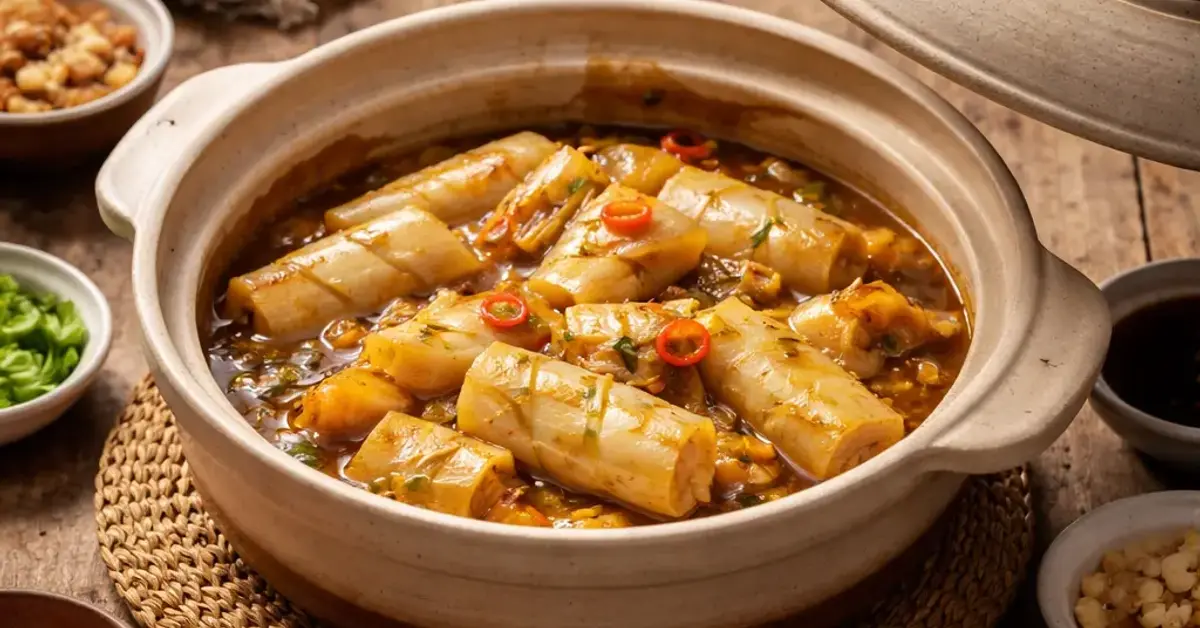
clay pot guzhou slow-cooking rebung Key Takeaways
Mastering clay pot guzhou slow-cooking rebung transforms tough bamboo shoots into tender, aromatic bites.
- Soak and pre-boil rebung to remove natural toxins and bitterness before clay pot cooking .
- Use low, steady heat and a well-seasoned guzhou to unlock deep savory flavors without burning.
- Pair with coconut milk and aromatics for a classic Southeast Asian rebung recipe that stays tender for hours.
Why clay pot guzhou slow-cooking rebung is Worth the Effort
Bamboo shoots, known as rebung in many Asian cuisines, have a naturally firm texture and earthy flavor. When cooked improperly, they turn rubbery or bitter. The porous walls of a traditional clay pot, often called a guzhou or Guzhou slow cooker, distribute heat gently and retain moisture better than metal pots. This makes the clay pot guzhou slow-cooking rebung method the best way to break down the shoots’ tough fibers while infusing them with spices and broth. For a related guide, see Smart Rebung Kitchen Budget Guide: 7 Essential Cost-Saving Tips.
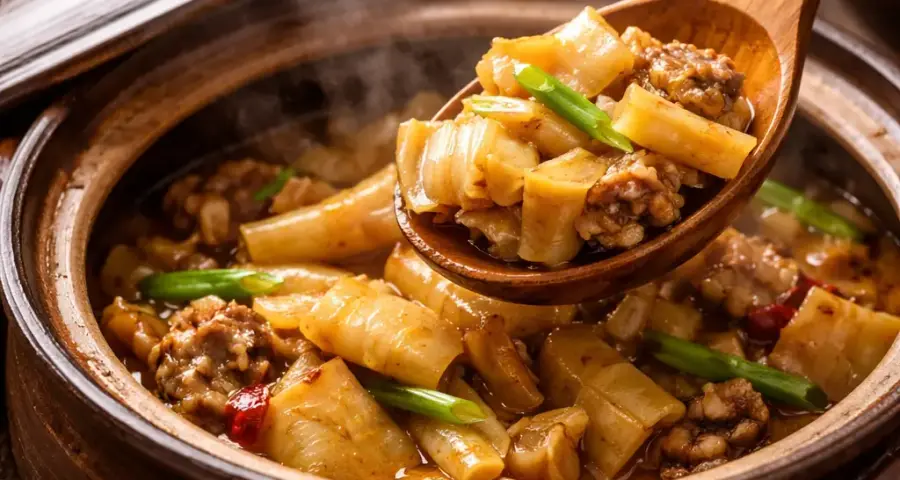
The Science Behind Clay Pot Cooking
Unglazed or partially glazed clay allows steam to circulate slowly, preventing sudden temperature spikes. This gentle heat denatures proteins in the bamboo shoots gradually, preserving their structure until they become tender—not mushy. The clay also absorbs trace minerals and adds a subtle earthiness that steel or non-stick pans cannot replicate.
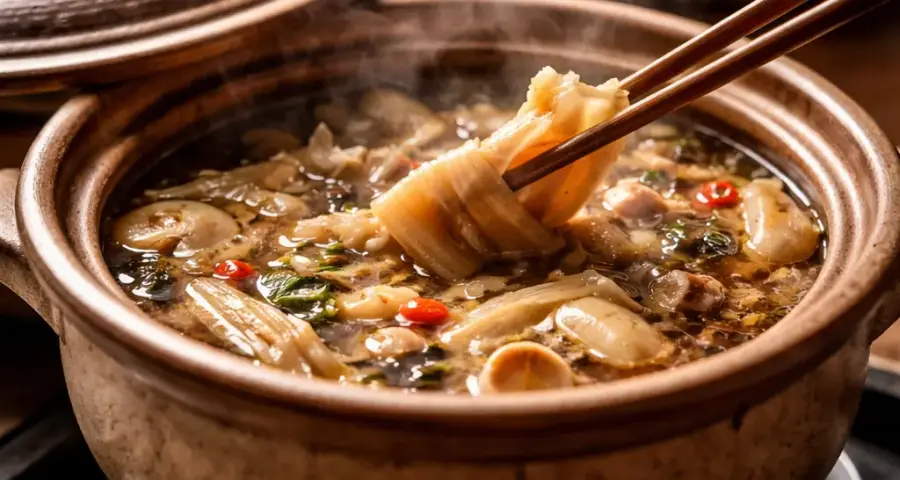
Why Rebung Needs Special Treatment
Fresh rebung contains hydrocyanic acid, which can taste sharp and cause stomach discomfort if not removed. Pre-boiling for at least 10 minutes neutralizes this compound. Combined with the long, moist heat of a guzhou, you eliminate any residual bitterness while keeping every slice intact.
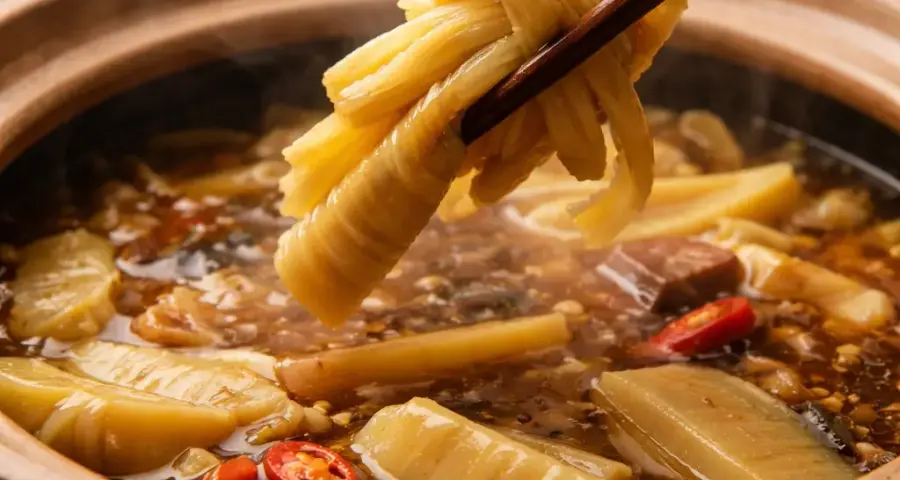
3 Essential Tips for Perfect clay pot guzhou slow-cooking rebung
To get consistently tender results, follow these three expert techniques. They form the foundation of every successful rebung recipe using a guzhou.
Tip 1: Prepare the Rebung Properly Before Cooking
Start with fresh or canned rebung. If using fresh, peel off the tough outer layers, slice the tender inner core into 1-inch pieces, and boil in salted water for 10–15 minutes. Drain, rinse with cold water, and pat dry. This initial step removes toxins and softens the fibers so the clay pot can finish the job without overcooking the outer layers. For a related guide, see 7 Essential Rebung Camping Cooking Tips for a Flavorful Outdoor Feast.
For the best slow-cooking rebung guide, do not skip this parboil—it is the single most important step for a clean, pleasant taste.
Tip 2: Season Your Guzhou and Use Low Heat
A new clay pot needs seasoning before first use. Soak it in water for 2 hours, then dry it completely. Rub the interior with a cut ginger root or garlic clove, then rinse. This seals tiny cracks and prevents the clay from absorbing your dish’s seasoning.
When you begin clay pot guzhou slow-cooking rebung, always start on low heat and increase gradually. Place the pot on a diffuser if your stove runs hot. The goal is a gentle simmer, not a rolling boil. High heat can crack the clay and toughen the rebung.
Tip 3: Add Liquid and Aromatics in Layers
Pour enough coconut milk or light stock to barely cover the rebung. Layer in smashed lemongrass, galangal, kaffir lime leaves, and a pinch of salt. Cover the guzhou and let it simmer for 45 minutes to 1 hour. Check halfway—if the liquid reduces too quickly, add a splash of hot water.
The slow absorption of the liquid into the bamboo shoots creates a creamy texture with no bitter aftertaste. For a spicy variation, add red chilies or a spoonful of sambal in the last 15 minutes.
Common Mistakes When Using a Guzhou Slow Cooker for Rebung
Even experienced cooks make errors that ruin the dish. Avoid these three pitfalls to ensure your clay pot guzhou slow-cooking rebung turns out perfect every time.
Overcrowding the Pot
Filling the guzhou more than two-thirds full restricts steam circulation. The rebung cooks unevenly, leaving some pieces hard. Cook in batches if needed, or use a larger guzhou.
Using Pre-Made Coconut Milk Without Adjusting
Thick canned coconut milk can burn on the bottom of a clay pot. Always thin it with water or stock first, and stir occasionally during the first 10 minutes of cooking.
Skipping the Resting Period
Once the Guzhou slow cooker is done, let the dish rest off the heat for 10 minutes. The residual heat continues to tenderize the rebung and allows flavors to meld. Serving immediately often results in a less cohesive broth.
Best Flavor Pairings for Your Rebung Recipe
Bamboo shoots act as a neutral canvas. The following ingredients complement their mild taste and bring out the best in clay pot guzhou slow-cooking rebung.
| Ingredient | Effect | When to Add |
|---|---|---|
| Coconut milk | Creaminess, sweetness, balances bitterness | Beginning |
| Lemongrass | Citrusy aroma, cuts through fat | Beginning |
| Galangal | Earthy spice, similar to ginger | Beginning |
| Kaffir lime leaves | Intense citrus fragrance | Beginning |
| Red chilies | Heat, depth | Last 15 minutes |
| Palm sugar | Gentle sweetness, rounds out salt | Last 10 minutes |
Troubleshooting Tough or Bitter Rebung
If your slow-cooking rebung still tastes bitter after following the guide, the shoots may be too old. Fresh young rebung, harvested before the tips open, is naturally sweeter. Look for shoots with tightly wrapped, pale yellow leaves. If only mature shoots are available, slice them thinner and parboil twice, changing the water between batches. For a related guide, see Avoid This Mistake: 5 Best Ways to Store Fresh Rebung Without a Fridge.
For toughness that persists after 1 hour of simmering, add a teaspoon of rice vinegar or a squeeze of calamansi. The mild acid helps break down lignin, the fibrous component in bamboo. Continue cooking for another 20 minutes and check again.
Useful Resources
For more on bamboo shoot safety and preparation, refer to the FAO guide on bamboo shoot processing. To explore traditional clay pot recipes from Southeast Asia, visit Saveur’s clay pot cooking collection.
Frequently Asked Questions About clay pot guzhou slow-cooking rebung
Can I use an unseasoned clay pot for rebung?
It is not recommended. An unseasoned pot may crack under heat or absorb too much moisture, making the rebung dry. Always season a new guzhou first.
How long does rebung take to cook in a clay pot?
After parboiling, 45 minutes to 1 hour on low heat is usually enough. Older shoots may need up to 90 minutes.
Do I need to pre-boil canned rebung?
No, canned rebung is already cooked and safe to eat. Simply rinse it to remove any brine before adding to the guzhou.
Can I cook rebung without coconut milk?
Yes. Use vegetable or chicken stock for a lighter broth. Add a tablespoon of oil to replicate the richness.
Why did my clay pot crack while cooking rebung?
Thermal shock from sudden temperature changes is the main cause. Always place the pot on a cold or low-heat burner and warm it gradually.
Can I freeze leftover clay pot rebung?
Yes. Cool completely, transfer to an airtight container, and freeze for up to 3 months. Reheat gently in a covered pot.
Is rebung the same as bamboo shoot?
Yes. In Malay and Indonesian cooking, rebung specifically refers to young bamboo shoots used in curries and stir-fries.
What size guzhou is best for rebung?
A 1.5 to 2-quart pot is ideal for two servings. For larger batches, a 3-quart pot works well.
Do I need a diffuser for a gas stove?
A diffuser helps distribute heat evenly and prevents hot spots. It is recommended for all clay pot cooking on gas flames.
Can I add meat to the rebung in a clay pot?
Absolutely. Chicken thighs or pork belly cook well with rebung. Sear the meat first, then add it to the pot with the liquids.
What is the best way to clean a used guzhou?
Use only hot water and a soft sponge. Mild soap is acceptable but rinse thoroughly. Never use abrasive scrubbers.
How can I tell when rebung is fully cooked?
Pierce a piece with a fork or knife. It should slide in easily with no resistance. The color will turn from white to translucent cream.
Should I soak the clay pot before each use?
Once seasoned, soaking is optional. Many cooks do a 10-minute soak to reinforce moisture retention, especially for long simmer dishes.
Can I use this method for frozen rebung?
Yes. Thaw frozen rebung in the refrigerator overnight, then parboil as usual before adding to the guzhou.
What spices are traditional with rebung?
Common spices include turmeric, coriander, cumin, and white pepper. Lemongrass and galangal are also classic choices.
How do I store a guzhou long-term?
Ensure it is completely dry, wrap in a cloth or paper, and store in a cool, dry place. Do not stack heavy items on top.
Can I make a spicy version of this dish?
Yes. Add bird’s eye chilies or a tablespoon of sambal oelek during the last 15 minutes of cooking.
Is it safe to cook acidic foods in a clay pot?
Short cooking with acidic ingredients like lime juice is fine. Prolonged simmering of highly acidic sauces may leach minerals from fresh clay.
What can I substitute for coconut milk in a rebung recipe ?
Cashew cream, oat milk, or light cream work well. For a non-dairy option, try blended silken tofu with water.
How do I know if my guzhou is too hot?
If the liquid bubbles vigorously and splatters, the heat is too high. Reduce immediately to maintain a gentle simmer.