
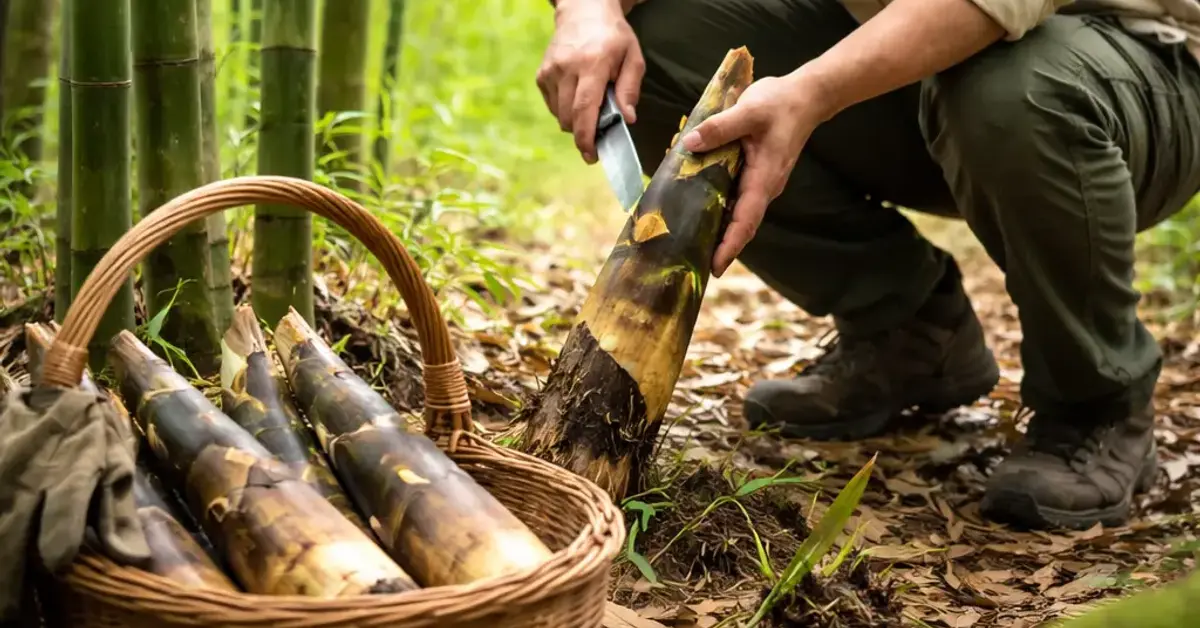
where can you legally forage for bamboo shoots Key Takeaways
Foraging for wild edibles like bamboo shoots is rewarding, but the rules vary widely depending on land ownership and local regulations.
- Legal foraging bamboo shoots is generally allowed on most U.S. National Forests and Bureau of Land Management (BLM) lands, but always check for specific area closures and permit requirements.
- State parks, county parks, and nature preserves often prohibit all foraging, including bamboo shoots, unless you obtain a special use permit.
- The best way to avoid trouble is to contact the local land management office and ask directly about plant collection rules for the specific species you intend to harvest.
Understanding the Legal Landscape for Legal Foraging Bamboo Shoots
Before you head out with a basket, it’s crucial to understand that “where can you legally forage for bamboo shoots” isn’t a one-size-fits-all answer. In the United States, land is managed by different agencies, each with its own set of regulations. Foraging on federal land, state land, and private property involves completely different legal frameworks. Missteps can lead to fines, confiscation of your harvest, or even criminal trespass charges.
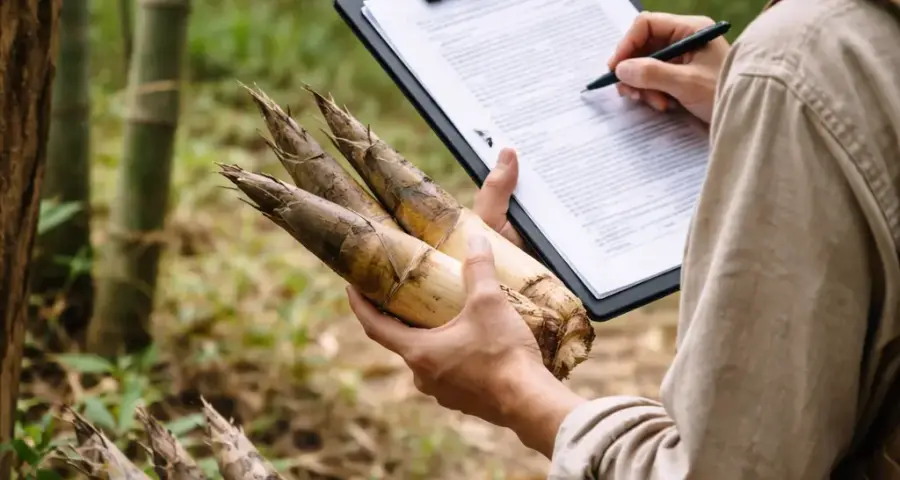
The key is to always verify the specific rules for the exact location you plan to visit. A general rule of thumb is that public lands designated for conservation or recreation often allow limited personal foraging, while lands managed for preservation typically prohibit it. Let’s explore the most common land types where you might find bamboo and the rules that apply.
Federal Public Lands: National Forests and BLM Land
The most accessible places for legal foraging bamboo shoots are usually U.S. National Forests and BLM-managed lands. These are multiple-use areas that often allow the collection of forest products for personal use. For bamboo shoots, this can be a great option if you live near a forest with bamboo groves, especially in the Southeast and Pacific Northwest.
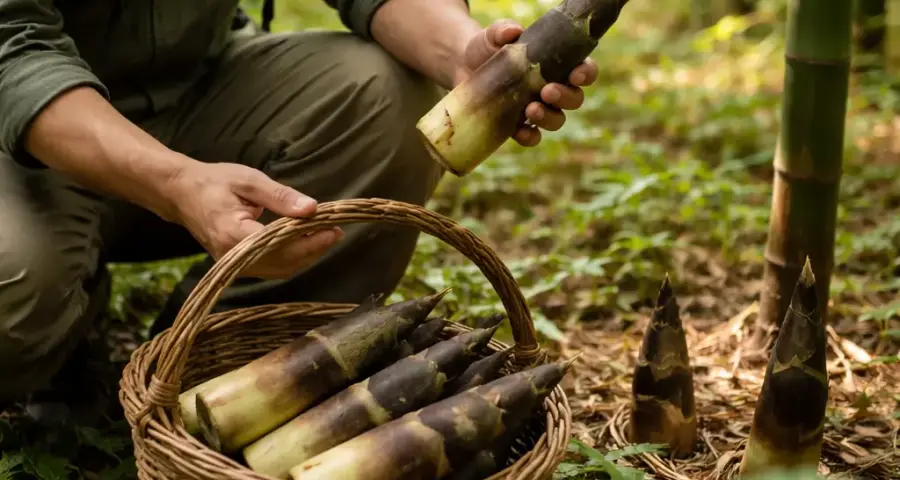
However, rules vary by forest. Some may require a free personal use permit for harvesting any plant material, while others allow small quantities (like 1-2 gallons per person per day) without a permit. Always visit the forest’s official website or call the ranger district office to ask about where can you legally forage for bamboo shoots within that specific forest. Pay attention to any seasonal closures or restrictions for wildlife protection. For a related guide, see How to Harvest Bamboo Shoots Without Killing the Parent Plant: 5 Safe Steps.
State Parks, County Parks, and Nature Preserves
State parks are generally stricter than federal lands. In almost all cases, removing any plant, including bamboo shoots, is prohibited without a special scientific or educational permit. The same applies to most county parks and private nature preserves. These areas prioritize conservation and public enjoyment of undisturbed landscapes.
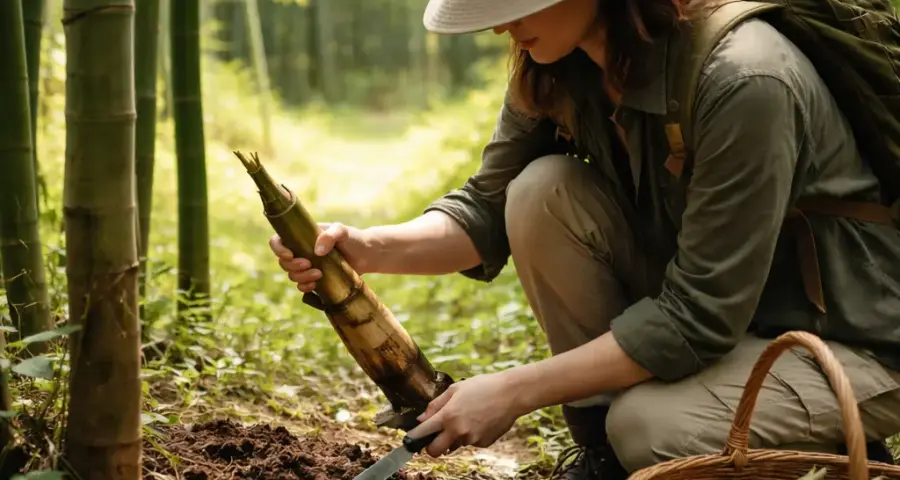
If you find bamboo growing in a state park, assume you cannot harvest it. Even foraging for fallen branches or mushrooms is often disallowed. The best approach is to look for bamboo on nearby federal land or ask the park manager about any rare exceptions, like a controlled removal of invasive bamboo species.
Private Property: The Golden Rule of Foraging
The single most important rule for legal foraging bamboo shoots is to never trespass. Foraging on private property without explicit permission is illegal and unethical. This includes land that appears abandoned or unfenced. Always seek out the landowner and ask for permission. In many rural areas, bamboo grows along fence lines or in old homesteads; a friendly conversation can often lead to access.
If you obtain permission, be respectful: take only what you need, don’t damage the bamboo grove or surrounding property, and leave the area as you found it. A written note from the landowner is even better, especially if you’ll be returning multiple times.
5 Expert Legal Tips to Avoid Trouble While Legal Foraging Bamboo Shoots
Even when you think you’ve found the perfect spot, a few extra precautions can save you from legal headaches. These expert tips help you navigate the gray areas of where can you legally forage for bamboo shoots.
Tip 1: Always Verify with the Local Land Manager
Never rely solely on a website or a friend’s advice. Rules change, and specific areas within a forest might be closed for restoration. Call the local ranger station or land management office and ask directly: “Can I harvest bamboo shoots for personal use here? Do I need a permit?” Get the name of the person you spoke with and note the date. This is your best protection.
Tip 2: Understand the Difference Between Invasive and Native Bamboo
Some regions actively encourage the removal of invasive running bamboo species. In a few counties, you may be allowed to harvest invasive bamboo on public roadsides or even on private land with owner permission, as a form of ecological control. However, native bamboo species may be protected. Always confirm which species you are targeting and its legal status.
Tip 3: Know the Quantity and Method Limits
Most legal foraging rules limit how much you can take (personal use only, not for sale) and how you take it. You generally cannot use heavy machinery, herbicides, or damage the root system. Harvest only the tender shoots by cutting them a few inches above the ground, leaving the parent plant to thrive.
Tip 4: Check for Special Area Closures
Even if a National Forest allows foraging in general, certain areas might be closed to all plant collection. This includes campgrounds, picnic areas, developed recreation sites, research natural areas, and wilderness areas with specific restrictions. Look for maps or signs at the district office.
Tip 5: Document Your Permission and Your Harvest
If you obtain a permit or verbal permission, keep a copy with you. Also, take a photo of the area and a sample of the shoot you harvested. If a law enforcement officer questions you, being able to calmly explain that you spoke with a ranger and are following personal use harvesting rules can make a huge difference.
| Land Type | Typical Foraging Status for Bamboo Shoots | Key Action |
|---|---|---|
| U.S. National Forest | Often allowed with a free permit or within daily limits | Contact the Ranger District office first |
| BLM Land | Generally allowed for personal use | Check for specific area closures |
| State or County Park | Almost always prohibited | Do not harvest; seek federal land instead |
| Private Property | Only with explicit owner permission | Ask in writing and be respectful |
| Nature Preserve/Refuge | Prohibited without a scientific permit | Do not harvest |
Legal Precautions and Ethical Foraging Practices
Understanding where can you legally forage for bamboo shoots is only half the equation. Ethical foraging ensures these resources remain available for generations. Always follow the principles of sustainable harvesting: take less than 10% of the shoots you see, avoid trampling other plants, and never harvest from the same patch every year. For a related guide, see 6 Smart Grilling Mistakes to Avoid with Bamboo Shoots.
Be aware that some bamboo species are protected under state endangered species laws. For example, certain native bamboos in the Southeast are rare and should not be harvested at all. Conversely, invasive bamboo (like Phyllostachys aurea) is often considered a nuisance, and some states have laws that actually require its removal from private property. In those cases, foraging can be a community service.
Finally, consider joining a local foraging group or workshop. Experienced foragers often have deep knowledge of local landowner relationships and legal access points. They can also help you accurately identify the edible bamboo species and distinguish them from inedible look-alikes.
Useful Resources
For the most current and authoritative information on legal foraging bamboo shoots, consult these resources:
- U.S. Forest Service – Forest Products Page: This official page explains personal use collection of forest products, including plants like bamboo shoots, on National Forest lands. Always check the specific forest’s website for local rules.
- Bureau of Land Management – Recreation FAQs: The BLM website provides guidance on collecting plant material for personal use on BLM-managed public lands.
Frequently Asked Questions About where can you legally forage for bamboo shoots
Can I forage bamboo shoots in any national forest?
Not automatically. Most national forests allow personal use collection of forest products, but you must check the specific forest’s regulations. Some require a free permit, limit quantity, or prohibit collection in certain areas like campgrounds or research zones.
Do I need a permit to forage bamboo shoots on BLM land?
Generally, no permit is needed for small amounts of bamboo shoots for personal use on BLM land. However, selling your harvest requires a commercial permit, and some BLM districts may have specific area closures. Always verify with the local field office.
Is it legal to forage bamboo shoots in state parks?
In almost all cases, no. State parks typically prohibit removing any plant material, including bamboo shoots, unless you have a special scientific or educational permit. The best bet for legal foraging is federal land.
Can I forage bamboo shoots on private property without permission?
No. Trespassing to forage is illegal and unethical. You must obtain explicit permission from the landowner, preferably in writing, before harvesting any bamboo shoots on private land.
What is the difference between personal use and commercial foraging?
Personal use foraging is generally for eating at home or sharing with friends. It is limited in quantity and cannot be sold. Commercial foraging requires a special permit and often involves taxes and reporting requirements with the land management agency.
Are invasive bamboo species legal to forage anywhere?
In some regions, invasive bamboo removal is encouraged, and foraging may be allowed on roadsides or with landowner permission. However, always confirm. Some counties treat invasive bamboo as a noxious weed, making removal a positive act, but you still need to follow land access rules.
Can I forage bamboo shoots in wildlife refuges?
No. National Wildlife Refuges and most state nature preserves prohibit all plant collection, including bamboo shoots, to protect wildlife habitat. Exceptions are rarely given without a research permit.
What should I do if I see someone else foraging illegally?
You can report illegal foraging to the local land management agency (forest service, park ranger, or BLM law enforcement). Do not confront the person yourself, as it could be dangerous.
How much bamboo shoot can I legally take?
Typical limits on federal land range from 1 to 2 gallons per person per day, or a few pounds, depending on the forest. Always check the specific forest’s website for their exact personal use limits.
What happens if I get caught foraging without permission?
Consequences vary from a warning to a fine for theft of forest products or trespassing. On federal land, fines can range from $100 to $5,000 or more, depending on the severity and quantity taken.
Can I forage bamboo shoots in city parks?
City parks almost always prohibit the removal of any vegetation. While the rules may not be highly enforced, it is generally illegal and not recommended.
How do I find out which bamboo species are invasive in my state?
Your state’s Department of Natural Resources (DNR) or Cooperative Extension Service website will have a list of noxious and invasive plants. This can help you identify which bamboo might be legal to remove.
Is it legal to forage bamboo shoots along a public road?
Foraging along the shoulder of a public road is risky. Even if the land is publicly owned, it may be managed by the highway department with a no-trespassing policy. Additionally, plants near roads may be contaminated by vehicle emissions and road salt.
Can I forage bamboo shoots on land owned by a utility company?
Utility easements are usually private property, even if they cross public land. Foraging on an easement without permission from the utility company or landowner can be trespassing. It’s best to avoid this type of land.
Do I need a permit to forage bamboo shoots for educational purposes?
Yes, any foraging for educational programs, classes, or demonstrations requires a special use permit from the land management agency. Contact the local office well in advance to apply.
What are the best resources to check local foraging laws?
The best source is the official website of the land management agency (USDA Forest Service, BLM, state park website, county parks department). Also, state foraging guides and local foraging clubs are good secondary sources.
Can I forage bamboo shoots on land that is posted and quot;No Trespassing and quot;?
Absolutely not. A “No Trespassing” sign means you cannot enter that property for any reason, including foraging. Doing so is illegal and punishable by law.
Is it legal to forage bamboo shoots in national monuments?
National monuments managed by the National Park Service generally prohibit all plant collection. Those managed by the Bureau of Land Management may allow it under BLM rules. Always check with the monument’s specific administrative agency.
What is the penalty for foraging bamboo shoots in a protected area?
Penalties can be severe, including fines up to $5,000 or more, confiscation of equipment, and in rare cases, jail time, especially if the plants are endangered species or taken in large commercial quantities.
Can I get a permit to forage bamboo shoots on private land if I don’t know the owner?
No. A foraging permit from a government agency does not grant you access to private land. You must obtain permission directly from the private landowner, regardless of any other permit you hold.