
Transporting Freshly Harvested Rebung Key Takeaways
Moving tender bamboo shoots from field to market demands speed, temperature control, and careful packing to preserve their crisp texture and delicate flavor.
- Transporting freshly harvested rebung requires immediate cooling and moisture management to prevent wilting and toughening.
- Layer shoots in breathable containers, never in sealed plastic bags, to avoid ethylene buildup and rapid decay.
- Even a short delay in post-harvest handling can reduce shelf life by several days, so prepare your kit before you harvest.
What Makes Transporting Freshly Harvested Rebung So Challenging?
Bamboo shoots, or rebung, are one of the most perishable vegetables in tropical agriculture. The moment they are cut from the rhizome, enzymatic activity accelerates: sugars convert to fiber, moisture evaporates, and natural bitterness compounds increase. If you have ever bitten into a tough, acrid shoot, you have experienced exactly what happens when transporting freshly harvested rebung goes wrong. For a related guide, see Guide to Stir-Frying Rebung: Easy Tips for Perfect Tumis Rebung.
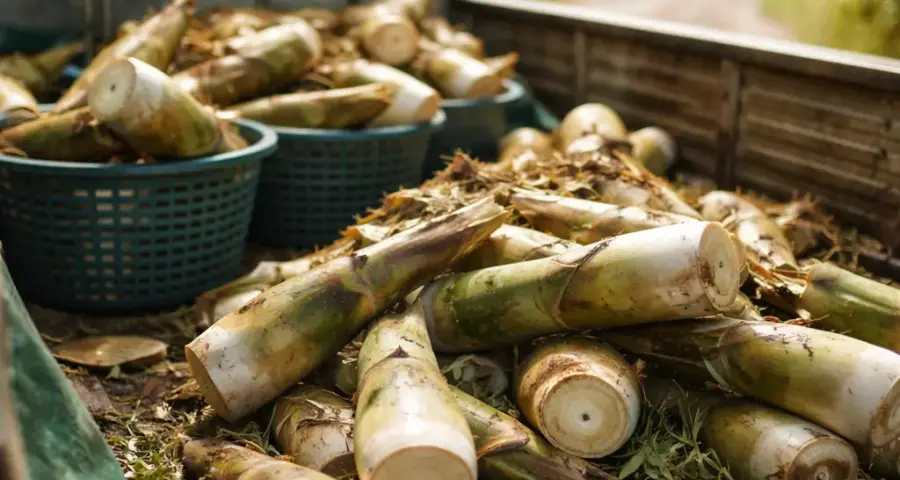
The shoot’s protective leaf sheaths help, but they are not enough to stop dehydration or heat stress during a long ride to market. A shoot that leaves the field at 30°C can lose up to 15% of its moisture in the first hour if left in direct sunlight. Add bumpy roads and tight stacking, and you get bruised, discolored, unmarketable produce.
Step-by-Step Guide for Transporting Rebung Without Damage
Step 1: Harvest at the Right Time and Trim Correctly
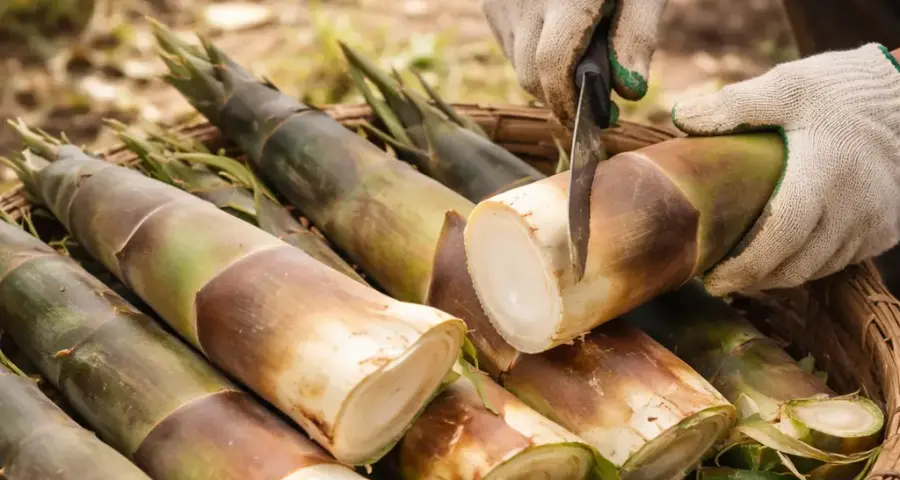
Cut shoots early in the morning when ambient temperatures are lowest and the plant’s turgor pressure is highest. Use a sharp knife to make a clean cut just above the rhizome — ragged cuts invite rot. Leave two or three layers of outer sheath intact; they act as natural padding during transit.
Step 2: Cool the Shoots Immediately
Plunge the trimmed shoots into clean, cool water for 5–10 minutes if possible. This wash removes field heat and any clinging soil. Then move them to a shaded, well-ventilated area. For longer hauls, a pre-cooling step with crushed ice or a cold room (target 4–7°C) is ideal. Rapid cooling is the single most effective way to extend freshness when transporting freshly harvested rebung.
Step 3: Choose the Right Container
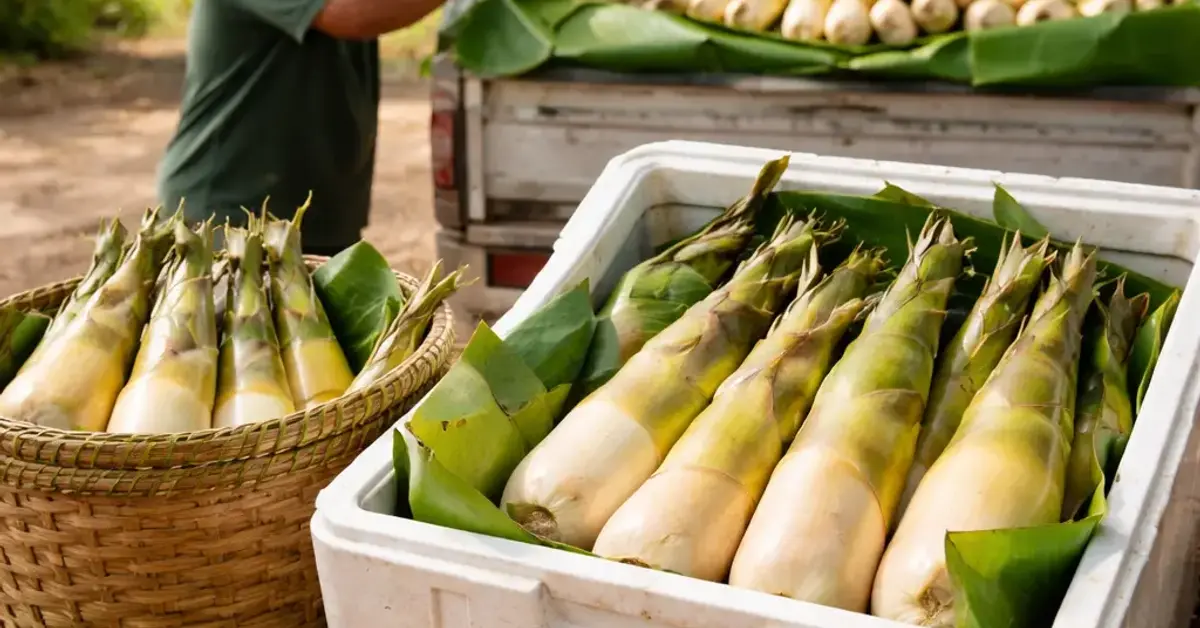
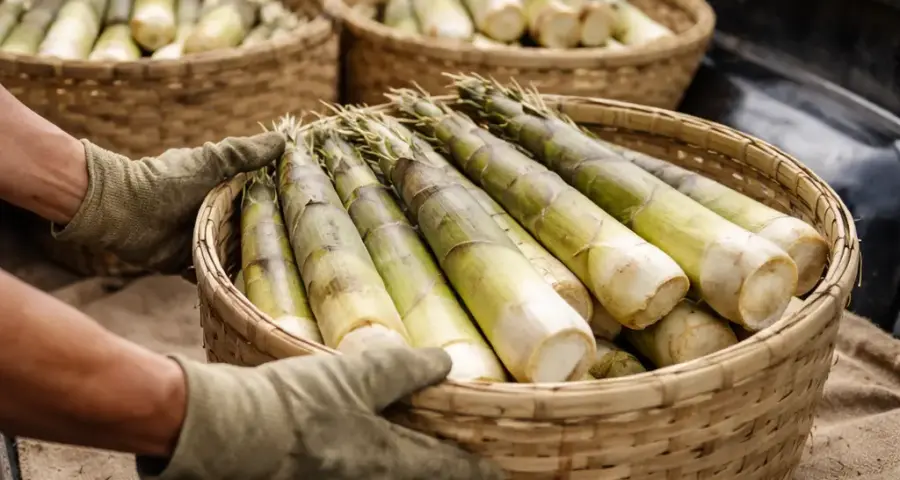
Plastic crates with ventilation slots or woven bamboo baskets work best. Avoid airtight plastic bags — they trap ethylene gas, which accelerates aging. Line the bottom of the container with a clean banana leaf or a damp cloth to maintain humidity without soaking the shoots.
Step 4: Layer and Separate
Place shoots in a single layer whenever possible. If stacking is unavoidable, separate layers with soft padding such as shredded paper or dried grass. Never stack more than three layers high; weight from upper layers bruises the lower shoots. This careful layering is crucial for successful transporting rebung over distances greater than 50 kilometers.
Step 5: Monitor Temperature During Transit
If you have a refrigerated truck, set it to 4–6°C. For open vehicles, cover the crates with a light-colored, breathable tarp that reflects sunlight. Stop shading from direct exposure during the hottest part of the day. A simple thermometer placed inside one crate lets you check conditions at the destination.
Common Mistakes to Avoid When Handling Fresh Bamboo Shoots
Washing Too Thoroughly Before Packing
While a quick rinse removes dirt, soaking shoots for more than 15 minutes washes away natural protective compounds and encourages sliminess. Reserve deep cleaning for the kitchen.
Using Perforated Plastic Bags
Even with holes, plastic bags trap humidity and carbon dioxide, creating a microclimate that promotes mold. Stick to open crates or baskets for anything longer than a one-hour trip.
Mixing Rebung with Ethylene-Producing Produce
Apples, bananas, and tomatoes release ethylene gas that speeds up senescence in bamboo shoots. Keep rebung in a separate load compartment or at least wrapped in a breathable barrier. For a related guide, see Harvest Wild Rebung Indonesia: Best Season and Timing Guide.
How Long Can Fresh Rebung Stay Good After Harvest?
Under ideal conditions — immediate cooling, high humidity (90–95%), and stable temperatures around 4°C — freshly harvested rebung can remain crisp and sweet for 7 to 10 days. At room temperature, without any special handling, you have roughly 24 to 36 hours before the shoots begin to show signs of deterioration: loss of firmness, browning at the cut end, and an increasingly grassy odor. That window shrinks to just 12 hours in tropical heat above 30°C.
Useful Resources
For deeper reading on post-harvest physiology of bamboo shoots, check this research paper from the International Society for Horticultural Science: Postharvest handling of bamboo shoots.
Practical tips from the University of Agricultural Sciences, Bangalore: Bamboo shoot processing and value addition.
Frequently Asked Questions About Transporting Freshly Harvested Rebung
Why do bamboo shoots turn bitter after harvesting?
Bitterness increases when shoots are exposed to heat and light, which encourages the formation of taxiphyllin, a cyanogenic glycoside. Quick cooling after cutting inhibits this reaction.
Can I store bamboo shoots in water during transport?
Only for very short trips under 2 hours. Submerging shoots for longer leaches out flavor and nutrients and promotes bacterial growth. A damp cloth wrap is safer.
Should I remove the outer leaves before transport?
Keep at least two outer leaf sheaths intact. They protect the tender inner layers from bruising and reduce moisture loss during transit.
What is the best container for long-distance rebung transport?
Plastic crates with ventilation holes are the best balance of strength, airflow, and hygiene. Bamboo baskets work well but can splinter and scratch the shoots.
Do I need to refrigerate bamboo shoots immediately?
Yes, if possible. Field heat removal within 30 minutes of cutting is critical to slow down respiration and maintain quality. Even a cool, shaded area is far better than leaving them in the sun.
Can I use ice packs in the crate?
Yes, but place ice packs in a separate compartment or wrap them in cloth. Direct contact with ice can cause freeze damage and waterlogging on the shoot surface.
How do I know if a bamboo shoot is still fresh after transport?
Fresh shoots feel firm and heavy for their size, have tightly closed leaf sheaths, and snap cleanly when bent. A soft or spongy texture means they are past their prime.
Can I wash bamboo shoots before packing?
A quick rinse to remove mud is fine, but avoid soaking. Excess moisture combined with tight packing accelerates mold and rot.
What temperature is too hot for transporting rebung ?
Temperatures above 32°C for more than 30 minutes cause rapid quality loss. At 38°C, the shoots begin to cook and become unusable within an hour.
Do bamboo shoots need ventilation during transport?
Absolutely. Stagnant, humid air encourages fungal growth. Always use containers with slats or holes to allow some air circulation.
Can I transport bamboo shoots with other vegetables?
It is best to keep them separate from ethylene-sensitive produce like leafy greens and from ethylene-emitting items like apples and tomatoes.
How long after harvest should rebung reach the market?
Ideally within 24 hours. The sooner they arrive, the better the texture and taste. Beyond 48 hours at ambient temperature, quality drops noticeably.
Is it okay to stack crates of bamboo shoots?
Stacking is fine as long as you limit the height to two or three crates and use sturdy crates that do not sag under weight.
Can I leave harvested rebung in the sun while I finish cutting?
No. Cover them with a wet sack or move them to shade immediately. Even 10 minutes of direct sun can start the toughening process.
Do different bamboo varieties need different handling?
Yes. Shoots from species like Dendrocalamus asper are more fibrous and tolerate rougher handling than the tender shoots of Bambusa vulgaris. Adjust packing density and cooling speed accordingly.
Can I cut bamboo shoots into pieces before transport?
Not recommended. Cutting exposes more surface area to oxidation and moisture loss. Keep shoots whole until they reach their final destination.
How do I prevent bamboo shoots from turning black?
Blackening is typically caused by enzymatic browning after bruising. Gentle handling and low temperatures are the best prevention.
Can I use vacuum packing for bamboo shoots?
Vacuum packing is not suitable for fresh shoots because it crushes them and creates anaerobic conditions that cause off-flavors. It is only appropriate for fermented or cooked products.
Should I add something to the water when pre-cooling?
No additives are necessary. Clean, potable water is sufficient. You can add a few drops of food-grade chlorine (5–10 ppm) to inhibit surface microbes if the water quality is uncertain.
What is the best way to keep bamboo shoots fresh after buying?
Once home, wrap them loosely in a damp kitchen towel and store them in the vegetable crisper drawer of your refrigerator. Use within 3–5 days for best quality.