
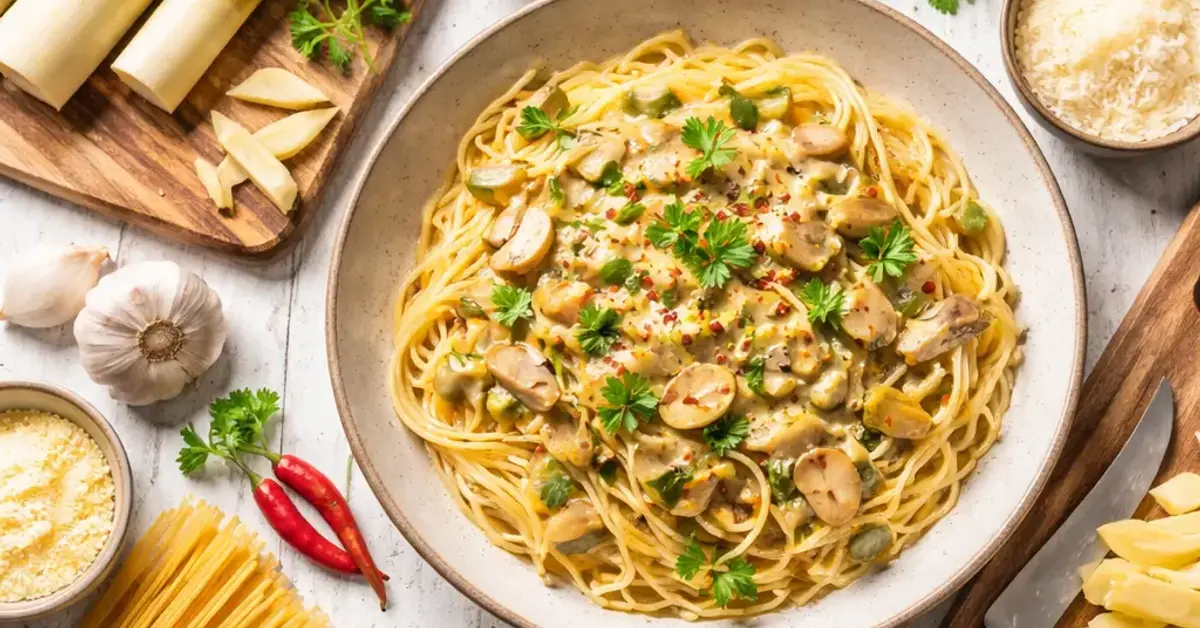
Rebung in Pasta Sauces Key Takeaways
Bamboo shoots, known as rebung in Indonesian and Malay, add a unique crunchy texture and subtle earthy flavor to pasta sauces.
- Rebung in Pasta Sauces brings a mild sweetness and firm bite that complements tomato, creamy, and pesto bases.
- Always boil fresh shoots for 10–15 minutes to remove bitterness and soften their texture before adding to any sauce.
- Pair rebung with ingredients like garlic, ginger, coconut milk, or miso for a balanced fusion flavor profile.
Why Rebung Works Beautifully in Pasta Sauces
Rebung (young bamboo shoots) have a delicate crunch and a flavor that sits between artichoke and asparagus with a hint of corn sweetness. Unlike canned shoots, fresh or properly prepared rebung holds its shape in a simmering sauce without turning mushy. This texture makes them an ideal addition to long pasta like linguine or pappardelle, where each strand needs something to cling to. For a related guide, see 5 Essential Rebung Tips for Chinese-Indonesian Fusion.
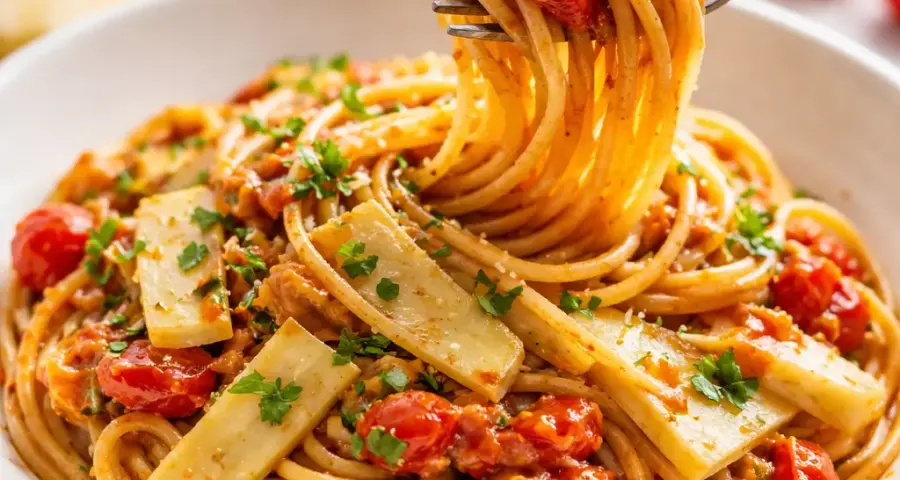
From a nutritional standpoint, rebung in pasta sauces adds dietary fiber, potassium, and a low-calorie volume that helps stretch a meal without extra oil or cheese. Their neutral color also means they take on the hue of whatever sauce you use, making them visually versatile.
How to Select and Prepare Rebung for Pasta
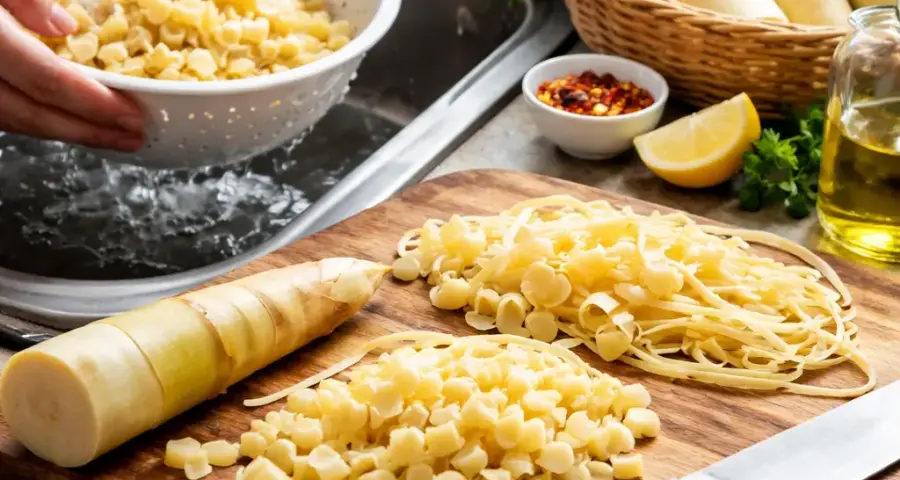
Choosing Fresh vs. Canned vs. Vacuum-Packed
If you find whole fresh rebung at an Asian market, look for firm, tightly layered shoots with a bright cut end. Avoid any with a sour smell. Canned or vacuum-packed shoots are more convenient but can have a metallic taste. Always rinse and blanch them first.
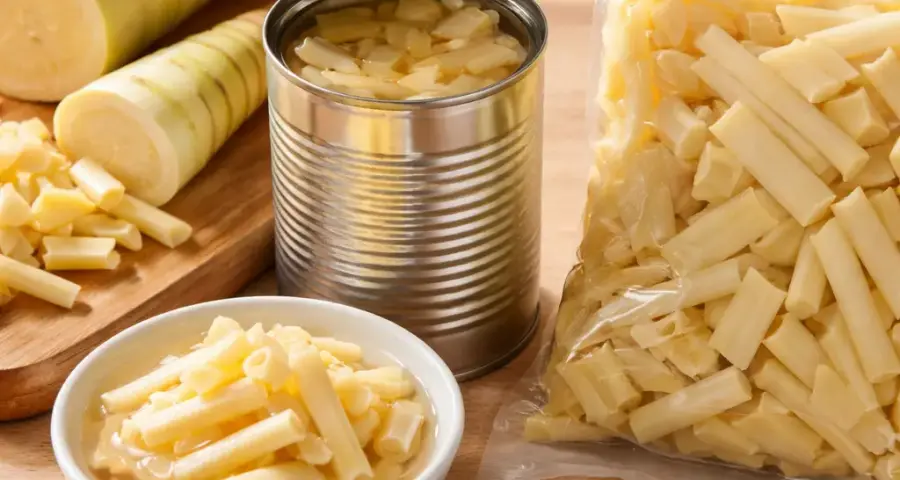
Preparation Steps You Should Not Skip
Slice the shoots lengthwise, then into thin matchsticks or small triangles. Boil them in salted water for 10–15 minutes, then drain and pat dry. This step removes naturally occurring toxins and softens the fibers. For pasta, you want them tender but still with a slight snap, not limp.
5 Easy Mistakes to Avoid with Rebung in Pasta Sauces
Mistake 1: Skipping the Pre-Boil
Raw or even parboiled rebung can taste bitter and leave an unpleasant gritty residue in your sauce. Always blanch first. This is non-negotiable whether you use fresh or preserved shoots.
Mistake 2: Pairing with Delicate, Mild Pasta Shapes
Angel hair or thin spaghetti can get overwhelmed by the texture of bamboo shoots. Choose thicker ribbons (fettuccine, tagliatelle) or shapes with ridges (rigatoni, fusilli) that can hold the pieces.
Mistake 3: Overcooking the Shoots in the Sauce
Rebung only needs 5–7 minutes in a finished sauce. Adding them at the very start of a long-simmered ragu will turn them into mush. Stir them in during the last few minutes of cooking.
Mistake 4: Ignoring Acid Balance
Rebung has a mild natural sweetness but can make a sauce feel flat if the acid level isn’t adjusted. Add a squeeze of lemon or a splash of rice vinegar to brighten the final dish.
Mistake 5: Using Only Western Herbs Exclusively
While basil and oregano work, they don’t highlight the Asian roots of the ingredient. Try adding a touch of grated ginger, lemongrass, or a dash of miso paste to create a cohesive fusion sauce.
Best Pasta Sauces for Rebung: Three Recipes to Try
Creamy Coconut Rebung Pasta Sauce
Sauté minced garlic and shallots in coconut oil. Add canned coconut milk, a tablespoon of red curry paste, and the blanched rebung. Simmer for five minutes, then toss with rice noodles or fettuccine. Top with fresh Thai basil.
Classic Tomato Rebung Pasta Sauce
Start with a base of olive oil, onion, and garlic. Add crushed tomatoes, a pinch of chili flakes, and the prepared rebung. Let it cook for 10 minutes, then stir in a pat of butter at the end. Serve with penne and Parmesan.
Rebung and Miso Pesto
In a food processor, combine blanched rebung, fresh basil, white miso paste, pine nuts, garlic, and olive oil. Pulse until chunky. Toss with warm pasta and reserved pasta water. This pesto is also great on grilled vegetables.
Pairing Suggestions and Serving Tips
Rebung in pasta sauces pairs best with light-bodied white wines like Sauvignon Blanc or a dry Riesling. If you prefer red, choose a low-tannin option like Pinot Noir. For a non-alcoholic pairing, iced green tea with a slice of lime complements the earthy notes beautifully.
Garnish with fried shallots, sliced red chili, or a sprinkle of crushed nori for extra texture and visual appeal.
Nutritional Benefits of Rebung in Pasta Sauces
Bamboo shoots are low in calories (about 20 per 100 grams) and high in fiber, which helps with digestion and satiety. They also contain potassium, copper, and a small amount of protein. Adding rebung to a pasta dish boosts its nutrient density without adding fat or sodium—especially helpful if you are watching your weight or blood pressure. For a related guide, see Rebung Pasta: 3 Smart Chef Tips for a Perfect Fusion Dish.
Useful Resources
For more background on bamboo shoot preparation and safety, visit The Spruce Eats Guide to Bamboo Shoots.
To explore fusion pasta concepts, check out Serious Eats’ Fusion Pasta Recipes.
Frequently Asked Questions About Rebung in Pasta Sauces
Can I use canned bamboo shoots directly in pasta sauce?
It is best to rinse and blanch canned shoots for one minute to remove any metallic taste before adding them to your sauce.
Do I need to peel fresh bamboo shoots before cooking?
Yes, remove the tough outer layers until you reach the pale, tender inner core. The tip is usually completely edible.
How long should I boil bamboo shoots for pasta?
Boil sliced shoots for 10–15 minutes in salted water. This removes bitterness and makes them tender enough to pair with pasta.
Can I freeze cooked rebung for later use?
Yes, blanch and drain the shoots, then freeze them in airtight bags for up to three months. Thaw directly into your sauce pan.
What pasta shapes work best with rebung?
Thicker shapes like pappardelle, fettuccine, rigatoni, or orecchiette hold the pieces better than thin spaghetti.
Is rebung suitable for gluten-free pasta dishes?
Absolutely. Rebung is naturally gluten-free and pairs well with rice noodles, chickpea pasta, or lentil pasta.
Can I use rebung in a cream-based white sauce?
Yes, its slight sweetness balances cream sauces nicely. Add a pinch of white pepper and nutmeg for depth.
Does rebung taste like bamboo? What is its flavor profile?
Cooked rebung has a mild, slightly nutty flavor similar to water chestnuts or artichoke hearts, with a firm, crunchy texture.
Can I mix rebung with meat in a bolognese-style sauce?
Yes, finely dice the rebung and add it with ground pork or chicken for extra texture without overwhelming the meat flavor.
What herbs go well with rebung in pasta?
Thai basil, cilantro, mint, and chives work wonderfully. For an Italian twist, use flat-leaf parsley and a small amount of sage.
Can I make vegan pesto with rebung?
Definitely. Blend blanched rebung with basil, nutritional yeast, olive oil, and toasted walnuts for a creamy, plant-based pesto.
Do I need to soak bamboo shoots in water before cooking?
Only if you are using dried or fermented shoots. Fresh or vacuum-packed shoots only need a brief rinse and boil.
Is there any risk of food poisoning from undercooked rebung?
Raw bamboo shoots contain cyanogenic compounds that can cause digestive discomfort. Always boil them thoroughly before use.
Can I use rebung in a cold pasta salad?
Yes, after blanching and chilling, toss the shoots with cold pasta, cherry tomatoes, cucumbers, and a sesame-ginger vinaigrette.
What is the best way to slice rebung for pasta?
Slice lengthwise into thin strips (julienne) or into small triangles about 1 cm wide so they integrate well with the pasta.
Can I incorporate rebung into a basic marinara sauce?
Certainly. Add the blanched shoots during the last five minutes of simmering so they absorb the tomato flavor without getting soft.
How do I prevent rebung from turning brown in the sauce?
Add a splash of lemon juice or vinegar to the blanching water. This helps preserve the pale color of the shoots.
Can I use frozen bamboo shoots for pasta?
Yes, but thaw them completely and pat dry before adding to the sauce to prevent excess water from diluting the flavor.
What cheese pairs well with rebung pasta?
Mild cheeses like young Pecorino, fresh goat cheese, or a creamy Gouda complement the earthy notes of bamboo shoots without overpowering them.
Is rebung a common ingredient in Indonesian pasta recipes?
It is growing in popularity, especially in fusion dishes that combine Italian pasta shapes with traditional Indonesian seasonings like sambal and kecap manis.