
Palembang rebung traditions Key Takeaways
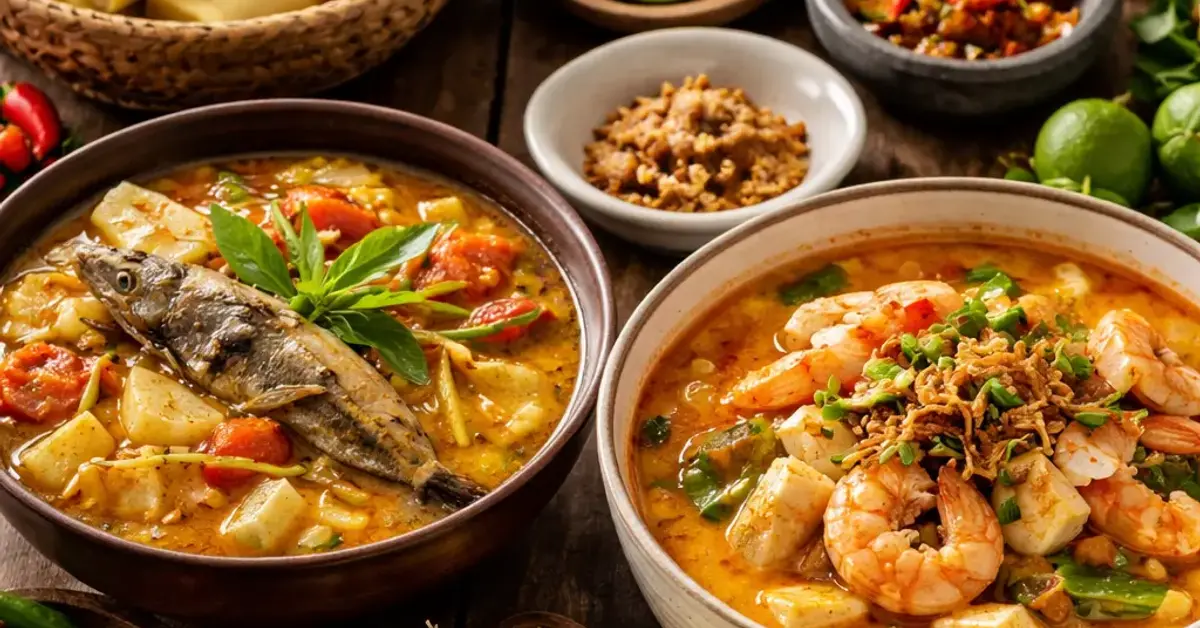
Palembang rebung traditions revolve around tender bamboo shoots turned into two iconic soups: the tangy, spice-laden Pindang and a delicate, miso-like clear broth.
- Pindang soup recipe relies on tamarind, turmeric, and lemongrass for its signature sourness and golden hue.
- The Miso-like soup Indonesia variant uses fermented shrimp paste (terasi) and soy sauce to create a savory broth reminiscent of Japanese miso.
- Both soups highlight the versatility of rebung and its deep connection to Palembang’s riverside heritage.
What Makes Palembang Rebung Traditions So Special
Palembang rebung traditions are rooted in the city’s geography. The Musi River basin nourishes vast bamboo groves, and locals have long harvested young shoots before they turn fibrous. Unlike other Indonesian regions that stir-fry rebung, Palembang prefers to simmer it in broths—a technique that preserves the shoot’s crunch while infusing it with spices. For a related guide, see Rebung Storage: Month‑by‑Month Guide for Year‑Round Use.
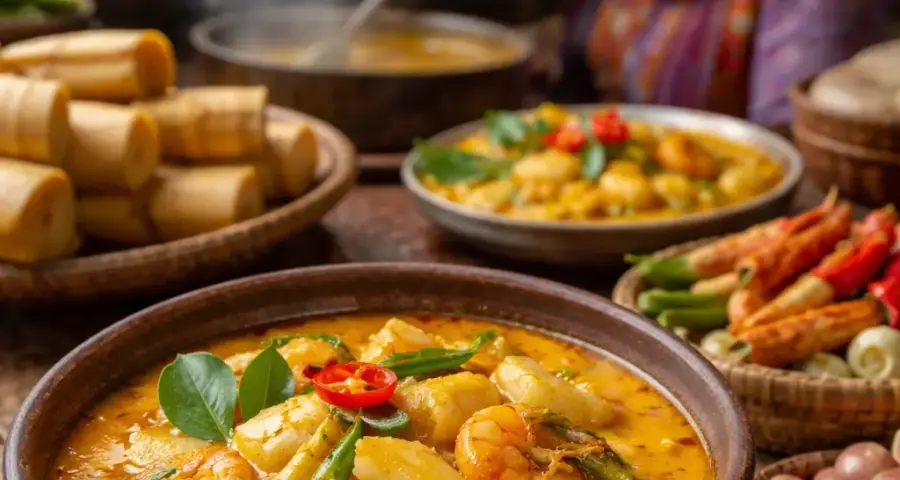
These soups were born from necessity. Fishermen needed quick, filling meals that could be cooked on boat stoves. Pindang, with its sour kick, helped preserve fish in the tropical heat. The miso-like soup, on the other hand, emerged from Chinese-Indonesian culinary exchanges along trade routes.
Today, both soups are a source of local pride. Street vendors in 16 Ilir market serve them from dawn until dusk, each bowl telling a story of adaptation and flavor.
Understanding the Key Broths: Pindang and Miso‑Like Soup
Before diving into recipes, it helps to know what sets these two broths apart. Both start with the same star ingredient—rebung—but diverge in aroma, taste, and cultural backstory.
Pindang Soup: A Tangy, Spiced Elixir
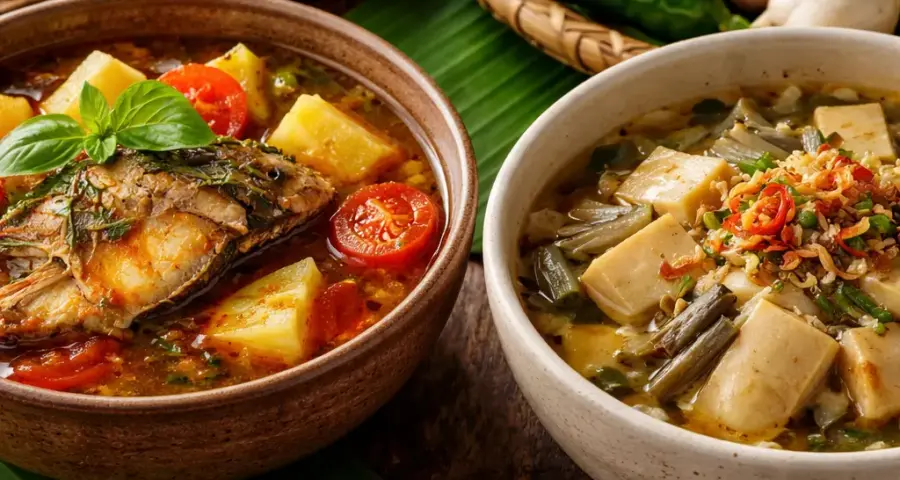
The Pindang soup recipe is a South Sumatran classic. Its base is a sour broth achieved by simmering tamarind pulp or asam kandis (a tart fruit). Turmeric gives it a deep yellow color, while lemongrass and galangal add herbal warmth. Small fish like ikan seluang or patin are often added whole, their bones softening during the long simmer.
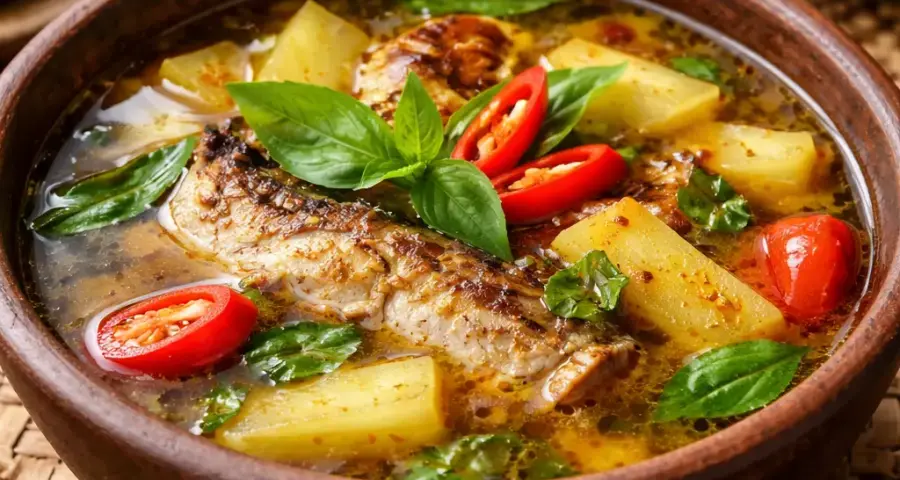
What makes this soup stand out is the balancing act: the sourness should be sharp but not puckering, the spice gentle but present. Locals often say a proper Pindang should make you pucker just enough to crave another spoonful.
The Miso‑Like Clear Broth: Savory and Umami‑Rich
This lesser-known Miso-like soup Indonesia variant uses terasi (fermented shrimp paste) and kecap manis (sweet soy sauce) to create a savory-umami profile that mirrors Japanese miso soup. Unlike Pindang, it is not sour. The broth is clear, almost transparent, with floating slivers of rebung and tofu cubes.
Chinese immigrants adapted their own clear soups by swapping miso for terasi and adding locally sourced bamboo shoots. Over generations, Palembang cooks refined it into a distinct dish that pairs beautifully with steamed rice and fried salted fish.
Cultural Significance: More Than Just Soup
Palembang rebung traditions are woven into daily life and ceremonies. Families prepare large pots of Pindang for selamatan (thanksgiving meals) and weddings. The sourness is thought to stimulate appetite and aid digestion after heavy feasts.
The miso-like broth, on the other hand, is a breakfast staple. It is served alongside pempek—the city’s iconic fishcake—as a light, warming start to the day. In Palembang, no morning is complete without a whiff of terasi-laced broth wafting from food stalls.
Both soups also carry economic meaning. Rebung harvests provide income for rural families, and the soups are a way to showcase the ingredient to visitors. For many Palembang residents, these broths are edible heritage—every spoonful connects them to generations of cooks who perfected the balance of sour, savory, and spicy.
Essential Recipe Tips for Perfect Rebung Soups
Whether you try a Pindang soup recipe or the miso-like version, a few tricks will elevate your results.
Choosing and Preparing the Bamboo Shoots
Fresh rebung is best. Look for shoots that are firm, pale yellow, and about 15–20 cm long. To remove bitterness, peel the tough outer layers, slice thinly, then boil in salted water for 10 minutes. Drain and rinse. Some cooks add a pinch of turmeric to the boiling water to reduce the earthy odor.
Building Layers of Flavor
For Pindang, start by frying the spice paste (shallots, garlic, turmeric, ginger) until fragrant before adding water and tamarind. Simmer for at least 30 minutes to marry the flavors. Add fish only in the last 10 minutes to prevent overcooking.
For the miso-like broth, fry terasi with minced garlic until it becomes aromatic—this step unlocks its full umami potential. Pour in water or light chicken stock, add kecap manis, and simmer with rebung for about 15 minutes. Finish with a dash of white pepper and green onions.
Common Mistakes to Avoid
Do not skip the pre-boiling of rebung—raw shoots can be acrid. In Pindang, too much tamarind will overpower the other spices; start with half what the recipe says and adjust. For the miso-like soup, avoid using too much terasi—a tablespoon per liter of broth is plenty.
Palembang Rebung Traditions: A Table of Key Differences
| Aspect | Pindang Soup | Miso-like Soup |
|---|---|---|
| Primary flavor | Sour, spicy | Savory, umami |
| Key seasoning | Tamarind, turmeric | Terasi, kecap manis |
| Protein added | Small fish (seluang, patin) | Tofu, sometimes shrimp |
| Broth color | Golden yellow | Clear, light brown |
| Common serving time | Lunch or ceremonial meals | Breakfast with pempek |
How to Enjoy These Soups Like a Local
In Palembang, soup is never an isolated dish. Pindang is served with a mound of steamed rice, a side of sambal (chili paste), and a handful of fresh basil leaves. Diners sip the broth from a spoon while pinching bits of fish between their fingers.
The miso-like broth, in contrast, is often eaten as a dip. You break off pieces of pempek, dunk them into the broth, and let the savory liquid soak into the fishcake. It is a messy, joyful ritual—the mark of an authentic Palembang meal.
If you visit the city, head to a kiosk in the Pasar 16 Ilir area. Look for a vendor with a large pot bubbling on a charcoal stove. The steam alone will tell you if the broth is full-flavored.
Useful Resources
To dive deeper into Indonesian soup traditions and bamboo shoot cooking, explore these reliable sources:
- Indonesia Travel: Pempek and Palembang Culinary Heritage – Official tourism site with context on how soups accompany pempek.
- Southeast Asian Archaeology: Bamboo Shoot Cooking Through History – Archaeological and historical insights on bamboo shoots in regional diets.
Conclusion: Embracing the Soups of Palembang
Palembang rebung traditions are a delicious invitation to explore South Sumatra’s culinary soul. Whether you crave the tangy comfort of Pindang or the umami simplicity of the miso-like broth, both soups prove that humble bamboo shoots can be the heart of memorable meals. The next time you see fresh rebung at a market, consider recreating these broths at home. Your kitchen will become a vessel for centuries of river-city wisdom. For a related guide, see 7 Fermenting Bamboo Shoots Mistakes to Avoid for Best Rebung Asin.
Frequently Asked Questions About Palembang rebung traditions
What is rebung?
Rebung is the Indonesian word for young bamboo shoots. They are harvested before becoming fibrous, then sliced and cooked in various dishes.
How is Pindang soup different from other Indonesian sour soups?
Pindang uses tamarind or asam kandis as the sour base, plus turmeric for color. Unlike sayur asem, it often includes whole small fish and has a stronger spice profile.
What does the miso-like soup taste like?
It is savory and umami-forward, with a mild sweetness from kecap manis. The terasi adds a fermented depth similar to Japanese miso but with a distinct shrimp-like aroma.
Can I make these soups without fresh rebung?
Yes. Canned or vacuum-packed rebung works in a pinch, but you must rinse and boil it for a few minutes to remove brine or preservative taste.
Is Pindang soup very spicy?
It has mild to moderate heat. The spiciness comes from chili peppers in the spice paste, but you can adjust the amount to your preference.
What type of fish is best for Pindang?
Traditionally, small river fish like seluang or patin are used. You can substitute tilapia, mackerel, or even chicken if you prefer.
Where did Palembang’s miso-like soup originate?
It evolved from Chinese-Indonesian fusion along historic trade routes. Local cooks replaced miso with terasi and kecap manis, creating a unique savory broth.
Is the miso-like soup vegan-friendly?
Not as traditionally made, because terasi contains shrimp. For a vegan version, substitute a plant-based fermented paste like miso or chickpea shoyu.
How long does it take to cook these soups from scratch?
About 45 to 60 minutes, including prep and simmering. The rebung pre-boil takes 10 minutes, then the broth needs 30 to 45 minutes to develop flavor.
Can I freeze leftover soup?
Yes. Both soups freeze well for up to three months. Store them in airtight containers; the flavors may deepen after thawing.
What side dishes go with these soups?
Steamed rice, sambal, fried tempeh, and fresh cucumbers are classic accompaniments. For the miso-like soup, pempek is the essential partner.
Are there vegetarian versions of Pindang?
Yes. Omit the fish and add extra tofu, mushrooms, or jackfruit. Use vegetable stock and a splash of lime for acidity.
What is the best way to reduce the bamboo flavor?
Pre-boil the shoots with a pinch of turmeric or a bay leaf. This neutralizes the earthy taste without removing the crunch.
Is this soup eaten for breakfast in Palembang?
The miso-like broth is often consumed for breakfast alongside pempek. Pindang is more common for lunch or dinner.
What drink pairs well with these soups?
Iced jasmine tea or a cold coconut water helps balance the bold flavors. Avoid sweet drinks that clash with the sour or savory notes.
Can I use dried tamarind for Pindang?
Yes. Soak dried tamarind in hot water for 10 minutes, then strain the pulp. Adjust the amount to achieve the desired sourness.
Is the miso-like soup similar to Soto?
No. Soto is typically turmeric-heavy and served with shredded chicken or eggs. The miso-like soup is lighter and relies on terasi for flavor.
What health benefits do these soups offer?
Rebung is low in calories and rich in fiber and potassium. The spices in Pindang have anti-inflammatory properties, while terasi provides probiotics.
Where can I find these soups outside Palembang?
Some Indonesian specialty restaurants in Jakarta and Surabaya serve them. In Palembang, street stalls near the Ampera Bridge are the most authentic.
Why are these soups important to Palembang culture?
They represent the city’s resourcefulness, blending local ingredients with influences from Chinese traders. They are a living tradition that families pass down through recipes.