
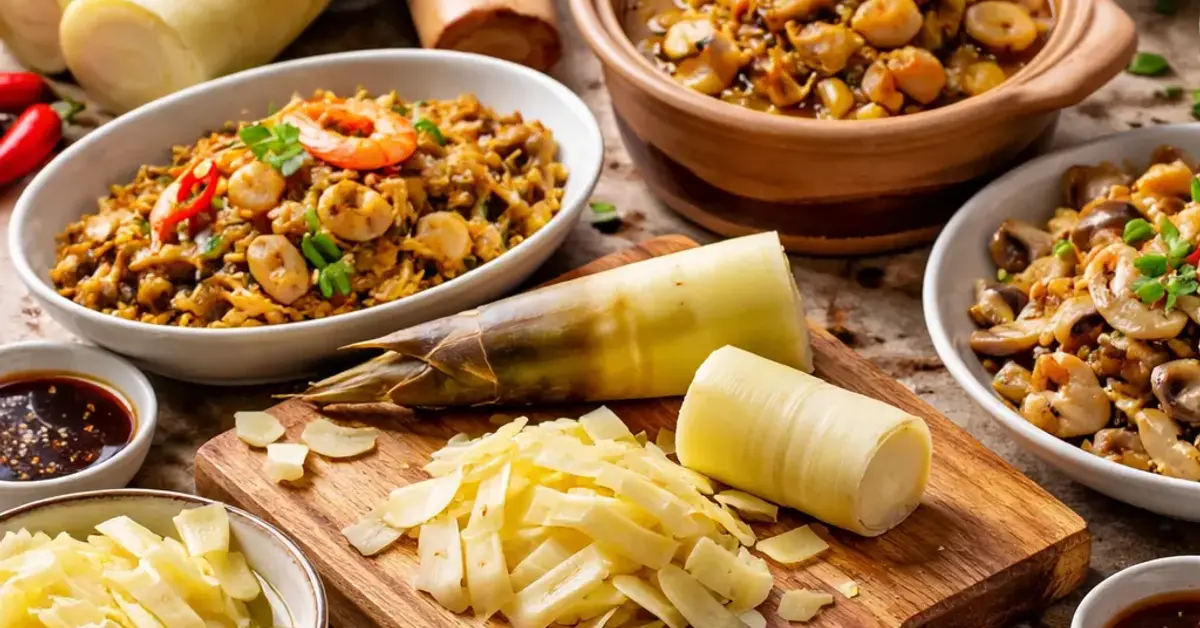
rebung Chinese-Indonesian fusion Key Takeaways
Bamboo shoots, or rebung , are a cornerstone of Southeast Asian cooking, but their true potential shines in Chinese-Indonesian fusion cuisine.
- Mastering rebung Chinese-Indonesian fusion starts with proper preparation to remove bitterness and achieve the ideal tender-crisp bite.
- Pairing rebung with classic Chinese techniques like stir-frying and braising, alongside Indonesian spices like galangal and coconut milk, creates layered flavor.
- Use the texture of bamboo shoots to contrast rich, saucy dishes or to add body to lighter vegetable-forward meals.
What Makes Rebung Chinese-Indonesian Fusion So Compelling?
Rebung Chinese-Indonesian fusion is not just a trend; it is a reflection of centuries of culinary exchange. Bamboo shoots, known as rebung in Indonesian and “zhú sǔn” in Chinese, offer a unique crunchy texture and mild, slightly sweet flavor that acts as a perfect canvas for bold spices. In traditional Chinese cooking, bamboo shoots are prized for their ability to absorb umami-rich sauces. Indonesian cuisine, on the other hand, often pairs rebung with coconut milk, chilies, and aromatic roots. The fusion of these two approaches creates dishes where the bamboo shoot maintains its character while harmonizing with both soy-based and spice-driven profiles. For a related guide, see 7 Expert Hacks for Smoking Rebung for Ultimate Flavor.
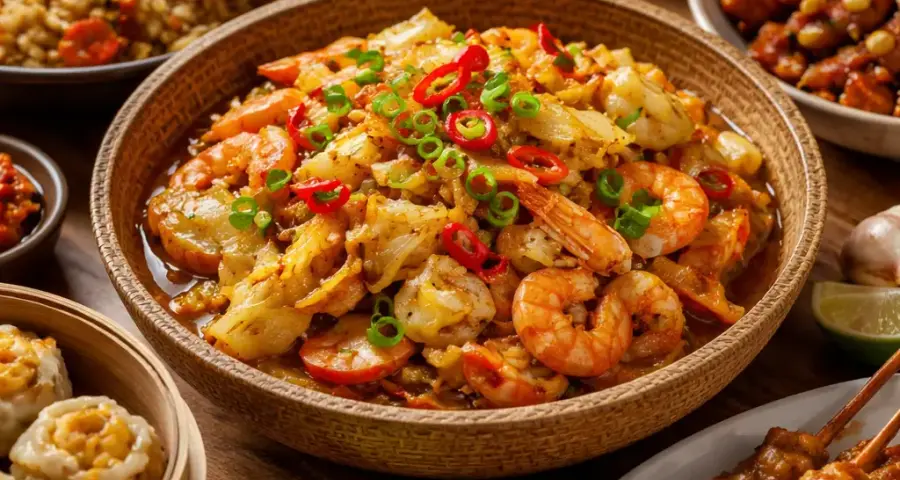
5 Tips for Perfect Rebung Chinese-Indonesian Fusion Dishes
From the market to the plate, these five tips will help you consistently achieve excellent results with rebung in a fusion context. Each tip addresses a common challenge or opportunity when working with bamboo shoots.
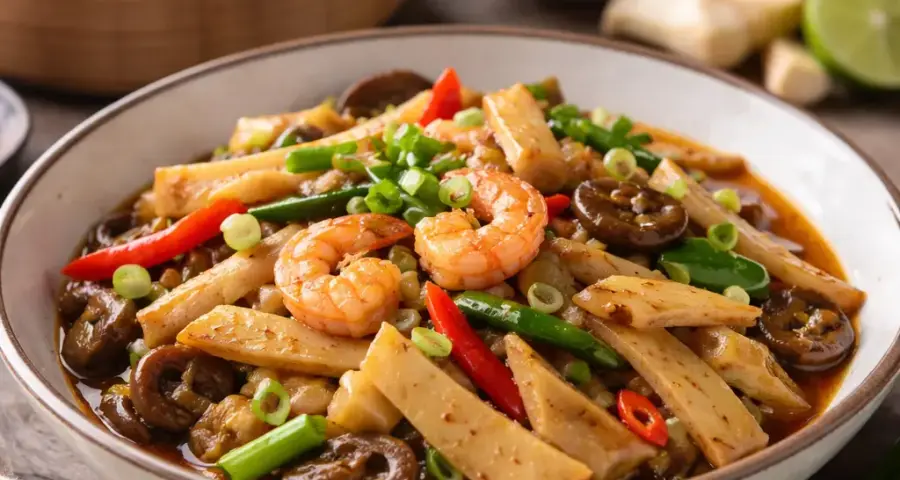
Tip 1: Select the Right Rebung for Your Dish
The first step in any rebung Chinese-Indonesian fusion recipe is choosing the right form of bamboo shoot. Fresh rebung offers the best texture and flavor but requires the most preparation. Look for firm, pale yellow shoots with tightly wrapped leaves. Canned or jarred bamboo shoots are convenient and already parboiled, making them ideal for quick weeknight stir-fries. If using fresh, opt for young shoots harvested in the rainy season—they contain fewer bitter compounds. For a related guide, see Harvest Wild Rebung Indonesia: Best Season and Timing Guide.
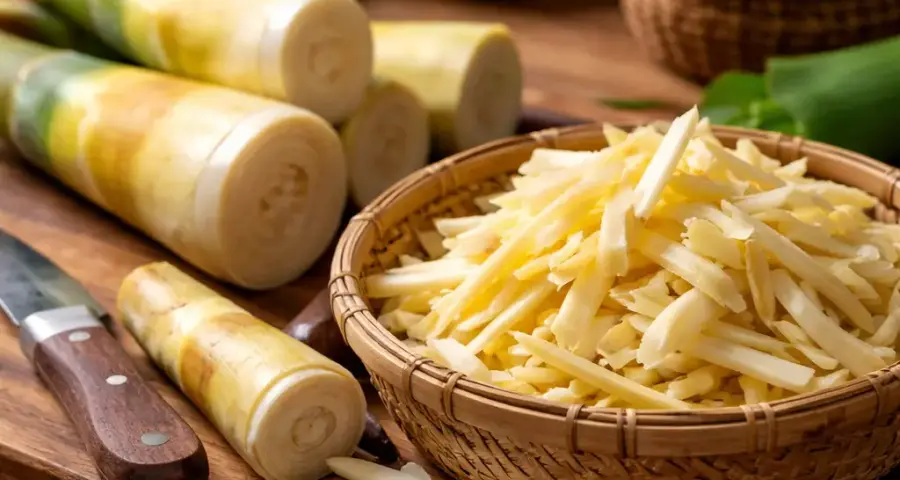
Tip 2: Remove Bitterness Through Proper Pre-Cooking
Raw bamboo shoots contain cyanogenic glycosides, which can impart an unpleasant bitterness and are toxic if consumed raw. Regardless of your recipe, always pre-cook fresh rebung. Slice the shoots thinly, then boil them in salted water for 10-15 minutes. Some Chinese-Indonesian cooks add a handful of rice washing water or a pinch of turmeric to the boil to further neutralize bitterness. After boiling, drain and rinse. This step is non-negotiable for a pleasant rebung Chinese-Indonesian fusion dish.
Tip 3: Match Texture to Cooking Method
Rebung absorbs flavors over time, but its texture changes with cooking. For rebung Chinese-Indonesian fusion, match your cut and cook time to the dish. For quick stir-fries, cut the shoots into thin matchsticks or slivers. For braised dishes like gulai rebung or Chinese red-braised bamboo shoots, cut into thicker chunks or wedges so they hold their shape. If using or canned shoots, rinse them well and add them late to stir-fries to retain crispness, or early to stews to allow flavor absorption.
Tip 4: Layer Flavors with Chinese and Indonesian Pantry Staples
The secret to standout rebung Chinese-Indonesian fusion is strategic layering. Start with a Chinese base: aromatics like garlic, ginger, and scallion, plus a splash of Shaoxing wine or light soy sauce. Then introduce Indonesian elements such as serai (lemongrass), daun salam (Indonesian bay leaves), or a spoonful of sambal oelek for heat. Coconut milk bridges both worlds, adding richness that complements soy-based sauces. A classic example is a stir-fry started with garlic and ginger, followed by rebung, then finished with kecap manis and a pinch of ground coriander.
Tip 5: Pair Rebung with Complementary Proteins and Vegetables
Rebung’s neutral flavor makes it a flexible sidekick. In rebung Chinese-Indonesian fusion cooking, pair it with proteins that bring their own character. Tofu and tempeh absorb sauces beautifully alongside bamboo shoots. Chicken thighs, shrimp, or thin slices of pork belly offer richness that counters rebung’s lean texture. For vegetables, stir-fry with bok choy, snow peas, or bell peppers for color contrast. In a curry, combine rebung with chayote (labu siam) or carrots for sweetness.
Fusion Recipe Variations to Try at Home
Put these tips into practice with three distinct recipes that showcase different applications of rebung Chinese-Indonesian fusion. Each variation emphasizes a different cooking technique and flavor profile.
Variation 1: Sambal Stir-Fried Rebung with Soy Glaze
This quick wok dish sticks to the core of rebung Chinese-Indonesian fusion. Heat oil in a wok, fry sambal ulek with minced garlic and ginger until fragrant. Add boiled rebung matchsticks and stir-fry for 2 minutes. Toss with light soy sauce, kecap manis, and a dash of Chinese black vinegar. Finish with sliced red chili and fried shallots. Serve over steamed jasmine rice.
Variation 2: Rebung and Tofu in Coconut Broth (Lodeh Fusion)
A cross between Indonesian sayur lodeh and a Chinese-style tofu soup. Sauté shallots, garlic, and galangal. Add coconut milk, vegetable broth, and a piece of dried kombu. Simmer with thick chunks of boiled rebung, firm tofu cubes, and green beans. Season with salt, a little sugar, and white pepper. This dish highlights how coconut milk softens rebung into a luxurious texture.
Variation 3: Red-Braised Rebung with Star Anise
Inspired by Chinese hong shao (red braising), this version swaps pork belly for rebung. Pan-fry the boiled bamboo shoot chunks until lightly golden. Add a braising liquid of soy sauce, dark soy sauce, rock sugar, star anise, cinnamon stick, and water. Simmer for 20 minutes until the sauce thickens and the rebung turns mahogany. A perfect side dish or a vegetarian main with steamed buns.
How to Adjust Rebung Chinese-Indonesian Fusion Dishes for Dietary Needs
These recipes are inherently adaptable. For a gluten-free version, use tamari or coconut aminos in place of soy sauce. For a vegan meal, skip shrimp paste in sambal and use mushroom powder for umami. The naturally low-calorie and fiber-rich rebung makes these dishes both satisfying and light. For those avoiding high sodium, reduce kecap manis and rely on fresh herbs and chilies for seasoning.
Common Mistakes When Cooking Rebung Chinese-Indonesian Fusion
Avoid these frequent pitfalls to elevate your cooking. Undercooking fresh rebung leads to a bitter, hard texture that ruins the dish. Overcooking canned rebung turns it mushy—add it only during the last few minutes of stir-frying. Another mistake is skipping the rinse for canned shoots; the brine can make the dish overly salty. Finally, do not pair rebung with overly delicate ingredients like soft herbs; its firm texture clashes with tender leaves. Instead, use sturdy greens like bok choy or kale.
Useful Resources
Explore these trusted sources for more on bamboo shoot preparation and fusion cooking techniques.
- Serious Eats: The Complete Guide to Preparing Bamboo Shoots — A detailed guide on selection, cleaning, and pre-cooking bamboo shoots.
- Kitchn: Everything You Need to Know About Bamboo Shoots — A practical resource covering storage, varieties, and simple recipes.
Frequently Asked Questions About rebung Chinese-Indonesian fusion
Can I use frozen bamboo shoots for rebung Chinese-Indonesian fusion?
Yes, frozen bamboo shoots work well and are often pre-blanched. Thaw them in the refrigerator, then drain and pat dry before cooking. They have a slightly softer texture than fresh but absorb marinades effectively.
How long should I boil fresh rebung before using it in a stir-fry?
Boil fresh rebung for 10 to 15 minutes in salted water. Thicker slices may need up to 20 minutes. Drain and rinse immediately to stop the cooking process.
What is the best oil for stir-frying rebung ?
Peanut oil or avocado oil are excellent choices due to their high smoke points. For added flavor, use a small amount of sesame oil at the end of cooking.
Are canned bamboo shoots already pre-cooked?
Yes, most canned bamboo shoots are pre-cooked. They are safe to eat straight from the can, but rinsing and a quick stir-fry improves flavor and texture.
Can I make rebung Chinese-Indonesian fusion dishes spicy?
Absolutely. Add sambal oelek, bird’s eye chilies, or chili crisp during stir-frying. Indonesian cuisine often uses heat, while Chinese mild sauces balance the spice.
What does rebung taste like in fusion cooking?
Rebung has a mild, slightly sweet and earthy flavor with a crunchy texture. When cooked in Chinese-Indonesian fusion, it soaks up soy sauce, chilies, and coconut milk without becoming mushy.
Is rebung high in nutrients?
Yes, rebung is low in calories, high in fiber, and contains potassium, vitamin B6, and antioxidants. It is a healthy addition to any stir-fry or curry.
Can I substitute rebung with another vegetable?
Water chestnuts or jicama provide a similar crunch, but the flavor profile changes. For the best authenticity, stick with bamboo shoots.
Do I need to peel fresh bamboo shoots?
Yes, remove the tough outer leaves until you reach the tender pale core. Trim the base and slice according to your recipe.
What is the role of coconut milk in rebung Chinese-Indonesian fusion?
Coconut milk adds richness, creaminess, and a slight sweetness that balances the earthy bamboo shoots and spicy seasonings.
Can I use dried bamboo shoots?
Dried bamboo shoots require overnight soaking and longer cooking. They have a concentrated flavor and chewier texture. Use them in braised dishes for deep umami.
How should I store leftover cooked rebung ?
Store in an airtight container in the refrigerator for up to 3 days. Reheat in a wok or microwave. The texture may soften but flavors meld overnight.
What are typical Chinese-Indonesian fusion spices for rebung ?
Common spices include garlic, ginger, star anise, coriander, turmeric, galangal, lemongrass, and candlenuts. Soy sauce and kecap manis provide the savory-sweet base.
Can rebung be eaten raw in salads?
Fresh rebung must be cooked to remove toxins. Canned shoots can be used cold in salads after rinsing, as they are already cooked.
How do I cut rebung for stir-fry?
Slice thinly into matchsticks or small diagonal pieces for even cooking and quick flavor absorption.
Is there a difference between Chinese and Indonesian bamboo shoots?
Both come from similar bamboo species. Chinese cooking often uses spring shoots, while Indonesian cuisine favors smaller, tenderer varieties. Preparation methods overlap.
What is a good beginner rebung fusion recipe?
Start with a simple stir-fry: garlic, ginger, canned rebung, soy sauce, and a dollop of sambal. Cook for 3 minutes and serve with rice.
Can I combine rebung with seafood?
Yes, shrimp, squid, and white fish pair well. Add seafood at the end to avoid overcooking. The rebung provides a crunchy contrast to tender seafood.
What is the origin of rebung Chinese-Indonesian fusion cuisine?
This fusion emerged from Chinese immigrants in Indonesia adapting their cooking techniques to local ingredients like rebung, coconut milk, and galangal.
How can I increase umami in a rebung dish?
Add a splash of fish sauce, mushroom powder, or a piece of kombu while braising. Dark soy sauce also deepens the savory flavor.