
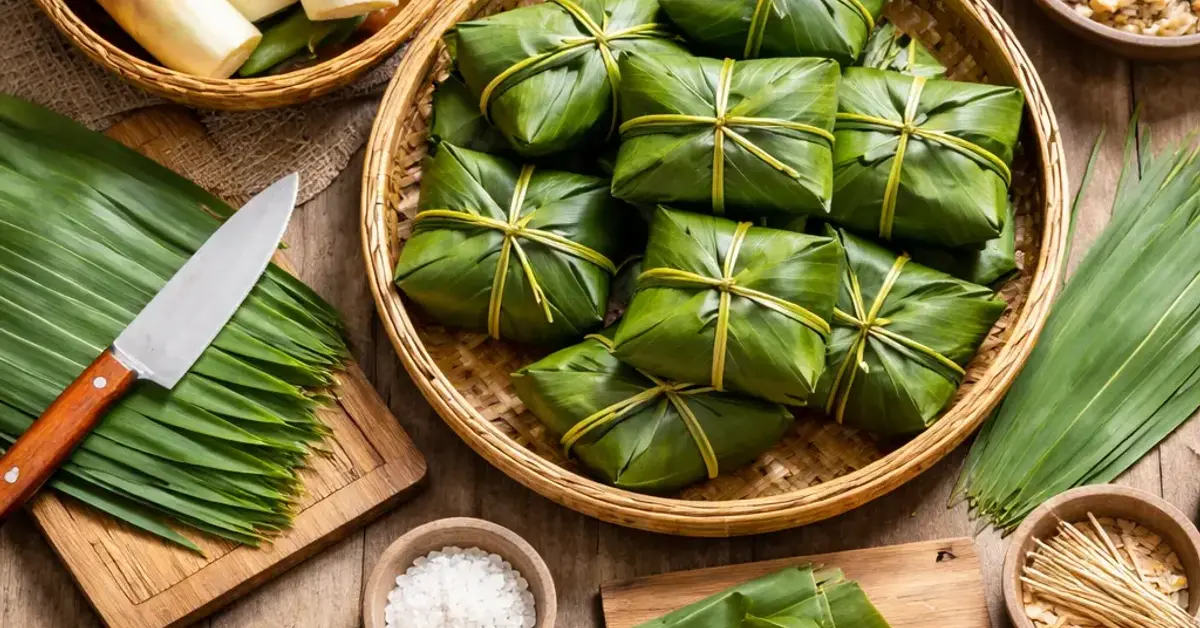
bamboo shoot leaf wrappers Key Takeaways
Bamboo shoot leaf wrappers are versatile, biodegradable wraps made from the outer leaves of bamboo shoots.
- Learn how to select and prepare fresh or dried bamboo shoot leaf wrappers for cooking.
- Master three essential folding techniques: envelope, bundle, and triangle.
- Discover the best cooking methods—steaming, boiling, and grilling—for different dishes.
What Are Bamboo Shoot Leaf Wrappers and Why Use Them?
Bamboo shoot leaf wrappers are the large, flexible outer leaves harvested from bamboo shoots (usually young shoots from species like Phyllostachys edulis or Bambusa vulgaris). They are used to encase fillings—such as sticky rice, minced meat, or vegetables—before cooking. The leaves impart a mild, grassy fragrance and prevent the filling from drying out. For a related guide, see 5 Easy Steps to Make Rebung Pizza Topping at Home.
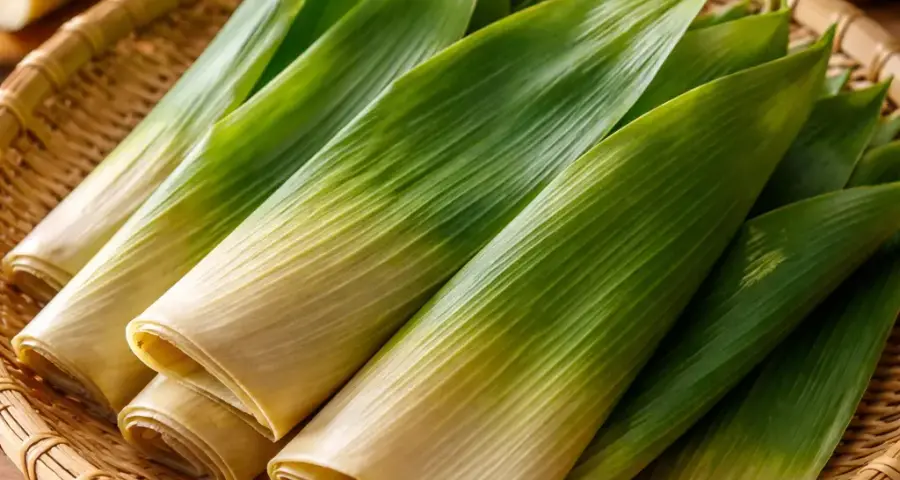
Compared to banana leaves or corn husks, bamboo shoot leaves are thinner and more pliable once soaked. They are also fully compostable, making them an eco-friendly choice for home cooks and professional chefs alike.
How to Prepare Bamboo Shoot Leaf Wrappers for Cooking
Proper preparation ensures your wrappers are pliable, clean, and free of bitterness. Follow these steps before you start folding.
Step 1: Select the Right Leaves
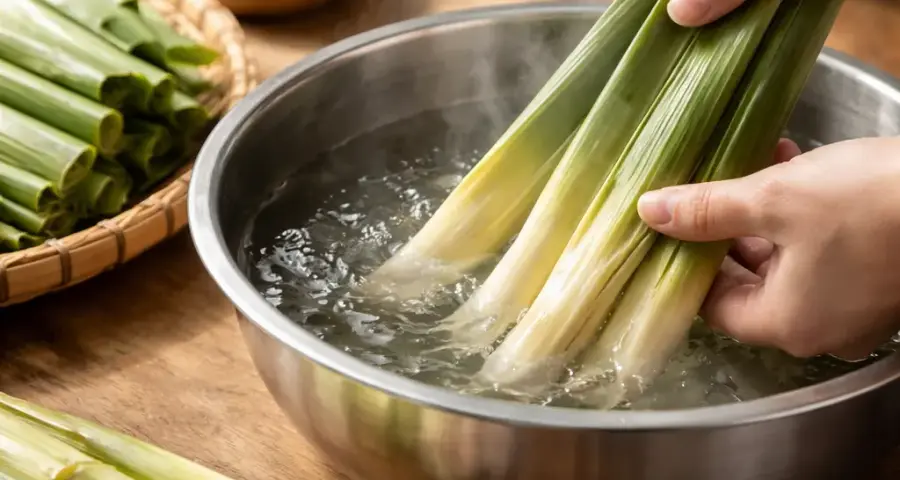
Choose leaves that are intact, at least 8–12 inches long, and free from holes or tears. Fresh leaves are bright green and flexible; dried leaves are tan and brittle until rehydrated. Avoid leaves with yellow spots or a musty smell.
Step 2: Clean and Blanch the Leaves
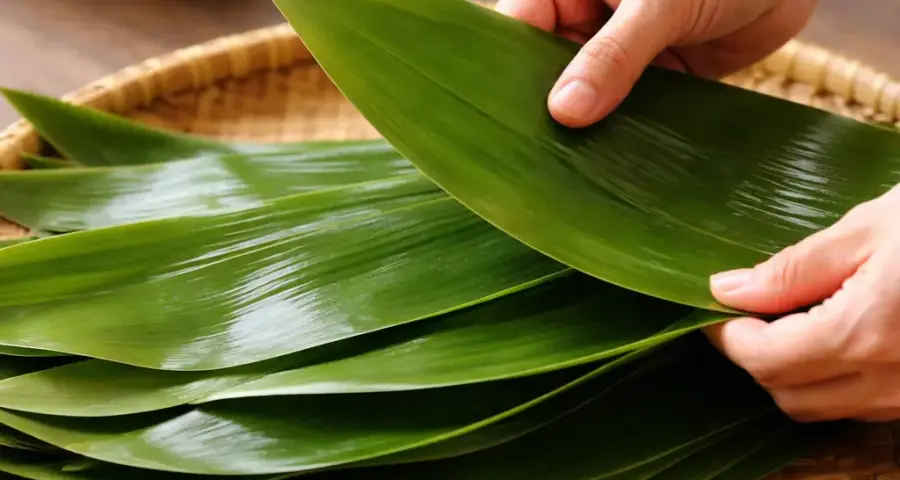
Rinse each leaf under cold running water to remove dirt or insects. Bring a large pot of water to a boil and blanch the leaves for 1–2 minutes. This softens the fibers and reduces any astringent taste. Immediately transfer the leaves to a bowl of ice water to stop cooking and set the color.
Step 3: Trim and Soak
Using kitchen scissors, trim off the tough base stem and any ragged edges. If using dried leaves, soak them in warm water for 20–30 minutes until pliable. For fresh leaves, a quick 5-minute soak in cool water is sufficient.
Step-by-Step Folding Techniques for Bamboo Shoot Leaf Wrappers
Mastering three basic folds will let you wrap almost any filling securely. Each technique works best with leaves that have been softened and patted dry.
Envelope Fold
Place the leaf flat with the shiny side down. Spoon 2–3 tablespoons of filling in the center. Fold the bottom edge up over the filling, then fold the sides inward. Roll the package away from you to seal. Secure with kitchen twine or a toothpick. Ideal for rectangular parcels like zongzi or tamales.
Bundle Fold
Lay two leaves overlapping slightly to form a wider surface. Place filling in the center. Gather the edges together above the filling, twist, and tie with string. This creates a pouch shape perfect for leafy greens or fish. The bundle fold keeps juices from leaking.
Triangle Fold
Fold the leaf in half lengthwise to create a crease. Unfold and place filling near one end. Fold that end over the filling at a 45-degree angle, then continue folding in a triangle pattern (like folding a flag). Tuck the final flap under. This technique is traditional for sticky rice dumplings and holds up well during long steaming.
Cooking Methods for Bamboo Shoot Leaf Wrappers
Choosing the right cooking method enhances the texture and flavor of both the wrapper and the filling.
Steaming
Steaming is the gentlest method and works for almost any filling. Arrange wrapped parcels in a steamer basket, leaving space between them for steam circulation. Steam over high heat for 20–40 minutes depending on size. The leaves become tender and release their aroma without becoming soggy.
Boiling
Boiling is best for dense fillings like rice or beans. Submerge the wrapped parcels in a pot of boiling water. Reduce heat to medium and cook for 45 minutes to 1 hour. Boiling softens the leaves further and melds flavors, but can cause delicate parcels to unravel if not tied tightly.
Grilling
Grilling adds a smoky char that pairs well with meat or fish fillings. Grill wrapped parcels over medium heat for 10–15 minutes, turning once. The outer leaf may blacken slightly, which is normal and adds flavor. Brush with oil to prevent sticking.
Troubleshooting Common Issues with Bamboo Shoot Leaf Wrappers
Even experienced cooks encounter problems. Here’s how to fix them.
Leaves Tear During Folding
If leaves tear, they were either too dry or too old. Soak fresh leaves longer (up to 10 minutes) and discard any that show brittleness. For dried leaves, extend the soaking time to 45 minutes and handle gently.
Fillings Leak While Cooking
Leakage usually means the fold was loose or the leaf was too small for the amount of filling. Use two overlapping leaves for larger portions, and tie the parcel securely with twine. Avoid overstuffing.
Bitter or Astringent Taste
Bitterness often comes from under-blanched or old leaves. Always blanch fresh leaves for at least 2 minutes. If the taste persists, add a pinch of salt to the blanching water. Dried leaves rarely cause bitterness if prepared properly.
Tips for Perfect Bamboo Shoot Leaf Wrappers Every Time
- Use leaves of similar size for uniform cooking. Mixing large and small leaves leads to inconsistent doneness.
- Pre-soak cooking twine in water to prevent it from burning during grilling or boiling.
- Brush leaves with a thin layer of oil before filling to help release the parcel after cooking.
- If you are new to wrapping, practice with dry rice or beans before using sticky fillings.
- Store unused prepared leaves in the refrigerator, wrapped in a damp towel, for up to 3 days.
Useful Resources
For more on bamboo leaf preparation techniques, see The Spruce Eats guide to tropical leaves or Serious Eats article on steaming methods.
Frequently Asked Questions About bamboo shoot leaf wrappers
Can I use bamboo shoot leaf wrappers for dessert dishes?
Yes. Their mild flavor works well with sweet fillings like red bean paste, coconut rice, or taro. Steaming is the preferred method for desserts.
Where can I buy bamboo shoot leaf wrappers ?
Asian grocery stores, specialty online retailers, and farmers’ markets in bamboo-growing regions sell them. Dried leaves are more widely available year-round.
How long do bamboo shoot leaf wrappers last in storage?
Fresh leaves last 3–5 days in the refrigerator. Dried leaves store for up to 1 year in a cool, dark cabinet. Freezing is not recommended as thawing damages the cell structure.
Do I need to remove the leaves before eating?
Yes. The leaves are tough and fibrous, not meant to be eaten. Unwrap the parcel before consuming the filling. In some dishes, the leaves are used as a serving vessel.
Can I microwave food wrapped in bamboo shoot leaves?
No. Microwaving dries out the leaves quickly and can cause them to become brittle or catch fire. Stick to steaming, boiling, or grilling.
Are bamboo shoot leaf wrappers gluten-free?
Yes. The leaves are naturally gluten-free. However, always check the fillings if serving someone with celiac disease.
How many leaves do I need per serving?
One medium leaf typically wraps one serving (about 3–4 ounces of filling). For larger portions, use two leaves overlapping at the center.
Can I reuse bamboo shoot leaf wrappers ?
No. The leaves become too soft and torn after cooking to reuse. Compost them instead.
What dishes commonly use bamboo shoot leaf wrappers ?
Chinese zongzi, Filipino suman, Thai khao tom, and Vietnamese bánh ít are traditional examples. They also work for stuffed fish fillets and vegetable packets.
Is it safe to forage bamboo leaves in the wild?
If you are certain of the bamboo species, yes. But many ornamental bamboos are treated with pesticides. Always wash thoroughly. Purchase from a reliable source to avoid risk.
Do I need to score the leaves before folding?
Scoring is optional. Lightly scoring the vein side helps the leaf bend without cracking, but blanching usually softens them enough.
Can I use bamboo shoot leaf wrappers for baking in the oven?
Yes. Wrap the parcels in foil first to prevent the leaves from drying out. Bake at 350°F for 25–35 minutes.
How do I prevent the leaves from unrolling during cooking?
Secure each parcel with two pieces of kitchen twine, crisscrossed. Alternatively, use a toothpick to pin the final flap. Avoid metal staples.
What is the difference between bamboo leaves and bamboo shoot leaves?
Bamboo leaves come from mature bamboo culms and are often larger and tougher. Bamboo shoot leaves are from young shoots and are more tender and aromatic. For a related guide, see 7 Essential Rebung Balinese Dishes: Expert Guide to Lawar, Jukut and Sate Lilit.
Can I eat the leaf if it is very thin?
Even thin shoot leaves are too fibrous to digest comfortably. They are intended only as a wrapper, not as food.
Do I need to oil the leaves before filling?
Lightly oiling prevents the filling from sticking to the leaf. Use a neutral oil like vegetable or coconut oil. Skip this step if the filling is fatty.
Why are my leaves turning gray after blanching?
Graying can occur if the water is too alkaline or if the leaves are overcooked. Add 1 teaspoon of lemon juice or vinegar to the blanching water to preserve color.
Can I use bamboo shoot leaf wrappers for cold dishes?
They are best suited for hot cooking. For cold wraps, consider using lettuce or rice paper instead, as bamboo leaves become chewy when not heated.
Are there any cultural tips for serving wrapped dishes?
In many Asian traditions, wrapped foods symbolize unity and good fortune. Serve them on a communal plate with scissors for cutting the twine. Never serve a torn wrapper as it may be considered unlucky.
What is bamboo shoot leaf wrappers ?
bamboo shoot leaf wrappers is covered in the guide above with practical context, useful examples, and details readers can use to make a better decision.