
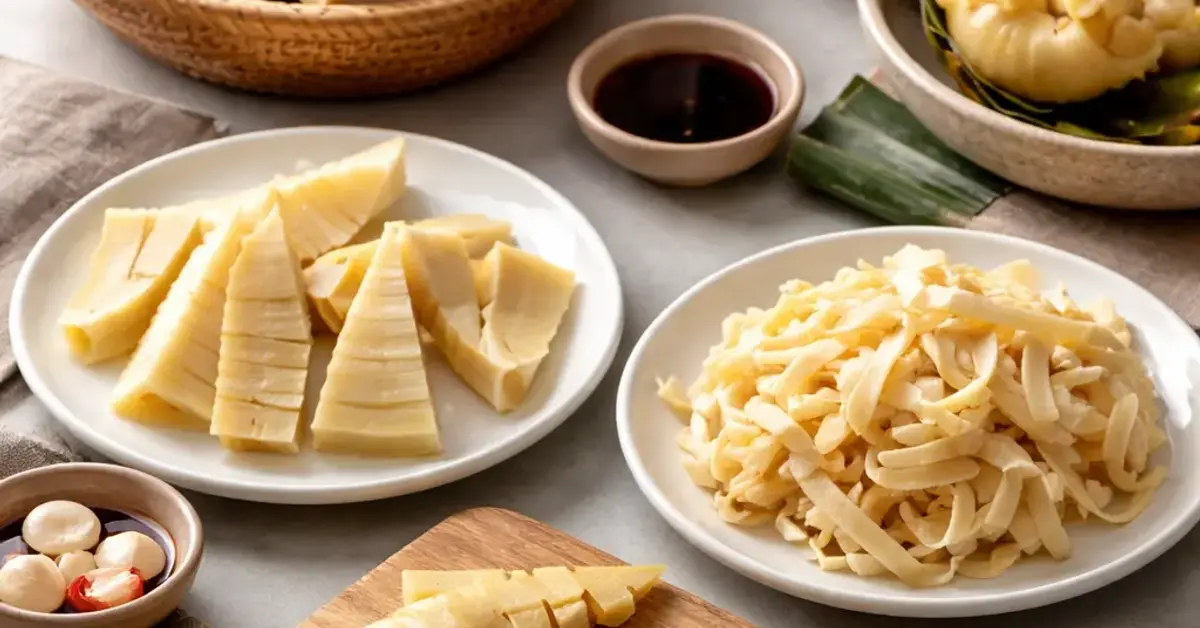
Rebung for Bamboo Shoots substitution Key Takeaways
Rebung (young bamboo shoots) is a fresh, tender alternative to canned or dried bamboo shoots in Chinese cuisine.
- Rebung for Bamboo Shoots substitution works best in quick-cooking dishes where a subtle sweetness and soft crunch are desired.
- Use a 1:1 ratio by volume after peeling and parboiling rebung to remove any bitter notes.
- Preparation is key – proper peeling and boiling ensure the texture and flavor mimic common bamboo shoot varieties.
What Is Rebung and How Does It Compare to Bamboo Shoots?
Rebung is the Malay and Indonesian term for the very young shoots of certain bamboo species, harvested when they are still tender and enclosed in overlapping sheaths. In contrast, the term bamboo shoots in Chinese cooking typically refers to either canned, water-packed shoots or dried, fermented varieties like suān sǔn or dōng sǔn. The key difference lies in maturity: rebung is harvested earlier, which gives it a finer, crispier texture and a less pronounced earthy flavor. For a related guide, see Rebung in Pasta Sauces: 5 Easy Mistakes to Avoid.
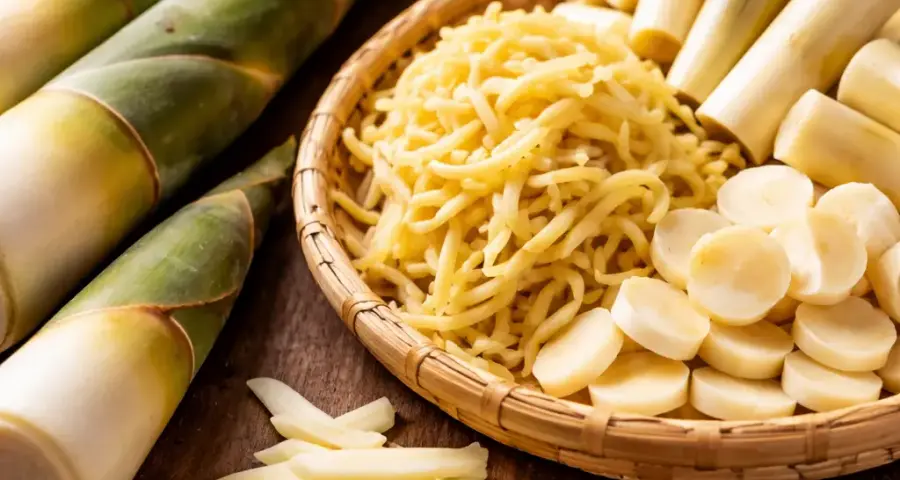
When you substitute rebung for bamboo shoots in Chinese recipes, you are swapping a fresh, mildly sweet ingredient for one that often has a brinier or more robust taste. This can be an advantage in delicate dishes, but it requires a few simple adjustments to retain the authentic flavor profile.
Key Substitution Ratios and Preparation Tips for Rebung
Getting the ratio right is straightforward, but preparation makes all the difference. Here is how to handle rebung so it behaves like a proper bamboo shoot in your stir-fry or soup.
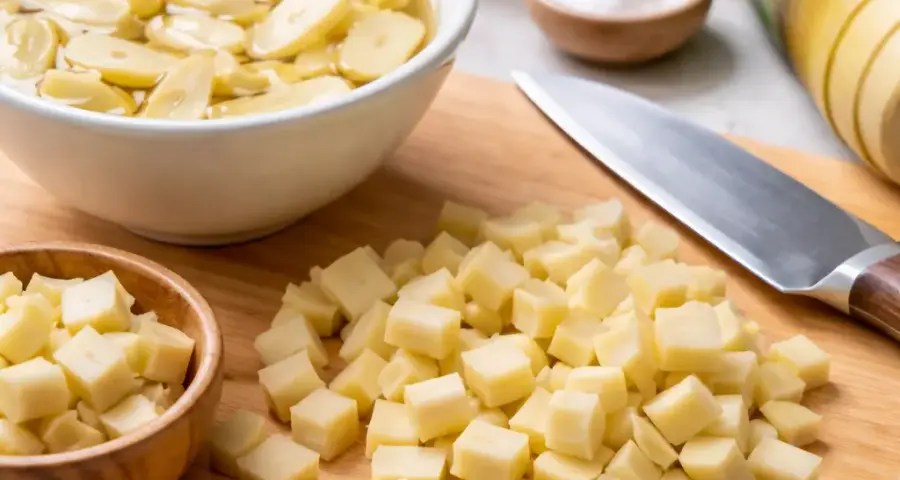
Peeling and Parboiling Rebung
Start by removing the tough outer layers. Unlike canned bamboo shoots, which come pre-cooked and ready to use, rebung needs a brief boil. Slice the peeled shoot into your desired shape (julienne, chunks, or slices), then blanch in salted water for 3 to 5 minutes. This step removes any trace of bitterness and softens the shoot to a texture similar to parboiled bamboo shoots. For a related guide, see Rebung Chips: Easy 4-Step Guide to Crispy Keripik Rebung.
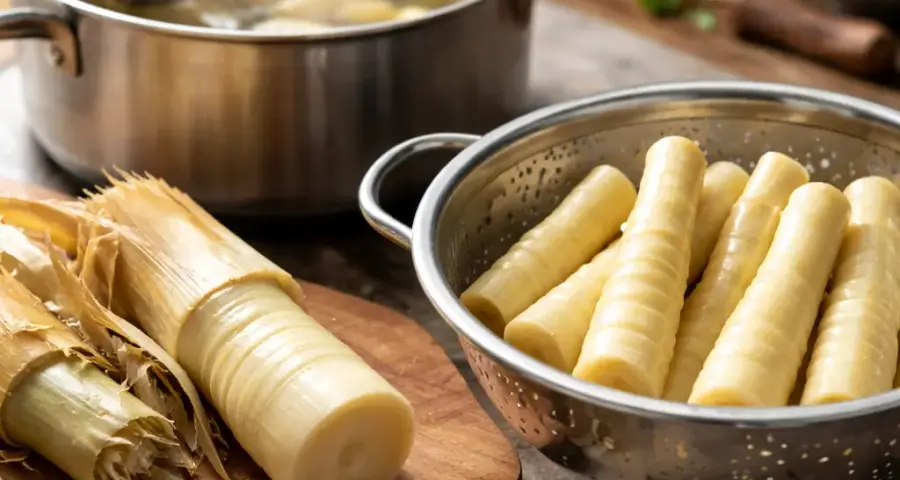
Substitution Ratio by Volume
Use a 1:1 ratio of prepared rebung (after peeling and parboiling) to the amount of bamboo shoots called for in the recipe. If the recipe specifies canned shoots, drain them first and then measure. For dried bamboo shoots, rehydrate according to the package, then replace with the same volume of blanched rebung.
Flavor Adjustments
Because rebung is milder, you may want to boost the savory notes with a splash of light soy sauce, a pinch of white pepper, or a dash of sesame oil. In broth-based dishes, adding a small piece of kombu or a bit of vegetable stock powder can help bridge the flavor gap.
Recipe-Specific Adjustments for Rebung
The success of a rebung substitute depends on the cooking method. Here is a breakdown of how to adapt three common Chinese dish categories.
Stir-Fries
In high-heat stir-fries like kung pao chicken or mapo tofu with bamboo shoots, add the rebung during the last 1–2 minutes of cooking. Since it is already parboiled, it only needs to heat through and absorb the sauce. Overcooking will make it limp. Toss it with the aromatics (garlic, ginger, chili) before adding the sauce for the best flavor infusion.
Soups and Braises
Soups, such as hot and sour soup or winter melon soup, are ideal for rebung because the gentle simmer allows its sweetness to meld with the broth. Add the blanched shoots 5 to 7 minutes before serving. For braised dishes like red-braised pork belly, stir them in during the final 10 minutes of simmering to preserve their structure.
Cold Appetizers and Salads
For recipes that feature raw or lightly pickled bamboo shoots (common in Sichuan cold dishes), blanch the rebung, then shock it in an ice bath to maintain crunch. Marinate it in a mixture of rice vinegar, chili oil, sugar, and salt for at least 30 minutes before serving. This transforms the shoot into a tangy, refreshing element.
Common Mistakes When Substituting Rebung
Avoid these pitfalls to keep your dish authentic.
Using Rebung Without Parboiling
Raw rebung can be slightly acrid and tough. Always parboil it to soften the fibers and mellow the flavor. Skipping this step can result in a bitter aftertaste that clashes with Chinese seasoning.
Cutting Pieces Too Large or Too Small
Mimic the usual cut of bamboo shoots in the recipe. For stir-fries, thin matchsticks work best. In soups, bite-sized cubes or slices allow even cooking. Uniformity ensures every piece is cooked to the same tenderness.
Overcooking in High Heat
Once parboiled, rebung turns mushy if cooked too long. Add it late in the process and simmer gently. If you are braising, reduce the heat and cover the pot after adding the shoots.
Useful Resources
For more detailed information on preparing bamboo shoots and their alternatives, consult these trusted sources:
- The Spruce Eats: Guide to Bamboo Shoot Substitutes – A comprehensive overview of different types of bamboo shoots and how to swap them.
- Omnivore’s Cookbook: How to Cook Bamboo Shoots – Chinese home-cooking tips that translate well for rebung.
In summary, rebung for bamboo shoots substitution is a practical way to enjoy fresh, crisp shoots in your Chinese cooking. With proper peeling, blanching, and timing adjustments, you can achieve a result that rivals – and in some dishes even surpasses – the original. Experiment with the tips above and you will quickly get a feel for how rebung behaves in different recipes.
Frequently Asked Questions About Rebung for Bamboo Shoots substitution
Can I use rebung raw in salads?
It is best to blanch rebung first to remove bitterness and improve texture. After blanching, you can use it raw in marinated cold dishes.
What is the best way to store fresh rebung?
Store unpeeled rebung in a plastic bag in the refrigerator for up to 5 days. Peel and blanch it only when ready to use.
Do I need to soak dried bamboo shoots before substituting with rebung?
No, rebung replaces fresh or canned shoots directly. If the recipe calls for dried shoots, rehydrate them first, then substitute with an equal volume of blanched rebung.
Can I freeze blanched rebung?
Yes, blanch the shoots, drain well, and freeze in airtight bags for up to 3 months. Thaw in the refrigerator before using in cooked dishes.
Does rebung taste different from canned bamboo shoots?
Yes, rebung substitute has a fresher, sweeter taste and a firmer crunch compared to canned shoots, which can be briny and soft.
What type of bamboo shoot is most common in Chinese recipes?
Winter bamboo shoots (dōng sǔn) and spring bamboo shoots (chūn sǔn) are widely used in Chinese cooking. Rebung is closest in texture to spring shoots.
Is rebung the same as bamboo shoot tip?
Rebung refers to the whole young shoot, not just the tip. Both are tender, but the tip of any bamboo shoot is even more delicate and requires less cooking time.
Can I use rebung in hot pot?
Absolutely. Blanched rebung works beautifully in hot pot – add it to the broth for the last 2 minutes so it stays crisp.
Why is my rebung bitter even after boiling?
Bitterness can remain if the shoot is very mature or if you did not remove all the tough outer layers. Peel deeper until you reach the whitish inner flesh and boil in salted water.
Can I substitute rebung for bamboo shoots in dumpling fillings?
Yes, but chop the rebung finely and squeeze out excess water after parboiling so it does not make the filling watery.
How long should I boil rebung for optimal texture?
Boil peeled, sliced rebound in salted water for 3–5 minutes. For whole small shoots, extend to 7–10 minutes.
Does rebung need to be peeled before cooking?
Yes. The fibrous outer sheaths must be stripped away completely. Only the tender pale core is used.
Can I eat rebung if I have a bamboo allergy?
Rebung is a type of bamboo shoot, so it may trigger allergic reactions in individuals sensitive to bamboo. Consult your doctor before consumption.
What dishes benefit most from rebung’s mild flavor?
Light soups, clear broths, and delicate stir-fries like vegetable lo mein or chicken with bamboo shoots highlight its subtle sweetness.
Can I substitute rebung for pickled bamboo shoots?
For pickled types like suan sun (sour bamboo shoots), rebung alone will not provide the same tang. Marinate blanched rebung in vinegar and salt to approximate the flavor.
Is there a difference between fresh rebung and frozen rebung?
Fresh rebung has a better crunch and flavor. Frozen rebung tends to be softer after thawing, so it is better suited for soups and braises than stir-fries.
How do I know if rebung is still fresh?
Look for firm, tightly wrapped sheaths with no sliminess. The cut end should be white or pale yellow, not brown or mushy.
Can I use the tough outer leaves of rebung for stock?
Yes, the outer layers can be simmered in water to add a mild bamboo flavor to stocks. Strain them out before using the stock.
Should I add rebung to a curry?
Rebung works well in coconut-based curries, but add it early enough to absorb the spices. Parboil first and let it simmer for 10 minutes in the curry broth.
Can I substitute rebung for bamboo shoots in ma po tofu?
Yes, dice the blanched rebung into small cubes and add it just before the tofu to keep it from crumbling.