

Rebung’s natural enzymes as a meat tenderizer Key Takeaways
Rebung, the young shoot of bamboo, contains proteolytic enzymes that break down tough meat fibers naturally.
- Rebung’s natural enzymes as a meat tenderizer come from papain-like proteases found in fresh bamboo shoots.
- Three methods — paste, juice, and cooking liquid — suit different cuts and prep times.
- Proper timing prevents over-tenderizing, which can turn meat mushy.
What Is Rebung and Why Its Enzymes Tenderize Meat
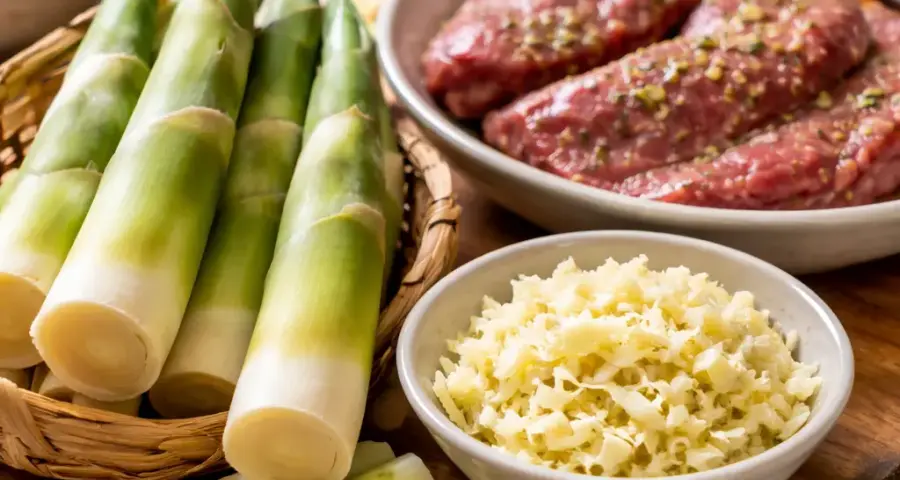
Rebung refers to the tender, young shoots of bamboo (Bambusoideae), a staple ingredient in many Asian cuisines. Inside these shoots live natural proteolytic enzymes — primarily cysteine proteases similar to papain from papaya or bromelain from pineapple. When applied to meat, these enzymes break down collagen and connective tissues, resulting in a noticeably softer texture. Unlike synthetic tenderizers, rebung meat tenderizer adds a subtle earthy flavor without chemical aftertaste. For a related guide, see Rebung in Pasta Sauces: 5 Easy Mistakes to Avoid.
The Science Behind Enzyme Tenderizing
Meat toughness comes from collagen, a structural protein that resists chewing. Proteolytic enzymes in natural enzymes in bamboo shoots cleave peptide bonds in collagen, weakening its matrix. This process occurs most effectively between 40–65°C (104–149°F), which means gentle cooking or marinating at room temperature yields the best results. Higher temperatures can denature the enzymes before they have time to work, so avoid boiling the meat with rebung from the start. For a related guide, see 5 Smart Ways to Save Water While Washing and Boiling Rebung.
Rebung vs. Commercial Tenderizers: A Balanced Comparison
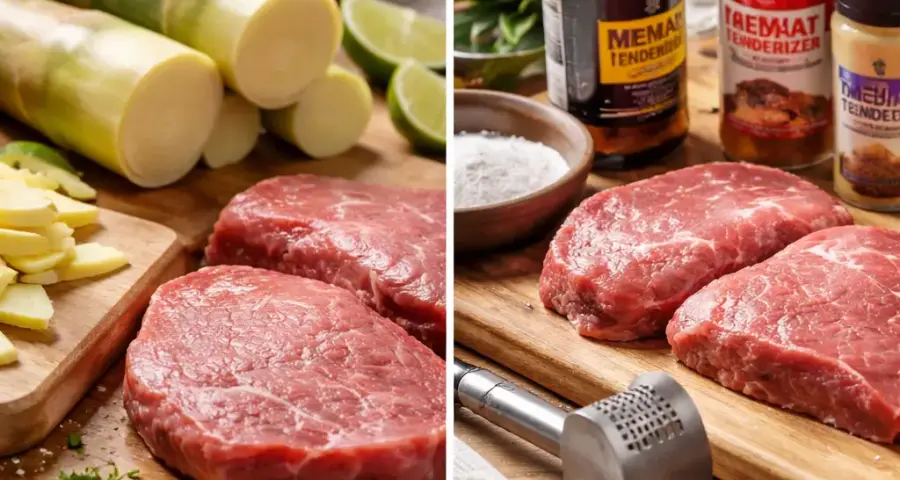
Commercial tenderizers often contain sodium bicarbonate, calcium chloride, or artificial proteases with extended shelf lives. While effective, they can leave a bitter or metallic taste and may increase sodium content significantly. Bamboo shoot tenderizer recipe methods offer a clean-label alternative. Below is a quick comparison:
| Factor | Rebung (Natural) | Commercial Tenderizer |
|---|---|---|
| Enzyme source | Fresh bamboo shoots | Isolated proteases or chemicals |
| Flavor impact | Mild, grassy note | Neutral or slightly bitter |
| Processing time | 30–120 minutes | 15–60 minutes |
| Shelf life | Use fresh or frozen | Months to years |
How to Prepare Rebung Enzyme Extract for Tenderizing
Before applying to meat, you need to extract the active enzymes. Here is the basic preparation that all three methods build upon.
Step 1: Select Fresh Rebung
Look for firm, tightly packed shoots with a pale yellow-green color. Avoid any that feel slimy or have a sour smell. The fresher the shoot, the higher the enzyme activity.
Step 2: Clean and Peel
Remove the outer fibrous layers until you reach the tender, pale inner core. Rinse quickly in cold water to remove dirt without washing away water-soluble enzymes.
Step 3: Grate or Blend
Grate the core on a fine grater or blend with a small amount of cold water (2 tablespoons per shoot) into a smooth paste. This paste is the base for all three tenderizing methods.
3 Proven Methods Using Rebung’s Natural Enzymes as a Meat Tenderizer
Each method suits different types of meat and prep schedules. Choose based on your cut and available time.
Method 1: Direct Paste Marinade
Best for thick cuts like beef steak, pork chops, or lamb shoulder.
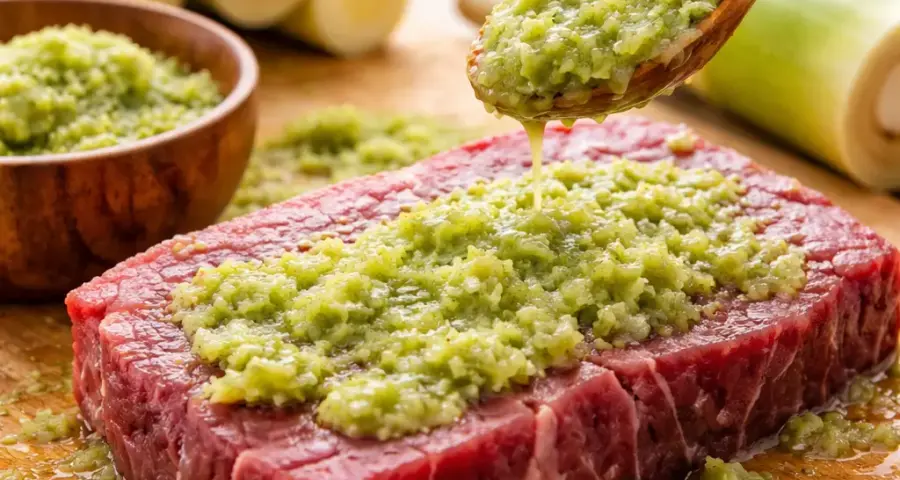
Spread 2–3 tablespoons of rebung paste evenly over the meat. Wrap in plastic and refrigerate for 45–60 minutes. Rinse off the paste before cooking to prevent a greenish tint and overly soft surface. This method delivers deep penetration for tough cuts.
Method 2: Rebung Juice Soak
Ideal for thin cuts such as chicken breast, fish fillets, or squid.
Press the grated paste through a fine sieve or cheesecloth to collect the juice. Dilute with equal parts water. Submerge the meat for 20–30 minutes in the refrigerator. Pat dry before cooking. The juice works faster due to higher enzyme concentration.
Method 3: Cooking Liquid Infusion
Perfect for stews, curries, or braises where the rebung will be cooked with the meat.
Add ½ cup of grated rebung paste to your cooking liquid at the start of simmering. The enzymes work during the first 15–20 minutes of gentle heat (below 65°C) before being deactivated. This method tenderizes while infusing a subtle bamboo flavor into the dish.
Tips for Different Meats and Safety Notes
Not all meats react the same way to how to tenderize meat with rebung. Here are specific adjustments and important safety reminders.
Beef and Lamb
Thick muscle cuts with heavy connective tissue, like chuck or shoulder, benefit from 60–90 minutes of paste marinade. Over-tenderizing can happen after 2 hours, so set a timer.
Pork
Pork loin or chops require only 30–45 minutes. The enzymes break down pork fat quickly, leaving the meat silky rather than greasy.
Chicken and Fish
These delicate proteins only need 15–20 minutes with juice soak. Longer exposure can result in a mushy, unappealing texture.
Safety Notes
- Always refrigerate meat during marination — never leave at room temperature for more than 30 minutes.
- Do not reuse rebung paste that has been in contact with raw meat.
- If you notice a sour or fermented smell from the rebung prior to use, discard it — fresh shoots should smell clean and earthy.
- Do not feed tenderized meat to individuals with chewing or swallowing difficulties without ensuring it is thoroughly cooked.
Recipe Suggestions Using Rebung Tenderizer
Put your new skill into practice with these two simple dishes.
Rebung-Marinated Grilled Steak
Rub a 200g sirloin steak with 2 tablespoons of rebung paste. Refrigerate for 45 minutes, rinse, pat dry, and season with salt and pepper. Grill over high heat for 3–4 minutes per side. The result is a tender, juicy steak with a faint vegetal note.
Bamboo Shoot Tenderizer Chicken Stir-Fry
Soak thinly sliced chicken breast in rebung juice for 20 minutes. Drain and stir-fry with garlic, ginger, soy sauce, and bell peppers. The chicken stays tender even after reheating leftovers.
Useful Resources
For further reading on enzyme tenderizing and bamboo shoot nutrition, check these credible sources:
- ScienceDirect: Bamboo Shoot Enzymes and Applications – Peer-reviewed overview of proteolytic activity in bamboo shoots.
- BBC Good Food: Bamboo Shoots Glossary – Practical guide to selecting and cooking with bamboo shoots.
Frequently Asked Questions About Rebung’s natural enzymes as a meat tenderizer
Can I use frozen rebung shoots for tenderizing?
Yes, but thaw them in the refrigerator and use immediately. Freezing reduces enzyme activity by about 20–30%, so increase marination time slightly.
Does cooking rebung destroy its tenderizing enzymes?
Yes. Enzymes denature above 70°C (158°F). For tenderizing effect, apply the rebung before cooking or add it during the first 15 minutes of gentle simmering.
How long can I marinate meat with rebung enzymes?
Thick cuts up to 90 minutes; thin cuts or fish up to 30 minutes. Longer marination can turn meat mushy due to excessive collagen breakdown.
What does rebung-tenderized meat taste like?
It gains a mild, grassy bamboo flavor that complements Asian marinades. Rinsing the paste off before cooking reduces the taste for a neutral result.
Can I use canned bamboo shoots instead of fresh rebung?
Canned shoots are usually pre-cooked, which deactivates enzymes. Only fresh or freshly frozen rebung provides active proteases for tenderizing. For a related guide, see Rebung for Bamboo Shoots: The Complete Substitution Guide.
Is rebung safe for people with bromelain or papain allergies?
Rebung contains cysteine proteases, not bromelain or papain, but cross-reactivity is possible. If you have known protease allergies, consult a doctor before use.
Do I need to peel rebung before making the paste?
Yes. The outer layers are fibrous and contain less enzyme activity. Use only the tender inner core for maximum protease content.
Can I mix rebung paste with other marinade ingredients?
Absolutely. Combine with garlic, ginger, soy sauce, or citrus. Avoid high acidity (vinegar, lemon) before tenderizing, as acid can denature the enzymes prematurely.
How do I store leftover rebung paste?
Refrigerate in an airtight container for up to 24 hours. For longer storage, freeze in ice cube trays and use within 1 month.
Does rebung tenderizer work on all types of meat?
It works best on red meats with high collagen content (beef, lamb, pork). Chicken and fish require shorter times. It is less effective on organ meats.
Can I use rebung on ground meat?
Yes, but use a smaller amount (1 teaspoon per 500g) and mix gently. Over-tenderizing can make ground meat pasty.
Does the rebung paste need to be rinsed off before cooking?
For direct paste marinade, rinsing prevents a greenish color and overly soft exterior. For juice soak or cooking liquid infusion, rinsing is optional.
Can I combine rebung with commercial tenderizers?
Technically yes, but it is not recommended. The combined enzyme activity accelerates tenderizing unpredictably, often leading to mushy meat.
Is there a difference between bamboo shoot varieties for enzymes?
Yes. Young shoots from Phyllostachys edulis (Moso bamboo) and Bambusa vulgaris tend to have higher protease activity than older or thicker varieties.
Can I dry rebung to make a powder?
Drying at low temperature (below 40°C) in a dehydrator preserves some enzymatic activity. Grind to powder and store in an airtight jar. Use at half the fresh amount.
How do I know if I over-tenderized the meat?
The surface becomes sticky and breaks apart easily when touched. Over-tenderized meat turns mushy when cooked and lacks structural integrity.
Does rebung affect the cooking time of meat?
Indirectly yes — tenderized meat cooks faster because collagen breakdown reduces resistance to heat. Check for doneness earlier than usual.
Can I use rebung paste on frozen meat?
Partially thaw the meat first for even enzyme penetration. Applying to fully frozen meat limits contact and produces uneven results.
Does rebung add nutrients to the meat?
Rebung contains small amounts of fiber, potassium, and vitamin B6. While negligible in tenderizing quantities, it adds a micronutrient boost compared to chemical tenderizers.
Can I use rebung in a slow cooker?
Yes, add the paste at the beginning. The extended gentle heat allows enzymes to work during the first hour, then they deactivate naturally as the temperature rises.