
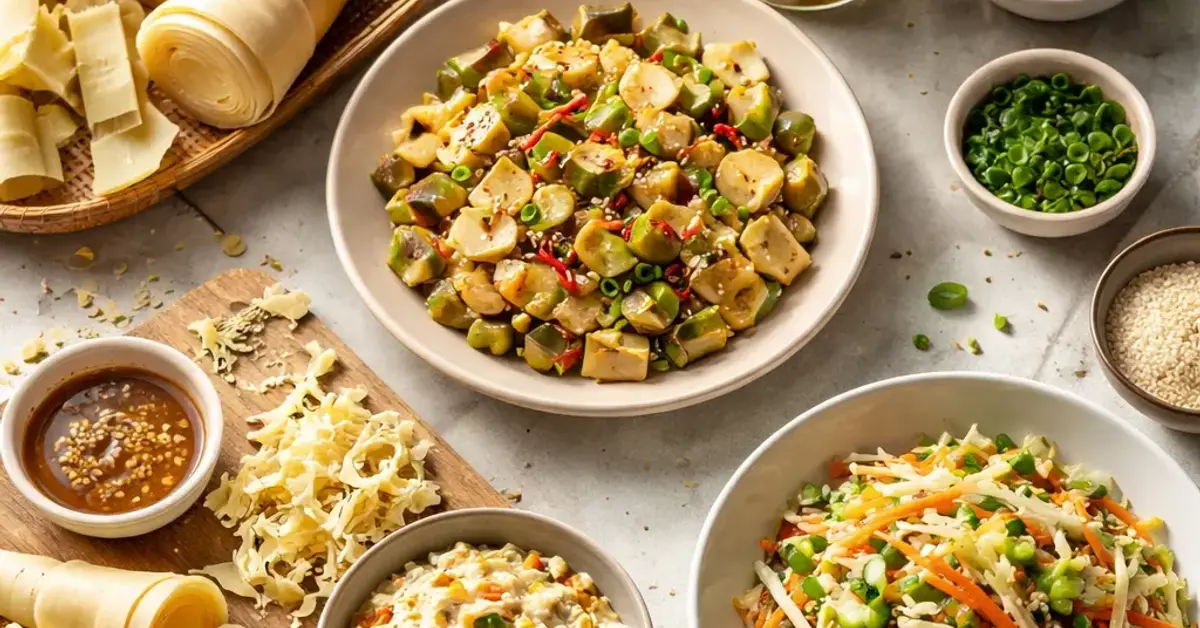
zero-waste bamboo shoot guide Key Takeaways
Bamboo shoots are a seasonal delicacy enjoyed across Asia, but most cooks discard up to half of each shoot.
- Outer peels make a mineral-rich broth base and work as natural food wrappers for steaming.
- The tender tip is the star of quick stir-fries and salads, while the firmer mid-section shines in braised dishes.
- The woody core can be sliced paper-thin or pickled, turning a "scrap" into a tangy condiment.
Why a zero-waste bamboo shoot guide matters
Bamboo is one of the fastest-growing plants on earth, sequestering carbon and regenerating without replanting. Yet the way most home cooks treat bamboo shoots — peeling and tossing the outer layers — undermines that sustainability. In this zero-waste bamboo shoot guide, we explore the anatomy of a fresh bamboo shoot and practical methods to use every layer. For a related guide, see 7 Essential Indian Bamboo Shoot Dishes for Indonesian Cooks.
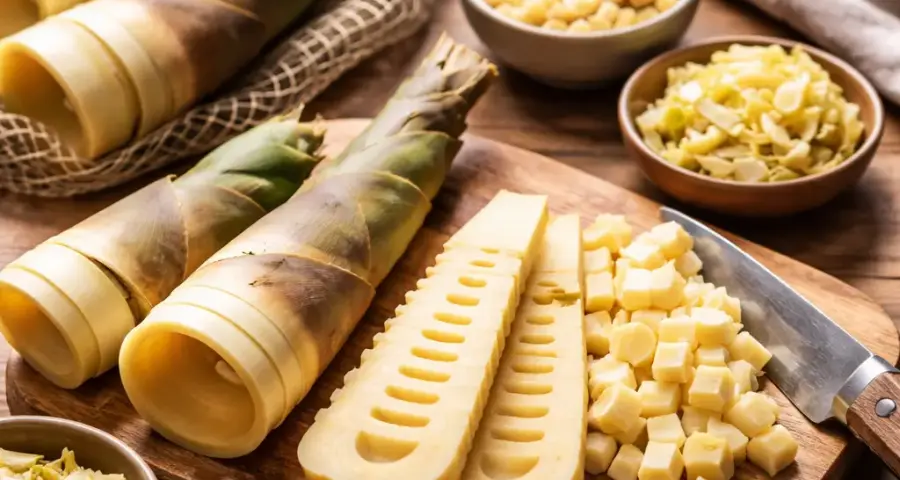
Embracing the every part of bamboo shoot uses philosophy is not just about thrift; it unlocks distinct textures and flavors. The tough outer peel contributes earthy depth to broths, the crisp core adds crunch to pickles, and the tender tip provides a delicate sweetness perfect for quick cooking. For a related guide, see Bamboo Shoot Leaf Wrappers: Essential Guide for Perfect Cooking.
The anatomy of a bamboo shoot
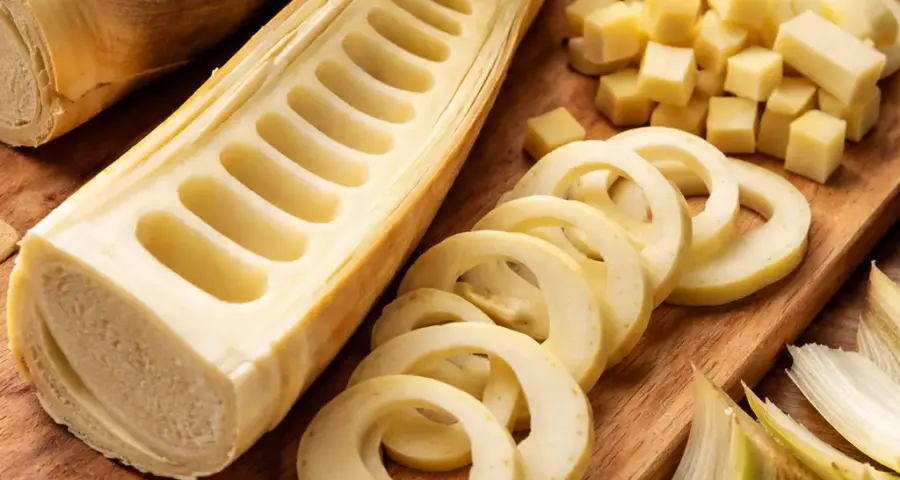
Understanding the shoot’s structure makes waste reduction easier. A fresh bamboo shoot has three distinct zones: the fibrous outer husk (several layers), the dense core at the base, and the tender, pale tip. Each requires different preparation to become palatable but each can be used.
5 practical ways to use every part of the bamboo shoot
Here are five zero-waste techniques that integrate seamlessly into everyday cooking. Each method transforms a different part of the shoot.
1. Boil the outer peels into a nutrient-dense broth
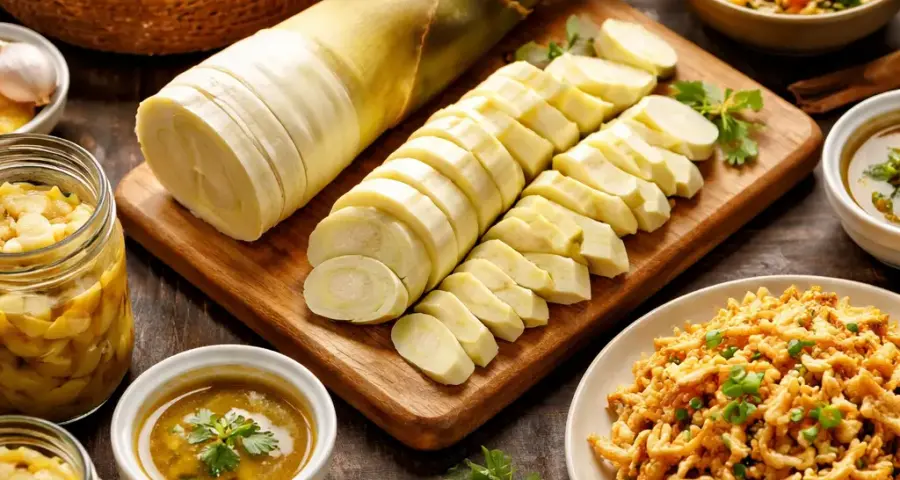
The toughest outer layers contain concentrated minerals and a subtle bamboo flavor. Rinse them well, then simmer in water for 30–40 minutes. Strain and use the liquid as a vegetable stock for soups, risotto, or ramen base. This Japanese-inspired recipe shows how leftover bamboo skins can enhance a simple broth.
2. Use peels as natural steaming wrappers
After boiling, the softened outer peels can double as eco-friendly wrappers for dim sum or fish parcels. Lay a fish fillet or dumpling filling in the center, fold the peel over, and steam for 8–10 minutes. The peel imparts a gentle grassy note and keeps the food moist without synthetic wrap.
3. Julienne the core for quick pickles
The fibrous lower core is often discarded, but it excels in quick pickles. Slice it as thinly as possible, toss with rice vinegar, sugar, salt, and a pinch of chili flakes. Let sit for 30 minutes. The acidity softens the fiber, creating a crunchy, tangy condiment that pairs with grilled meats or banh mi sandwiches.
4. Sauté the mid-section in stir-fries
The firmer middle part of the shoot holds its shape well under high heat. Slice into matchsticks and stir-fry with soy sauce, garlic, and sesame oil. Add to noodle dishes or fried rice for a satisfying bite that mimics water chestnuts.
5. Gratin the tender tip with cheese
The pale, pointed tip is the most tender part, best enjoyed raw or very lightly cooked. For a warming dish, slice the tip into rounds, blanch for 2 minutes, then arrange in a baking dish. Top with cream and Gruyère, and bake until golden. The delicate flavor of the tip balances the richness of the cheese.
Sustainable bamboo recipe guide: Cooking tips for best results
To make your sustainable bamboo recipe guide truly practical, keep these preparation principles in mind.
Always boil fresh shoots first
Raw bamboo shoots contain taxiphyllin, a cyanogenic glycoside that breaks down during boiling. Even if you plan to use the peels for broth, bring them to a rolling boil for at least 10 minutes to ensure food safety. Discard that initial boiling water, then proceed with your chosen recipe.
Match texture to cooking method
The different sections of the shoot respond best to specific techniques. Use this quick reference:
| Part of shoot | Best cooking method | Texture outcome |
|---|---|---|
| Outer peel (tough) | Boiling for broth or wrapping | Softens completely |
| Core (fibrous) | Pickling or fine julienne | Crunchy, tender |
| Mid-section (firm) | Stir-fry, braise, or curry | Chewy but tender |
| Tip (tender) | Raw, blanched, or gratin | Melts in the mouth |
Common mistakes when trying to use every part of the bamboo shoot
Avoid these pitfalls to make your zero-waste efforts successful.
Using under-boiled peels in broth
If the outer peels are not boiled long enough, they remain tough and astringent. Simmer them until completely pliable — at least 30 minutes — before straining.
Overcooking the core in stir-fries
The fibrous core needs quick, high heat or a long braise. Stir-frying without pre-cooking yields a chewy, unpleasant texture. Parboil the core for 5 minutes before adding to the wok.
Neglecting proper storage
Fresh bamboo shoots spoil fast. If you cannot cook them within two days, blanch the whole shoot and freeze it in an airtight container. Frozen shoots keep for up to three months.
Useful Resources
For more information on bamboo shoot preparation and waste reduction, refer to these reputable guides:
- Serious Eats: How to Cook Bamboo Shoots — A detailed tutorial on cleaning, boiling, and storing fresh shoots.
- Healthline: Bamboo Shoots Nutrition and Benefits — A science-backed overview of the health properties of bamboo shoots.
Frequently Asked Questions About zero-waste bamboo shoot guide
Can you eat the outer leaves of a bamboo shoot?
Yes, but only after thorough boiling. The tough outer leaves become edible when simmered for 30–40 minutes, making them suitable for broth or as wrappers.
How do you remove the bitterness from bamboo shoots?
Boiling is the standard method. Slice or leave whole, submerge in cold water, bring to a boil, then discard the water. Repeat once more for stubborn bitterness.
What is the best way to store leftover bamboo shoots?
Blanch the shoots, cool them completely, then store in an airtight container in the fridge for up to five days, or freeze for three months.
Are bamboo shoots a good source of nutrition?
Yes. Bamboo shoots are low in calories and fat, high in fiber, and provide potassium, copper, and vitamin B6.
Can you compost bamboo shoot peels?
Absolutely. After using them for broth or wrapping, add the peels to your compost pile. They break down faster if chopped into small pieces first.
What does bamboo shoot taste like?
Fresh bamboo shoot has a mild, slightly sweet, and earthy flavor with a crunchy texture similar to water chestnuts or jicama.
Is it safe to eat raw bamboo shoots?
Only the very tender tip of a fresh shoot can be eaten raw after a quick blanch. All other parts must be fully boiled to remove toxins.
How do you know if a bamboo shoot is fresh?
Look for shoots that are firm, heavy for their size, with tightly layered husks and no soft spots or mold. The cut base should appear moist, not dry.
What dishes can I make with bamboo shoot core?
The core works well in quick pickles, slaws, or finely chopped in dumpling fillings. It adds texture to soups if sliced very thin.
Can I use canned bamboo shoots in zero-waste recipes?
Yes, but the waste-reduction benefit comes from the entire fresh shoot. Canned shoots are pre-boiled and often contain only the tender parts, so less opportunity for whole-shoot use exists.
Do you need to peel bamboo shoots before cooking?
You should remove the toughest outer husks, but save them for broth or wrapping. Remove only what is inedible even after cooking.
How long do you boil bamboo shoots for zero-waste use?
Whole shoots need 20–30 minutes; sliced pieces need 10–15 minutes. Peels intended for broth require 30–40 minutes to become tender.
Can you freeze bamboo shoot broth?
Yes. Strain the broth, cool it, and pour into freezer-safe containers. It keeps for up to 3 months and can be used directly in soups or sauces.
What is the difference between fresh and dried bamboo shoots?
Fresh shoots are crunchy and mild; dried shoots are intensely flavored, chewy, and require rehydration. Dried shoots are often used in traditional Thai and Chinese braises.
Are bamboo shoots keto-friendly?
Moderately. Bamboo shoots contain about 4g net carbs per 100g — suitable for keto in small portions, but not a staple.
Can pets eat bamboo shoots?
In small cooked amounts, plain bamboo shoots are safe for dogs. Avoid seasoning, and never feed raw shoots to pets due to the cyanogenic compounds.
Do bamboo shoots cause gas?
They are high in fiber, and sudden increases in fiber intake may cause bloating or gas. Introduce them gradually and drink plenty of water.
How do you use bamboo shoot skins as wrappers?
After boiling until pliable, lay a skin flat, place filling in the center, fold the sides over, and secure with a toothpick. Steam for 8–10 minutes.
Can I make a vegan broth from bamboo shoot peels?
Yes. Simmer the peels with kombu, dried shiitake, and ginger for a rich vegan dashi. Strain and use as a base for miso soup or noodle broth.
Where can I buy fresh bamboo shoots?
Check Asian grocery stores or farmers’ markets during spring. Some specialty produce companies also ship fresh shoots if you are outside the growing regions.