
grow bamboo in a small home garden Key Takeaways
Growing your own organic rebung at home is easier than you think — if you avoid the most common pitfalls.
- Choose clumping bamboo over running varieties to grow bamboo in a small home garden without invasive roots taking over your yard.
- Start with the right species, like Dendrocalamus asper, for the best organic rebung harvest.
- Master simple watering and soil tips to keep your bamboo healthy and productive for years.
Why Most People Fail to Grow Bamboo in a Small Home Garden
Bamboo gets a bad reputation for being invasive, messy, and hard to control. But if you’re aiming for organic rebung — those tender, edible shoots — the rules change completely. The truth is, with the right preparation, you can grow bamboo in a small home garden successfully, even if you only have a few square meters of space. For a related guide, see 4 Types of Bamboo Shoots to Eat: Avoid Bitter Mistakes.
The biggest reason beginners fail is they treat bamboo like a typical garden plant. Bamboo is actually a grass, and it behaves differently. It needs specific soil conditions, consistent moisture, and a planting method that matches your garden size. Once you understand those basics, you’ll find it surprisingly low-maintenance.
Let’s start with the single most important decision: which bamboo to plant.
Mistake #1: Picking the Wrong Bamboo Species
Not all bamboo is created equal when you grow bamboo in a small home garden. Many gardeners grab the first bamboo they see at a nursery, only to discover it’s a running variety that sends underground rhizomes everywhere. Within a year, your garden becomes a bamboo forest you can’t control.
Clumping vs. Running Bamboo
For small spaces, you must choose clumping bamboo. Clumping varieties stay in a tight cluster and expand slowly, making them perfect for containers or garden beds. Running bamboo spreads aggressively and is nearly impossible to contain without a heavy-duty root barrier.
Some of the best clumping species for organic rebung include:
- Dendrocalamus asper — produces large, sweet shoots, great for eating
- Bambusa vulgaris — hardy and fast-growing, but needs regular harvesting
- Gigantochloa atroviolacea — known for tender purple shoots
Always check with your local nursery to see what grows well in your climate. Some areas with colder winters may need a frost-hardy variety.
Mistake #2: Ignoring Soil Preparation
Bamboo is a heavy feeder. If you skip soil prep, your plants will struggle to produce quality organic rebung. Many home gardeners forget that bamboo thrives in rich, loamy soil with plenty of organic matter.
How to Prepare Your Soil
Before you plant, test your soil pH. Bamboo prefers slightly acidic to neutral soil, around 5.5 to 7.0. If your soil is too sandy or too clay-heavy, amend it with compost, aged manure, or well-rotted leaf mold. Dig a hole at least twice the width of the root ball and mix in a generous amount of organic matter.
A simple soil recipe that works:
- 50% native garden soil
- 30% well-rotted compost
- 20% coarse sand or perlite (if drainage is poor)
Mistake #3: Overwatering or Underwatering
Bamboo loves water, but it hates soggy roots. The most common watering mistake people make when they grow bamboo in a small home garden is watering on a fixed schedule without checking the soil. This leads to root rot or, conversely, drought stress that stunts growth. For a related guide, see How to Grow Bamboo in a Small Home Garden: 7 Smart Tips for Organic Rebung.
The Right Way to Water Bamboo
Water deeply once or twice a week, depending on your climate. The top two inches of soil should dry out between waterings. During hot summer months, you may need to water every other day. Mulching heavily with straw, wood chips, or dried leaves helps retain moisture and keeps roots cool.
One trick: stick your finger into the soil near the base of the plant. If it feels dry at knuckle depth, it’s time to water. If it’s still damp, wait another day.
Mistake #4: Planting in Full Sun Without Protection
Bamboo needs sunlight, but young plants can scorch if exposed to harsh afternoon rays without any shade. Many beginners plant directly in the open, thinking bamboo is invincible. While mature bamboo can handle full sun, young shoots need some shelter during their first season.
How to Position Your Bamboo
Choose a spot that gets morning sun and afternoon partial shade. If you don’t have that option, create a temporary shade cloth over your small home garden bamboo for the first few months. As the plant establishes, it will gradually tolerate more direct sunlight.
Mistake #5: Forgetting to Harvest Rebung at the Right Time
One of the biggest rewards of growing bamboo is harvesting organic rebung. But many first-time growers miss the harvest window. Rebung shoots emerge in spring and grow incredibly fast — sometimes several inches per day. If you wait too long, they become tough and woody.
When and How to Harvest
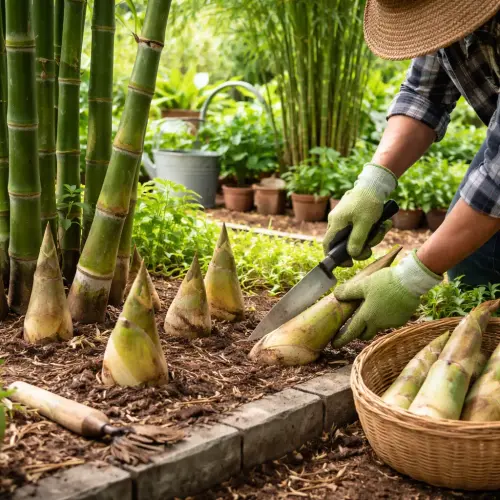
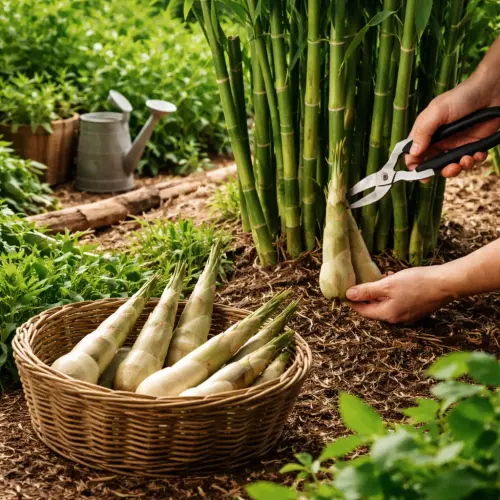
Harvest shoots when they are about 6 to 8 inches tall and still tightly wrapped in their protective sheaths. Cut them at ground level using a sharp knife. The best time of day to harvest is early morning when shoots are crisp and full of moisture.
You can expect your first harvest in the second or third year after planting. Be patient — the first year is all about root establishment.
Mistake #6: Neglecting Fertilizer
Bamboo is a grass, and like your lawn, it needs regular feeding. Organic rebung production demands nitrogen-rich soil. Without proper fertilization, your shoots will be thin, bitter, and fewer in number.
Best Organic Fertilizers for Bamboo
Use a balanced organic fertilizer with a nitrogen-heavy ratio, such as 10-5-5. Apply in early spring and again in mid-summer. You can also side-dress with compost or well-aged manure around the base of the plant. Avoid synthetic fertilizers that can burn roots and harm soil microbes.
A simple feeding schedule:
- Early spring: apply compost + organic granular fertilizer
- Mid-summer: top-dress with compost tea or liquid seaweed
- Fall: mulch heavily with leaves to replenish organic matter
Mistake #7: Not Controlling Spread in Time
Even clumping bamboo can slowly expand its footprint. If you don’t manage it, the clump will get wider each year, eventually taking over more space than you planned. This is especially important when you grow bamboo in a small home garden where every square foot counts.
How to Keep Bamboo in Bounds
Install a root barrier at planting time. Use high-density polyethylene (HDPE) sheets buried 24 to 30 inches deep around the planting area. For clumping varieties, you can also grow them in large containers or raised beds with solid bottoms. Every spring, dig around the clump and cut away any shoots that are trying to expand outward.
Step-by-Step: How to Grow Bamboo in a Small Home Garden for Organic Rebung
Now that you know the mistakes to avoid, here’s a simple step-by-step to get started:
- Choose your variety — Pick a clumping species suited to your climate (Dendrocalamus asper is a top choice for rebung).
- Prepare the planting area — Dig a hole twice as wide as the root ball, mix in compost, and install a root barrier if needed.
- Plant at the right depth — Place the bamboo so the root ball is level with the soil surface. Water thoroughly after planting.
- Mulch and water — Apply a 3-inch layer of organic mulch and water deeply once a week (more in hot weather).
- Fertilize in spring — Use a nitrogen-rich organic fertilizer to encourage strong shoot growth.
- Harvest selectively — In the second or third year, start harvesting shoots when they reach 6–8 inches tall.
- Thin the clump annually — Remove old, weak canes each winter to keep the plant healthy and productive.
Troubleshooting Common Bamboo Problems
Even with the best care, you might run into issues. Here’s how to fix the most common ones:
- Yellow leaves — Usually overwatering or poor drainage. Check soil moisture and improve drainage if needed.
- Stunted growth — Lack of nitrogen. Apply a balanced organic fertilizer immediately.
- Pests like aphids or mites — Spray with neem oil solution (1 tsp neem oil + 1 tsp mild soap per liter of water).
- Shoots turning bitter — Harvest earlier in the season or increase watering during shoot development.
- Bamboo not spreading (clumping type) — Give it time. Some clumpers take 2–3 years to establish before they expand.
Optimizing Your Small Home Garden Bamboo for Maximum Rebung
If you want a steady supply of organic rebung, focus on three things: soil fertility, consistent irrigation, and regular harvesting. Bamboo responds to stress by producing more shoots. That might sound counterintuitive, but light disturbance — like harvesting — triggers the plant to send up new growth.
Another professional tip: cut back old canes (over 3 years old) to the ground each winter. This opens up the clump to light and air, stimulating fresh shoot production in spring. Combine this with a thick layer of compost every fall, and you’ll have a thriving small home garden bamboo patch that yields delicious rebung for decades.
Useful Resources
For more detailed guidance on bamboo species selection and organic rebung cultivation, check out these trusted sources:
- Bamboo Garden — Edible Bamboo Species Guide — Comprehensive list of bamboo varieties grown specifically for shoots.
- Texas A and M AgriLife Extension — Bamboo in the Home Landscape — Expert advice on planting, containment, and care for home gardeners.
Frequently Asked Questions About grow bamboo in a small home garden
How long does it take to grow bamboo for rebung?
Most clumping bamboo varieties produce edible shoots in the second or third year after planting. The first year is focused on root establishment, so don’t expect a harvest until year two at the earliest.
Can I grow bamboo in a container?
Yes, you can grow bamboo in a small home garden using containers. Choose a clumping variety and a pot at least 24 inches wide and 18 inches deep. Make sure the container has drainage holes and use high-quality potting mix.
Is rebung the same as bamboo shoots?
Yes, “rebung” is the Indonesian and Malay term for bamboo shoots. They are the young, tender shoots of certain bamboo species and are commonly used in Asian cuisine.
What is the best bamboo species for eating?
Dendrocalamus asper is widely considered the best for organic rebung because of its large, sweet, and tender shoots. Bambusa oldhamii is another excellent choice for home gardens.
Do I need a root barrier for clumping bamboo?
It’s recommended even for clumping varieties in small gardens. A root barrier prevents the clump from expanding too wide over the years and keeps your garden layout intact.
How much sun does bamboo need?
Bamboo thrives in full sun to partial shade. At least 4 to 6 hours of direct sunlight per day is ideal for healthy growth and shoot production.
Can I grow bamboo from seeds?
Yes, but it’s slow and unpredictable. Most home gardeners buy established plants or rhizome divisions for faster results and guaranteed species.
How often should I water bamboo?
Water deeply once or twice a week, depending on your climate. The top two inches of soil should dry between waterings. Increase frequency during hot, dry weather.
What fertilizer is best for bamboo?
Use a balanced organic fertilizer with a higher nitrogen ratio, such as 10-5-5. Compost, aged manure, and liquid seaweed are excellent for side-dressing.
Why are my bamboo leaves turning yellow?
Yellow leaves are usually a sign of overwatering or poor drainage. Check the soil moisture and ensure the planting area isn’t waterlogged. It could also be a nitrogen deficiency.
How do I harvest bamboo shoots?
Cut the shoots at ground level when they are 6 to 8 inches tall and still tightly wrapped. Use a sharp knife and harvest in the early morning for the best flavor and texture.
Can I eat bamboo shoots raw?
It’s not recommended. Raw bamboo shoots contain cyanogenic glycosides, which can be toxic. Always boil them for at least 20 minutes before eating or processing.
How do I store fresh bamboo shoots?
Place unpeeled shoots in a plastic bag in the refrigerator for up to two weeks. For longer storage, blanch and freeze them, or pickle them in brine.
Do I need to prune bamboo?
Yes, yearly pruning helps keep the plant healthy. Remove old, weak, or dead canes (over 3 years old) each winter to encourage new shoot growth and improve air circulation.
What pests attack bamboo?
Common pests include aphids, spider mites, and bamboo mites. Use neem oil or insecticidal soap to control infestations. Healthy plants are less susceptible to pests.
Is bamboo invasive in my garden?
Only running bamboo species are invasive. Clumping varieties stay in a tight cluster. If you buy clumping bamboo and install a root barrier, you’ll have no issues.
Can I grow bamboo next to a fence?
Yes, but leave at least 2 to 3 feet of space between the fence and the planting hole. This allows room for the clump to expand and makes maintenance easier.
How tall does bamboo grow for rebung?
Depending on the species, bamboo can grow anywhere from 10 to 50 feet tall. For small home gardens, choose dwarf or medium-sized clumping varieties that stay under 15 feet.
Do I need two bamboo plants for pollination?
No, bamboo is self-fertile. A single plant can produce shoots on its own. You do not need multiple plants for fruit or seed production.
Can bamboo survive winter?
Some species are frost-hardy down to -10°C. If you live in a cold climate, choose cold-tolerant varieties like Phyllostachys nuda or Fargesia rufa. Mulch heavily around the base for extra protection.