
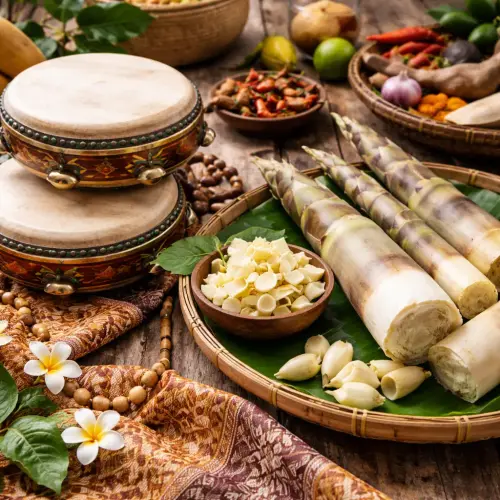
rebana vs rebung Key Takeaways
Most Indonesians know Rebana etymology traces back to the Arabic word daff , a frame drum used in Islamic praise.
- Rebana is a traditional frame drum central to Islamic devotional music, while rebung refers to tender bamboo shoots used in cooking.
- Both words stem from Austronesian roots linked to the concept of "young" or "shoot" — suggesting a shared metaphor for growth and vitality.
- Exploring these links reveals how language, music, and food intertwine in everyday Indonesian life.
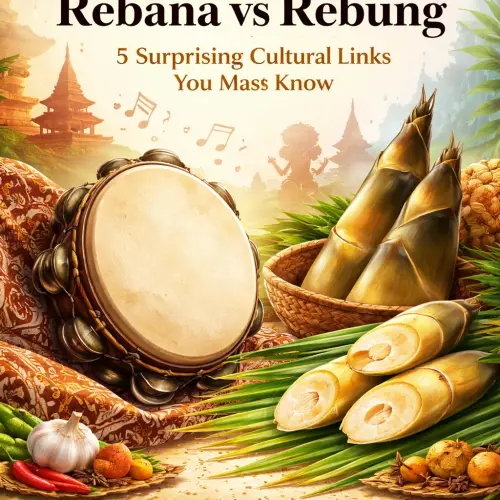
The Surprising Rebana vs Rebung Connection
Imagine you’re at a lively village festival in Java. The rhythmic beat of a rebana drum calls people to gather, while nearby, a vendor sells steaming bowls of sayur rebung, a bamboo shoot soup. Two sounds, two tastes — but could they share a deeper story? For a related guide, see How to Grow Bamboo in a Small Home Garden: 7 Smart Tips for Organic Rebung.
Most Indonesians know Rebana etymology traces back to the Arabic word daff, a frame drum used in Islamic praise. Meanwhile, Rebung meaning comes from the Malay word for bamboo shoots, a staple ingredient in many Indonesian cultural links. Yet the linguistic connection rebana rebung suggests they may have branched from the same root: a proto-Austronesian word for “young” or “emerging.” This shared origin hints at a worldview where music and food both represent new life and community.
5 Surprising Rebana vs Rebung Cultural Links
Let’s dive into five fascinating ways these two words reveal hidden ties across Indonesian culture.
1. Shared Linguistic Roots in Austronesian Languages
Linguists trace Rebana etymology to the Malay-Indonesian word rabana, which itself may derive from rebung via sound shifts. Both share the prefix re-, a reduplication pattern that indicates repetition or emergence. The linguistic connection rebana rebung becomes clearer when you compare related terms: rebab (a bowed string instrument) and reban (a bamboo stick used in percussion). All evoke the idea of something slender that springs forth.
2. Ceremonial Role in Islamic Traditions
The rebana drum is synonymous with qasidah music, a genre of Islamic devotional songs. Yet rebung also appears in religious contexts — bamboo shoots are often served during communal iftar meals or religious festivals. Both ingredients (sound and food) foster togetherness. The rebana vs rebung comparison highlights how different elements serve the same purpose: bringing people together in celebration.
3. Representation of Youth and Renewal
In Javanese philosophy, rebung symbolizes new growth, while the rebana’s lively rhythm represents youthful energy. Traditional dances accompanied by rebana often tell stories of planting and harvesting, where bamboo shoots are central. This Indonesian cultural link underscores a cycle of life: music nurtures the spirit, food nurtures the body.
4. Craftsmanship in Wood and Bamboo
Both items rely on natural materials. Rebana frames are typically made from jackfruit wood with goat skin heads, while rebung requires careful harvesting from bamboo groves. Artisans who craft rebana often use bamboo for structural supports, creating a material link. This Rebana etymology connection extends to the word rebung itself, which sometimes refers to the bamboo ring used to tune the drum.
5. Marketing and Misconceptions in Modern Times
Today, some online searches confuse Rebung meaning with rebana, leading to mix-ups in product listings. Tourists may see “rebung drum” sold alongside bamboo shoots. This confusion actually reveals a linguistic connection rebana rebung that modern language speakers have unconsciously preserved. Understanding this can help travelers and food enthusiasts appreciate the cultural tapestry beneath everyday items.
| Aspect | Rebana | Rebung |
|---|---|---|
| Primary Use | Musical instrument for Islamic praise | Edible bamboo shoot in cooking |
| Material | Wood frame, animal skin head | Fresh bamboo shoot |
| Symbolism | Spiritual devotion, community call | New growth, seasonal abundance |
| Linguistic Root | Daff (Arabic) + rebung influence | Proto-Austronesian Rebung (young shoot) |
Practical Insights: How to Appreciate This Rebana vs Rebung Heritage
Next time you hear a rebana at a wedding or taste bamboo shoot curry, consider the shared story. Here are ways to deepen your appreciation:
- Listen to Qasidah Rebbana — Modern groups like Nasida Ria blend rebana with pop, showing the Rebana etymology evolving.
- Cook Sayur Rebung — Try a traditional coconut milk and bamboo shoot dish; you’ll taste the freshness Rebung meaning conveys.
- Explore Regional Variations — In West Java, rebana is called terbang, while rebung is called rebung everywhere. This linguistic connection rebana rebung varies subtly across dialects.
Common Misconceptions About Rebana vs Rebung
Some think rebana and rebung are completely unrelated, but the evidence shows otherwise. Another myth: rebung is only eaten in Indonesia — it’s actually a staple across Southeast Asia, from Thailand to the Philippines. Similarly, rebana drums appear in Malaysia and Brunei, reinforcing Indonesian cultural links across the region. Avoid assuming that similar-sounding words are just coincidence; they often carry historical baggage. For a related guide, see Avoid These 7 Mistakes When Growing Bamboo in a Small Home Garden for Organic Rebung.
Useful Resources
For deeper reading on the Rebana etymology and its musical role, check out Encyclopedia Britannica’s entry on the rebana.
To explore the culinary side of Rebung meaning and its health benefits, visit The Spruce Eats guide to bamboo shoots.
Frequently Asked Questions About rebana vs rebung
What is the main difference between rebana and rebung?
Rebana is a traditional frame drum used in Islamic music, while rebung is a bamboo shoot used as a vegetable in cooking.
Are rebana and rebung linguistically related?
Yes, both words likely derive from a shared Austronesian root meaning “young” or “shoot,” though rebana also absorbed influences from Arabic.
Where does the term rebana come from?
Rebana originates from the Arabic word daff, but its form in Malay-Indonesian was influenced by the local word rebung.
What does rebung mean in Indonesian?
Rebung means bamboo shoot, specifically the young, tender shoot harvested for consumption.
Can rebana be made from bamboo?
Traditionally no — rebana frames are wood — but some modern percussion instruments use bamboo rings similar to rebung stalks for tuning.
Is rebung used in religious ceremonies?
Bamboo shoots are often served during Islamic communal meals in Indonesia, linking them indirectly to religious gatherings.
How are rebana drums used in Indonesian culture?
They accompany Islamic praise songs, traditional dances, and community events, especially in Java and Sumatra.
What dishes use rebung?
Sayur rebung (bamboo shoot soup), gulai rebung (curry), and pickled bamboo shoots are common.
Are there other instruments related to rebana?
Yes, the terbang (West Java), kompang (Malaysia), and daff (Middle East) are similar frame drums.
Does the word rebung have any musical connection?
Indirectly — bamboo shoots themselves are not musical, but bamboo stalks are used in percussion instruments like the angklung.
What is the origin of the word ‘rebana’?
It comes from the Arabic daff through rebana, but the prefix re- suggests Austronesian influence.
Can you eat raw rebung?
No, raw bamboo shoots contain toxins and must be boiled or fermented before consumption.
Are rebana drums considered sacred?
Not sacred in a religious sense, but they are respected as instruments for spiritual music in Islamic traditions.
What regional styles use rebana?
In Java, rebana Banjari style features fast rhythms; in Sumatra, it accompanies martial arts like silat.
Is rebung healthy?
Yes, bamboo shoots are low in fat, high in fiber, and rich in potassium.
How do you pronounce rebana vs rebung?
Reh-BAH-nah (stress on second syllable) for rebana; reh-BOONG (rhymes with “moon”) for rebung.
What is the Sanskrit influence on these words?
Little direct Sanskrit influence, but Indonesian language borrowed heavily from Sanskrit for religious terms, while rebung remained native.
Are there other word pairs like rebana and rebung?
Yes, batik and batok (coconut shell) share similar reduplication patterns, often with related meanings.
Why do tourists confuse rebana and rebung?
They sound alike and appear in similar contexts — cultural crafts and food — leading to search engine mix-ups.
Where can I buy authentic rebana drums?
Look for artisan makers in Yogyakarta or Cirebon, Indonesia, or online marketplaces specializing in traditional instruments.