
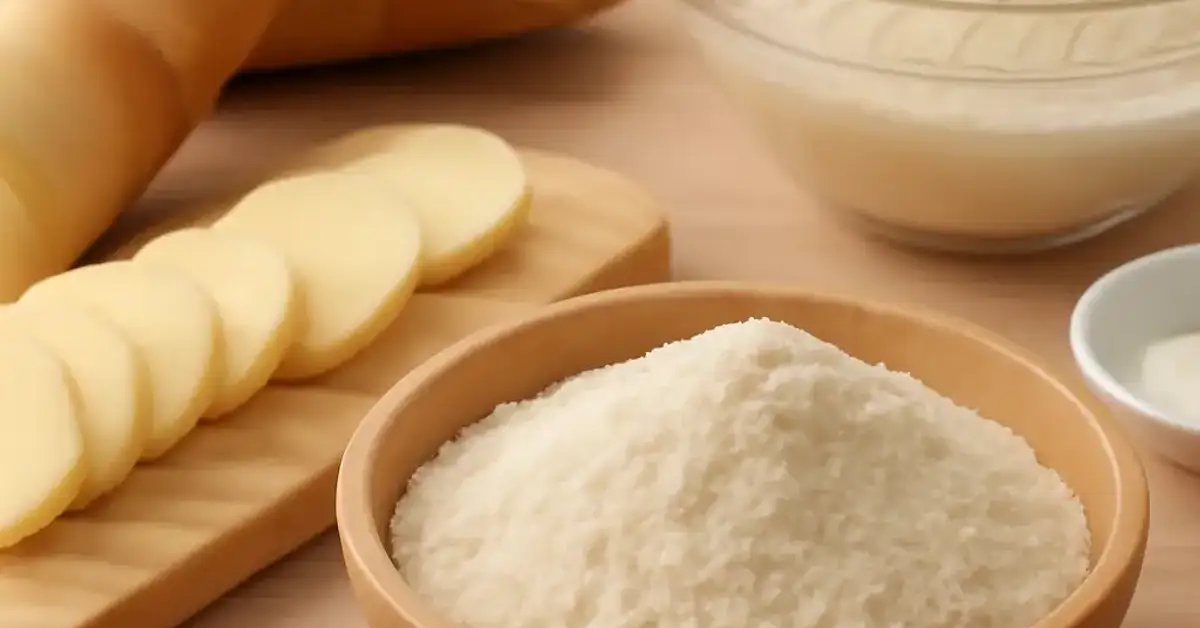
rebung flour Key Takeaways
Bamboo shoots are a staple in many Asian cuisines, but did you know they can be transformed into a versatile gluten-free flour?
- Rebung flour is naturally gluten-free and rich in fiber, vitamins, and minerals.
- The process involves cleaning, blanching, drying, and grinding young bamboo shoots into a fine powder.
- Homemade rebung flour can replace up to 25% of regular flour in recipes for breads, pancakes, and cookies.
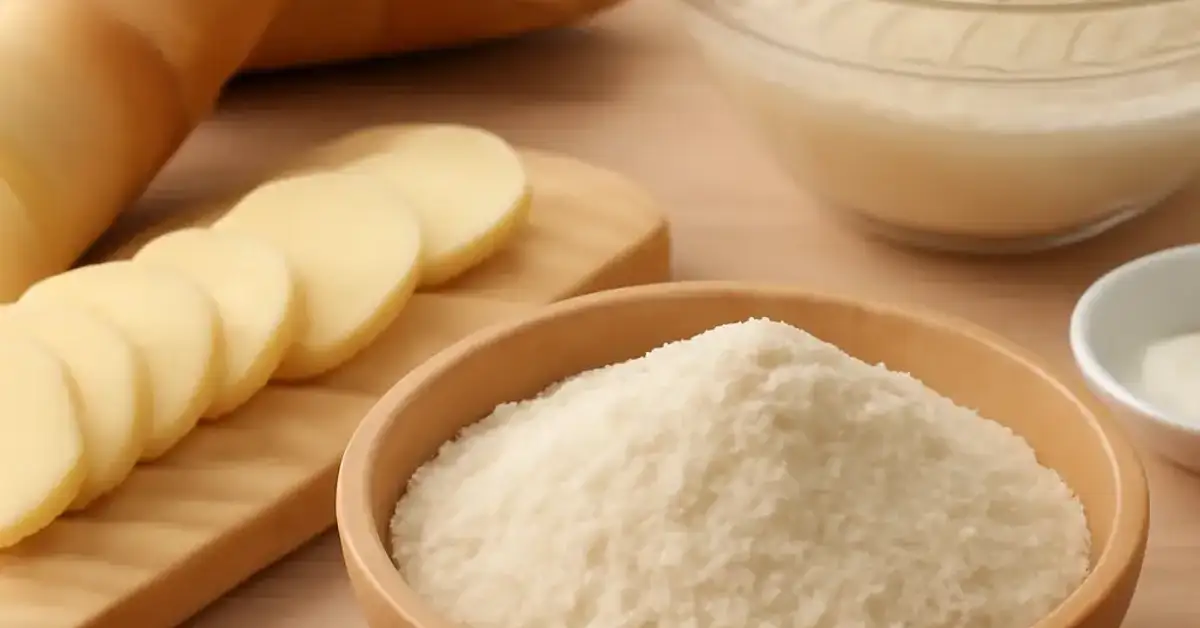
Why Make Your Own Rebung Flour?
Bamboo shoots are a staple in many Asian cuisines, but did you know they can be transformed into a versatile gluten-free flour? Rebung flour is not only suitable for those with celiac disease or gluten sensitivity, but it also brings a unique nutritional profile to your kitchen. Rich in dietary fiber, potassium, and vitamin B6, this flour supports digestion and provides steady energy. Making it yourself ensures you control every step — from the freshness of the shoots to the fineness of the grind.
Benefits of Using Rebung Flour in Baking
When you substitute a portion of wheat flour with bamboo shoot flour, you add moisture and a subtle earthy note. Many bakers find it enhances the texture of muffins, quick breads, and even flatbreads. Because it contains no gluten, it works best when combined with a binding agent like xanthan gum or eggs. Additionally, the high fiber content slows sugar absorption, making your treats more satisfying.
Equipment You’ll Need for Bamboo Shoot Flour Recipe
Before you start, gather the following tools. Most are already in your kitchen:
- Sharp knife and cutting board
- Large pot for blanching
- Colander
- Clean kitchen towels or paper towels
- Dehydrator or oven (lowest setting, around 50°C/120°F)
- High-speed blender or grain mill
- Fine-mesh sieve or flour sifter
- Airtight glass jar for storage
Step-by-Step Guide: How to Make Rebung Flour
Follow these seven steps to turn fresh bamboo shoots into a fine, gluten-free flour.
Step 1: Select and Prepare Fresh Bamboo Shoots
Choose young, firm bamboo shoots (rebung) with tightly closed leaves. Peel away the outer layers until you reach the pale, tender core. Rinse thoroughly under cold water to remove any dirt. For a related guide, see Rebung Chips: Easy 4-Step Guide to Crispy Keripik Rebung.
Step 2: Slice Thinly
Using a sharp knife, slice the shoots into thin strips or small dice. Thinner pieces dry faster and more evenly, which is key to preventing mold later.
Step 3: Blanch to Remove Bitterness
Bring a large pot of salted water to a boil. Add the sliced shoots and blanch for 5–7 minutes. This step neutralizes natural toxins and reduces bitterness. Drain and rinse with cold water.
Step 4: Dry Thoroughly
Spread the blanched pieces in a single layer on a dehydrator tray or baking sheet. Dry at 50°C (120°F) for 8–12 hours, turning occasionally, until completely brittle. No moisture should remain.
Step 5: Grind into Powder
Work in small batches. Place the dried shoots in a high-speed blender or grain mill and pulse until you achieve a fine powder. Let the blender rest for 30 seconds between pulses to avoid overheating.
Step 6: Sift for Uniformity
Pour the powder through a fine-mesh sieve. The coarse bits can be returned to the blender for another round. The final result should feel as smooth as all-purpose flour.
Step 7: Store Properly
Transfer your rebung flour to an airtight glass jar. Label it with the date and store in a cool, dark pantry. For longer shelf life, keep it in the refrigerator or freezer.
Storage Tips for Homemade Bamboo Shoot Flour
Because homemade flour lacks commercial preservatives, proper storage is critical. Always allow the flour to come to room temperature before opening the jar to prevent condensation. If you notice any off smell or clumping, discard the batch. Properly stored, your flour will stay fresh for up to three months in the pantry and six months in the freezer.
Creative Ways to Use Rebung Flour in Gluten-Free Baking
Start by substituting 10–20% of the total flour in your favorite recipe with rebung flour. It pairs beautifully with rice flour, almond flour, or oat flour. Try it in:
- Pancakes or waffles (adds a tender crumb)
- Muffins and banana bread (boosts moisture)
- Flatbreads or roti (imparts a subtle savory note)
- Thickening soups or gravies (works like cornstarch)
For best results, always sift the rebung flour with the other dry ingredients to ensure even distribution.
Useful Resources
For more information on the nutritional profile of bamboo shoots, visit the USDA FoodData Central entry for bamboo shoots.
Explore additional gluten-free baking techniques on the King Arthur Baking Company’s gluten-free guide.
Frequently Asked Questions About Rebung Flour
Frequently Asked Questions About rebung flour
What is rebung flour made from?
Rebung flour is made from young bamboo shoots, also known as rebung in Malay and Indonesian languages. They are cleaned, dried, and ground into a fine powder. For a related guide, see Rebung Tasting Flight: Easy Guide to Create at Home.
Is rebung flour gluten-free?
Yes, bamboo shoots naturally contain no gluten, making rebung flour a safe choice for gluten-free diets.
Can I use rebung flour as a 1:1 substitute for wheat flour?
No, because it lacks gluten, rebung flour should replace only 10–25% of the total flour in a recipe. Combine it with a gluten-free flour blend and a binder like xanthan gum.
Does rebung flour taste like bamboo shoots?
It has a very mild, earthy flavor. When used in small amounts, it blends into the background and can even enhance whole-grain recipes.
How do I remove the bitterness from bamboo shoots?
Blanching the sliced shoots in salted boiling water for 5–7 minutes removes most bitterness and neutralizes natural toxins.
Can I dry bamboo shoots in an oven?
Yes. Use the lowest oven setting (around 50°C/120°F) and keep the door slightly ajar with a wooden spoon to allow moisture to escape. Drying may take 6–10 hours.
How fine should the flour be?
Aim for a consistency similar to rice flour or cornstarch. Sifting ensures a uniform texture that blends easily into batters and doughs.
What is the shelf life of homemade rebung flour ?
Stored in an airtight container in a cool, dark place, it stays fresh for up to 3 months. In the refrigerator or freezer, it can last 6 months.
Can I use frozen bamboo shoots to make rebung flour ?
Yes, but thaw and pat them very dry before slicing and dehydrating. Excess moisture can extend drying time and affect the flour’s quality.
Does rebung flour contain any allergens?
Bamboo shoots are not considered a common allergen, but always test a small amount first if you have food sensitivities. Cross‑contamination with other flours is possible if using shared equipment.
Can I use rebung flour to thicken soup or sauce?
Absolutely. Whisk it into a cold liquid first to form a slurry, then stir into hot soup or sauce. Use about 1 tablespoon per cup of liquid.
What is the nutritional value of rebung flour ?
It is rich in dietary fiber, potassium, vitamin B6, and antioxidants. The exact values depend on the bamboo variety and growing conditions.
Can I combine rebung flour with other gluten-free flours?
Yes. It pairs well with rice flour, almond flour, coconut flour, and oat flour. Start with a 1:3 ratio of rebung flour to the main flour blend.
Does rebung flour need a binding agent?
When using more than 20% rebung flour in a recipe, add a binder such as xanthan gum (½ teaspoon per cup of flour), psyllium husk, or an extra egg.
Can I make rebung flour from canned bamboo shoots?
Fresh or frozen shoots are recommended. Canned shoots are waterlogged and often contain added salt and preservatives, which can affect drying and flavor.
How do I know when the shoots are fully dried?
When the pieces snap easily instead of bending, they are dry enough. A moisture meter reading below 6% is ideal for long‑term storage.
Can I grind rebung flour in a coffee grinder?
Yes, a clean coffee grinder works well for small batches. Pulse in short bursts to avoid overheating the blade.
What dishes can I make with rebung flour ?
Try it in pancakes, muffins, flatbreads, cookies, and as a breading for fried foods. It also adds texture to gluten-free pasta.
Is rebung flour keto-friendly?
Bamboo shoots are low in net carbs, but the flour is slightly higher due to concentration. It can fit into a keto diet in small amounts, but check your daily carb budget.
Where can I buy fresh bamboo shoots?
Look in Asian grocery stores, farmers’ markets, or specialty produce sections. Spring is the peak season for young shoots.